Riga Areas to Avoid: A Local Safety and Logistics Guide
Last updated July 2026. Riga areas to avoid split into two very different problems: a small set of streets with an actual pickpocket and scam problem, and a wider ring of Soviet-era micro-districts that are simply short on anything for a tourist to do. This guide separates the two, flags the bar touts and taxi overcharging that target visitors after dark, and lays out the transit and luggage habits that keep a Riga trip on track.
Is Riga Safe? The Quick Assessment
Riga ranks among the safer capitals in the European Union for visitors who take normal precautions. Numbeo's most-cited figures for the city, as compiled by Qeepl, describe a place that feels comfortable by day and asks for more care after dark. The gap between the daytime and nighttime numbers below is the clearest signal in that data. It lines up with the after-dark cautions covered in the fuller Riga safety guide and in this article's neighborhood breakdown. Problems cluster around a handful of specific spots, mostly petty theft and overcharging rather than violent crime. They do not spread across the whole city, and the sections below name each one along with what to do instead.
The 26-point gap between Riga's daytime (74.8) and nighttime safety scores (48.9) reflects a specific pattern: main streets and daytime visits are safe in most zones, but poorly lit side streets after dark concentrate petty crime, especially in Maskačka.
- Crime index: 37.6 out of 100, where a lower number means less crime
- Safety index: 62.4 out of 100
- Daytime safety score: 74.8 out of 100
- Nighttime safety score: 48.9 out of 100
Riga Areas to Avoid: The Full Breakdown
Riga areas to avoid split into two different problems, and mixing them up wastes a trip. One problem is real: low-level crime concentrated in a few specific spots. The other has nothing to do with danger. It is simple lack of interest, safe streets with nothing built for a visitor. Here is the honest breakdown, organized by which problem actually applies:
- Maskavas Forštate (Maskačka): a historic district with a rough reputation, worth a daytime visit, riskier after dark
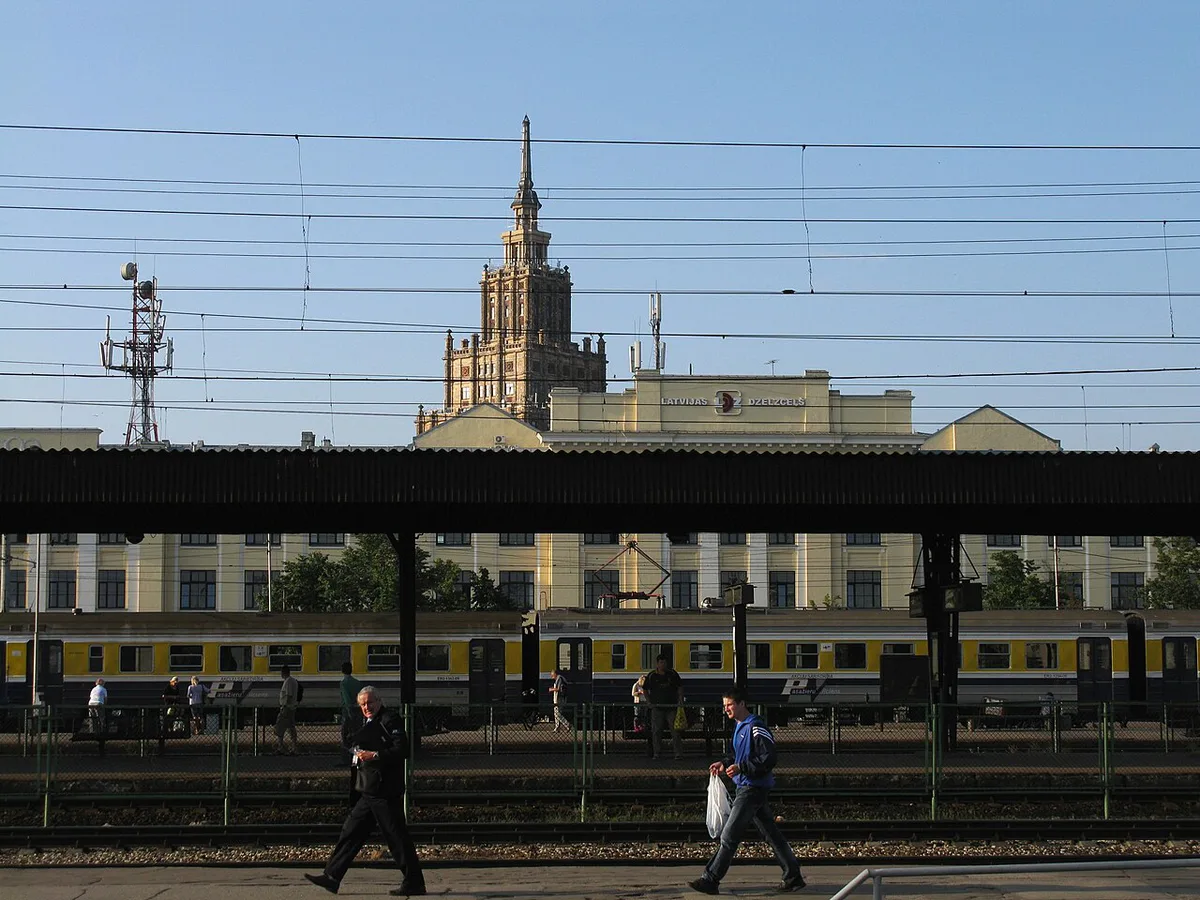
- Central Station (Origo) and Central Market: not dangerous so much as crowded, and crowds are where pickpockets concentrate their work
- Peripheral micro-districts, Bolderāja, Pļavnieki, Purvciems, Zolitūde, Imanta, and Mežciems: mostly safe but built as Soviet-era residential blocks with no restaurants, museums, or English-language signage for visitors
Maskavas Forštate (Maskačka): History by Day, Caution by Night
Maskavas Forštate, often shortened to Maskačka, is one of Riga's oldest districts and carries the city's most debated reputation. The district includes the Spīķeri Quarter, a set of restored 19th-century warehouse buildings now used for markets and events. It also includes the Riga Ghetto and Latvian Holocaust Museum, a serious historical site worth the visit. During the day, both are safe to explore on foot with normal city-center precautions. After dark, the calculation changes. Side streets away from the main roads are poorly lit, foot traffic thins out fast, and the petty crime behind the district's reputation concentrates there rather than on the main roads. Some of Riga's cheapest hostels sit in or near this district, and the nightly savings can look tempting when booking. Weigh that saving against the walk back after a late dinner or a late train. For a short stay, a mid-range room in the Old Town or Quiet Center is usually worth the difference.
How to Recognize You Have Wandered Too Far
The peripheral micro-districts are not marked with a sign warning visitors away. They are recognizable once you know what to look for. Grey Soviet-era apartment blocks replace the Old Town's decorative facades. Street-level shops and cafes thin out or disappear entirely. Signage switches to Latvian and Russian only, with little English. Mežaparks and Āgenskalns are exceptions: both are residential but keep a clear sense of place, and neither feels abandoned. If a neighborhood matches the grey-block description and isn't one of those two, treat it as a signal to check a map. Head back toward the center rather than keep exploring on foot.
Safety Comparison: Riga Neighborhoods at a Glance
The ratings below are qualitative, not a numeric score. They reflect this guide's editorial assessment, built from the sources cited throughout this article, not an official ranking system. Use them to decide where to walk, where to stay, and where a detour just isn't worth the time.
| Neighborhood | Safety (editorial assessment) | Tourist interest | Primary risk or reason to visit anyway |
|---|---|---|---|
| Vecrīga (Old Town) | Very safe, heavily foot-trafficked | High, main historic sights | Minimal beyond pickpockets in dense crowds |
| Quiet Center (Art Nouveau District) | Very safe | High, architecture | Minimal |
| Āgenskalns | Safe | Moderate, local market and river setting | Minimal |
| Mežaparks | Safe | Moderate, park and zoo | Minimal |
| Maskavas Forštate (Maskačka) | Safe by day, caution after dark | Moderate, Spīķeri Quarter and Holocaust Museum | Petty crime and poor lighting on side streets at night |
| Central Station (Origo) and Central Market | Caution, especially in crowds and at night | High, a hub most visitors pass through | Pickpocketing and loitering |
| Peripheral micro-districts (Bolderāja, Pļavnieki, Purvciems, Zolitūde, Imanta, Mežciems) | Generally safe | Low, no tourist infrastructure | Disorientation and poor lighting rather than crime |
Scams and Petty Crime to Watch For
Riga's most common tourist problems are not violent crime. They are scams built around distraction, overcharging, and crowds. The Riga tourist scams guide covers these in more depth. Three patterns come up often enough to flag on their own.
Dense crowds at Central Market draw pickpockets; left-luggage storage around $7 daily removes the vulnerability that makes tourists with bags an obvious target in crowded market halls.
- The Old Town bar scam: a friendly local invites you to a specific bar or strip club, and the bill arrives with inflated prices for drinks poured before you agreed to them
- Central Market pickpocketing: the market halls and the stalls around them draw dense, distracted crowds, and dense crowds are where pickpockets work best
- Taxi overcharging: unmetered street taxis at the airport and around Central Station sometimes quote inflated fares to visibly foreign riders; booking through the Bolt app locks in a price before the ride starts
Getting Around Riga Safely
Rīgas Satiksme, the city's public transit operator, runs the tram, bus, and trolleybus network most visitors use. Daytime service runs through the center and the routes tourists use most. At night, stick to routes and stops you already know. Keep valuables out of sight, and treat an empty platform the same way you would in any European capital. For more detail on specific streets and hours that call for extra care, see the Riga safety at night guide. Carrying heavy luggage through Central Station or the Central Market makes a visitor a slower, more obvious target. Left-luggage services solve that directly. Qeepl, for example, lists storage from around $7 a day (about €6.69), with insurance coverage up to roughly $1,080 (about €1,000) on stored bags. Dropping bags before wandering the market halls, or before an evening walk near Maskavas Forštate, removes the exact vulnerability those two spots are known for.
Where to Stay Instead
If the goal is simply avoiding the spots above, base a stay in one of Riga's established safe districts instead. Vecrīga, the Old Town, puts you inside the walking core of the city. The Quiet Center, Riga's Art Nouveau district just beyond the Old Town, offers a calmer, more residential feel with easy tram access. Āgenskalns sits across the Daugava River from the city center, trading a few extra transit minutes for a quieter, local-feeling stay. Families or longer stays might also consider Mežaparks, a park district built around Riga Zoo. Expect a premium for an Old Town address over an outer district. Most short-stay visitors find the difference worth paying for the walkability alone.
- Vecrīga (Old Town): closest to the main sights, heaviest foot traffic, simplest choice for a short stay
- Quiet Center (Art Nouveau District): calmer and residential, still an easy walk or short tram ride to the center
- Āgenskalns: across the Daugava River, a quieter, more local-feeling base
- Mežaparks: a park district near Riga Zoo, suited to families or longer stays
Practical Safety Essentials
A short list of numbers and habits covers most of what a visitor needs beyond the neighborhood-specific advice above. Keep these on hand, or saved offline, before heading out for the day.
- General emergency: 112, reachable across the EU
- Police: 110
- Ambulance: 113
- Most hotel, restaurant, and transit staff in tourist areas speak workable English, which covers the majority of day-to-day situations
Central Station and Central Market: How to Pass Through Safely
Riga Central Railway Station, the Origo shopping center, Riga International Bus Station, and Central Market form one busy transit zone. Visitors usually need to pass through it, so complete avoidance is neither practical nor necessary.
The main risk is opportunistic theft during crowded transfers. Keep phones and wallets secured while checking departure boards, buying tickets, or navigating the pedestrian tunnels. Do not leave luggage beside a seat, even briefly. Avoid displaying cash around ticket machines or market stalls.
After dark, use the station’s main entrances and well-lit routes through Origo. Skip quiet underpasses and poorly lit edges near the railway tracks. If someone persistently asks for money or offers unsolicited help, disengage and continue toward staffed premises.
- Buy bus or train tickets from official counters, machines, or operator websites.
- Keep bags zipped and positioned in front of you in crowded market aisles.
- For a late arrival, order Bolt from a clearly marked pickup point rather than accepting a street offer.
For trip-planning details, see US State Department Latvia travel advisory.
Frequently Asked Questions
What is the most dangerous area in Riga?
Maskavas Forštate, often called Maskačka, carries Riga's most-cited reputation for petty crime. The risk concentrates on poorly lit side streets after dark, not across the whole district, and the area is safe to visit for its history during the day.
Are the outer micro-districts like Purvciems or Pļavnieki actually dangerous?
Not particularly. Bolderāja, Pļavnieki, Purvciems, Zolitūde, Imanta, and Mežciems are Soviet-era residential blocks without much crime beyond ordinary city risk. They simply have no restaurants, museums, or English signage, so most visitors have no reason to go.
Is it safe to visit Maskavas Forštate during the day?
Yes. The Spīķeri Quarter and the Riga Ghetto and Latvian Holocaust Museum are both safe to visit in daylight with normal city-center precautions. The caution in this guide mainly applies after dark.
Is Riga safe for solo women travelers?
Latvia scores 0.88 on the Women, Peace and Security Index, a figure that points to comparatively low national-level risk. Riga's central, well-lit tourist areas are considered safe for solo women who take the same after-dark precautions recommended for any visitor.
How do I avoid taxi scams in Riga?
Book through the Bolt app instead of hailing an unmetered street taxi, especially from the airport or Central Station. The app fare is set before the ride starts, which removes the overcharging risk entirely.
What number do I call in an emergency in Riga?
Dial 112 for general emergencies anywhere in the EU, 110 to reach the police directly, or 113 for an ambulance.