Is Valencia Safe? A Comprehensive Guide for Travelers
Last updated June 2026. Is Valencia safe for travelers weighing it against Barcelona or Madrid? In short, yes — Valencia is widely regarded as one of Spain's calmer, more livable big cities, with rare violent crime and a manageable risk profile concentrated mostly in petty theft at a handful of tourist hotspots. This guide walks through the current Valencia crime rate picture, the safest neighborhoods to base yourself in, and practical night-time, transport, and scam-avoidance tips for a 2026 trip.
Is Valencia Safe in 2026? The Quick Answer
Yes — Valencia is widely regarded as one of the safer large cities in Spain, and among the calmer major destinations in Western Europe overall. Compared with Barcelona, which draws persistent complaints about organized pickpocketing crews, phone-snatching on the metro, and high-pressure street scams, and Madrid, whose sheer size brings a proportionally higher volume of urban crime, Valencia's city center feels noticeably calmer and easier to navigate on foot, even after dark on its main streets. Both Barcelona and Madrid remain broadly safe for travelers too — this isn't a story of one safe city and two dangerous ones — but among Spain's three largest metropolitan areas, Valencia is the one most consistently described as low-hassle. Global crowd-sourced indices such as Numbeo consistently place Valencia toward the safer end of major Spanish and European cities; in our editorial assessment, that reputation holds up on the ground, since violent crime against travelers is rare and the realistic risk profile is dominated by opportunistic petty theft rather than anything more serious.
That said, 'safe' does not mean 'risk-free.' Valencia still has a handful of predictable hotspots for bag-snatching, distraction scams, and overpriced tourist-menu pricing, and knowing exactly where those risks cluster — rather than treating the whole city as uniformly risky or uniformly safe — is most of the battle. The rest of this guide breaks down where those hotspots sit, which neighborhoods make the best base, and what to actually change about your habits for a 2026 trip.

Understanding the Valencia Crime Rate: Petty Theft vs Violent Crime
The Valencia crime rate breakdown tells a consistent story: petty theft, not violent crime, is the primary concern for visitors, and it clusters around a small number of predictable, high-footfall spots rather than spreading evenly across the city. Pickpocketing risk is highest around Plaza de la Reina and the surrounding old-town squares, at North Station where crowds funnel through ticket halls and platforms at peak hours, and along the beach promenade at La Malvarrosa on busy summer afternoons. The pattern is nearly always the same: a distracted, phone-out, bag-open tourist packed into a dense crowd. Keep valuables zipped, worn in front, and out of back pockets in these specific spots, and the realistic theft risk drops sharply. This pattern also tracks seasonally — pickpocketing activity rises with tourist density, so summer and major festival weeks see a modest uptick in the same handful of hotspots rather than new risks appearing elsewhere in the city.
Valencia's reputation as calmer than Barcelona rests not on the absence of petty theft, but on its concentration at predictable tourist hotspots—Plaza de la Reina, North Station, and the beach—combined with avoidable scams. Understanding risk distribution shapes strategy more than overall crime comparisons.
Violent crime against tourists, by contrast, is genuinely rare in Valencia, and the kind of stranger-on-stranger assault that worries first-time visitors is not a realistic day-to-day concern in the city center or the main tourist districts. It's worth separating that statistical reality from anecdote: forum threads — including a well-circulated r/valencia discussion asking whether the city is 'currently safe for tourism' — occasionally surface individual complaints about specific incidents or about difficulty getting around, but isolated posts are not a trend line. The broader, corroborated pattern still points to Valencia as calmer than Spain's biggest tourist magnets; treat any single social-media anecdote as one data point rather than the full picture.
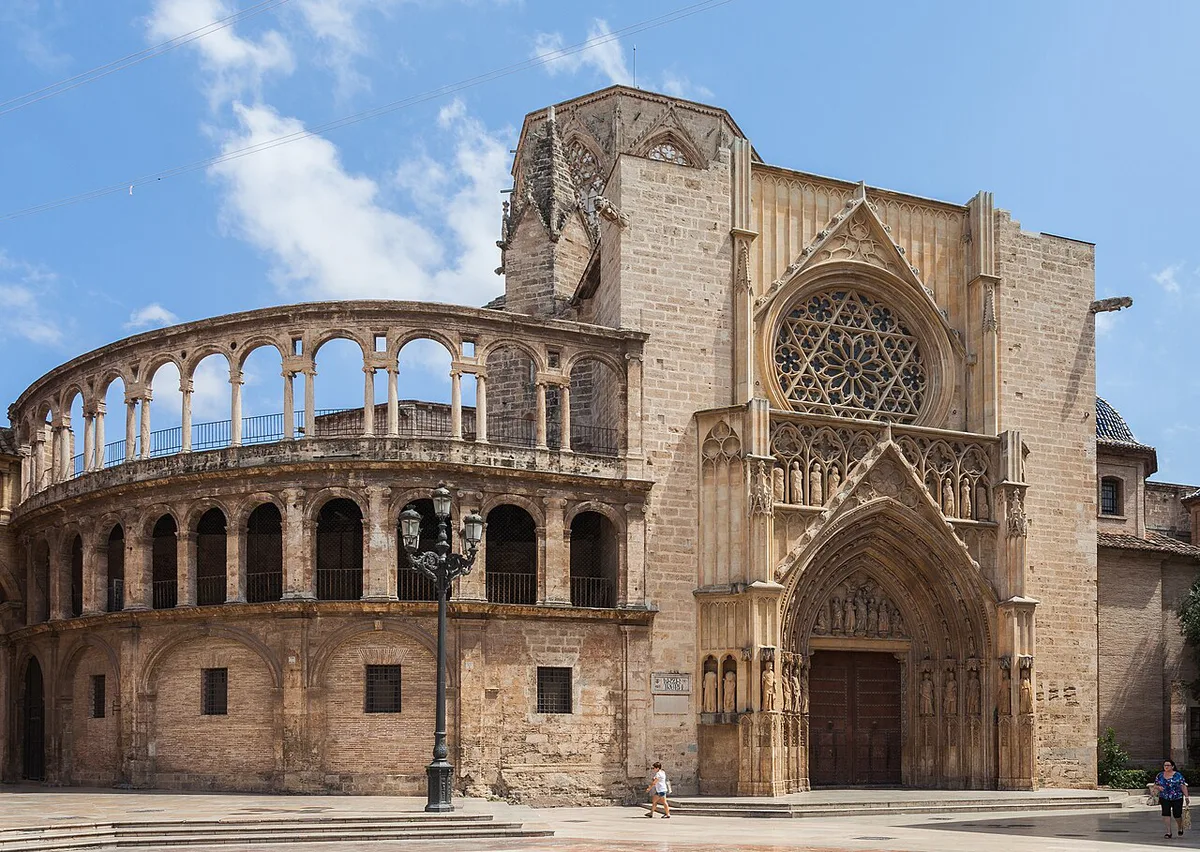
Safest Neighborhoods vs Areas to Exercise Caution
Where you base yourself changes your day-to-day safety experience more than almost any other single decision. For a full block-by-block rundown, the safest neighborhoods guide goes deeper, but the short version is that L'Eixample, Ciutat Vella by day, and Campanar are consistently the top picks for travelers who want a walkable, well-lit, low-hassle base. L'Eixample is an orderly grid of wide 19th-century boulevards popular with families and business travelers; Ciutat Vella, the old town, is atmospheric, central, and busy with restaurants and sights but also the most touristy — and therefore the most pickpocket-relevant — part of the city, so it shows best by day; Campanar is quieter and more residential, trading some nightlife proximity for calm streets and lower tourist density.
A handful of pockets deserve a more cautious approach, especially after dark. Parts of El Cabanyal, the old fishing-quarter neighborhood behind the beach, can feel isolated and poorly lit at night, even though its daytime street art and traditional tiled houses are worth a wander earlier in the day. The unlit outskirts beyond the core tourist grid generally warrant the same added caution. For a fuller list of specific streets and blocks to plan around, or avoid late at night, see the dedicated areas to avoid guide. When deciding between these options, weigh three factors: how much nightlife you want within walking distance, how important a short beach commute is to you, and how comfortable you are navigating a busier, more tourist-dense old town after dark.
That last consideration captures Valencia's core safety-versus-convenience trade-off. Staying near the beach in neighborhoods like El Cabanyal puts you close to the sand but roughly 15 minutes by car or taxi — and 40 minutes or more by bike or tram — from the city-center sights, museums, and restaurant scene, with quieter, dimmer streets once the sun goes down. Staying in the center instead trades a longer beach commute for a denser, better-lit, more continuously populated environment at night. For most travelers weighing safety and convenience together, the center wins out; for a beach-first trip, simply plan taxis or rideshares for late-night returns rather than walking back after dark.
| Neighborhood | Vibe | Safety Level | Proximity to Sights |
|---|---|---|---|
| L'Eixample | Elegant, orderly, residential | Very safe, well-lit main streets | 10-15 minute walk or tram to the old town |
| Ciutat Vella (Old Town) | Historic, lively, touristy | Safe by day; busier and more crowded at night | Central — sits on top of the major sights |
| Campanar | Quiet, local, residential | Very safe, low tourist density | Short metro ride to the center |
| El Cabanyal (beach quarter) | Bohemian, beachside, mixed | Fine by day; more caution warranted after dark | 15 minutes by car/tram to the beach, 40-plus minutes by bike to downtown sights |
Getting Around: Public Transport, Biking, and Taxi Safety
Despite occasional forum complaints that Valencia is 'hard to get around,' the city runs an extensive, genuinely reliable Metrovalencia network of metro and tram lines linking the center, the university areas, the airport, and the beach. Ride it at any hour using the same standard urban precautions you'd use anywhere — bag held in front, phone put away in crowded carriages — and the system holds up well; most of the 'confusing' feedback traces back to temporary construction detours or specific suburban routes rather than any systemic lack of infrastructure. For line-by-line guidance on which routes and times carry the most crowding or theft risk, the public transport safety guide breaks it down in more detail.
Biking is one of Valencia's genuine safety strengths. The Turia Gardens — a 9-kilometer-long, 175-meter-wide, entirely car-free former riverbed converted into a continuous park with running and biking paths, open grass, fountains, and sports facilities — offers a nearly uninterrupted, traffic-free route across the city, and the wider network of protected bike lanes makes cycling between neighborhoods considerably lower-stress than in most car-heavy Spanish cities. Bike-rental points are common across the center, making short point-to-point rides an easy, low-cost way to cover ground without waiting on taxis.
For taxis and ride-hailing, stick to official white taxis, identifiable by their livery and visible license, or licensed Cabify and Uber vehicles booked through the app, both of which operate normally across Valencia. Avoid unmarked cars offering rides outside nightlife areas or transport hubs, and confirm the plate and driver photo match your app before getting in.
Walking Alone at Night and Solo Female Travel Safety
Valencia's main thoroughfares in the city center — around L'Eixample, Ciutat Vella, and the Ruzafa and El Carmen nightlife districts — stay well-lit and populated well into the night, and walking alone on these streets is a realistic option for most travelers, provided you apply the same judgment you'd use in any city: stick to busier streets, stay aware near ATMs and transit stops, and default to a licensed taxi rather than walking if a particular route looks empty or unfamiliar. The dedicated walking Valencia at night guide breaks down specific streets and hours in more depth.
Choosing between beachside neighborhoods like El Cabanyal and central bases like L'Eixample involves a core trade-off: beach closeness versus nighttime walkability. Central locations offer well-lit, populated streets suitable for evening strolls; beach quarters require taxis or transit for safe late-night returns to avoid isolated, poorly-lit streets.
For solo female travelers specifically, Valencia's overall social-safety record and generally respectful street-level attitudes make it one of the more comfortable Spanish cities to explore independently, though the standard advice still applies: share your location with someone, be more selective about which nightlife streets you wander down alone in the small hours, and trust instinct over politeness if a situation feels off. The solo female travel safety guide covers neighborhood- and nightlife-specific advice in more detail.
Ruzafa, the trendy, dense grid south of the train station, and El Carmen, the old town's nightlife-heavy quarter, both stay safe and busy well into the night, but treat them like any lively nightlife district anywhere: watch your drink, moderate intake, and travel back in a group or by taxi rather than alone once crowds thin out toward closing time. If unsure about a specific street, ask staff at a bar or hotel front desk — locals are generally happy to flag which nearby blocks to skip late at night, and that hyperlocal read is often more useful than any generalized guide.
Common Tourist Scams and Mistakes to Avoid
Valencia's scam landscape is low-stakes compared with Spain's larger tourist magnets, but a few patterns recur often enough to flag before arrival. A full rundown of current patterns lives in the common tourist scams guide; the highlights below. None of these patterns are unique to Valencia — they're standard big-city tourist-zone scams — but recognizing them by name before arrival removes most of their power. Eating and moving on local time, with lunch from around 1:30 PM and dinner rarely before 9 PM, both saves money on tourist-trap pricing and reads as less of an obvious target generally.
- The 'bird poop' distraction scam: a substance is discreetly dropped on a shoulder or bag, and a 'helpful' stranger offers to clean it off while an accomplice lifts your belongings — decline the help and keep moving.
- The 'free rose' handoff: a rose or trinket pressed into your hand near busy plazas, followed by an aggressive demand for payment — hand it straight back and walk on.
- Tourist-menu pricing traps: the genuine menu del dia, a bargain multi-course lunch typically €10-15 with a drink included and served roughly 1:30-4:00 PM, is a real local institution, but restaurants targeting tourist foot traffic outside that window or without a visible printed menu sometimes charge inflated, undisclosed prices for a similar-looking set menu — confirm price and inclusions before ordering.
- Unattended beach bags at La Malvarrosa: opportunistic theft from towels while people swim is far more common than any confrontational crime on the sand — take turns watching belongings or use a beach locker where available.
Emergency Contacts, Health, and Practical Safety Resources
For any emergency in Valencia — medical, police, or fire — dial 112, the general emergency number used across Spain; operators can direct English-speaking assistance. Foreign visitors dealing with theft, scams, or other travel-related incidents can also reach out to the city's SATE (foreign tourist assistance service), which exists specifically to help travelers file reports and navigate next steps without needing fluent Spanish.
Tap water in Valencia is generally treated and safe to drink, though its distinct mineral taste — the same water credited with making the region's rice taste especially good — leads plenty of visitors to prefer bottled water by preference rather than necessity.
Digital nomads working from Valencia's cafes and co-working spaces should apply ordinary laptop-safety habits: avoid leaving devices unattended on a table while ordering, prefer seating with a wall at your back and a sightline to the door, and treat busy, plugged-in cafe corners the same way as a transit hub — a spot where opportunistic theft, not violent crime, is the realistic risk. Co-working spaces and laptop-friendly cafes are common across the center and generally maintain the same everyday vigilance norms as any European city.
- 112 — general emergency number (police, ambulance, fire) for the entire city and country.
- SATE — the local foreign tourist assistance service for reporting theft, scams, or lost documents.
- Farmacias — pharmacies marked with an illuminated green cross, widely available across every central neighborhood, for minor ailments and over-the-counter medication.
- Travel insurance covering theft and medical care — worth carrying given that bag-snatching, however modest the risk, is the most likely incident type.
Final Verdict: Is Valencia Worth the Trip for Safety-Conscious Travelers?
On safety terms alone, Valencia is an easy recommendation: it reads calmer than Barcelona and Madrid, violent crime against travelers is rare, and its petty-theft risk concentrates in identifiable, avoidable hotspots rather than spreading evenly across the city. The larger trade-off worth weighing is less about safety and more about character. Valencia leans modern, practical, and livable rather than postcard-quintessential, and its beaches, while safe and pleasant, sit a real commute from the center rather than steps away — worth factoring into where you choose to sleep, per the neighborhood breakdown above.
That combination makes Valencia a particularly strong fit for families who want wide, walkable boulevards and low-stress logistics, retirees prioritizing calm infrastructure over nightlife intensity, and solo explorers or digital nomads who want a well-connected, low-hassle European base for weeks at a time. It's a noticeably weaker fit only for travelers whose top priority is dense, centuries-old atmosphere at every turn, or a beach genuinely steps from their hotel door.
One seasonal note worth planning around: if traveling in mid-March, Las Fallas — whose main days fall around March 15-19 — fills the city with dense crowds, round-the-clock noise, and organized fireworks and bonfires. None of this is unsafe in the way an unplanned crowd crush would be; it's a heavily organized, long-running local festival. It does call for specific precautions, though: expect street closures, keep children close in the densest crowds, and give the nightly firework displays and bonfires the same distance and caution you'd give any large organized pyrotechnic event. Outside of that one mid-March week, crowd levels and noise across the city stay far more manageable, which is worth factoring in if festival intensity isn't the trip you're after.
Metrovalencia Line Safety: Airport, Beach, and Late-Night Routes
For most visitors, Metrovalencia safety is less about dangerous lines and more about crowd management. Lines 3 and 5 from Aeroport into the center are convenient and generally safe, but keep bags zipped when boarding with luggage at Xativa, Colon, and Angel Guimera, where airport passengers, commuters, and transfers overlap. If you are heading to the beach, Line 5 to Maritim followed by the tram toward Grau Canyamelar or Doctor Lluch is a normal daytime route; late at night, the quieter streets around beach stops can feel more exposed than the train itself.
Use front-facing bags on escalators, avoid standing beside the doors with a phone loose in your hand, and check the last connection before leaving a restaurant or bar. After midnight, a licensed taxi or app ride is often the simpler safety choice from Ruzafa, El Carmen, or the marina back to a hotel in a quieter district.
For trip-planning details, see UK FCDO travel advice for Spain.
Explore is safe in other cities
Frequently Asked Questions
Is Valencia safer than Barcelona?
In general, yes. Valencia sees far fewer reports of organized pickpocketing crews, phone-snatching on public transport, and aggressive street scams than Barcelona, and its city center feels calmer and easier to navigate. Both cities remain broadly safe for travelers, but Valencia is the one more consistently described as low-hassle.
Is it safe to walk around Valencia at night?
On the main, well-lit thoroughfares in the city center and around Ruzafa and El Carmen, yes — walking alone at night is realistic for most travelers who use standard precautions like sticking to busier streets and taking a taxi on unfamiliar or empty routes. See the dedicated walking-at-night guide for street-specific advice.
What's the biggest safety risk for tourists in Valencia?
Petty theft — pickpocketing and bag-snatching in crowded tourist zones like Plaza de la Reina, North Station, and the beach promenade at La Malvarrosa — rather than violent crime, which remains rare against travelers.
Is Valencia safe for solo female travelers?
Valencia's social-safety record and generally respectful street-level attitudes make it one of the more comfortable Spanish cities for solo female travelers, though the usual nightlife and late-night precautions — sticking to busy streets, taking taxis over long unfamiliar walks — still apply.
Is tap water safe to drink in Valencia?
Yes, tap water in Valencia is treated and generally safe to drink; some visitors simply prefer bottled water because of its distinct mineral taste, which locals note also happens to make the region's rice taste especially good.
When should travelers plan around crowd-related safety hassles like Las Fallas?
Plan around mid-March, when Las Fallas — whose main days fall around March 15-19 — fills the city center with dense crowds, constant noise, and organized fireworks and bonfires; outside that week, Valencia's crowd levels stay far more manageable.
Do I need to avoid the Metrovalencia system at night?
No — the Metrovalencia metro and tram network is reliable and runs an extensive network across the city; apply the same basic precautions you would on any late-night transit, such as keeping your bag in front and your phone put away, rather than avoiding it altogether.
Stay Safe in Valencia
Every Valencia safety guide on one page — areas, scams, night rules, and getting around.
Valencia Safety Guides
- Valencia Areas to Avoid: Neighborhood Safety & Tourist Guide
- Is Valencia Safe at Night? Local Safety Guide & Expert Tips
- Valencia Tourist Scams: Common Traps and How to Avoid Them (2026 Guide)
- Is Valencia Safe for Solo Female Travellers? 2026 Safety Guide
- Valencia Public Transport Safety: A 2026 Guide for Travelers
- Valencia Crime Rate 2026
- Safest Neighborhoods in Valencia: A 2026 Guide for Travelers & Residents