Is Montpellier Safe? A Localized Guide to Staying Secure
Last updated June 2026: is Montpellier safe for a visit right now? In short, yes — Montpellier is a young, dense, and largely walkable city where the historic core and university districts feel secure for most travelers, with the usual big-city caveats around pickpockets and a rowdy weekend nightlife scene. This guide breaks down exactly which neighborhoods to prioritize, how to move around after dark, and where petty crime tends to cluster so a first visit or a semester abroad starts on solid footing.
Quick Answer: Is Montpellier Safe in 2026?
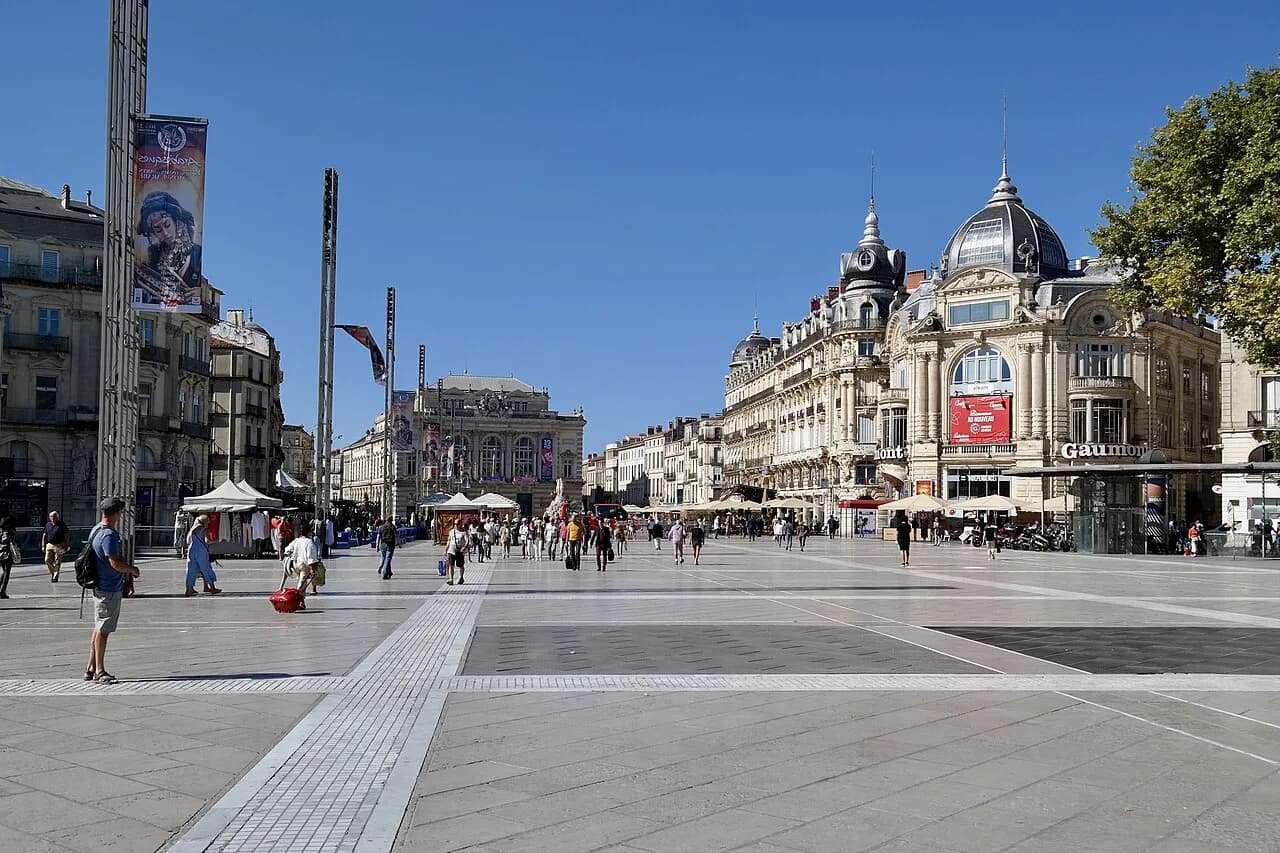
For most travelers, the answer to is Montpellier safe is a confident yes. Montpellier is one of France's youngest cities by average age, driven by a large student and Erasmus population, and its compact center means most sightseeing happens on foot within a tight, well-lit historic core. Violent crime against tourists is rare, and the greater risk visitors face is opportunistic petty theft — bag snatching, phone grabs, and distraction scams — concentrated around crowded, high-traffic spots like Place de la Comédie rather than random violence. The trade-off comes at the edges: weekend nights in the center get loud and crowded with students and bar crowds, and a handful of peripheral housing estates on the city's fringes warrant more caution than the tourist core, so treat any blanket safe-or-unsafe label with skepticism and plan around neighborhood and time of day instead.
- Violent crime against tourists is rare in Montpellier's core
- Petty theft (pickpocketing, phone snatching) is the primary risk in crowded areas
- Weekend nights in the center get loud and crowded, especially near bar clusters
- A small number of peripheral estates warrant more caution than the tourist zones
Safe Neighborhoods vs Areas to Avoid
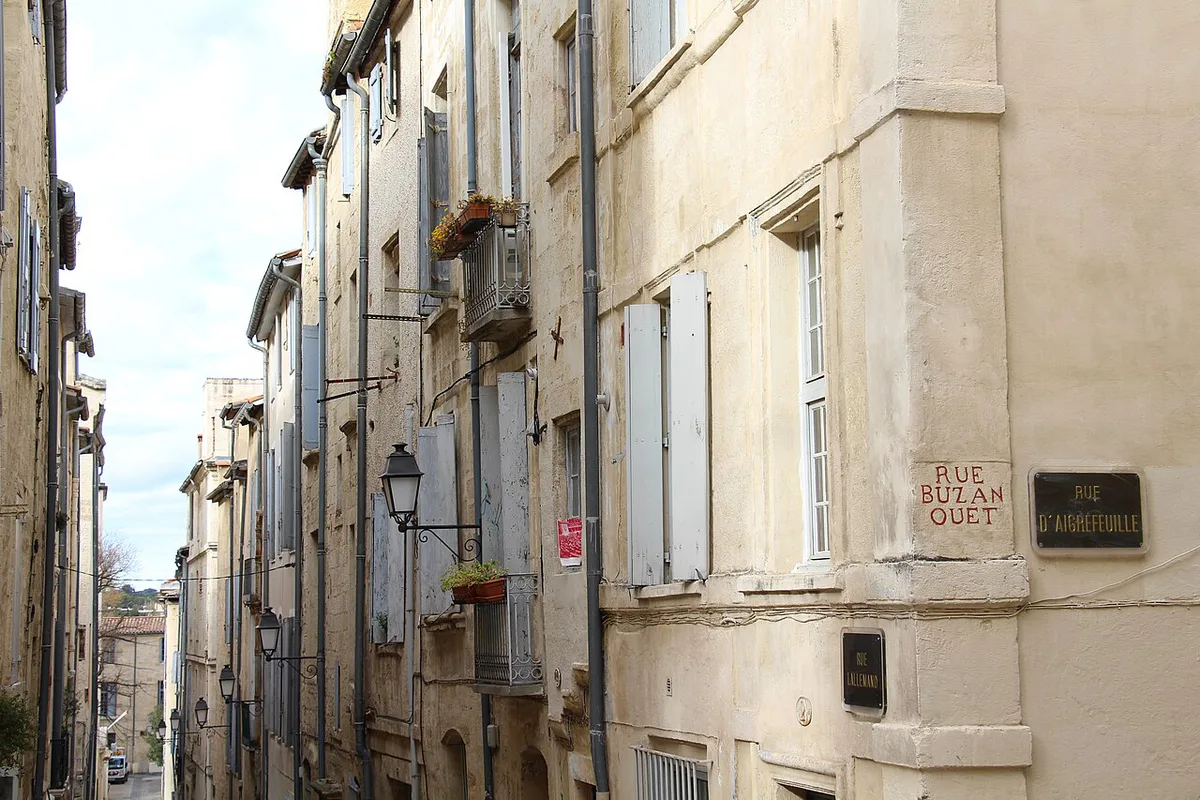
Montpellier's safety picture changes depending on which side of the ring road a visitor is standing on. L'Écusson, the pedestrianized medieval old town, is where most travelers spend their time, and its narrow lanes stay busy with foot traffic well into the evening. Antigone and Port Marianne, the newer planned districts, are wide, well-lit, and popular with families and young professionals, while Figuerolles sits somewhere in between — up-and-coming and generally fine by day, with a grittier edge after dark in a few pockets. Further out, estates such as La Paillade have a reputation, largely from local and student discussion, for higher petty and occasionally more serious crime, though this rarely intersects with typical tourist itineraries since there is little reason for visitors to pass through in the first place. For a street-level breakdown of exactly where to stay cautious, the Montpellier areas to avoid guide maps the specific blocks worth planning around before booking a stay.
| District | Safety Level | Best For | Nighttime Vibe |
|---|---|---|---|
| L'Écusson (Old Town) | Very safe | First-time visitors, walking tours | Busy and lively; watch for pickpockets |
| Antigone | Very safe | Families, architecture fans | Quiet, well-lit |
| Port Marianne | Safe | Modern hotels, waterfront dining | Calm, moderate foot traffic |
| Figuerolles | Generally safe | Budget stays, local cafés | Mixed — fine by day, more caution at night |
| La Paillade | Exercise caution | Not a typical tourist base | Best avoided after dark unless local |
Safety at Night: Navigating Montpellier After Dark
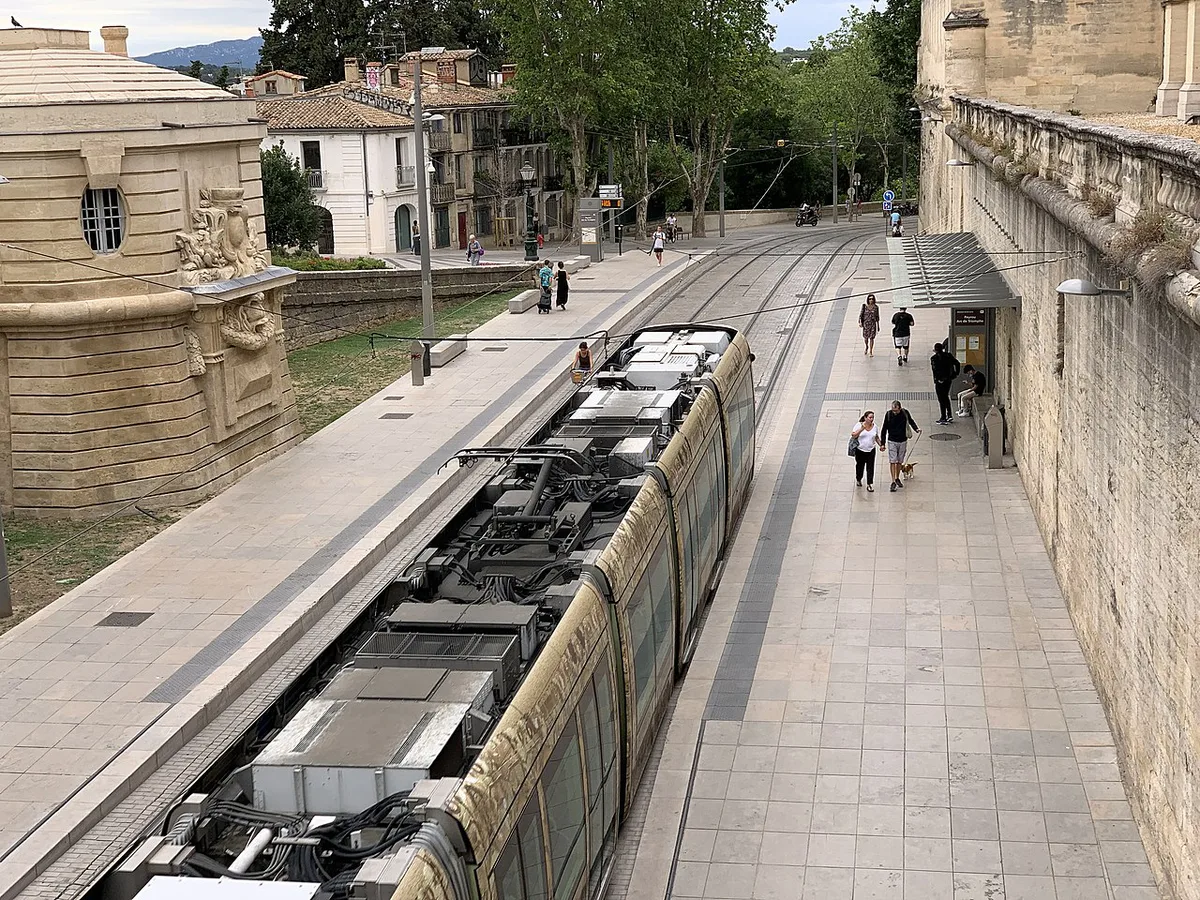
Montpellier after dark is less about danger and more about noise and crowd management. Place de la Comédie and the surrounding Écusson lanes stay lit and populated late into the night thanks to restaurant terraces, bars, and student nightlife, and that foot traffic is generally a safety asset rather than a risk. The trade-off is a rowdier atmosphere Thursday through Saturday nights, when bar closing times send crowds of students and young locals through the same narrow streets — more a nuisance than a threat, but worth knowing if a quieter evening is the goal. Outside the center, lighting and pedestrian activity thin out fast, so unfamiliar streets are best covered by tram rather than on foot once the sun goes down. For route-by-route detail on which streets stay busy and which to avoid walking alone, see the Montpellier safety at night guide.
Crowded, well-lit zones like Place de la Comédie and central Écusson lanes create a sense of safety through visibility and foot traffic, yet these same conditions attract pickpockets seeking dense targets. Personal security and theft vulnerability coexist in the center's busiest areas.
- Stick to Place de la Comédie, L'Écusson lanes, and Antigone after dark
- Use the TAM tram instead of walking unfamiliar peripheral streets late at night
- Expect a busier, louder atmosphere Thursday through Saturday near bar clusters
- Keep valuables secure even in well-lit areas — foot traffic doesn't eliminate pickpocketing
Public Transport Safety: Trams and Buses (TAM)
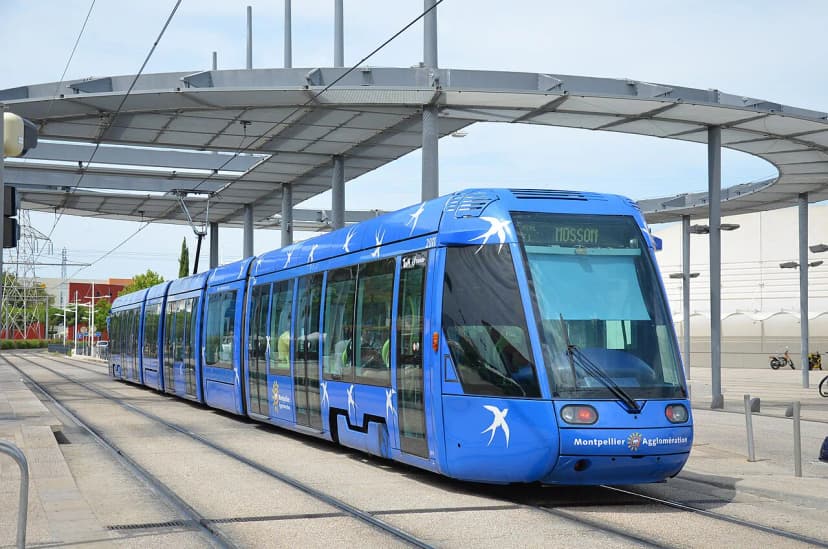
Montpellier's public transport network is run by TAM (Transport de l'agglomération de Montpellier), whose tram lines are the easiest way to move between the center and outer districts without walking through unfamiliar streets after dark. The system is generally considered safe and is well used by residents of all ages, but it is also exactly where petty theft concentrates: pickpockets work crowded carriages and platforms, and Line 1 around the Comédie stop is the specific hotspot flagged most often by locals, since it funnels the heaviest tourist and nightlife traffic. Saint-Roch train station, the city's main rail hub, is another pinch point — it is busy and well-monitored, but the surrounding streets see more transient foot traffic than the old town, so it rewards the same bag-forward, phone-aware habits as any major European station. For line-specific guidance and how the network operates at night, the Montpellier public transport safety guide covers it in more depth.
While unfamiliar peripheral streets are best traveled by tram after dark for personal safety, tram carriages themselves—especially Line 1 near Comédie during nightlife hours—concentrate pickpockets. Evening transport involves trading vulnerability to isolated routes for exposure in crowded vehicles.
- TAM operates the tram and bus network across Montpellier and its suburbs
- Line 1 near Place de la Comédie sees the most reported pickpocketing
- Saint-Roch station is well-monitored, but treat the surrounding streets like any station approach
- Keep bags zipped and to the front on crowded carriages, especially during nightlife hours
Solo Female Travel in Montpellier
Solo female travelers generally rate Montpellier well, helped by the same density and foot traffic that makes the center feel secure after dark. Street harassment happens, as in most French cities, and tends to be verbal rather than physical, concentrated around the same nightlife strips near Comédie on weekend evenings. The practical playbook is familiar: stick to the well-lit Écusson and Antigone routes at night, use the tram rather than a long solo walk once bars are winding down, and treat overly persistent street conversation the way experienced travelers do anywhere in France — polite disengagement rather than confrontation. Social settings around the university mean it is easy to find company, which many solo travelers use to their advantage for evening plans. The Montpellier solo female travel safety guide goes further into specific neighborhoods, accommodation picks, and social scenarios worth knowing before arrival.
- Favor accommodation in L'Écusson, Antigone, or Port Marianne for nighttime walkability
- Use the tram rather than a long solo walk once bars start closing
- Street harassment, when it happens, is typically verbal — polite disengagement works best
- University-area social scenes make it easy to arrange company for evenings out
Common Scams and Petty Crime
Montpellier's crime profile for visitors is overwhelmingly petty rather than violent, and it follows a predictable pattern: distraction theft in crowded tourist zones. Place de la Comédie, the main tram interchanges, and outdoor market areas are the highest-density spots, where a common setup involves one person creating a distraction — asking for directions, a signature, or spilling something — while an accomplice lifts a phone or wallet. Café terraces are another soft target, since bags looped over chair backs or phones left face-up on tables are easy grabs for someone walking past. None of this is unique to Montpellier, but the volume of students, tourists, and festival crowds through the center means opportunists have plenty of targets to choose from. The Montpellier tourist scams guide breaks down the specific setups reported most often and how to sidestep them.
- Distraction scams: someone asks for directions or a signature while an accomplice takes a bag or phone
- Café terrace theft: phones left face-up or bags hung on chair backs are easy targets
- Crowded tram platforms and market areas see the highest concentration of pickpocketing
- Cross-body bags, zipped pockets, and skepticism toward unsolicited approaches prevent most incidents
Student and Erasmus Safety
Montpellier is one of France's largest university cities, and that student population — including a substantial Erasmus and international exchange contingent — shapes both the city's energy and its safety conversation. Long-term residents raise more specific concerns than short-stay tourists: which neighborhood to choose for housing, how late it is reasonable to walk home from campus, and which areas to treat with more caution once term-time crowds thin out. As a decision criterion for housing, proximity to L'Écusson, Antigone, or the main university campuses along well-served tram lines generally outperforms cheaper options further out in terms of walkability and nighttime foot traffic, even at a higher rent. Petit Bard and some of the estates near La Paillade come up repeatedly in student and local discussion as areas to research carefully before signing a lease, not because they are inherently unsafe, but because current, verified information matters more than a semester-old online comment. New arrivals settling in for a semester or a full degree benefit from the same core habits as visitors — traveling in groups late at night, favoring the tram over unfamiliar walking routes, and getting to know a neighborhood in daylight before judging it after dark.
- Choose housing near L'Écusson, Antigone, or well-served tram lines close to campus
- Research areas like Petit Bard and parts of La Paillade with current information before signing a lease
- Travel in groups late at night, especially during the first weeks of a new semester
- Get to know a neighborhood in daylight before forming judgments about it after dark
Emergency Contacts and Local Resources
France's nationwide emergency numbers apply in Montpellier as everywhere else in the country, and they are free to call from any phone. The single European emergency number 112 connects to police, fire, or ambulance and is the simplest default if unsure which service is needed. For police specifically, 17 reaches the national police; for medical emergencies, 15 reaches the SAMU emergency medical service. Non-French speakers can request English-language assistance when calling these lines, though response may be faster in French where possible. Hotels, hostels, and the tourist office near Place de la Comédie can also point visitors toward the nearest commissariat, or police station, for non-urgent reports, such as filing paperwork after a theft for insurance purposes.
- 112 — single European emergency number (police, fire, ambulance)
- 17 — national police
- 15 — SAMU medical emergencies
- Nearest commissariat (police station) — for non-urgent theft reports and insurance paperwork
Arriving at Gare Saint-Roch: Safest First Moves
Gare Saint-Roch is central, useful, and normally safe, but it is the one place where new arrivals can feel disoriented because luggage, tram platforms, taxi queues, and late-night foot traffic all mix in a small area. If you arrive after dark, make your first move simple: go directly from the station concourse to the signed tram stop, taxi rank, or a pre-mapped walking route toward Place de la Comédie, Antigone, or your hotel.
The short walk from Saint-Roch toward Place de la Comédie via Rue de Maguelone is the most practical route for many central hotels because it is direct, lit, and usually has other pedestrians. Avoid wandering south or west of the station with luggage while checking your phone, especially late at night. Keep bags zipped while buying tram tickets or waiting on platforms, and step aside inside the station if you need to look up directions rather than doing it in the street.
For trip-planning details, see UK FCDO travel advice for France.
Explore is safe in other cities
Frequently Asked Questions
Is Montpellier safe to visit in 2026?
Yes. Montpellier remains one of the safer mid-sized French cities for visitors, with low rates of violent crime against tourists and a compact, walkable center. The main risks are petty theft in crowded areas and a boisterous nightlife scene on weekends, not personal danger, so ordinary city-travel precautions cover most of the risk.
Is Montpellier safe at night?
The city center, including L'Écusson and Place de la Comédie, stays busy and reasonably well lit late into the evening, which makes it feel secure for walking. Outer neighborhoods thin out faster after dark, so using the tram rather than walking unfamiliar streets is the safer choice once away from the core.
What areas of Montpellier should travelers avoid?
Most travelers never need to think about this, since L'Écusson, Antigone, and Port Marianne cover the majority of sightseeing, dining, and hotels. A handful of peripheral estates, including parts of La Paillade and Petit Bard, warrant extra caution and see little reason for typical tourist visits anyway.
Is Montpellier safe for solo female travelers?
Generally, yes. Solo female travelers commonly report feeling comfortable in the center thanks to steady foot traffic and a young, social population, though the same street harassment common across French cities can occur, mostly verbal and concentrated near weekend nightlife spots.
Is public transport safe in Montpellier?
The TAM tram and bus network is safe and widely used, but crowded carriages, particularly on Line 1 near Comédie, are where pickpocketing concentrates. Standard precautions, such as keeping bags zipped and worn to the front, cover most of the risk on trams and buses alike.
Is Montpellier safe for students and Erasmus exchanges?
Yes, with the same neighborhood awareness that applies to any long stay. Housing close to L'Écusson, Antigone, or well-served tram lines near campus tends to offer better nighttime walkability than cheaper options further from the center, and researching areas like Petit Bard before signing a lease is worth the extra effort.
Stay Safe in Montpellier
Every Montpellier safety guide on one page — areas, scams, night rules, and getting around.
Montpellier Safety Guides
- Montpellier Areas to Avoid: Safety Guide & Neighborhood Map (2026)
- Is Montpellier Safe at Night? Neighborhoods to Avoid & Safety Tips
- Montpellier Tourist Scams: How to Spot and Avoid Them in 2026
- Is Montpellier Safe for Solo Female Travellers? A 2026 Safety Guide
- Montpellier Public Transport Safety: A Complete Guide for Travelers