Is Carcassonne Safe? A 2026 Traveler's Safety Guide
Last updated July 2026. Is Carcassonne safe? For the vast majority of visitors, yes: this UNESCO World Heritage town in southern France sees very little violent crime, and the biggest safety concerns for tourists are the kind that come with any high-traffic destination, namely pickpocketing, distraction scams, and disorientation after dark. The honest answer depends on which of the town's two very different halves is being discussed and how the trip is timed against the summer festival crowds, so this guide breaks the question down by district, by traveler type, and by time of day.
The Verdict: Is Carcassonne Safe for Tourists in 2026
Carcassonne is a safe tourist town by any practical measure. Violent crime against visitors is rare, and the town's economy runs almost entirely on tourism, which means both the medieval Cité and the Bastide Saint-Louis are used to (and generally protective of) out-of-town visitors. In our editorial assessment, the realistic risk profile for Carcassonne skews heavily toward petty theft and opportunistic scams in peak season rather than anything more serious. This guide is built for families weighing a stopover, solo travelers deciding where to base themselves, and history enthusiasts planning to explore the fortress after the day-trip crowds thin out.
- Violent crime targeting tourists is uncommon in both the Cité and the Bastide
- Petty theft (pickpocketing, bag snatching) is the most realistic risk, concentrated in crowded areas during peak summer months
- Standard tourist vigilance, not special precautions, is what the situation actually calls for
- Risk shifts seasonally: crowded and scam-prone in summer, quiet but poorly lit in winter
Geographic Safety: The Cité vs. Bastide Saint-Louis
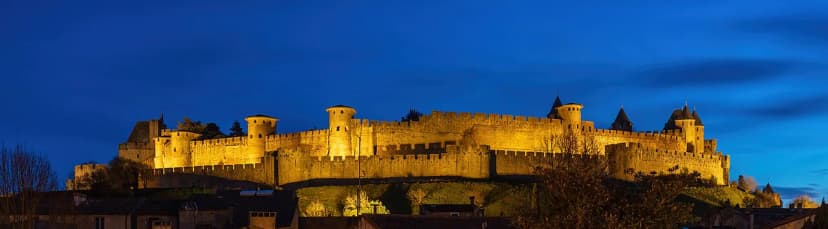
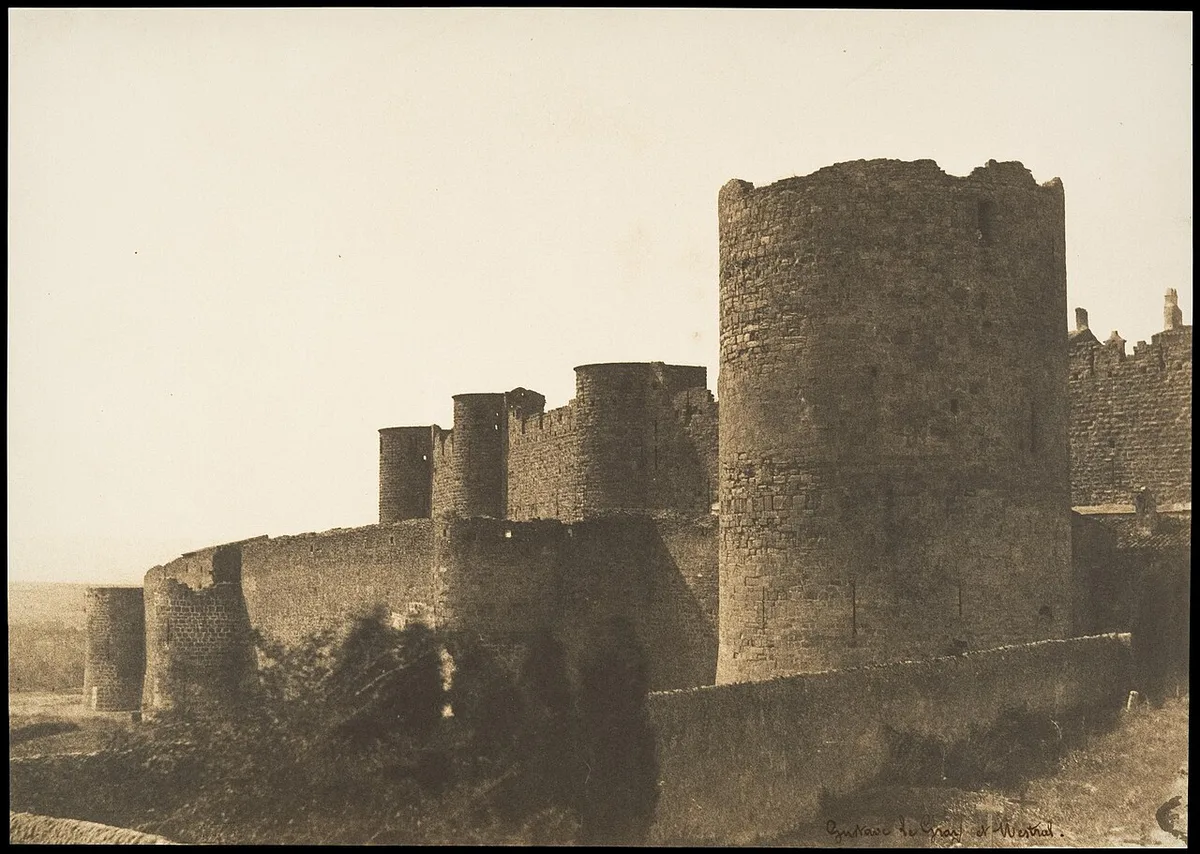
Carcassonne is really two towns, and treating them as one is where a lot of generic safety advice goes wrong. The Cité is the walled medieval fortress on the hill, a pedestrianized, heavily touristed, well-policed enclave that closes down commercially each evening as day-trippers leave. The Bastide Saint-Louis is the lower town around the train station, a genuine working French neighborhood with its own shops, cafés, and residential streets that has nothing to do with castle theming. Understanding which one applies to a given hotel, restaurant, or walk matters more than any single citywide safety rating.
- The Cité (medieval fortress): pedestrianized, high foot traffic by day, and heavily monitored, but also prime territory for pickpockets working the crowds near the main gates
- Bastide Saint-Louis (lower town): a normal residential and commercial district with general safety comparable to any small French town center; some streets near the train station can feel quieter and less lively late at night
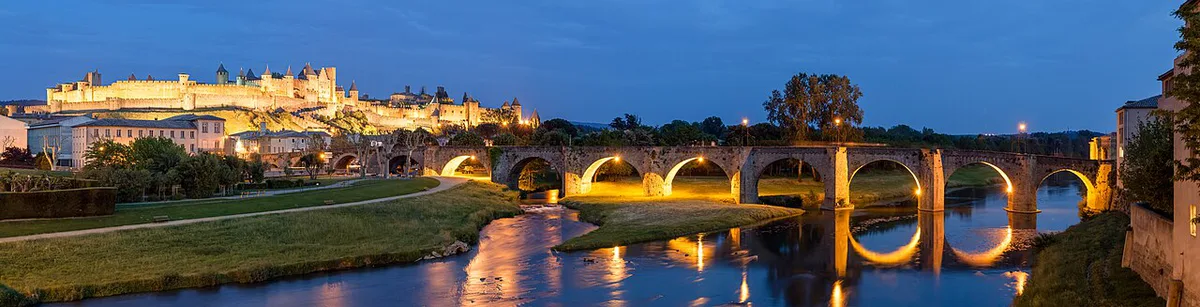
- The walk between them: crossing the Pont Vieux and Square Gambetta links the two districts and is walkable, though lighting and foot traffic drop off noticeably after dinner hours
- For a street-by-street breakdown of where to exercise more caution, see this areas to avoid guide
Common Risks and How to Avoid Them
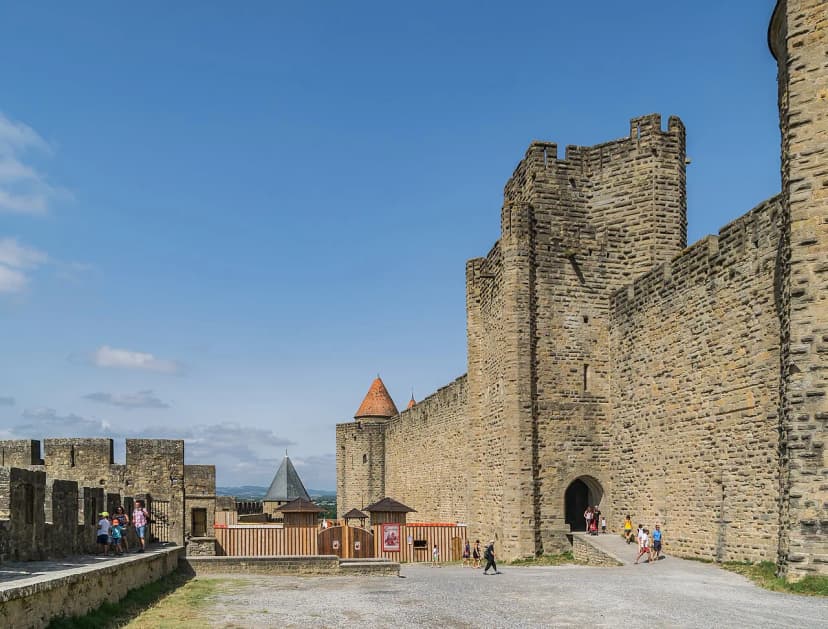
The practical risks in Carcassonne look a lot like those in any major French tourist destination: petty theft, opportunistic scams, and unattended valuables. None of these require canceling a trip, but they do reward a bit of preparation, especially around the Porte Narbonnaise, the Cité's main entrance and busiest pinch point for both visitors and pickpockets.
Summer festival crowds at the Porte Narbonnaise create prime pickpocketing conditions but keep streets reassuring after dinner. Winter reduces theft pressure as crowds thin, but poorer lighting and quieter lanes shift the main risk from distraction to disorientation.
- Pickpocketing clusters around the Porte Narbonnaise and other crowded chokepoints inside the Cité, especially midday in summer
- Distraction scams such as the 'found ring' trick or petition-signing approaches are common across high-traffic French tourist hubs, including Carcassonne
- Large tourist parking lots (P1, P2, P3) near the Cité see the occasional overnight vehicle break-in typical of unattended tourist parking; avoid leaving visible valuables in the car overnight
- Keep bags zipped and worn to the front in dense crowds, particularly near souvenir shops and viewpoints
- For a full rundown of tactics to watch for, see this tourist scams overview
Is Carcassonne Safe at Night
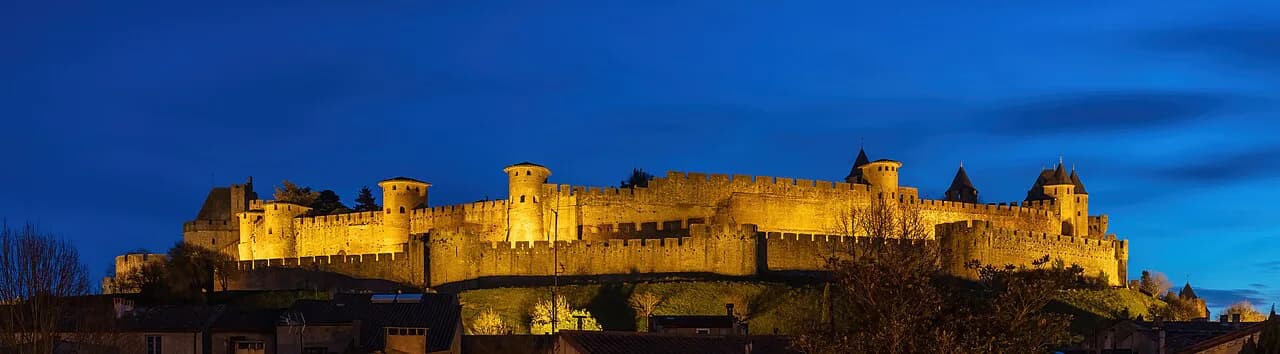
Nighttime is where Carcassonne's two-town structure matters most. The Cité empties out dramatically once day-trip buses leave and shops close, leaving its cobbled lanes atmospheric but quiet and, in the poorly lit winter months, considerably darker than in summer. The Bastide, by contrast, keeps more of its evening rhythm with restaurants and bars around Square Gambetta staying active. Crossing between the two after dinner via the Pont Vieux is a common and generally manageable route, but it trades some convenience for lower foot traffic and dimmer lighting the later it gets.
The Cité feels safest in daylight with crowds, but empties after dinner, leaving lanes quiet and poorly lit—especially in winter. The Bastide maintains evening activity and 'eyes on the street,' making post-dinner navigation more straightforward despite less thematic appeal.
- The Cité's interior lanes feel emptiest and darkest after dinner hours, more so in winter than during the long summer festival season
- The Bastide's central streets around Square Gambetta stay more active into the evening thanks to restaurants and cafés
- The Pont Vieux crossing between the two districts is walkable at night but has less foot traffic and lighting than the daytime crowds would suggest
- For a deeper look at after-dark conditions specifically, see this nighttime safety guide
Safety for Solo Travelers and Families
Solo travelers, including solo women, generally find Carcassonne comfortable, particularly within the Cité where the dense concentration of restaurants and hotels keeps streets populated well into the evening in the busier months. The social atmosphere around Square Gambetta and the main dining streets makes walking back to accommodation after dinner straightforward for most visitors, though the same seasonal and lighting caveats that apply to nighttime navigation generally apply here too. Families will find both districts manageable, with the Cité's pedestrianized layout being especially stroller- and kid-friendly during the day.
- The Cité's restaurant-dense streets keep a reassuring level of activity into the evening during peak season
- Walking back to a hotel after dinner within the Cité is generally straightforward given the concentration of other visitors
- Winter's shorter days and thinner crowds call for more deliberate route planning after dark
- For dedicated guidance on solo and independent travel, see this solo female travel safety guide
Logistics and Transport Safety
The walk from the Gare de Carcassonne to the Cité is one of the most common routes where tourists look, and are, most vulnerable, typically hauling luggage through the Bastide and across the Pont Vieux before the final climb up to the fortress gates. This stretch is manageable in daylight but is worth planning around at night or with heavy bags. Local shuttle and bus options exist for travelers who would rather not walk the full route, particularly with luggage or after an evening train arrival.
- The route from the train station to the Cité passes through the Bastide and crosses the Pont Vieux before the uphill approach to the fortress
- Traveling this route with luggage increases visible vulnerability, especially outside daylight hours
- A local navette (shuttle) and regular bus services connect the station area to the Cité for travelers preferring not to walk with bags
- Weigh a short taxi or rideshare from the station against the roughly 20-minute walk with luggage, especially on a late arrival
- For full details on shuttle and bus options, see this public transport safety guide
Emergency Information and Local Resources
Carcassonne follows standard French emergency infrastructure, and knowing the numbers before arrival is worthwhile for any destination, regardless of how safe it feels day to day. The Commissariat de Police serves the Bastide, and the Centre Hospitalier de Carcassonne handles medical needs for the wider area.
- 112: general European emergency number, works from any phone
- 17: Police
- 18: Fire and medical emergencies
- Commissariat de Police: located in the Bastide Saint-Louis
- Centre Hospitalier de Carcassonne: main hospital serving the town and surrounding area
Where to Stay: Cité vs. Bastide Trade-offs
Choosing a base in Carcassonne is as much a safety and convenience decision as a budget one. The Cité offers atmosphere and a strong sense of enclosed security by day, but its streets thin out dramatically at night, which some travelers find isolating. The Bastide keeps more everyday activity and a stronger 'eyes on the street' feel after dark, at the cost of being a working town rather than a fortress backdrop.
| Base | Daytime Feel | Nighttime Feel | Best For |
|---|---|---|---|
| The Cité | Busy, touristy, pedestrianized | Quiet, atmospheric, thinner crowds | Travelers prioritizing castle-view atmosphere |
| Bastide Saint-Louis | Everyday French town center | More active streets, standard urban rhythm | Travelers wanting livelier evenings and easier station access |
Seasonal Safety: Festival Crowds vs. Winter Evenings
Carcassonne feels safest in different ways depending on the season. During the Festival de Carcassonne and peak summer weekends, the Cité stays lively later, especially around the Porte Narbonnaise, Place Marcou, and routes toward the Théâtre Jean-Deschamps. That extra foot traffic is reassuring after dinner or a concert, but it also creates the main conditions for pickpocketing: queues, crowded terraces, street performers, and visitors pausing for photos near the gates.
In winter, the risk profile changes. Petty theft pressure is lower because crowds are thinner, but the Cité can become very quiet once restaurants close, and the walk back toward the Bastide via the Pont Vieux may feel more isolated. If staying in the lower town, plan the return route before dinner rather than improvising through dark lanes. Square Gambetta and the main Bastide streets usually feel more practical than smaller side streets, while late arrivals at the Gare de Carcassonne are better handled by taxi or shuttle if you have luggage.
For trip-planning details, see UK FCDO travel advice for France.
Explore is safe in other cities
Frequently Asked Questions
Is Carcassonne safe for solo travelers?
Yes. Solo travelers, including solo women, generally find both the Cité and the Bastide comfortable, especially in the evening hours when restaurant streets stay active. Standard precautions around unlit lanes and late-night routes between the two districts still apply.
Can you walk from the train station to the castle at night?
It is possible to walk from the Gare de Carcassonne to the Cité at night via the Bastide and the Pont Vieux, but the route sees less foot traffic and lighting after dark than during the day. Travelers with luggage or arriving late may prefer a taxi, rideshare, or the local navette shuttle instead.
Are there any no-go zones in Carcassonne?
Carcassonne does not have zones that require outright avoidance, but some streets near the train station and quieter stretches of the Bastide can feel less lively late at night. A dedicated areas-to-avoid guide breaks down the specifics street by street.
Is the water safe to drink in Carcassonne?
Yes. Tap water in Carcassonne follows standard French municipal water safety standards and is safe to drink throughout the town, including in the Cité and the Bastide.
Does Carcassonne's safety change between summer and winter?
Yes. Summer brings the Festival de Carcassonne and much larger crowds, which raises pickpocketing risk in dense areas but also keeps streets lively late into the evening. Winter is quieter overall but comes with poorer lighting and thinner foot traffic after dark, which shifts the main concern from crowds to visibility.
Stay Safe in Carcassonne
Every Carcassonne safety guide on one page — areas, scams, night rules, and getting around.
Carcassonne Safety Guides
- Carcassonne Areas to Avoid: A 2026 Safety Guide for Travelers
- Is Carcassonne Safe at Night? A Complete Safety Guide for 2026
- Carcassonne Tourist Scams: A 2026 Guide to Real Fraud vs Tourist Traps
- Is Carcassonne Safe for Solo Female Travellers?
- Carcassonne Public Transport Safety: A Practical Guide for Travelers