Is Avignon Safe in 2026? The Complete Traveler's Safety Guide
Last updated June 2026, this guide tackles the question is Avignon safe by weighing the walled city's calm, tourist-dense core against its quieter outer districts and the seasonal shift that arrives every July. Avignon's intra-muros center consistently ranks among the more relaxed historic cores in southern France, with petty theft rather than violent crime the main concern for visitors. The sections below break down where to stay, how the Festival d'Avignon changes the calculus, and the practical numbers worth saving before setting out beyond the ramparts.
The Quick Verdict: Is Avignon Safe in 2026?
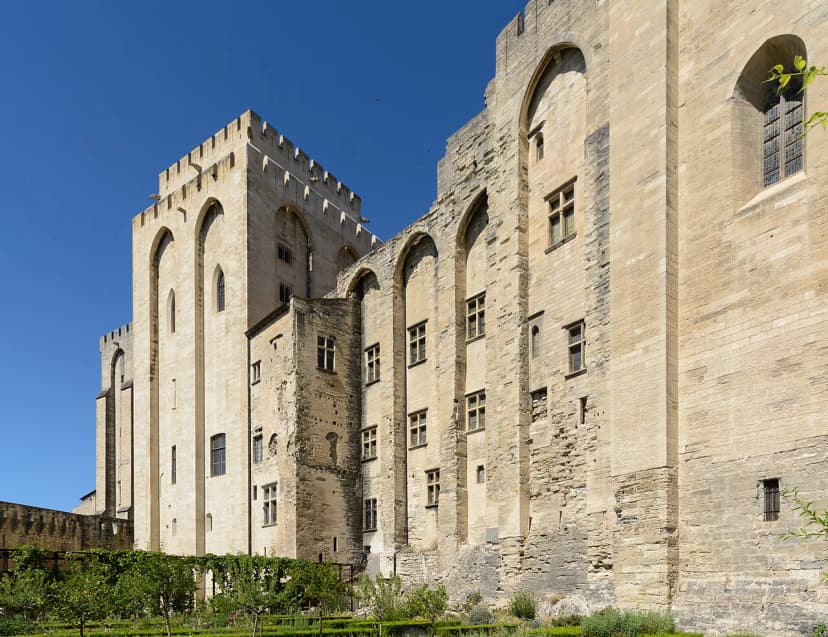
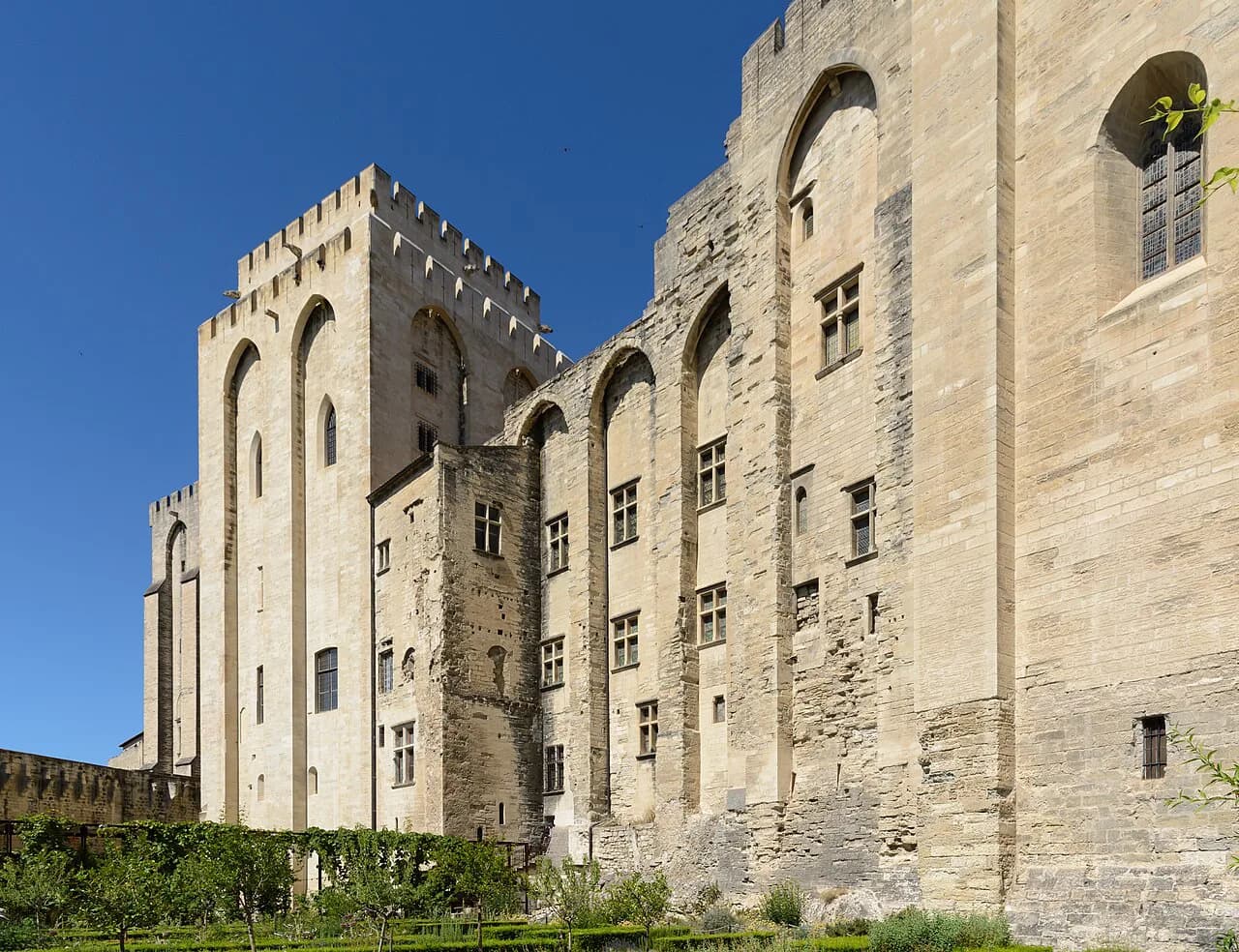
Yes — Avignon is safe for the overwhelming majority of visitors, and it is arguably one of the more forgiving cities in Provence for a first trip to southern France. The historic center sits fully enclosed by medieval ramparts, keeps a dense concentration of restaurants, shops, and pedestrian traffic well into the evening, and benefits from a steady police presence around landmarks like the Palais des Papes and Place de l'Horloge. In our editorial assessment, solo travelers, families, and nighttime walkers can all move through the walled city comfortably, provided the usual precautions against pickpocketing are in place and July's festival crowds are treated with extra awareness. The realistic exposure for most visitors is not violent crime but distraction theft in dense crowds, and, for a few weeks each summer, the opportunistic pickpocketing that spikes alongside the Festival d'Avignon.
Day and night look quite different inside the walls, though the gap is smaller than in most cities of comparable size. During daylight hours, intra-muros functions almost like an open-air pedestrian zone, with market stalls, café terraces, and steady foot traffic from breakfast through the evening meal. After dark, the main squares and restaurant streets stay lively, but the balance shifts on the residential lanes tucked closer to the ramparts, where fewer businesses stay open and streets empty out earlier. None of this amounts to danger so much as a reminder to stick to the busier routes once the sun goes down, particularly outside festival season when the crowds thin considerably.
- Solo travelers: intra-muros is comfortable by day and early evening with normal city precautions
- Families: pedestrian squares and a compact layout make the old town easy to navigate with children
- Nighttime: well-lit and populated on the central streets and squares; quieter lanes near the ramparts deserve more attention
- Festival season (July): safe but significantly more crowded — pickpocketing risk rises with the crowds

Avignon's Geography: Intra-Muros vs Extra-Muros
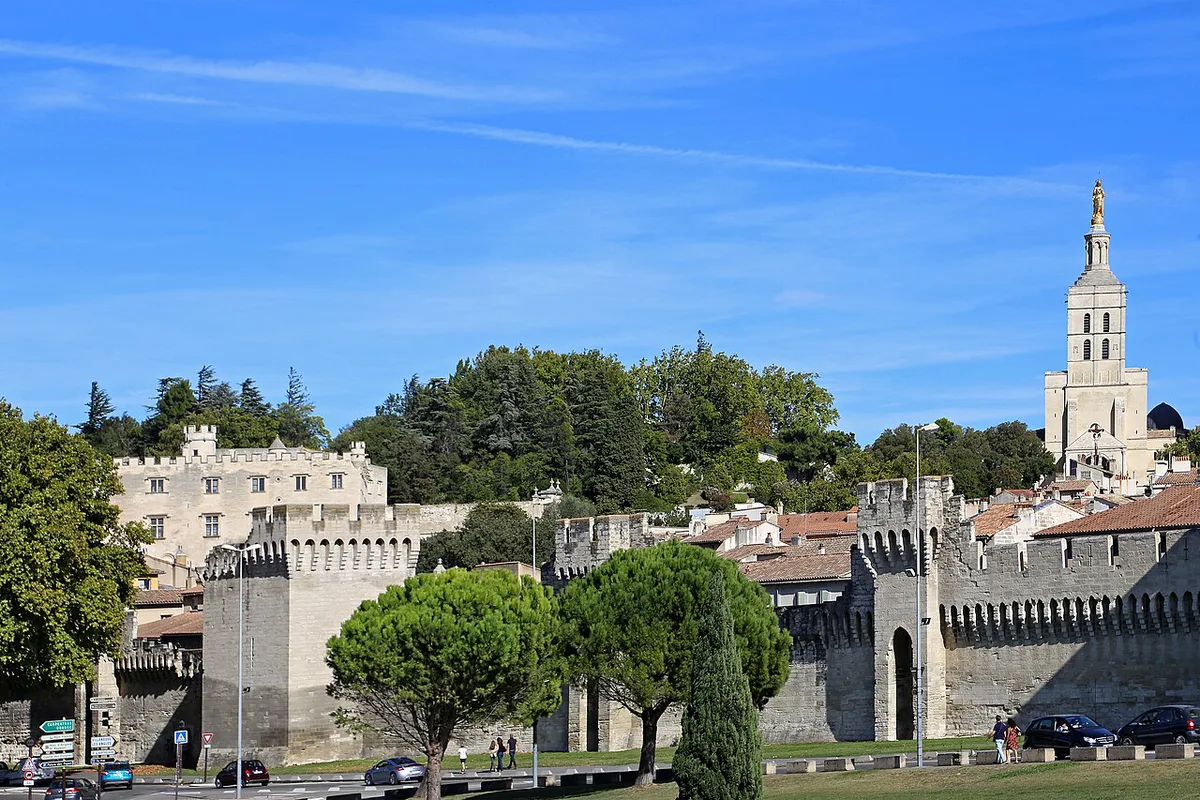
Understanding Avignon's safety profile starts with its geography, and the split between intra-muros and extra-muros explains most of the nuance that generic safety answers miss. The intra-muros — the historic center enclosed by the medieval ramparts — is compact enough to explore fully on foot and holds the highest concentration of hotels, restaurants, and monuments, including the Palais des Papes. This density is precisely why it feels so safe: streets rarely empty out, tourist-facing businesses stay open late, and there is almost always another group of visitors or a shopkeeper nearby to notice if something is wrong.
Festival season drives accommodations outside the ramparts while pickpocketing risk peaks, and Avignon TGV sits equally far from the old town—requiring shuttle or taxi rather than walking unfamiliar routes late at night exactly when crowds most target distracted visitors.
Extra-muros, the area outside the walls, is overwhelmingly residential and safe for everyday activities like grocery runs, commuting, or visiting a suburban restaurant. It simply lacks the constant foot traffic of the old town, which changes the calculus after dark. Certain northern and eastern outskirts call for a bit more caution during evening hours, not because they are inherently dangerous but because they are quieter, less monitored by tourist-facing businesses, and see a higher incidence of issues like vehicle break-ins rather than anything more serious. Travelers deciding where to base themselves for a stay, or trying to work out which specific streets or districts to skip altogether when booking accommodation outside the ramparts, should read the dedicated breakdown of neighborhoods worth avoiding, which maps the transition zones in more detail than a single overview section can.
For a simple decision framework: staying inside the ramparts removes almost all of the guesswork, staying just outside them is fine with a short walk in mind, and only the specific outer districts flagged in that dedicated guide require real caution. This framework holds regardless of season, though the practical stakes are higher during the Festival d'Avignon, when accommodation inside the walls sells out early and more visitors end up weighing extra-muros options by necessity.
- Stay: intra-muros streets near Place de l'Horloge, the Palais des Papes, and the main pedestrian axis — busy, walkable, and well-served by restaurants late into the evening
- Consider carefully: extra-muros options directly bordering the ramparts, which trade a short walk for a quieter street at night
- Avoid without local knowledge: the northern and eastern outskirts flagged for a higher incidence of vehicle break-ins, especially for late-night arrivals on foot
Common Crimes and Tourist Scams in Avignon
The realistic crime concern in Avignon is property crime, not violent crime, and it clusters tightly around the busiest tourist spaces rather than spreading evenly across the city. Place de l'Horloge and the approach to the Palais des Papes are the two spots where pickpocketing gets reported most often, largely because both draw dense, distracted crowds of visitors photographing the architecture, queuing for tickets, or seated at outdoor cafés with bags hung on chair backs. Standard precautions apply: keep bags zipped and worn in front in crowds, avoid setting a phone down on a café table, and treat any unexpected physical contact or sudden distraction as a cue to check personal belongings immediately.
Avignon's petty theft concentrates at specific monuments—Place de l'Horloge and the Palais des Papes—rather than permeating the city; most extra-muros and residential neighborhoods are overwhelmingly safe for everyday activities, making Avignon genuinely safer than broad southern France warnings imply.
The dynamic intensifies sharply during the Festival d'Avignon each July, when street performers, ticket queues, and packed evening crowds create ideal cover for opportunistic theft. This is the single biggest seasonal shift in Avignon's safety picture: the city does not become more dangerous in a violent-crime sense, but the sheer density of distracted, camera-in-hand visitors makes it a better hunting ground for pickpockets, and reported petty theft rises accordingly.
Beyond simple pickpocketing, Avignon sees the same handful of tourist-targeted scams found across southern France. The "found ring" trick has a stranger pick up a ring near a visitor's feet and pressure a payment for supposedly finding it. Petition scams involve a clipboard and a distracting signature request while an accomplice works a bag or pocket. Unofficial "guides" occasionally offer unsolicited tours of the Palais des Papes or the ramparts for a cash fee, with no affiliation to the official monument. None of these are dangerous, but all are designed to separate a distracted visitor from cash or valuables through misdirection rather than force. A closer look at these common scam tactics, including exactly how to decline politely and keep moving, is worth reading before a first visit to the city.
None of this behavior is unique to Avignon — the same scams appear at major sites across France — but the concentration of visitors around a single walled core means the odds of encountering one are slightly higher here than in a sprawling city where tourist traffic disperses across many neighborhoods. Staying alert around ticket lines for the Palais des Papes and declining unsolicited offers of help, a ring, or a free tour firmly and immediately resolves the vast majority of these encounters without further hassle.
Getting Around Safely: Avignon TGV Station and Public Transport
Logistics cause more traveler anxiety than actual danger in Avignon, and the split between the two train stations is the most common source of confusion for first-time visitors. Avignon TGV, the high-speed rail station, sits outside the historic core, while Avignon Centre station is the one positioned beside the ramparts within walking distance of the old town. A shuttle (Navette) service links the two for travelers arriving on high-speed lines who need to reach the walled city, and it is the simplest way to bridge the gap without needing to judge an unfamiliar route on arrival. Both stations and the connecting shuttle operate under normal French rail security standards, and SNCF maintains a visible staff presence at Avignon TGV given its role as a regional high-speed hub.
Within the city itself, the Orizo network runs the local bus routes, and buses remain a safe, low-hassle way to reach extra-muros neighborhoods, the hospital, or outlying attractions without needing a car. As with public transport anywhere, the main precaution is situational awareness rather than fear: keep bags in front during crowded peak boarding times, avoid displaying phones or wallets openly while seated near the doors, and know the stop before boarding rather than looking lost with a map out. For visitors arriving late at night or carrying luggage, a taxi from either station is a reasonable substitute for the shuttle or bus, and the modest extra cost buys a direct door-to-door trip instead of navigating an unfamiliar route on foot. Anyone weighing the shuttle against a taxi, or wondering what precautions matter on the Orizo buses specifically, should check the full guide to getting around by bus before mapping out arrival logistics for a stay.
| Transport Method | Primary Use | Best For | Safety Note |
|---|---|---|---|
| Navette shuttle | Connects Avignon TGV to historic center | Travelers with luggage, those preferring not to walk unfamiliar routes | Operates under normal French rail security standards |
| Orizo buses | Local routes, extra-muros neighborhoods, hospital | Day trips and longer stays beyond the ramparts | Safe with standard precautions; keep bags in front during peak boarding |
| Taxi | Door-to-door service anywhere in city | Late-night arrivals, heavy luggage, solo travelers | Most direct option after dark; modest extra cost buys peace of mind |
- Navette shuttle: connects Avignon TGV to the historic center for travelers who prefer not to walk an unfamiliar route with luggage
- Orizo buses: cover extra-muros neighborhoods and the hospital, useful for longer stays or day trips beyond the ramparts
- Taxi: the most direct option late at night or with heavy luggage, worth the modest extra cost over walking
Avignon After Dark and Solo Female Travel Safety
Avignon after dark is a genuinely different city depending on which streets are involved, and the distinction matters more than a blanket safe-or-unsafe label. The central squares, the main pedestrian axis leading to the Palais des Papes, and the restaurant-heavy lanes near Place de l'Horloge stay well-lit and populated late into the evening, especially in the warmer months and throughout the Festival d'Avignon, when performances and crowds routinely stretch past midnight. Quieter residential lanes closer to the ramparts, along with the areas immediately outside the walls, thin out much earlier and warrant more attention, particularly for anyone walking alone back to accommodation. For a street-by-street sense of what stays lively versus what empties out well before midnight, the dedicated guide to walking Avignon after dark covers the distinction in more detail than a single overview section allows.
Solo female travelers generally report a comfortable experience in Avignon. Street harassment is a lower-level concern compared to larger French cities, and the compact, walkable core means help or a populated café is rarely more than a few minutes away, even late in the evening during festival season. Standard precautions still apply: share an itinerary with someone before heading out for the evening, avoid the quietest rampart-adjacent streets late at night, and take a taxi rather than walking back to accommodation outside the walls after dark, particularly after a late dinner or an evening festival performance. A fuller breakdown built specifically for solo female travelers, including guidance on nightlife settings, restaurant etiquette, and accommodation choices within the ramparts, is available as a standalone resource for anyone planning a solo trip.
Practical Safety Checklist for Avignon
A short list of practical numbers and contacts covers most of what a visitor needs before exploring beyond the ramparts. The European-wide emergency number 112 works throughout France and connects to police, fire, or medical dispatch, making it the simplest single number to remember in any emergency. For more targeted needs, 17 reaches the police directly, and 15 reaches emergency medical services (SAMU); saving both alongside 112 before a trip removes any hesitation about which number applies to a given situation. For a serious injury or illness during a stay, Centre Hospitalier Henri Duffaut is Avignon's main hospital and the standard point of reference for visitors and residents alike.
The Police Municipale maintains a visible presence around the historic center, particularly near the Palais des Papes and the main pedestrian streets, which contributes directly to intra-muros feeling as calm and monitored as it does throughout the day and into the evening. On the data side, the Ministère de l'Intérieur tracks regional crime trends for the Vaucluse department, and Provence as a whole is not flagged for elevated violent crime; the practical risk for travelers stays concentrated in petty theft around tourist-dense areas rather than anything more serious. One trade-off worth planning for before an evening out: walking alone from the old town to accommodation outside the ramparts late at night is far less appealing than the modest added cost of a taxi, and budgeting for that ride on festival nights or after late dinners is a small price for genuine peace of mind.
For lost or stolen documents beyond a passport, the same police-report-first sequence applies: file with the Police Municipale or national police before contacting a bank, insurer, or embassy, since most replacement and reimbursement processes require that report as proof. Keeping a photo of key documents and a note of the nearest pharmacy or hospital saved offline covers the remaining practical gaps for a short stay.
- 112 — general European emergency number covering police, fire, and medical dispatch
- 17 — direct line to the police
- 15 — SAMU emergency medical services
- Centre Hospitalier Henri Duffaut — Avignon's main hospital
- Police Municipale — visible presence around the historic center and the Palais des Papes
What to Do if Your Passport Is Stolen in Avignon
If a passport is stolen in Avignon, treat the police report as the first practical step. Go to the nearest police station or ask the Police Municipale in the historic center to direct you to the correct commissariat; you will need a formal theft declaration before most consulates, insurers, or airlines will help with replacement documents. Keep the report number and request a paper or digital copy before leaving.
For administrative guidance, the main local government office is the Préfecture de Vaucluse in Avignon, while emergency travel documents are handled by your own embassy or consulate, not by the city. U.S., U.K., Canadian, Australian, and other non-EU travelers should contact their embassy in Paris after filing the report. If cards or a phone were taken too, cancel them immediately and use a hotel front desk, tourist office, or trusted café Wi-Fi to make calls rather than continuing to search the city with no ID or payment method.
For trip-planning details, see UK FCDO travel advice for France.
Explore is safe in other cities
Frequently Asked Questions
Is Avignon safe for solo female travelers?
Yes. Avignon is generally comfortable for solo female travelers, with street harassment considered a lower-level concern than in larger French cities and a compact, walkable old town where help is rarely far away. The main precautions are the same ones that apply anywhere: stick to the well-lit central streets after dark, share an itinerary with someone, and take a taxi back to accommodation outside the ramparts late at night rather than walking an unfamiliar route alone.
Can you drink the tap water in Avignon?
Yes, tap water in Avignon is safe to drink, as it is throughout mainland France, so there is no need to rely on bottled water for hydration during a visit. Refilling a bottle from the tap is a perfectly normal and cost-free option at hotels, restaurants, and public fountains around the old town.
Is it safe to walk from the train station to the city center at night?
Avignon Centre station sits close to the ramparts and is generally fine to walk from during busy evening hours, but Avignon TGV is farther from the old town and better reached by the connecting Navette shuttle or a taxi after dark rather than on foot, especially for solo travelers unfamiliar with the route. During the Festival d'Avignon, when evening trains run later and crowds are heavier, the shuttle or a taxi is the more comfortable choice regardless of experience level.
What are the safest neighborhoods to stay in for families?
Families generally do best staying intra-muros, inside the ramparts, where the density of restaurants, shops, and pedestrian traffic makes navigation simple and keeps the area busy well into the evening. Extra-muros options can work too and are often better value, but it is worth checking which specific outskirts are best avoided before booking, since not all outer districts offer the same level of evening foot traffic.
How do I report a stolen passport in Avignon?
A stolen passport should be reported to the Police Municipale or national police by dialing 17 to file a police report, which is typically required before contacting the relevant embassy or consulate for a replacement or emergency travel document. The prefecture handles related residency and longer-stay travel document processes, but the embassy or consulate is the first call for anyone needing to travel again soon.
Stay Safe in Avignon
Every Avignon safety guide on one page — areas, scams, night rules, and getting around.
Avignon Safety Guides
- Avignon Areas to Avoid: Neighborhood Safety & Logistics Guide
- Is Avignon Safe at Night? A 2026 Guide to Intra-Muros vs the Outskirts
- Avignon Tourist Scams: Common Frauds and How to Avoid Them
- Is Avignon Safe for Solo Female Travellers? A 2026 Safety Guide
- Avignon Public Transport Safety: The 2026 Guide to Buses, Trams, and the Two-Station Trap