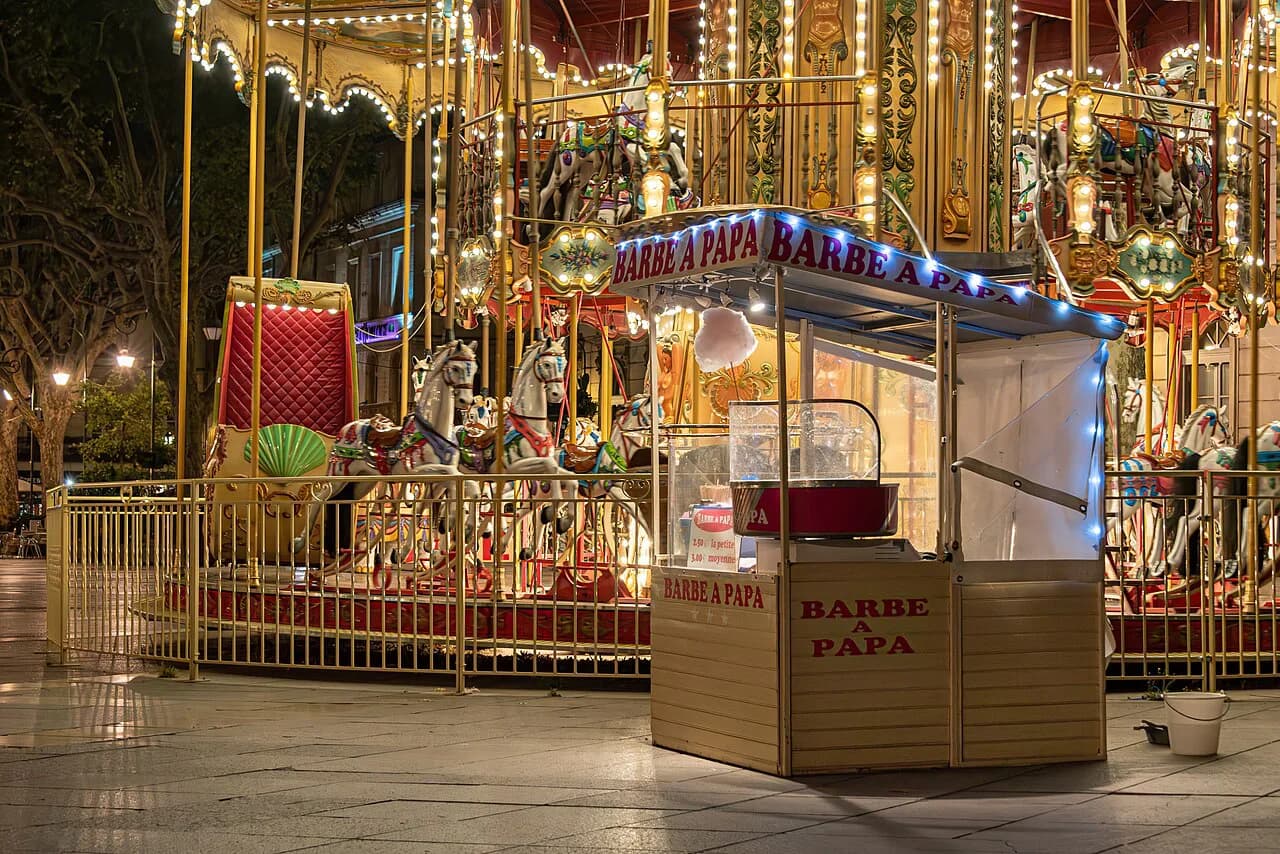
Is Avignon Safe at Night?
Last updated June 2026, Avignon remains one of Provence's more walkable cities after sunset, and the short answer to is Avignon safe at night is yes for the ramparts-enclosed old town, with more judgment calls once you cross Boulevard Saint-Roch or linger near the station forecourt. The historic core's dense café terraces, the bar cluster around Place Pie, and floodlit monuments keep foot traffic steady into the small hours, while quieter residential fringes and the festival season's crowd surges each carry a different set of precautions. This guide breaks down where Avignon feels relaxed after dark, where to stay more alert, and how to get back to accommodation safely on a quiet February evening or during a 2am street-theatre night in July.
Is Avignon Safe at Night? The Direct Answer
For most visitors, the direct verdict is yes, with a caveat: safety in Avignon at night depends heavily on which side of the ramparts you're standing on. Intra-muros, the historic walled center, is compact, well-lit around its main squares, and busy with restaurant-goers, festival crowds, or evening strollers well past 10pm even outside peak season. Extra-muros areas, especially near the ring road and the industrial edges of town, thin out fast once shops close, and that drop in foot traffic is where a comfortable evening can start to feel less certain. The table below reflects an editorial assessment of relative comfort levels by area rather than any official crime index, and it's a useful starting point before reading the fuller breakdown in the companion guide to whether Avignon safety overview.
| Area | Nighttime Comfort Level (Editorial Assessment) | Why |
|---|---|---|
| Place de l'Horloge & Rue de la République | High | Widest, best-lit streets in the old town with restaurants open late |
| Place Pie & Rue des Teinturiers bar cluster | High to Moderate | Lively and busy on the main strip; side alleys dim off the crowd |
| Around Gare d'Avignon Centre after last trains | Moderate | Quieter forecourt once evening arrivals thin out |
| Boulevard Saint-Roch & extra-muros outskirts | Lower | Residential and industrial stretches with sparse pedestrian traffic |
The Geography of Nighttime Safety: Intra-Muros vs Extra-Muros
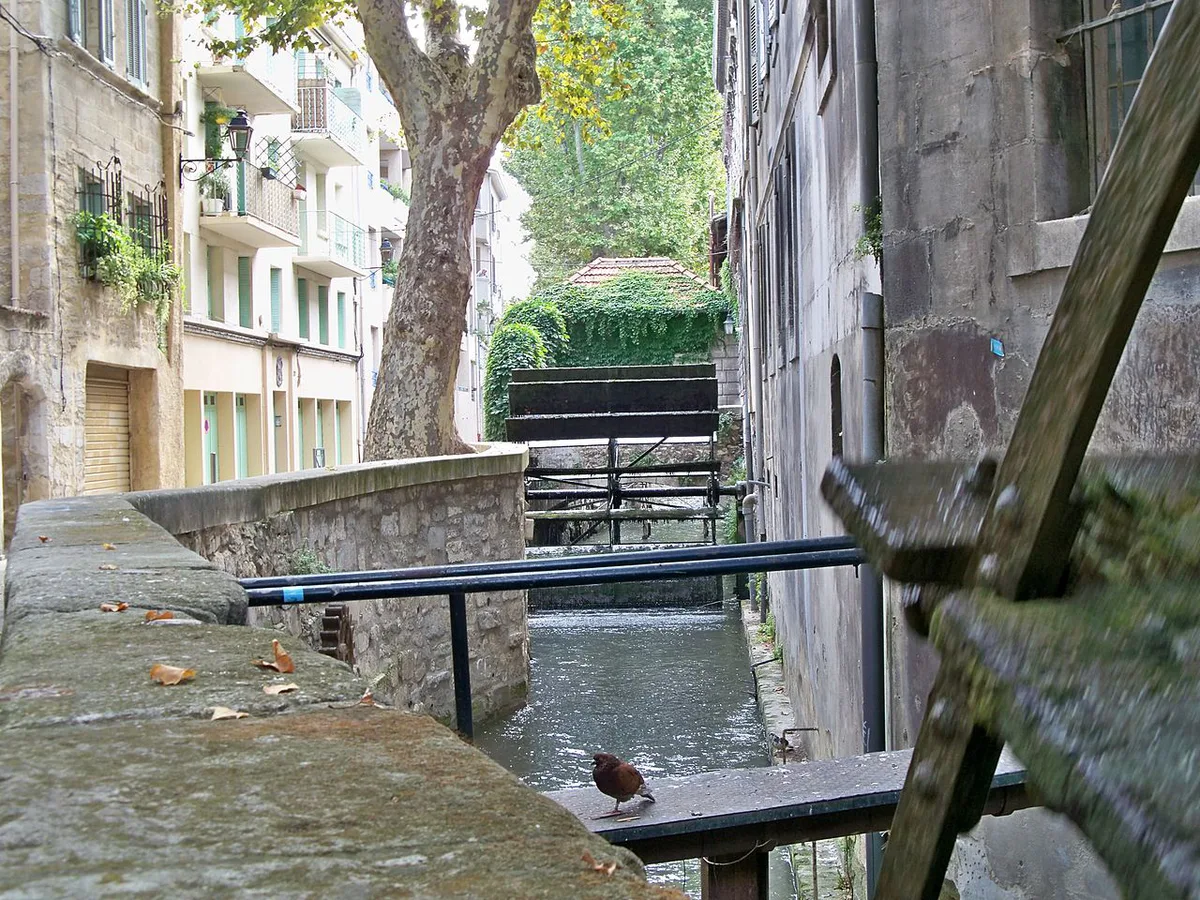
Avignon's ramparts aren't just a photogenic backdrop, they're the single biggest factor in how safe an evening in the city feels. Intra-muros, streets like Rue de la République and the wide expanse of Place de l'Horloge stay animated after dinner, ringed by restaurant terraces, ice-cream counters, and enough passing foot traffic that walking alone rarely feels isolating. Nearby, Place Pie's bar cluster and Rue des Teinturiers keep the same relaxed energy into the later hours, with the running water channel and string-lit terraces along Teinturiers giving that stretch a distinctly sociable, unhurried feel even as the night wears on, though the quieter side alleys just off the main strip go dark and empty much faster than the strip itself. Extra-muros, the picture shifts: the ring road around Boulevard Saint-Roch separates the tourist core from more residential and light-industrial neighborhoods where street lighting is sparser and there's simply less human traffic to rely on after dark, and the immediate outskirts of the main train station, Gare d'Avignon Centre, go quiet fast once the evening arrivals have cleared through the forecourt. None of this makes those areas dangerous in a dramatic sense, but they warrant the kind of general urban awareness travelers already use in any European city at night. For a more granular, street-by-street read on which pockets deserve that extra caution, the dedicated guide to areas to avoid in Avignon goes deeper than this overview can.
Check where the accommodation sits before choosing a walking route. Hotels inside the walls on main streets remain visible and busy; routes crossing the ramparts onto Boulevard Saint-Roch or toward quieter neighborhoods require calling a taxi instead.
Getting Around After Dark: Walking, Buses, and Taxis
How you move around Avignon at night matters as much as where you're staying. Walking intra-muros is the default for most visitors, and sticking to the main thoroughfares, Rue de la République, Rue des Teinturiers' lit stretch, and the streets radiating from Place de l'Horloge, keeps you within sight of other people almost the whole way. In the quieter winter months, some of the narrower medieval side streets can empty out surprisingly early, an effect worth planning around if a hotel sits down one of the smaller lanes rather than a main axis. Public buses and the local tram-adjacent network run on reduced evening schedules, meaning waits stretch out and stops can feel isolated late at night, so treat a bus timetable as a bonus rather than a guaranteed late-night lifeline; the fuller comparison of daytime versus after-dark reliability is covered in the guide to public transport safety. Taxis are not as thick on the ground as in a city the size of Paris, and they're rarely hailed successfully from a random street corner after midnight, so calling ahead or heading to a known rank, such as outside the train station or near Place de l'Horloge, is the more reliable approach. The city's Vélopop bike-share stations offer a middle option for short intra-muros hops when the walk feels a little long and a taxi feels like overkill, though cycling the darker extra-muros stretches carries the same lighting caveats as walking them.
- Walking: stay on main lit thoroughfares; expect narrower side streets to empty out earlier in winter
- Buses: reduced frequency after dark, so treat schedules as a bonus rather than a guaranteed option
- Taxis: sparser than in major cities; call ahead or use a known rank rather than hailing on the street
- Vélopop bike-share: a reasonable short-hop option intra-muros, less ideal on darker extra-muros roads
Solo Female Travelers and the After-Dark Vibe Shift
Solo female travelers generally report Avignon as manageable after dark, with the caveat that the city's mood changes noticeably once the day-trip crowds clear out, typically after 10pm. Catcalling and street harassment are low-frequency but not absent, and they tend to concentrate in the quieter, less-populated stretches rather than the busy squares, which is one more reason the well-lit core around Place de l'Horloge and the Rue des Teinturiers bar strip tend to feel more comfortable than a dim side lane extra-muros. The practical takeaway is less about avoiding Avignon after dark altogether and more about matching the route to the crowd level, sticking to streets that still have restaurant terraces or foot traffic rather than cutting through empty backstreets to save a few minutes. A dedicated breakdown of route planning, accommodation location, and specific precautions lives in the guide to solo female travel safety, which is worth reading alongside this overview before finalizing where to stay.
Common Nighttime Risks: Pickpockets and Dim Backstreets
The realistic nighttime risk profile in Avignon is dominated by common urban petty theft rather than anything more serious, consistent with the pattern seen across France's regional cities. Pickpocketing is the primary concern, and it clusters where crowds cluster, dense evening queues, packed bar terraces around Place Pie, and any spot where attention is split between a phone, a drink, and a conversation. Bags with secure closures, front pockets for phones and cards, and a general habit of not leaving valuables on a café table are the same low-effort precautions that work in any dense European tourist center. Away from the crowds, the atmospheric risk shifts from theft to simple visibility, the winding backstreets that branch off the main Quartier des Teinturiers strip can be dim enough that footing and orientation both take more attention, even though the strip itself stays lively and comfortable. For the specific scam patterns to watch for, from distraction techniques to overpriced late-night vendors, the guide to common tourist scams pairs well with the broader context in Avignon safety overview.
Pickpockets cluster where crowds gather, but crowds also provide safety-in-numbers. During Festival d'Avignon with crowds until 2am, the same packed squares that feel secure attract deliberate theft. Bag security and phone placement matter as much as the comfort of numbers.
The Festival d'Avignon: Nighttime Safety in July's Crowds
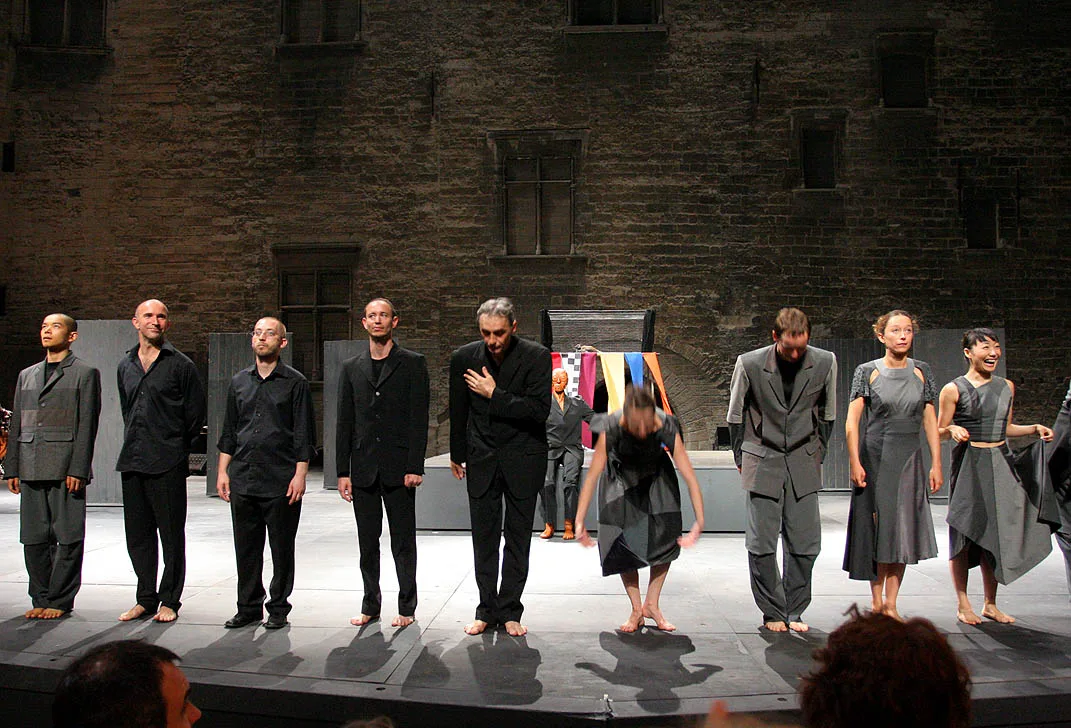
The Festival d'Avignon in July changes Avignon's after-dark character more than any other single factor on the calendar. Streets that are quiet by 10pm in the off-season instead fill with street theatre, performers, and audiences until close to 2am, and the sheer density of people intra-muros brings a genuine safety-in-numbers effect, it's rare to walk any central street alone during the festival because so many other people are doing the same thing at the same hour. That density cuts both ways, though: the flip side of a packed Place de l'Horloge or a queued-up performance courtyard is that pickpockets work those same crowds deliberately, since a distracted, jostling audience is exactly the cover petty theft needs. The practical adjustment for festival nights isn't to avoid the crowds, it's to treat a packed square the way you would a packed subway car, bag zipped and in front, phone in a secure pocket, and slightly more attention paid during the shuffle in and out of a show than during the show itself.
Emergency Numbers and Practical Nighttime Prep
A short list of practical steps covers most of what's needed for a safer night out in Avignon in 2026. The pan-European emergency number 112 works for any urgent situation, and 17 connects directly to police in France if the situation specifically calls for law enforcement rather than medical or fire response. The Hôtel de Police serves as the city's main police station for reporting theft or other incidents, and it's worth keeping the address saved on a phone before heading out rather than searching for it after an incident. A few low-effort habits round out the prep: keep a digital copy of a passport or ID stored separately from the physical document, let a hotel know if a return time will be very late so staff aren't caught off guard by a late check-in, and default to a known taxi rank or a called car rather than an unplanned walk home from an unfamiliar extra-muros address.
- General emergency (EU-wide): 112
- Police direct line: 17
- Main police station: Hôtel de Police (save the address before heading out)
- Keep a digital copy of your passport separate from the physical document
- Notify accommodation staff if you expect a very late return
Should You Walk Back to Your Accommodation or Take a Taxi?
Use your hotel address as the deciding factor, not just the distance on the map. If you are staying intra-muros near Place de l'Horloge, Rue de la République, Rue Joseph Vernet, Place Pie, or the main lit stretch of Rue des Teinturiers, walking back after dinner is usually the simplest option because routes stay central and visible. The decision changes when the route crosses the ramparts onto Boulevard Saint-Roch, Boulevard Raspail, Boulevard Limbert, or toward quieter areas such as Monclar, Courtine, or hotels near Avignon TGV.
- Walk if the whole route stays inside the walls on main streets; call a taxi if the route includes empty ring-road stretches, station edges after the last trains, or an unfamiliar extra-muros address.
Before going out, check the walking route in daylight or save it offline. A ten-minute walk can feel very different if it leaves the historic center through a quiet gate after midnight.
Frequently Asked Questions
Is it safe to walk from Avignon Centre station to the city center at night?
Yes for most of it, the walk from Gare d'Avignon Centre into the intra-muros core is short and leads directly toward the well-lit main gate and Place de l'Horloge. The main point of added awareness is the station forecourt itself late at night, which quiets down once the last arrivals clear through; once inside the ramparts, foot traffic and lighting both improve quickly.
Are taxis available late at night in Avignon?
They exist but aren't as easy to hail on the street as in a larger city like Paris. The more reliable approach is calling ahead or heading to a known rank, such as outside the train station or near Place de l'Horloge, rather than expecting to flag one down from a random corner after midnight.
Is the Pont d'Avignon area safe at night?
The Pont Saint-Bénézet (Pont d'Avignon) sits right at the edge of the intra-muros core near well-trafficked riverside paths and the ramparts, so the immediate approach benefits from the same lighting and foot traffic as the rest of the historic center. As with any riverside or perimeter area, it's worth checking that a specific route stays on a main path rather than cutting through a quieter side street.
Can I walk alone as a woman at 2 AM?
It depends heavily on the route and the season. Inside the ramparts on a main street, especially during the Festival d'Avignon when crowds run late, walking alone at 2am is common and generally comfortable; in the quieter winter months or on an emptier extra-muros stretch, the same hour calls for more caution, a known route, and ideally a called taxi rather than an unplanned walk.
Does the Festival d'Avignon in July make nights less safe?
Not in a straightforward way, the festival brings a safety-in-numbers effect from the sheer volume of people out until close to 2am, but that same density is exactly what pickpockets look for in packed squares and queues. The practical response is standard crowd awareness, bag secured and phone in a front pocket, rather than avoiding the festival's nighttime energy altogether.


