Is Genoa Safe? A Complete 2026 Safety Guide for Travelers
Last updated June 2026, this guide tackles the question nearly every first-time visitor types into a search bar before booking: is Genoa safe? The short answer is yes — Italy's largest surviving medieval old town rewards travelers who stay alert and orient themselves by a handful of reliable streets, even though its caruggi can shift from lively to nearly empty within a single block. Below, you'll find a neighborhood-by-neighborhood breakdown of exactly where that shift happens, what it looks like, and how to plan around it so caution doesn't turn into unnecessary anxiety.
The Quick Answer: Is Genoa Safe in 2026?
Yes — Genoa is safe for tourists in 2026, but it demands a bit more urban awareness than postcard-perfect cities like Florence or Venice. Home to more than 600,000 residents, Genoa is one of Italy's largest cities, and like Milan or Rome it contains a mix of polished, heavily trafficked districts alongside quieter, rougher-edged pockets that can look intimidating to someone unfamiliar with them. What trips up most first-time visitors isn't genuine danger so much as aesthetic grittiness: peeling facades, dim stone archways, graffiti, and a working port city's industrial edge that reads as edgy rather than dangerous once you've walked a few blocks. The distinction worth holding onto throughout this guide is that Genoa's caruggi — the dense tangle of medieval alleys that make up Europe's largest intact medieval old town — genuinely change character from street to street and hour to hour. A lane that feels lively and photogenic at midday can feel isolated and poorly lit after 9 or 10pm, and a parallel lane one block over might stay busy the entire evening. That's why a single verdict of safe or unsafe for the whole city center misses the point: your real safety question in Genoa is almost always which street, and what time, not which city. Compared with Milan or Rome, Genoa doesn't carry a distinct reputation among Italians as an unusually dangerous city — locally, it reads as a normal, functioning big city with the same broad trade-offs as any other major Italian center. If you want data alongside this qualitative guide, indices such as Numbeo and Italy's national statistics body, ISTAT, are the standard reference points travelers use to compare cities, though this guide intentionally sticks to street-level, qualitative advice rather than citing figures that shift over time. Treat sweeping online claims that Genoa is unusually dangerous with the same skepticism you'd apply to similar claims about any other large port city: often true of specific pockets, overstated as a citywide verdict.
Neighborhood Safety Breakdown: Caruggi, Safe Streets, and Where to Be Careful
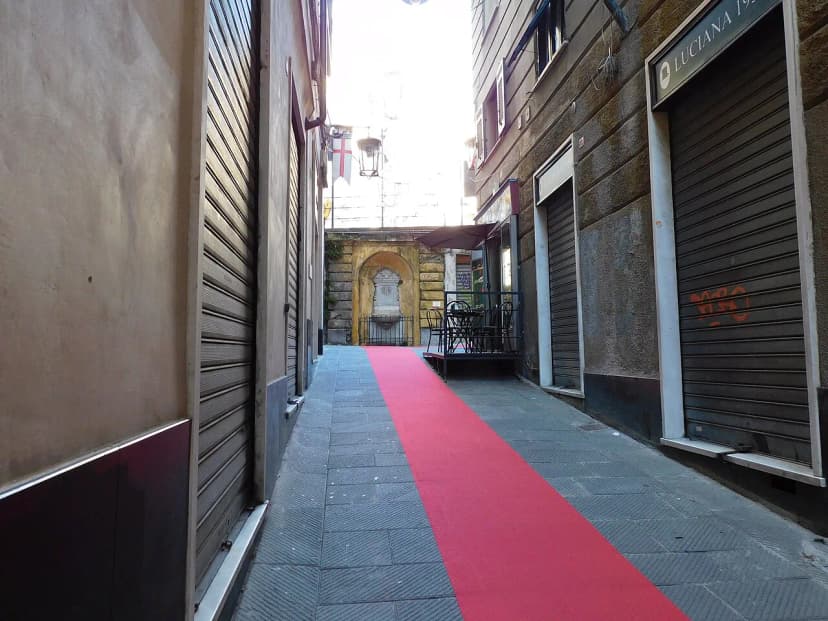
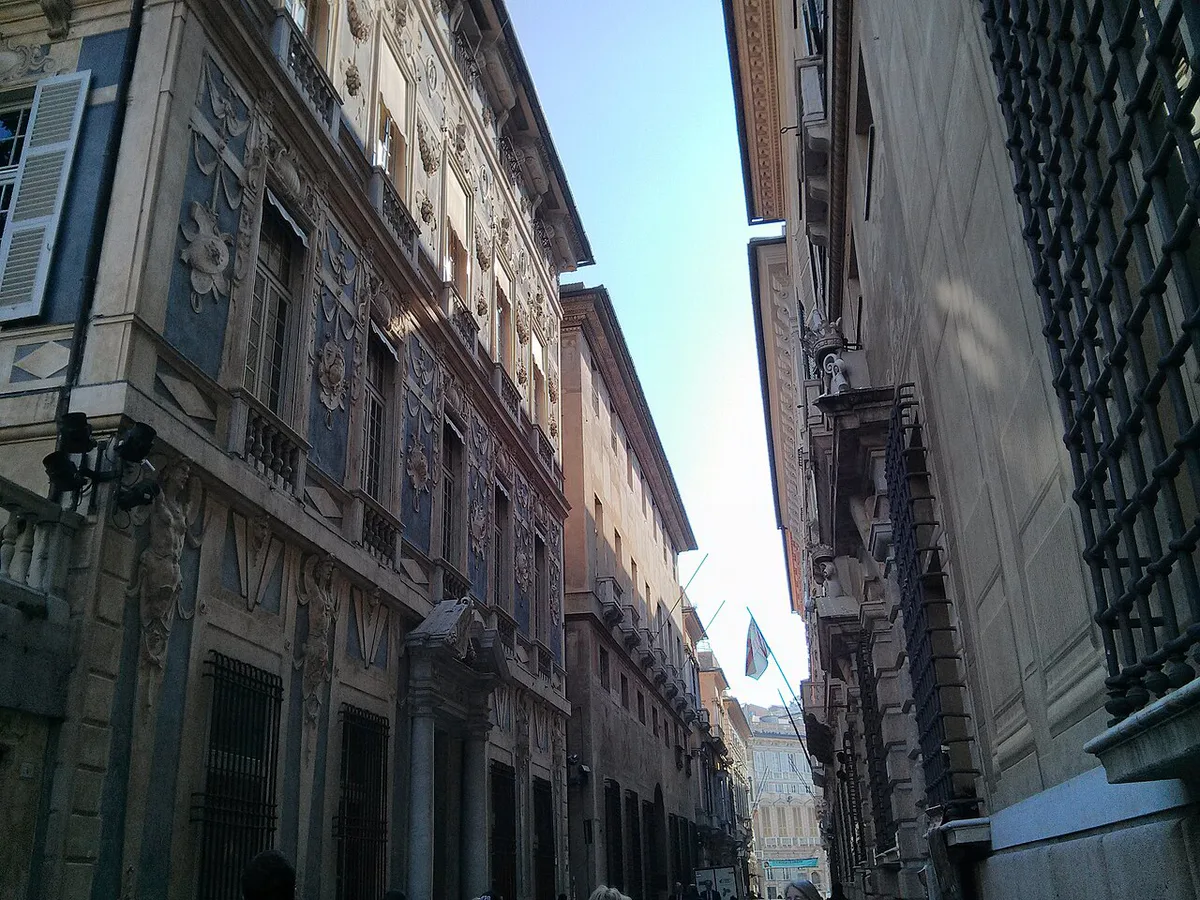
Nearly every safety question about Genoa traces back to the Centro Storico, the historic old town, and specifically to its caruggi — narrow, sometimes centuries-old lanes where a shop-lined, well-lit street can dead-end into a near-empty vico within a few dozen meters. Ten streets and piazzas function as reliable, consistently busy anchors both day and night: Via Luccoli, Via San Lorenzo, Via Garibaldi, Via degli Orefici, Via di Scurreria, Via dei Giustiniani, Piazza Lavagna, Piazza delle Erbe, Piazza Campetto, and Piazza delle Vigne, plus the broader Via XX Settembre just beyond the old town's edge. These sit largely on the perimeter of the caruggi and stay populated well into the evening, which is exactly why they're worth defaulting to whenever you're unsure where you are. Walking the caruggi during the day feels almost like an open-air museum: laundry strung between buildings, small delis and bakeries with doors propped open, and a steady flow of locals running errands alongside tourists photographing the medieval architecture. That same lane after 9 or 10pm, once the shops have shuttered their metal grates, can empty out almost entirely — not because anything dangerous is happening, but because there's simply no reason for anyone to be there. That absence of activity, more than any specific threat, is what makes an unfamiliar vico feel unsettling at night, and it's the main visual cue worth learning to read: shuttered storefronts, no lighting beyond what spills from a distant piazza, and no other pedestrians in sight are the signal to turn back toward one of the anchor streets rather than continue forward. The streets that call for real caution are Via Prè, Via del Campo, and Via della Maddalena, historically associated with sex work and drug dealing and still worth extra alertness today, particularly after dark. During the day these are functioning, populated thoroughfares — locals shop and commute through them without incident, and their crumbling, atmospheric architecture makes them genuinely worth a daytime walk-through — but the narrow, unlit vicoli branching directly off them are a different story at any hour, and entering those side alleys is where most reported discomfort actually happens rather than on the named streets themselves. For a full block-by-block breakdown of exactly which lanes to skip and which to prioritize, see this guide to areas to avoid in Genoa. Outside the old town entirely, Begato is the residential suburb most often flagged as Genoa's least safe district. It's a low-income housing area well outside the historic center with no attractions, restaurants, or hotels, so unless you go out of your way to visit it, you're unlikely to pass through it on a typical Genoa itinerary at all.
| Neighborhood | Day Safety | Night Safety | Vibe |
|---|---|---|---|
| Centro Storico (Old Town) | High on main streets | Medium — varies block to block | Dense medieval caruggi, historic, atmospheric |
| Via Garibaldi & Via XX Settembre | High | High | Elegant, well-lit shopping and dining spine |
| Piazza De Ferrari & Piazza delle Erbe | High | High | Central, crowded, lively nightlife |
| Via Prè, Via del Campo, Via della Maddalena | Medium | Low, especially in side vicoli | Narrow, historically linked to sex work and drug activity |
| Boccadasse | High | High | Coastal former fishing village, residential, calm |
| Castelletto | High | Medium — quiet, residential | Uphill residential district reached by public elevators |
| Begato | Low tourist relevance | Low tourist relevance | Residential suburb, no attractions |
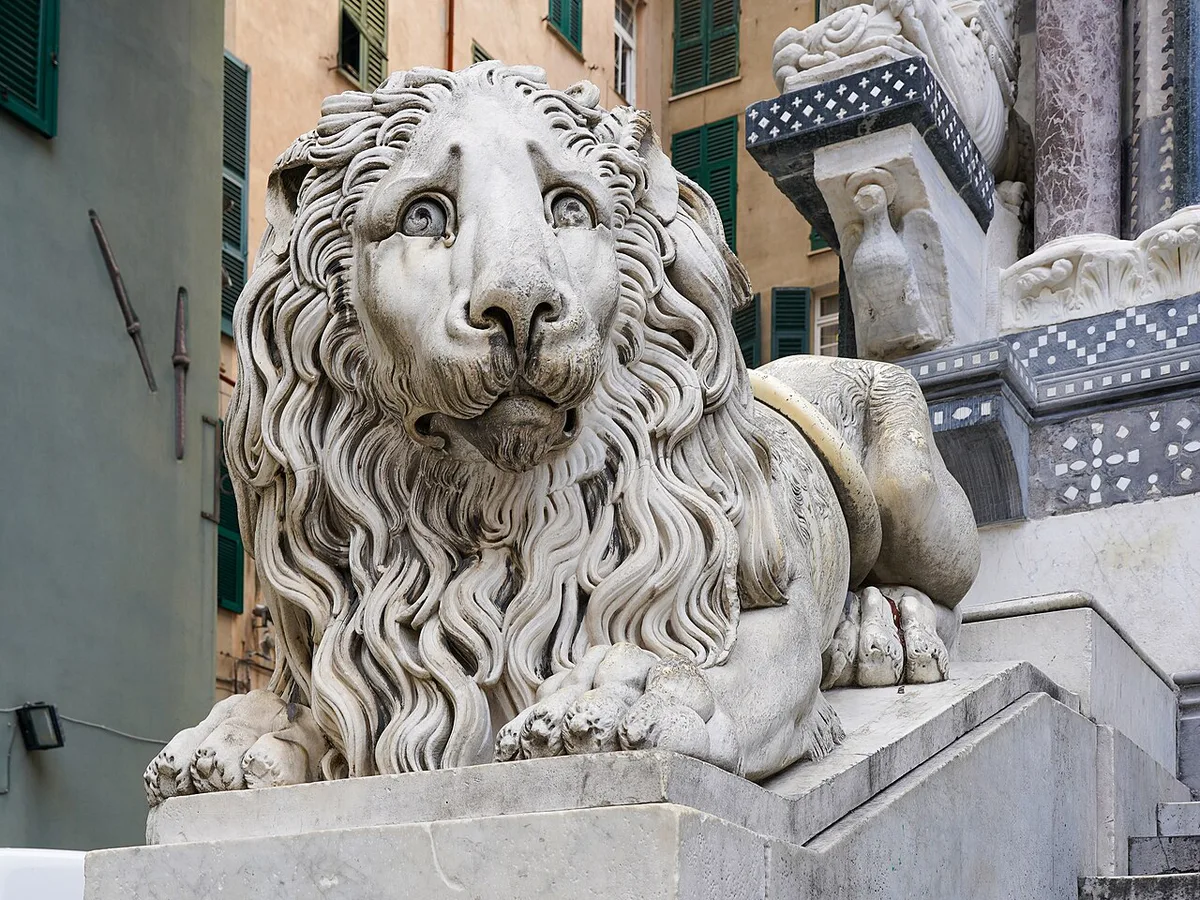
Night Safety and Solo Female Travel in the Caruggi
After dark, the calculus shifts noticeably. The same alley that felt merely atmospheric at 3pm can feel genuinely isolating by 10pm, once foot traffic drops away from anything but the main arteries. Your safest bet is sticking to well-lit, consistently populated squares — Piazza De Ferrari, Genoa's grand central square and a reliable hub of activity into the evening, and Piazza delle Erbe, whose concentration of bars keeps it crowded and effectively self-policing on weekend nights. When navigating between them, use three streets as anchor points whenever you lose your bearings: Via Garibaldi, Via San Lorenzo, and Via XX Settembre. All three stay busy after dark, run along or near the old town's perimeter, and are far easier to route back to than trying to retrace a path through unfamiliar vicoli. For a fuller hour-by-hour breakdown of how the old town shifts after sunset, see this guide to Genoa at night. Solo female travelers face one specific, very practical obstacle in Genoa that few other Italian cities present to the same degree: GPS signal is notoriously unreliable inside the caruggi, where tall stone buildings block satellite reception and a single wrong turn can lead into a quiet vico that looks nothing like what the map suggested. Downloading an offline map before setting out, walking with visible purpose rather than repeatedly pausing to check a phone, and defaulting to the anchor streets and piazzas from the neighborhood breakdown above all reduce the odds of an accidental detour into an isolated lane. It's also worth asking hotel or B&B staff directly which nearby streets they'd personally recommend after dark — conditions in the caruggi shift gradually as businesses turn over, and a well-informed host will have a more current read than any single article, this one included. For destination-specific guidance built around these exact dynamics, consult this solo female travel safety guide.
What to Do If You Feel Unsafe in a Vico: A Quick Checklist
Most travelers never need this checklist, but it's worth knowing before you're standing in a quiet alley wondering whether to keep walking. If a caruggi lane starts to feel wrong — too dark, too empty, or you notice you're being followed — five moves cover almost every situation:
- Head toward light and noise first — the nearest busy piazza or main artery is almost always closer than it feels.
- Secure valuables before you start moving, not while you're walking; fumbling with a bag draws attention.
- Switch to an offline map you downloaded in advance, since live GPS frequently drops signal between the caruggi's stone walls.
- If someone approaches or follows you, step into the nearest open shop, bar, or hotel lobby rather than continuing to walk.
- Call 112, Italy's single emergency number, if the situation escalates beyond something you can defuse by simply leaving the area.
Transport and Arrival Safety: Piazza Principe, Brignole, and Getting Around
Genoa's two main train stations, Piazza Principe and Brignole, are the arrival points that cause the most pre-trip anxiety, and both are manageable even on a late-night arrival. Piazza Principe sits in a busy, well-trafficked zone anchored by the station building itself, so the immediate area stays populated into the evening; the main piece of advice here, as everywhere in central Genoa, is to head directly toward your hotel or a taxi rank rather than wandering into unfamiliar side streets while you get oriented. Brignole, on the eastern edge of the center, functions as an equally active transit hub and is a common arrival point if you're coming from Milan or the Cinque Terre. If you're arriving by train after 10pm, both stations remain staffed and well-lit, and the taxi ranks directly outside each one are the simplest way to reach a hotel without needing to navigate the caruggi on foot in the dark while still getting oriented. Genoa's public transport network, run by AMT Genova (Azienda Mobilità e Trasporti), the city's transport authority, includes an extensive bus network and a single metro line connecting the center to the western districts. The practical safety concern on both is the same low-grade risk found on crowded transit anywhere: pickpocketing on packed buses and platforms during peak commuting hours, not violent crime. Keep bags zipped and positioned in front of you on crowded routes, and check current timetables and route maps directly through AMT Genova before counting on late-evening service, since frequencies thin out later at night. If you're arriving well after dark with luggage, or heading somewhere off the main tourist arteries, a taxi from a marked rank is the lower-friction choice over navigating unfamiliar streets on foot. For a complete breakdown of bus, metro, and taxi safety specifics, see this public transport safety guide.
Common Scams and Petty Crime to Watch For
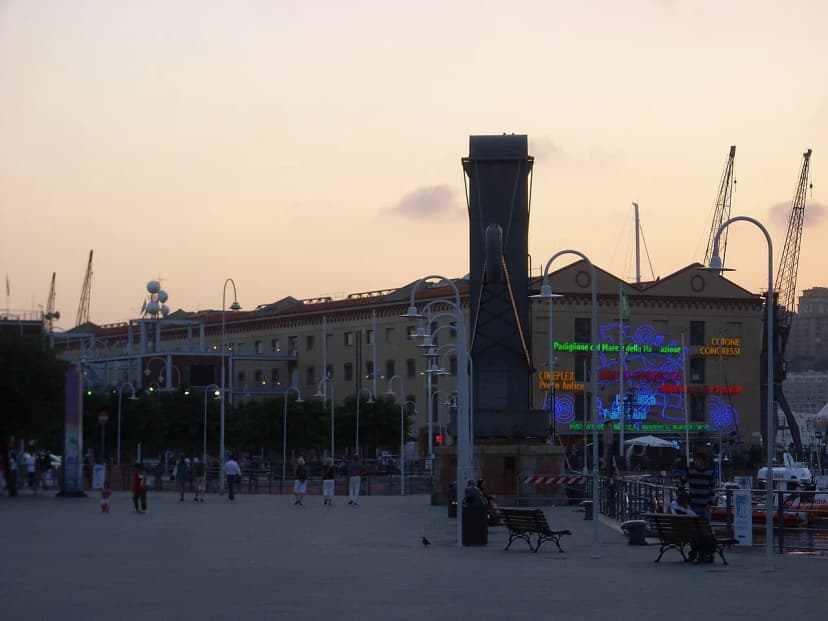
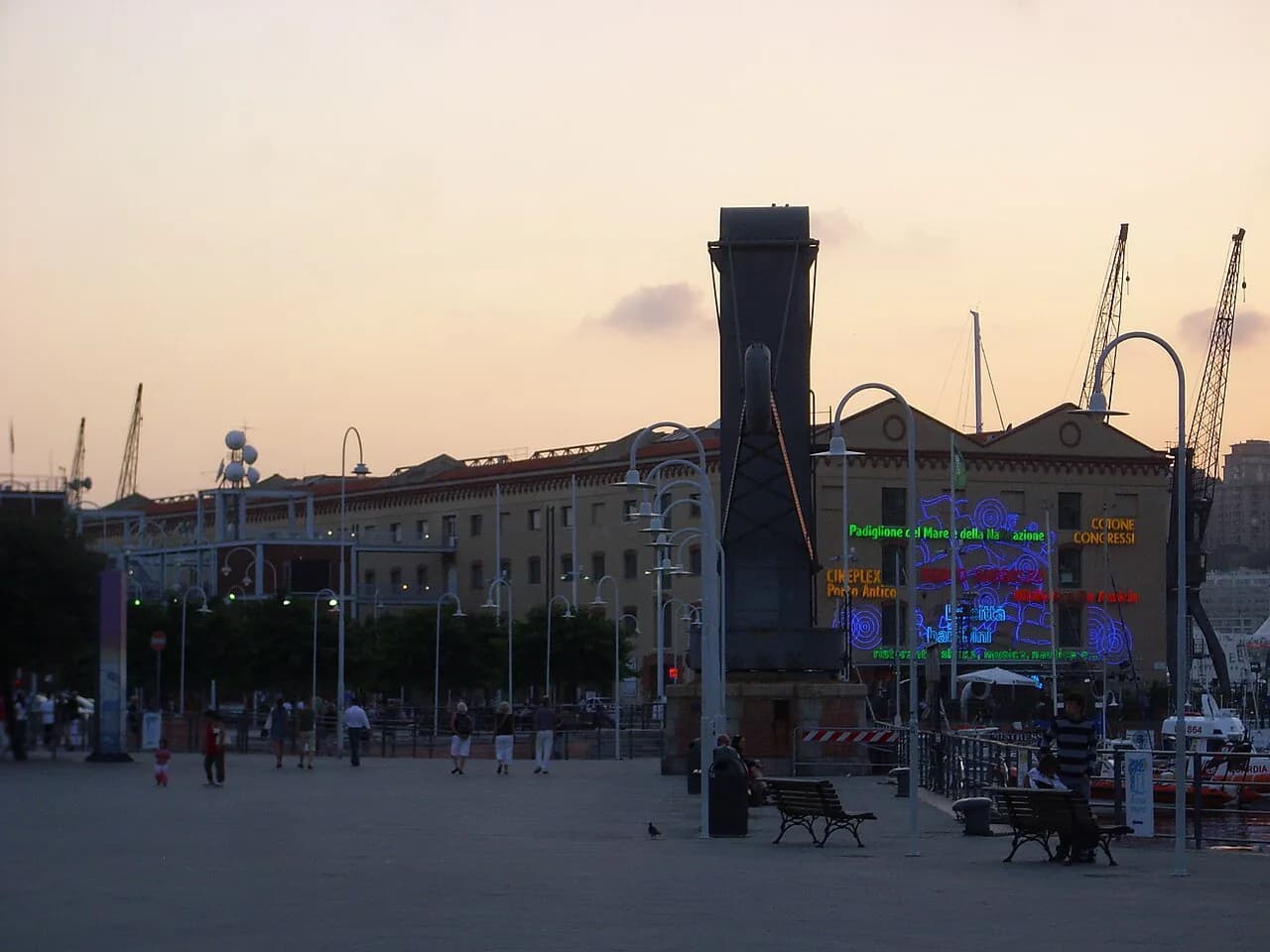
Genoa's crime concerns skew overwhelmingly toward petty theft rather than anything violent, and the hotspots are predictable: crowded buses, the narrow tourist-heavy stretches of the caruggi around Via San Lorenzo and Via Luccoli, and anywhere a distracted visitor is checking a phone or map. The Porto Antico waterfront, especially around ticket queues for the Aquarium and evening bar crowds, is another spot where a distracted moment is more costly than the area itself being dangerous — treat it the same as any busy waterfront in a major city and keep bags close. Tourist queues outside major sights such as the Cattedrale di San Lorenzo are similarly worth extra bag awareness, simply because any dense, distracted crowd anywhere in Italy is a pickpocket's preferred setting, not because Genoa's sights see more incidents than comparable attractions elsewhere. None of the scams reported around Genoa are unique to the city — they're the same tourist-trap patterns found across Italy, from distraction pickpocketing in dense crowds to inflated prices at restaurants with no posted menu near major sights. The defenses that work elsewhere in the country work here too: keep valuables in a zipped bag or front pocket, stay alert in dense foot traffic, and confirm prices before ordering anywhere that doesn't clearly display them. For a complete rundown of the specific scams reported around Genoa's main sights and transit hubs, see this guide to tourist scams.
Pickpockets exploit distracted phone-checking in dense caruggi. GPS fails in stone caruggi, making offline maps essential. Downloading one before arrival prevents fumbled navigation and visible phone-checking—exactly what pickpockets target in high-theft zones like Via San Lorenzo and Luccoli.
Where to Stay for Maximum Safety
Where you sleep in Genoa affects your overall safety experience more than almost any other single decision, since it determines how many late-night caruggi crossings your trip actually requires. Via XX Settembre and the streets around Piazza De Ferrari offer easy access to shops, restaurants, and the busiest evening foot traffic, making them a dependable base if you're traveling with family and want lively but not isolated surroundings. Castelletto, the uphill residential district reached by Genoa's public elevators (ascensori), stays quiet and calm after dark simply because it's largely residential rather than nightlife-driven — a good fit if you'd rather prioritize a peaceful base over being footsteps from the old port. Boccadasse, the small former fishing village turned neighborhood east of the center, is calm and residential during the day and keeps a low-key evening atmosphere well suited to couples or solo travelers who want distance from the density of the Centro Storico. Whichever district you choose, cross-check it against the specific caruggi streets flagged earlier in this guide — a listing a few doors from Via Prè or Via della Maddalena carries a meaningfully different profile than one on Via Garibaldi, even though both might be marketed simply as Old Town on a booking site. If a listing's exact address isn't clear from the booking platform, cross-referencing it against a current district map from VisitGenoa.it before paying a deposit is a reasonable extra step, particularly for solo bookings in the old town.
Staying on Via XX Settembre, Castelletto, or Boccadasse reduces caruggi crossings and cuts exposure to pickpocket hotspots: crowded caruggi near San Lorenzo/Luccoli, Porto Antico queues, and dense tourist sights. Safe sleep location shrinks both isolation and theft risk.
Emergency Numbers and Local Contacts
Italy uses a single European emergency number, 112, for police, medical, and fire response anywhere in the country, including Genoa, and operators can typically assist in English as well as Italian. Genoa's Polizia Locale (local police) maintain a visible presence around the main tourist arteries of the Centro Storico and Piazza De Ferrari, and uniformed officers are a reasonable first stop for reporting theft or asking directions if you get turned around in the caruggi. For anything requiring medical attention, look for a Pronto Soccorso (accident and emergency department); Genoa's hospitals maintain A&E departments equipped for the kind of minor-injury or urgent-care situations a traveler is most likely to encounter. For non-emergency issues, a farmacia (pharmacy) — identifiable by an illuminated green cross sign — is typically the fastest way to get advice or over-the-counter treatment for minor travel ailments without needing a hospital visit. Before you travel, it's worth checking current district maps and safety updates directly through VisitGenoa.it, the city's official tourism board, which publishes current neighborhood and event information for visitors planning a 2026 trip.
Late-Night Arrival Routes from Principe and Brignole
If you arrive after dark, the safest plan is to treat the station as a transit point, not a place to explore while deciding what to do next. From Genova Piazza Principe, stay on the main station frontage around Piazza Acquaverde and use the official taxi rank if your hotel is inside the caruggi, near Via Prè, or on a small side street off Via Balbi. Avoid cutting through dark lanes west of the station toward Via Prè with luggage, even if a map shows it as the shortest walking route.
From Genova Brignole, the easiest pedestrian direction is toward Via XX Settembre, Piazza della Vittoria, or the well-lit commercial streets east of the old town. Brignole feels more straightforward than Principe because it opens onto wider roads, but the same rule applies: keep your phone route simple, ignore shortcuts through quiet side streets, and use a taxi if your accommodation is buried in the historic center.
For trip-planning details, see UK FCDO travel advice for Italy.
Explore is safe in other cities
- Pisa's is safe
- Parma's is safe
- Syracuse's is safe
- Piraeus's is safe
- Ghent's is safe
- Turin's is safe
- Dusseldorf's is safe
- Izmir's is safe
- Warsaw's is safe
- Corfu's is safe
- Tbilisi's is safe
- Barcelona's is safe
- Naples's is safe
- Bari's is safe
- Frankfurt's is safe
- Bilbao's is safe
- Valencia's is safe
- Strasbourg's is safe
- Avignon's is safe
Frequently Asked Questions
Is Genoa safe to visit in 2026?
Yes. Genoa is safe for the vast majority of visitors in 2026, provided you apply the same street-level awareness you'd use in any large European city center. The main adjustment from more polished Italian destinations is navigating the caruggi with attention to which streets stay busy and which quiet vicoli branch off them, rather than assuming every alley in the old town carries the same character.
Is Genoa safe at night?
The main squares and anchor streets — Piazza De Ferrari, Piazza delle Erbe, Via Garibaldi, Via San Lorenzo, and Via XX Settembre — stay busy and well-lit well into the evening and are safe to walk. Quiet, unlit vicoli away from those arteries, particularly around Via Prè, Via del Campo, and Via della Maddalena, deserve more caution after dark.
Which streets should you avoid in Genoa's old town?
Via Prè, Via del Campo, and Via della Maddalena are the three streets most commonly flagged for caution, especially after dark, along with any narrow, unlit vico branching off them. During the day these streets function normally with shops and foot traffic; the risk profile changes mainly in the evening and inside the smaller side alleys rather than on the main streets themselves.
Is Genoa safe for solo female travelers?
Genoa is manageable for solo female travelers who plan around the caruggi's layout: download offline maps in advance since GPS is unreliable inside the old town, default to the busy anchor streets and piazzas when navigating, and avoid quiet vicoli after dark. These are largely navigation and awareness challenges rather than signs of elevated danger specific to Genoa.
Is public transport safe in Genoa?
Yes — buses and the single metro line operated by AMT Genova are safe to use, with the main practical risk being pickpocketing on crowded routes during peak hours rather than any more serious concern. Keep bags zipped and in view, and check current AMT Genova schedules if you're relying on late-evening service.
What is the emergency number in Genoa?
Dial 112, Italy's single European emergency number, for police, medical, or fire response anywhere in Genoa; operators can typically assist in English as well as Italian.
How does Genoa compare to Milan or Rome for safety?
Genoa sits in the same broad safety tier as Italy's other major cities rather than standing out as riskier. Its reputation for feeling grittier comes from the industrial port backdrop and the sheer scale of its medieval old town, not from a meaningfully different crime profile compared with Milan or Rome.
Stay Safe in Genoa
Every Genoa safety guide on one page — areas, scams, night rules, and getting around.
Genoa Safety Guides
- Genoa Areas to Avoid: A 2026 Neighborhood Safety Guide
- Is Genoa Safe at Night? A 2026 Neighborhood Safety Guide
- Genoa Tourist Scams: A 2026 Guide to Common Tricks and How to Avoid Them
- Is Genoa Safe for Solo Female Travelers? (Local Safety Guide)
- Genoa Public Transport Safety: A Complete Guide to Buses, Metro & Elevators