Is Syracuse Safe? What Travelers Need to Know Before Visiting
Last updated April 2026: is Syracuse safe for a first visit to Sicily? In short, yes — Syracuse (Siracusa) is one of the calmest, most walkable historic cities in southern Italy, and the baroque island quarter of Ortigia in particular feels relaxed by day and by night. This guide breaks down safety neighborhood by neighborhood, flags the petty-crime and ZTL pitfalls actually worth planning around, and points to deeper guides on nighttime safety, scams, solo travel, and transport so you can plan with confidence — and it is worth being clear upfront that this guide covers Syracuse, Sicily, not Syracuse, New York, which shares only a name.
The Short Answer: Is Syracuse Safe for Tourists?
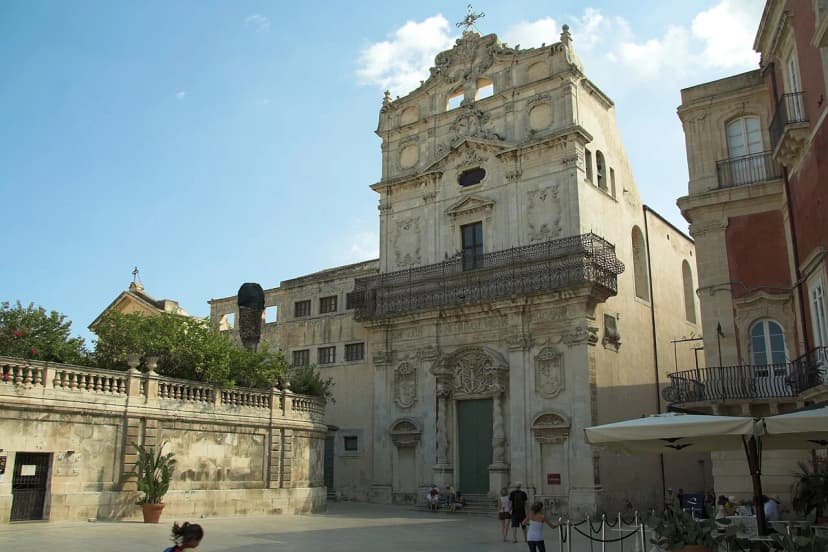
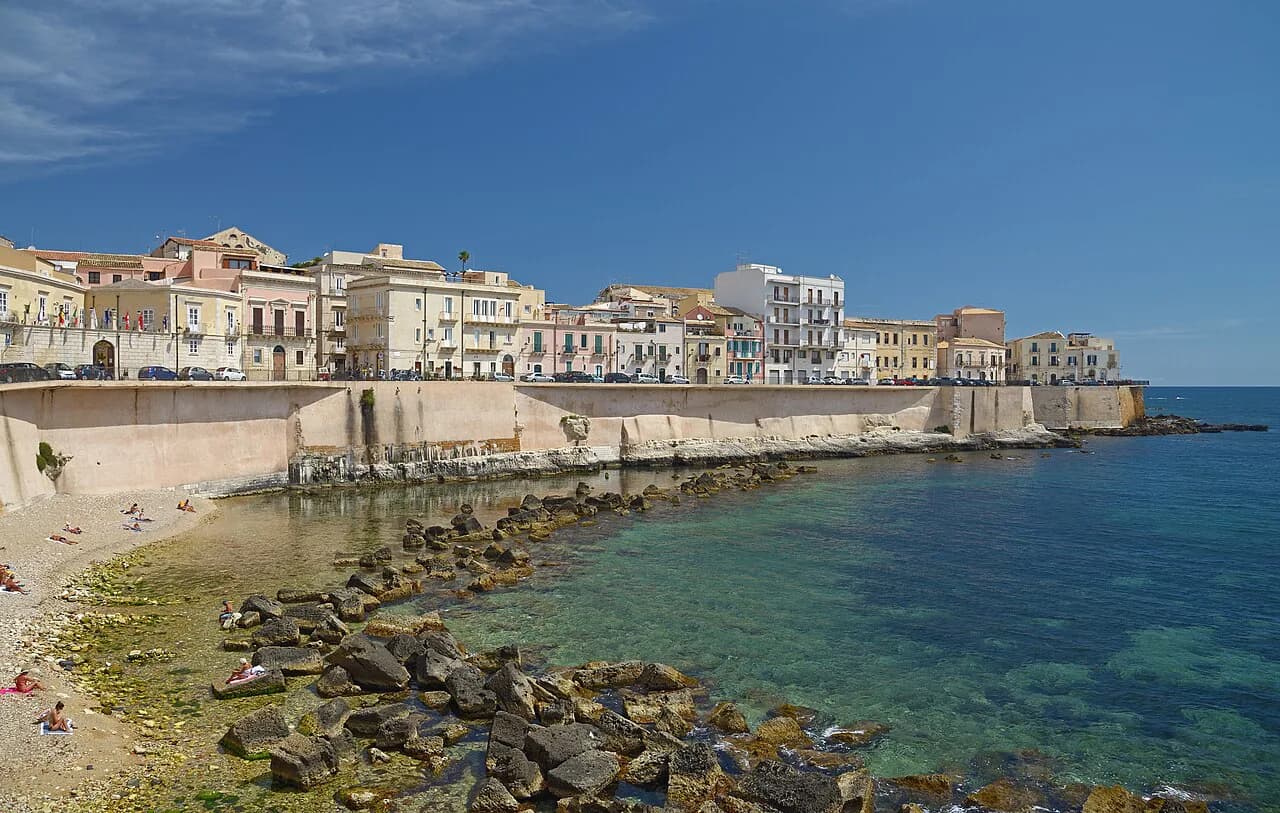
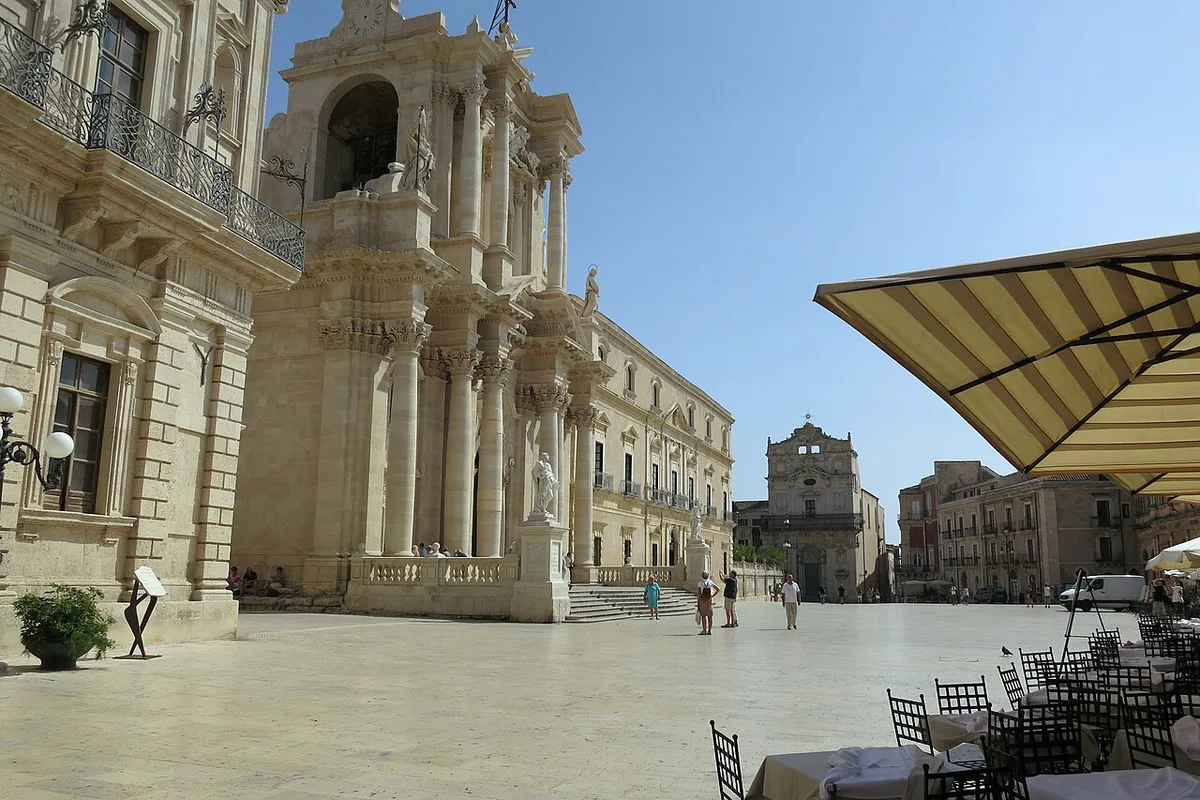
Yes — Syracuse is generally very safe for tourists, and in an editorial comparison against other major Italian and Sicilian cities, it comes across as calmer and lower-key than Palermo or Catania. The historic core of Ortigia, joined to the mainland by two short bridges, is where almost every visitor spends most of their time: baroque squares, the Duomo, the seafront promenade, and the Temple of Apollo are all within a compact, pedestrian-friendly area with a heavy, steady tourist presence. The modern mainland districts have a grittier, more workaday feel and see far fewer visitors, but that does not make them unsafe for a daytime pass-through — it simply means Ortigia is where the postcard experience and the highest comfort level both live. Petty theft exists, as it does in any tourist destination, so this guide treats Syracuse as safe with normal precautions rather than risk-free.
Syracuse Safety by Neighborhood: Where to Stay and Walk
Safety in Syracuse varies more by time of day than by neighborhood, but a few distinctions are worth knowing before booking a place to stay. Ortigia is consistently the safest and most walkable choice, packed with restaurants, gelaterias, and other visitors well into the evening, which is exactly why most guides recommend basing a stay there. For a deeper breakdown of which streets and hours call for extra awareness, the dedicated areas to avoid guide and the Syracuse night safety guide go street by street.
| Neighborhood | Safety Level | Atmosphere |
|---|---|---|
| Ortigia (historic island center) | Very safe, day and night | Lively, dense with tourists, baroque squares and the seafront |
| Neapolis and Akradina (mainland) | Safe by day | Residential, quieter, archaeological park focus |
| Santa Lucia (mainland) | Safe with awareness at night | Local, sparser foot traffic after dark |
- Ortigia: the historic island heart of the city, car-free in its core, dense with restaurants and passeggiata crowds — the safest and most walkable base for any visit.
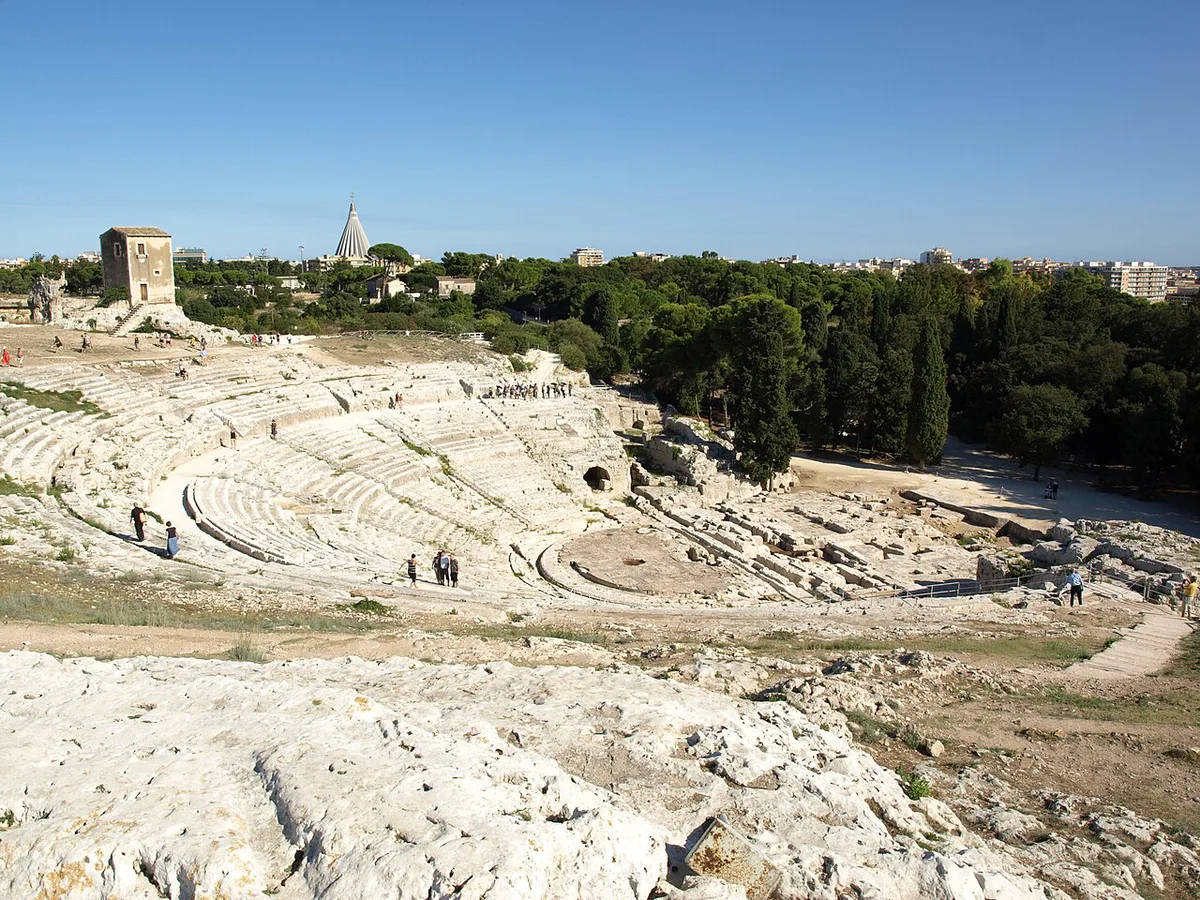
- Neapolis and Akradina: home to the Neapolis Archaeological Park and a mostly residential, workaday mainland feel; comfortable for daytime sightseeing, quieter and less lively after dark.
- Santa Lucia: generally safe for a walk-through, but a district where extra awareness at night is sensible, as it sees far less foot traffic than Ortigia after sunset.
Common Risks in Syracuse and How to Mitigate Them
The realistic risk profile in Syracuse leans toward petty inconvenience rather than serious crime. Pickpocketing is the most-cited issue, and it clusters where crowds do — the Mercato di Ortigia and the area around the Duomo during peak hours are the two spots worth extra bag awareness. Drivers face a different kind of risk entirely: the ZTL (Zona Traffico Limitato, or Limited Traffic Zone) that covers much of central Ortigia is a genuine safety feature for pedestrians, keeping the historic core largely car-free, but it is a costly trap for tourists who drive in without checking current entry points on the Comune di Siracusa's official ZTL map, since fines are issued automatically by camera regardless of intent. A third, easily overlooked risk sits with rental cars parked near the Neapolis Archaeological Park and other sightseeing lots — leaving bags, cameras, or documents visible inside a parked car is an unnecessary invitation for a break-in anywhere tourists cluster, Syracuse included.
- Keep bags zipped and in front of you in the Mercato di Ortigia and around the Duomo during busy midday and market hours.
- Check the Comune di Siracusa's current ZTL map before driving into or near Ortigia — cameras enforce it automatically and boundaries can shift seasonally.
- Never leave valuables visible in a parked rental car near the archaeological park or other sightseeing lots.
Solo Female Travel Safety in Syracuse
Solo female travelers generally rate Syracuse as one of the more comfortable Sicilian cities to explore independently, in large part because Ortigia stays busy with pedestrians well into the evening. Unwanted attention such as catcalling is uncommon but not unheard of, and the standard response — a confident, disengaged pace and heading toward a lit, populated street — applies here as it does across southern Italy. Walking alone through Ortigia's narrow alleys at night is broadly considered fine given the consistent foot traffic and density of open restaurants and bars, though the same is less true of quieter mainland streets once the evening crowds thin out. For a fuller rundown of neighborhood-specific advice, transport tips, and what locals flag as worth extra caution, see the dedicated solo female travel safety guide.
Crowded daytime spots like the Mercato and Duomo carry petty theft risk, but the same foot traffic and open venues provide solo night walking security — the time of day reshapes how crowds affect safety.
Transport and Logistics Safety in Syracuse
Walking is the primary and most practical way to get around Ortigia, and the cobblestone streets, while atmospheric, do call for sturdy, closed shoes rather than sandals to avoid a twisted ankle on uneven paving. For trips beyond the historic center, the Siracusa d'Amare shuttle bus network is the local public transport option, generally considered reliable and safe for tourists connecting Ortigia to the mainland districts and archaeological sites. Taxis are safe when used correctly: sticking to official taxi stands rather than flagging unmarked cars is the simplest way to avoid overcharging, a far more common complaint than any safety incident. A full breakdown of bus routes, taxi etiquette, and what to expect from Syracuse's transport network is covered in the public transport safety guide.
- Wear closed, sturdy shoes for Ortigia's cobblestone streets to avoid trips and ankle injuries.
- Use the Siracusa d'Amare shuttle buses for reliable, tourist-friendly connections between Ortigia and the mainland.
- Book or hail taxis only from official stands to avoid overcharging.
Practical Safety Tips and Local Logistics
A short list of practical numbers and habits covers most of what a visitor needs. The single emergency number for police, ambulance, and fire across Italy, including Syracuse, is 112, and it is worth having saved before setting out each day. Tap water in Syracuse is generally safe to drink by Italian Ministry of Health standards, though many locals prefer bottled water simply for taste, given the higher mineral content typical of Sicilian tap water. For anything requiring medical attention, Ospedale Umberto I is the main hospital serving the city. Summer heat is arguably a more common practical risk in Syracuse than crime — Sicilian summers run extremely hot, so carrying water, applying sunscreen, and avoiding the harshest midday hours for walking tours between roughly June and August matters as much as any street-safety precaution.
- Save 112 as the single emergency number for police, ambulance, and fire anywhere in Italy.
- Tap water is generally safe to drink; bottled water is a matter of taste preference, not safety.
- Ospedale Umberto I serves as the main hospital for medical needs in Syracuse.
- Treat summer heat (roughly June through August) as a bigger day-to-day risk than crime — carry water and sunscreen and pace midday walking.
Mistakes to Avoid in Syracuse
A handful of avoidable mistakes account for most of the friction tourists run into in Syracuse, and none of them involve serious crime. Driving into Ortigia without first checking current ZTL boundaries is the single most common and most expensive misstep, since camera-issued fines arrive by mail well after the trip ends. Leaving bags or valuables unattended on smaller beaches such as Spiaggia di Cala Rossa is a straightforward invitation for opportunistic theft, the same as on any popular beach. Finally, not carrying at least a small amount of cash catches some visitors off guard, since smaller local vendors, market stalls, and some cafes in Syracuse still prefer or require cash over card. For a category-by-category look at scams to watch for beyond these logistical mistakes, the common tourist scams guide is the natural next read.
The ZTL creates car-free, pedestrian-safe zones in Ortigia, but it's the single most expensive tourist mistake — automatic camera enforcement at boundaries triggers fines by mail weeks after departure, since current limits may shift seasonally.
- Do not drive into Ortigia without checking the current ZTL map — fines are automatic and camera-enforced.
- Do not leave bags or valuables unattended on smaller beaches like Spiaggia di Cala Rossa.
- Do carry a small amount of cash, since some local vendors and market stalls do not accept cards.
Ortigia or the Mainland: Where to Stay for the Safest Logistics
For most first-time visitors, Ortigia is the simplest safety choice because dinner, the Duomo, Fonte Aretusa, the seafront, and the Mercato di Ortigia are all walkable without using a car at night. The trade-off is logistics: much of the island is covered by ZTL rules, parking is limited, and accommodation inside the historic core can be higher demand.
The mainland can make sense if you are arriving by train at Stazione di Siracusa, driving a rental car, or planning easy daytime access to the Neapolis Archaeological Park. Areas around Corso Umberto I and the streets near the bridges to Ortigia are practical, but they feel less atmospheric after dinner and have thinner foot traffic than the island. If you stay inland, choose a place near the station, the bus stops, or the Ortigia bridges, and plan your late-evening route back before you go out.
For trip-planning details, see UK FCDO travel advice for Italy.
Explore is safe in other cities
Frequently Asked Questions
Is Syracuse, Italy safe for tourists in 2026?
Yes. Syracuse is considered one of the safer, calmer historic cities in Sicily, particularly the island district of Ortigia, which stays busy with visitors day and night. Normal city precautions around bags and belongings in crowded spots are still worth taking, as petty theft does occur.
Is this guide about Syracuse in Sicily or Syracuse, New York?
This guide covers Syracuse (Siracusa) in Sicily, Italy — the historic seaside city with the Ortigia old town and the Neapolis Archaeological Park. It is not about Syracuse, New York, in the United States, which is an entirely different city despite the shared name.
Is Ortigia safe to walk around at night?
Ortigia is broadly considered safe to walk around at night thanks to consistent foot traffic and restaurants and bars staying open into the evening. For a more detailed, street-level look at nighttime conditions, see the dedicated Syracuse night safety guide.
Is Syracuse safe for solo female travelers?
Yes, solo female travelers generally find Syracuse comfortable, especially in Ortigia. Unwanted attention like catcalling is uncommon but possible, and standard precautions — sticking to busy, lit streets and walking with confidence — apply here as elsewhere in Sicily.
What is the biggest safety mistake tourists make in Syracuse?
Driving into Ortigia without checking the ZTL (Limited Traffic Zone) boundaries is the most common and costly mistake, since entry is enforced automatically by camera and results in a fine by mail. Leaving valuables visible in parked cars or unattended on beaches are the other frequent missteps.
What is the emergency number in Syracuse, Italy?
112 is the single emergency number covering police, ambulance, and fire services throughout Italy, including Syracuse, and it should be saved before exploring each day.
Stay Safe in Syracuse
Every Syracuse safety guide on one page — areas, scams, night rules, and getting around.