Syracuse Areas to Avoid: A Neighborhood Safety Guide for Siracusa, Sicily
Last updated April 2026, this guide tackles Syracuse areas to avoid for anyone planning a trip to Siracusa, Sicily, rather than Syracuse, New York, a mix-up that trips up a lot of search results. The honest answer is that this is a low-risk destination by Italian city standards, with almost no districts that pose real danger; the caution is really about a handful of workaday mainland pockets near the train station and the Borgata after dark, not a citywide risk. Use this breakdown to decide where to base a stay, where to park a rental car, and which streets are fine to see by day but worth skipping after sunset.
Is Syracuse, Sicily Safe? Clearing Up the Syracuse, NY Mix-Up
Search results for this topic often surface discussion threads about Syracuse, New York, which is a different city on a different continent with a different safety profile entirely. This guide covers Siracusa, the Sicilian city on Italy's southeastern coast, and the short answer is that it ranks among the more relaxed and low-risk historic centers in Italy for visitors. The concerns worth knowing about are narrow: a few workaday mainland streets near the train station, and the Borgata district after dark, rather than any citywide danger. For the full breakdown of how Siracusa compares on everyday risk, scams, and general precautions, the overall Syracuse safety guide is the place to start before narrowing in on specific streets and districts.
Syracuse Areas to Avoid: A Mainland Overview
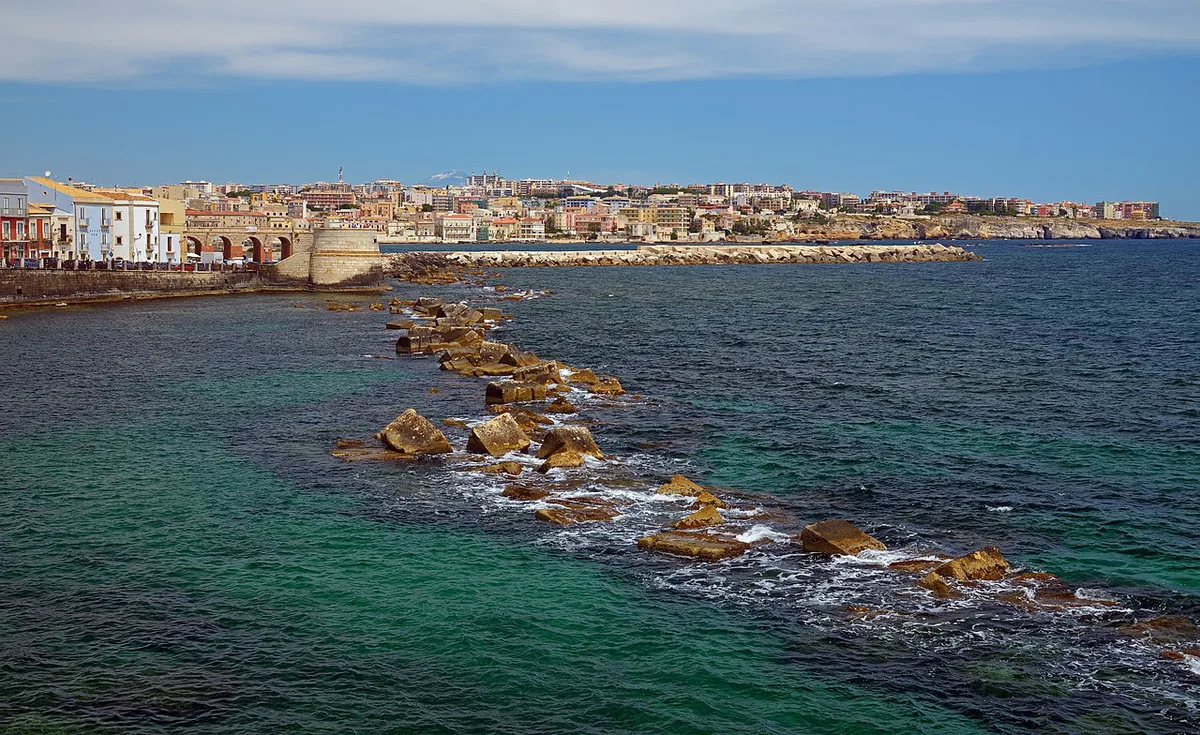
Almost everything flagged in searches for Syracuse areas to avoid sits on the mainland, known locally as the Terraferma, rather than on the island of Ortigia. The mainland is where daily life happens, housing blocks, the train station, supermarkets, and the roads that funnel traffic toward the historic center, and it reads as considerably less polished than Ortigia's restored piazzas. That workaday appearance is not the same thing as danger: most of the Terraferma is simply ordinary Sicilian city, and the caution really narrows down to a couple of specific pockets covered below. Solo travelers in particular sometimes ask whether the mainland grit changes the calculus, and the practical answer is to apply the same baseline precautions covered in the solo female travel safety guide rather than avoiding the mainland outright. One mainland landmark worth planning around deliberately is the Neapolis Archaeological Park, home to the Greek theatre and the Ear of Dionysius; it is a daytime attraction, and it is worth timing a visit for daylight hours rather than treating it as an evening stop.
Mainland safety follows one rhythm: comfortable by day, requiring caution after dark. The train station, Borgata, and walking routes to Ortigia all match this pattern—straightforward when lit and busy, but isolated and poorly lit once evening arrives.

The Train Station District (Stazione di Siracusa): What to Know
Stazione di Siracusa sits on the mainland and is the arrival point for most rail travelers, and it is also the single most-cited area in searches for Syracuse areas to avoid. By day it is simply a functional transit hub with the usual mix of travelers, taxi ranks, and nearby cafes. After dark, the immediate blocks around the station thin out, lighting gets patchier, and loitering is more noticeable, which is enough to make the walk feel less comfortable even where actual incidents remain rare. The practical move if arriving on a late train is to take a taxi or bus directly to accommodation rather than walking with luggage, and to treat the area the same way most first-time visitors treat any train station district after hours. For a broader look at how Siracusa's evening safety compares across the city, the Syracuse at night guide covers this in more depth.
Grottasanta and Mazzarrona: Understanding the Outskirts
Two residential districts that surface in local safety discussions are Grottasanta and Mazzarrona, both well outside any sightseeing route and reachable only by taxi or local bus rather than on foot from Ortigia. Neither has hotels, restaurants, or attractions that would bring a visitor there in the first place, so the practical guidance is straightforward: there is little reason to route a trip through either one. Of the two, Mazzarrona is the name that comes up most consistently as a caution rather than a curiosity, flagged in local commentary as an area with a firmer avoid recommendation rather than the milder gritty-but-fine read that applies to other mainland pockets. Grottasanta reads as more purely residential and workaday than genuinely risky, but the same rule applies: it offers nothing on a typical itinerary, so there is no upside to seeking it out.
Safety in Ortigia: The Historic Heart
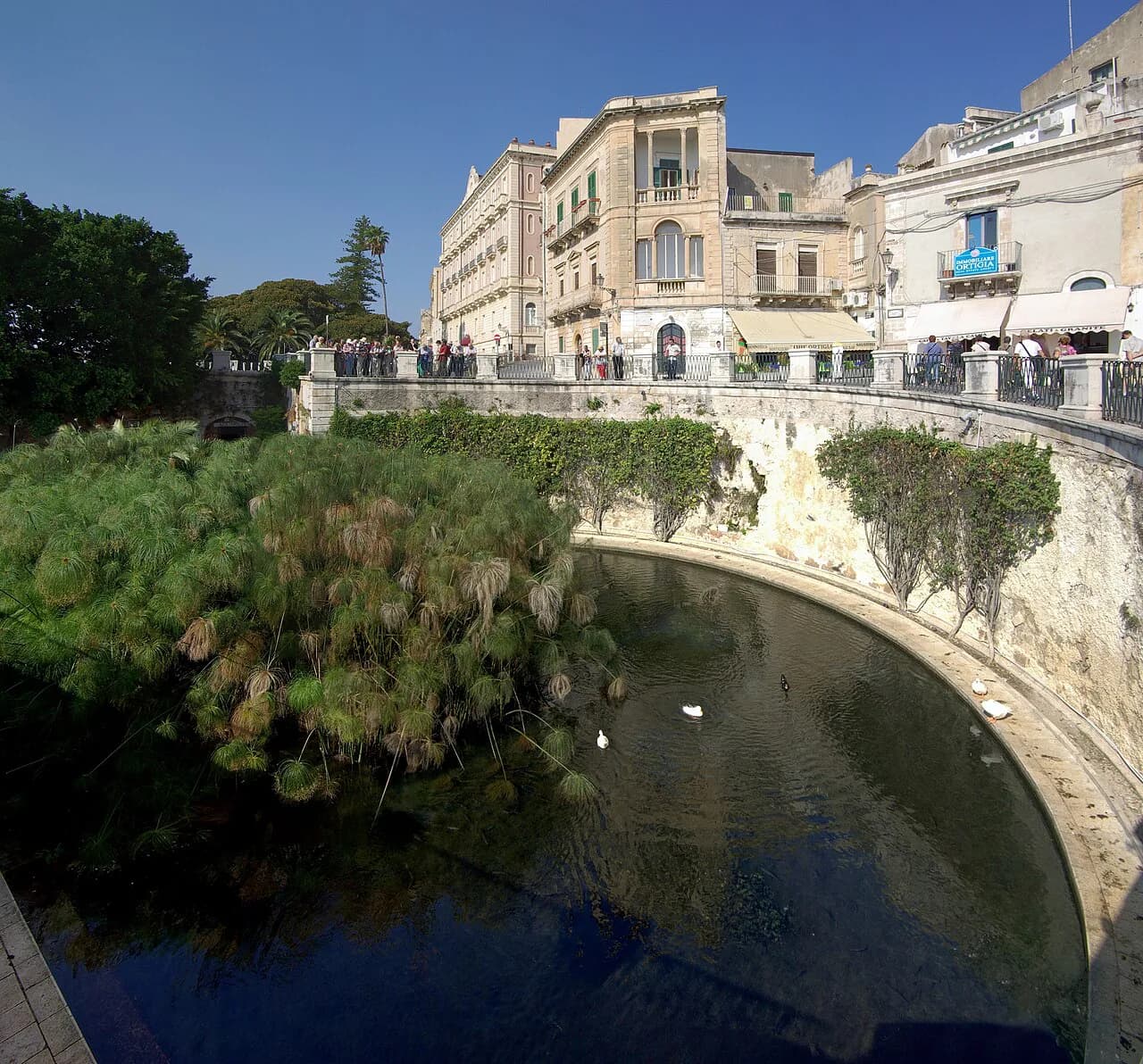
Ortigia, the small island connected to the mainland by bridge, is where the overwhelming majority of visitors spend their time, and it is uniformly safe by day and by night. Its narrow lanes, waterfront promenade, Piazza Duomo, and the daily market near the Temple of Apollo stay busy with residents and tourists well into the evening, and the district's compact size means most hotels, restaurants, and sights are within easy walking distance of each other. The trade-off for that safety and atmosphere is cost and crowding: accommodation and dining in Ortigia generally run higher than on the mainland, and peak season brings heavy foot traffic through the main squares. For anyone deciding where to base a stay, Ortigia is the low-effort, low-risk choice, and the only real caveats involve logistics rather than safety, covered in the parking and navigation sections below.
Parking Safety: Where to Avoid Leaving a Rental Car
The biggest parking risk in Ortigia has nothing to do with crime and everything to do with the ZTL, the Zona Traffico Limitato that restricts vehicle access to much of the historic center. Driving or parking inside the ZTL without authorization triggers a fine that is typically issued by camera and arrives by mail well after the rental car has been returned, so it is worth confirming exactly where the restricted zone begins before driving in. On the mainland, the more relevant issue is parcheggiatori abusivi, unauthorized self-appointed parking attendants who direct drivers into spaces and then expect a cash tip for a service no one asked for; they are a nuisance and a minor scam risk rather than a safety threat, and the standard response is to park in a marked, metered, or attended paid lot instead. This pattern shows up across Sicily, and the common Syracuse tourist scams guide covers how to recognize and decline these approaches without confrontation.
Logistics: Navigating Between the Mainland and Ortigia Safely
The walk from Stazione di Siracusa into Ortigia generally follows Corso Umberto I toward the bridge onto the island, with Via Tripoli as one of the streets travelers use along the route; it is a straightforward, well-trafficked walk by day. After dark, or with luggage, the more comfortable option is a short taxi ride or a local bus rather than walking the full route, particularly given the station-area caution already noted above. Once across the bridge into Ortigia, everything flattens out into the low-risk, pedestrian-friendly pattern described in the historic center section, and most visitors do not need a vehicle again until it is time to leave. For a closer look at bus routes, taxi norms, and how to move around the wider city with luggage or after an evening out, the public transport safety guide covers the specifics.
Practical Safety Tips for First-Time Visitors
The realistic risk profile in Siracusa centers on petty theft and opportunistic scams rather than violent crime, which puts it in line with most well-visited Italian and Sicilian cities rather than out of step with them. A short list of habits covers most of what matters:
- Keep bags zipped and worn in front in crowded areas like the Ortigia market and Piazza Duomo, the same pickpocket-prone settings found in most Italian cities.
- Confirm ZTL boundaries before driving into Ortigia, since fines are issued automatically by camera rather than by an officer who might otherwise wave a visitor through.
- Decline unsolicited parking help on the mainland and use a marked or attended lot instead.
- Take a taxi or bus rather than walking with luggage near the station after dark, and treat evening walks with the same caution outlined in the Syracuse at night guide.
- Book accommodation in Ortigia or the Umbertino district closest to it if minimizing walking through mainland streets after dark is a priority.
Decision Criteria: Where Should You Stay in Syracuse?
Choosing a base comes down to weighing atmosphere and safety against price and parking convenience, and the comparison holds up consistently across the districts covered in this guide. The ratings below reflect an editorial assessment based on the patterns described above rather than any official crime data, and they are meant as a planning shortcut rather than a precise measurement.
The cost-to-safety gradient is steep: Ortigia guarantees 24-hour comfort at premium rates, while Borgata and the station area offer substantial savings if accepting evening mobility limits, making the choice one of value rather than danger.
| Area | Safety by Day | Safety by Night | Why Stay or Visit | Watch For |
|---|---|---|---|---|
| Ortigia | Excellent | Excellent | Historic sites, dining, walkable core | Higher prices, ZTL fines, crowds in peak season |
| Umbertino | Good | Good | Close to Ortigia at a better price point | Limited and competitive parking |
| Borgata | Good | Fair | Authentic, budget-friendly local feel | Workaday appearance, patchy lighting after dark |
| Station area | Fair | Caution advised | Transport links to rail and bus | Loitering and petty theft risk increase after dark |
| Mazzarrona | Caution advised | Avoid | No tourist draw, residential only | Consistently flagged over other mainland districts |
Borgata: Gritty Appearance vs. Actual Risk
Borgata, often called the Santa Lucia district, is the mainland quarter north of Corso Umberto I and west of Porto Piccolo, around Piazza Santa Lucia, Via Piave, and the Basilica di Santa Lucia al Sepolcro. It can look rougher than Ortigia because of older apartment blocks, shuttered storefronts, graffiti, and quieter side streets, but that appearance should not be confused with a major visitor danger zone.
By day, Borgata is generally fine for walking to local sights such as the basilica, the Catacombs of Santa Lucia, or the Museo Archeologico Regionale Paolo Orsi nearby. The practical caution is after dark: streets away from the main routes can feel empty, lighting is uneven, and there is little reason to wander without a specific restaurant or accommodation address. If choosing a budget stay here, favor blocks close to Corso Gelone, Porto Piccolo, or a well-reviewed main-street property rather than isolated residential lanes.
For trip-planning details, see US State Department Italy travel advisory.
Frequently Asked Questions
Is Syracuse, Sicily dangerous for tourists?
No, Siracusa is generally a low-risk destination for visitors, with the caveats concentrated in a small number of mainland pockets covered throughout this guide rather than spread across the whole city. The realistic concerns are petty theft and scams rather than violent crime, and Ortigia, where most travelers spend their time, is safe day and night.
What is the most dangerous area in Syracuse, Italy?
Mazzarrona is the district most consistently flagged in local safety discussions as one to avoid rather than merely gritty, since it has no tourist infrastructure and comes up repeatedly as a caution area. The immediate blocks around Stazione di Siracusa after dark and the Borgata district in the evening also warrant more attention than Ortigia or Umbertino.
Is the walk from the Syracuse train station to Ortigia safe?
By day, the route along Corso Umberto I toward the bridge into Ortigia is a straightforward, well-used walk. After dark, or when carrying luggage, a short taxi ride or local bus is the more comfortable choice, since lighting and foot traffic thin out near the station in the evening.
Can visitors park a rental car in Ortigia?
Driving or parking inside Ortigia's ZTL, the Zona Traffico Limitato, without authorization results in a camera-issued fine, so it is worth confirming the restricted boundary before entering. Most visitors park on the mainland in a marked or attended lot and walk or taxi in rather than risk driving into the historic center.
Is Syracuse safe for solo female travelers?
Siracusa follows the same general precautions that apply across well-visited Italian cities: staying alert in crowds, avoiding poorly lit mainland streets late at night, and using a taxi rather than walking near the station after dark. More detailed, situation-specific guidance is covered in the dedicated solo female travel safety guide for the city.


