
Is Strasbourg Safe? A 2026 Traveler's Safety Guide
Last updated July 2026, and the short answer for anyone wondering is Strasbourg safe stands firm: yes, it is one of France's safest major cities, with crime rates that sit well below the national average and a visible police presence across the compact historic centre. Violent crime against visitors is rare, and the main everyday hazards are the ordinary ones any traveler should plan for, pickpocketing in crowds, silent trams, and fast-changing Alsatian weather, rather than anything unusual to the region. This guide breaks the destination down by neighborhood, traveler profile, and season so you can move through the Grande Île, Petite France, and the Christmas Market period with confidence.
The Short Answer: Is Strasbourg Safe in 2026?
Strasbourg is generally regarded as one of France's safest large cities, presenting low risk to visitors who take normal big-city precautions around crowded tourist sites and public transport. Crime rates run well below the national average, and compared with Paris or Marseille, the historic centre feels noticeably calmer, more compact, and easier to navigate on foot. The European Parliament and other EU institutions based here help keep a steady police and municipal presence in the core, and the city's walkable, student-friendly layout means most visitors spend their time in well-monitored pedestrian zones. Emergency services respond quickly, and nearly all medical staff speak at least basic English, which matters if you ever need help fast.
Strasbourg Safety by Neighborhood: Grande Île, Petite France, Krutenau and the Gare
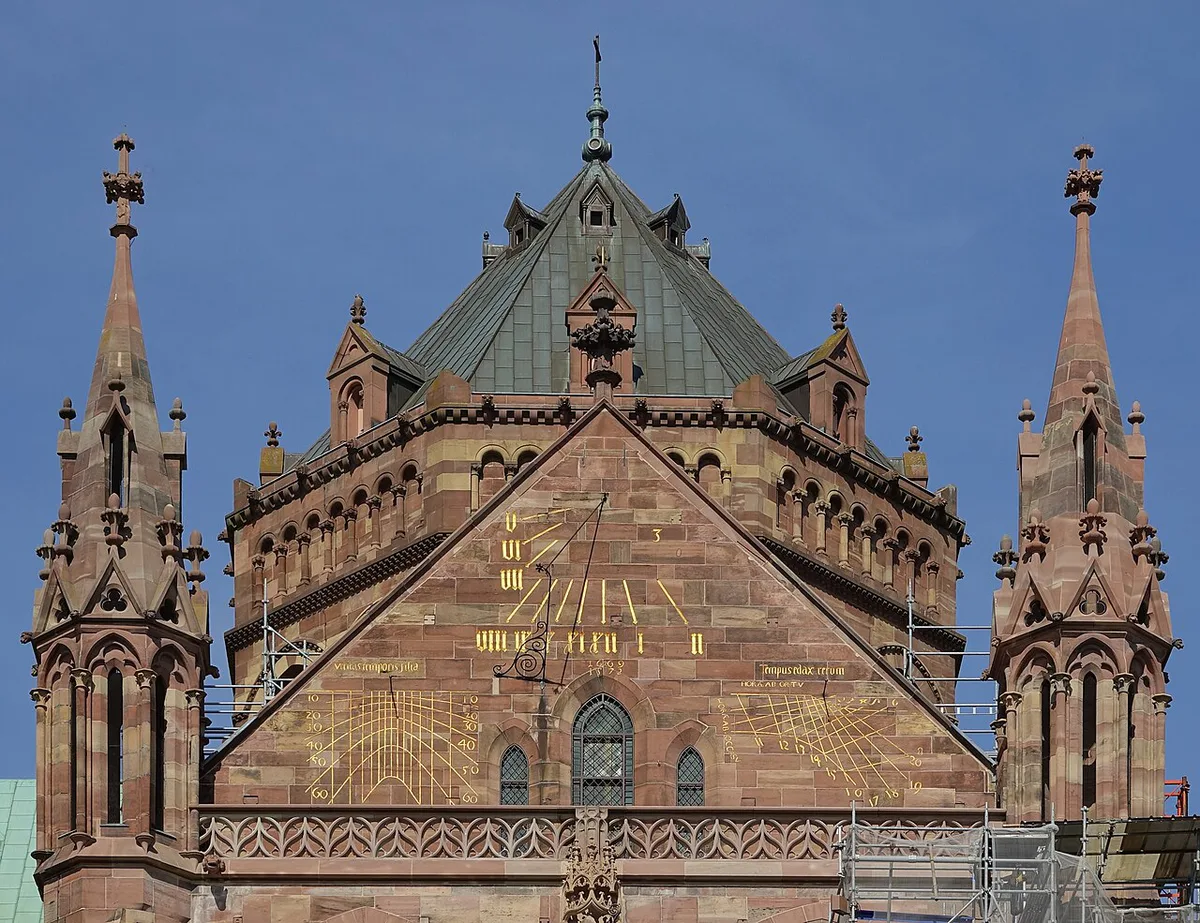
Safety varies noticeably by district, and knowing the pattern helps you choose where to walk, eat, and stay. The Grande Île, the UNESCO-listed city center anchored by the cathedral, is very safe and heavily pedestrianized, with tourists and locals filling its streets from morning into evening. Petite France, the postcard district of half-timbered houses and canals, is equally safe by day, though its narrow footbridges attract pickpockets working the crowds, so keep bags zipped and close. Krutenau, the student quarter, is safe but can turn rowdy and loud on weekend nights, particularly around Place Broglie, so it suits travelers who don't mind a livelier late atmosphere. The Quartier de la Gare, around the train station, has the typical big-city station feel: fine and functional by day, but worth standard caution after dark. For a closer look at which residential zones tourists rarely visit and why, see the dedicated areas to avoid in Strasbourg guide, and for a fuller after-dark breakdown of these same districts, check the Strasbourg safety at night guide.
Neighborhood safety shifts after dark: Grande Île remains secure on well-lit streets like Rue des Moulins, while Krutenau grows rowdy on weekend nights and the Covered Bridges riverfront is poorly lit. Trams end around 00:30–01:30; prioritize busier, better-lit routes when walking at night.
- Grande Île: very safe, highly pedestrianized, dense police and foot traffic
- Petite France: safe by day, watch bags on the narrow footbridges
- Krutenau: safe but rowdy on weekend nights near Place Broglie
- Quartier de la Gare: fine by day, exercise standard caution late at night
Common Risks and Tourist Scams in Strasbourg
The most common issue travelers actually encounter is petty theft rather than anything violent, and it clusters predictably around crowded tourist sites. Pickpocketing and bag-snatching are known to occur around Place de la Cathédrale, the Petite France footbridges, and on tram lines A and D, so use a cross-body bag, keep phones zipped away, and never leave a backpack on a café chair. Two scams recur near the cathedral: the friendship bracelet, where someone ties a colored string around your wrist and then demands payment, escalating if you refuse, and the fake petition, where young people carrying clipboards pretend to be deaf and ask for a signature before pressing for cash. In both cases, keep your hands free, say a firm no, and walk away; they rarely follow beyond a few steps. Restaurant surcharges are another minor irritant worth knowing about: some tourist-oriented brasseries add a charge for bread or water without asking, so check that prix service compris appears on the menu and ask specifically for une carafe d'eau if you want free tap water instead of a bottled charge. For renters, bicycle theft is a genuinely more common hazard than crime against people, so always use a solid lock and park in visible, well-used areas. A full rundown of these tactics, along with how to respond, is covered in the Strasbourg Tourist Scams: Common Traps and How to Avoid Them in 2026 guide.
- Pickpocketing hotspots: Place de la Cathédrale, Petite France footbridges, tram lines A and D
- Friendship bracelet scam: refuse firmly, keep hands free, walk away
- Fake petition scam: say je ne signe pas and keep moving
- Restaurant add-ons: confirm prix service compris and ask for une carafe d'eau
- Bicycle theft: use a solid lock and park in visible, busy spots
Safety for Solo Travelers, Families, and LGBTQ+ Visitors
Strasbourg is generally safe for women traveling alone, with well-lit streets in the center and frequent police patrols, though harassment can occasionally occur in nightlife areas late at night. On late-night trams, choosing seats near the driver and avoiding empty carriages is a sensible habit. The Krutenau district and well-lit tram routes are worth prioritizing after dark; the solo female travel safety guide for Strasbourg covers this in more depth. Families will find the city manageable: children under four travel free on buses and trams, strollers should be folded at busy times, and playgrounds around Place Gutenberg and along the quai des Pêcheurs are fenced and well maintained, though riverbanks themselves have no barriers, so toddlers need close watching near the water. During the Christmas Market, agree on a meeting point with children in advance given the density of the crowds. LGBTQ+ travelers benefit from France's legal protections, including same-sex marriage, adoption rights, and anti-discrimination laws, and Krutenau along with the area around Rue des Tonneliers has several LGBTQ+-friendly bars and venues.
- Solo women: prioritize well-lit tram routes and seats near the driver at night
- Families: children under four ride free on buses and trams; fold strollers at busy times
- Families: watch toddlers closely near unbarriered riverbanks
- LGBTQ+ travelers: Krutenau and Rue des Tonneliers have LGBTQ+-friendly venues
Getting Around Strasbourg Safely: Trams, Walking, and Taxis
Strasbourg's tram network is efficient but moves quietly, so trams have priority at crossings and can catch pedestrians off guard; look both ways on the tracks, remove earphones at crossings, and use pedestrian lights even when the road looks empty. Trams run until around 00:30 on weekdays and 01:30 on weekends, and after that, use the Taxi Strasbourg app rather than hailing on the street. Validate tickets immediately when boarding, since inspectors are polite but fines are collected on the spot by card. On airport shuttles that stop at Baggersee, keep bags on your lap rather than the floor. The Strasbourg public transport safety guide has the full detail on the silent-tram hazard and night schedules. For walking after dark, the riverfront between the Covered Bridges and Rue du Bain-aux-Plantes is safe but poorly lit, so Rue des Moulins is the better-lit alternative if you're crossing that area on foot; the Is Strasbourg Safe at Night? (2026 Safety Guide & Tips) guide walks through more of these routes.
- Trams run to roughly 00:30 on weekdays and 01:30 on weekends
- After tram hours, use the Taxi Strasbourg app rather than street hailing
- Validate tickets immediately; on-the-spot card fines apply for inspections
- Rue des Moulins is better lit than the Covered Bridges riverfront stretch at night
Christmas Market Safety: Navigating Strasbourg's Capitale de Noël
The Christmas Market period, when Strasbourg operates as the self-styled Capitale de Noël from late November through late December, changes the safety picture in specific ways worth planning around. Security is heightened, with checkpoints and a visible patrol presence around the main market zones, and bags are commonly checked at entry points into the busiest areas. The narrow medieval alleys around the cathedral and Petite France get genuinely packed during peak evening hours, so crowd density and the risk of getting jostled or separated from companions rises accordingly; agree on a meeting point if traveling with children or a group. Pickpocketing also spikes during this period precisely because the crowds are thicker and more distracted, so the same precautions that apply at Place de la Cathédrale year-round, cross-body bags, zipped pockets, no unattended bags on café chairs, matter even more in December.
Strasbourg's Christmas Market crowds coincide with seasonal pickpocketing surges and peak tram usage through congested medieval alleys. Trams run until 01:30 weekends; stay vigilant at crossings, validate tickets immediately, and keep bags secure—these precautions matter more during the Capitale de Noël period.
- Security checkpoints and bag checks are common at market entry points
- Narrow alleys near the cathedral and Petite France get crowded at peak evening hours
- Pickpocketing risk rises with market crowd density in December
- Agree on a meeting point with your group before entering busy market zones
Emergency Numbers, Hospitals, and Health Information
Save these numbers before you travel: 112 for general emergencies (it works from any phone, including foreign mobiles, at no charge), 17 for police, and 15 for SAMU medical emergencies; for less urgent care, you can also call 112 and ask for a médecin. Bas-Rhin's police services include English-speaking operators around the clock, and the Tourist Police office, located in the Prefecture on Quai des Pêcheurs, handles theft and lost-document reports on weekdays. Hôpital Civil, on Place de l'Hôpital, is the main public hospital for tourists and runs a 24/7 emergency department with multilingual staff; Clinique Sainte-Odile in Neudorf offers faster private consultations if your situation isn't urgent. Pharmacies operate on a green-cross system open Monday through Saturday, and at least one stays open overnight on a rotation (garde) basis, with details posted on every pharmacy door. EU citizens can use an EHIC or GHIC card for public healthcare; everyone else should carry comprehensive travel insurance, since medical bills are typically settled up front and reimbursed later.
- 112: general emergencies, free from any phone including foreign mobiles
- 17: police; 15: SAMU medical emergencies
- Tourist Police: Prefecture on Quai des Pêcheurs, weekdays, theft and lost documents
- Hôpital Civil, Place de l'Hôpital: 24/7 ER with multilingual staff
- Pharmacies: Mon-Sat standard hours, overnight rotation (garde) posted on each door
Final Checklist: Common Mistakes to Avoid in Strasbourg
A short list of avoidable missteps covers most of what trips up visitors. Forgetting to validate your tram ticket before boarding is the single most common one, and it carries an on-the-spot fine paid by card if an inspector catches you. Leaving bags unattended on café chairs in Petite France, even for a moment while you take a photo, is exactly the kind of lapse pickpockets rely on. Walking or standing on bike lanes, which run through much of the old town and are used assertively by cyclists, creates real collision risk, so stay alert to the painted lane markings even in pedestrian-heavy zones. Finally, treat the silent trams with respect: their quiet approach means you should always look both ways on the tracks and clear your earphones at crossings, regardless of how empty the street looks.
- Always validate your tram ticket immediately after boarding
- Never leave bags unattended at outdoor cafes in Petite France
- Stay off marked bike lanes even in pedestrian zones
- Look both ways on tram tracks; trams are quiet and move fast
Police Nationale vs Police Municipale: Who to Ask for Help
Strasbourg has both national and municipal police, and knowing the difference saves time if something goes wrong. For an emergency, assault, theft in progress, or a lost passport after a pickpocketing, call 112 or 17 and expect the Police Nationale to handle the formal report. This is the report your insurer or consulate will usually need.
Police Municipale officers are more visible around the Grande Île, tram stops, markets, and pedestrian areas. They are useful for directions, crowd-control questions, local bylaw issues, lost-property guidance, and problems such as aggressive begging or disorder around busy squares. During the Christmas Market, follow instructions from police, gendarmes, and security staff at checkpoints around Place de la Cathédrale, Place Kléber, and Petite France; they may reroute foot traffic or temporarily close narrow streets when crowds build.
For trip-planning details, see UK FCDO travel advice for France.
Explore is safe in other cities
Frequently Asked Questions
Is Strasbourg safe for tourists in 2026?
Yes. Strasbourg is one of France's safest large cities, with crime rates well below the national average and a strong police presence in the historic centre. Violent crime against visitors is rare, and the main risks are petty theft in crowds and standard road and tram traffic awareness.
Is Strasbourg safe to walk at night?
The Grande Île and main tourist areas are generally safe to walk at night, especially on well-lit streets like Rue des Moulins. The riverfront between the Covered Bridges and Rue du Bain-aux-Plantes is safe but poorly lit, and Krutenau can get rowdy on weekend nights, so stick to busier, better-lit routes after trams stop around 00:30 to 01:30.
What is the biggest safety risk in Strasbourg?
Petty theft, particularly pickpocketing around Place de la Cathédrale, the Petite France footbridges, and tram lines A and D, is the most common issue. Bicycle theft is also a frequent concern for anyone renting a bike, so always lock it securely in a visible area.
Do I need travel insurance for a trip to Strasbourg?
It is not legally required but is strongly recommended. Healthcare in Strasbourg is high quality, with Hôpital Civil offering a 24/7 multilingual emergency department, but non-EU visitors typically pay medical bills up front and get reimbursed later, so insurance protects against unexpected costs.
Is the Strasbourg Christmas Market safe to visit?
Yes, though it requires extra awareness. Security checkpoints and bag checks are common around the main market zones during the Capitale de Noël period from late November through late December, and pickpocketing risk rises with the denser crowds, so keep valuables secure and agree on a meeting point with your group.
What emergency number should I use in Strasbourg?
Dial 112 for any general emergency; it works free from any phone, including foreign mobiles. For police specifically, dial 17, and for medical emergencies, dial 15 for SAMU. The Tourist Police office in the Prefecture on Quai des Pêcheurs handles theft reports and lost documents on weekdays.
Stay Safe in Strasbourg
Every Strasbourg safety guide on one page — areas, scams, night rules, and getting around.
Strasbourg Safety Guides
- Strasbourg Areas to Avoid: Safety Guide & Neighborhood Map
- Is Strasbourg Safe at Night?
- Strasbourg Tourist Scams: Common Traps and How to Avoid Them in 2026
- Is Strasbourg Safe for Solo Female Travellers? 2026 Safety Guide
- Strasbourg Public Transport Safety: A 2026 Guide to Trams, Buses, and Night Travel


