
Is Arles Safe in 2026? A Complete Safety Guide for Travelers
Last updated June 2026, this guide answers the question travelers ask most before booking Provence: is Arles safe? The short answer is yes -- violent crime is minimal, the Roman-era old town is compact and easy to navigate on foot, and the real risks are narrow and manageable, from seasonal pickpocketing near the Amphitheatre to car break-ins at parking areas near Roman sites and Camargue trailheads. What follows breaks safety down by neighborhood, traveler profile, and situation, including how the Feria bullfighting festivals change the picture.
The Verdict: Is Arles Safe in 2026?
In our editorial assessment, Arles ranks among the safer mid-sized towns in the south of France, particularly when compared with the regional hub of Marseille, which draws most of the crime headlines associated with the Bouches-du-Rhone department. French Ministry of Interior regional crime trend data (Interstats) for the department consistently shows Arles's recorded incidents concentrated in petty theft rather than violent crime, and crime-perception indexes such as Numbeo place it well ahead of larger Provencal cities on day-to-day safety feel. For most visitors, the practical experience is straightforward: daytime sightseeing around the Amphitheatre and Roman Theatre is untroubled, evenings in the historic center are calm and well populated, and the handful of situational risks worth planning around are concentrated around two annual Feria festival weekends (Easter and September), parked-car break-ins near Roman sites and Camargue trailheads, and standard big-city caution near the train station after dark. None of these amount to a reason to avoid Arles -- they are precautions, not deterrents, and this guide covers each one in the sections below.
Neighborhood Safety Breakdown: Where to Stay in Arles
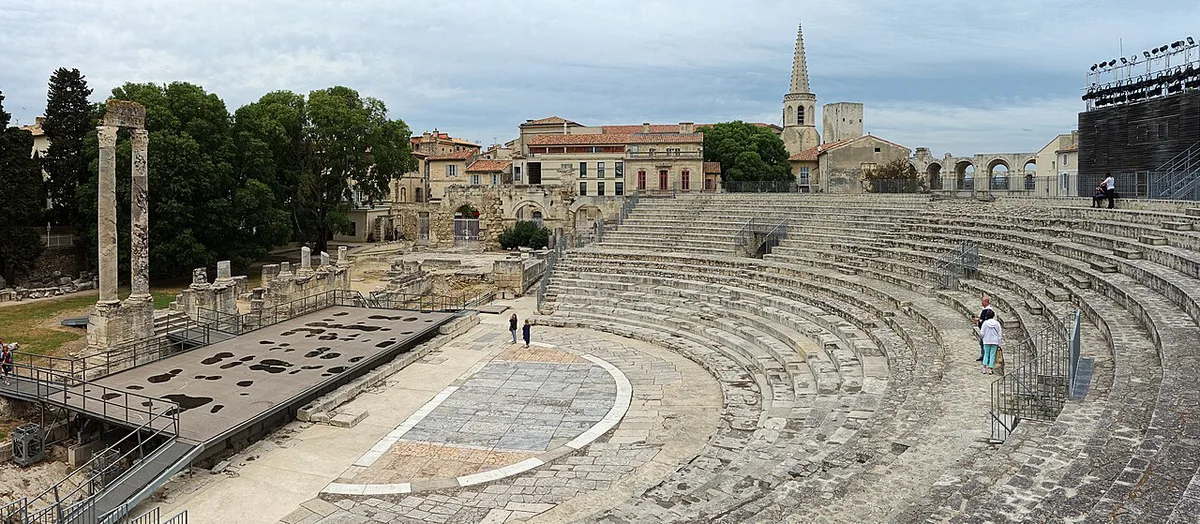
Where you base yourself in Arles shapes your day-to-day sense of safety more than any single citywide statistic. The town's core neighborhoods split cleanly along the Rhone and around the Roman monuments, and each has a distinct profile worth understanding before booking accommodation or planning an evening out.
Within the historic center, evening comfort depends on route choice: main restaurant streets and squares stay well-lit and lively, while Roman-era side streets thin out fast after shops close. Route choice matters as much as neighborhood selection for evening walking.
- The Historic Center (Cite and Hauture): This is the tourist heart of Arles, built tightly around the Amphitheatre and the Roman Theatre, and it is consistently the safest and most comfortable base for visitors. Restaurants, cafes, and foot traffic keep the core lively well into the evening. The main situational risk here is pickpocketing in dense crowds around the Amphitheatre during Saturday market mornings and festival weekends, not personal safety -- keep bags zipped and valuables out of back pockets in the thickest crowds.
- Trinquetaille: Sitting across the Rhone from the old town, Trinquetaille has a quieter, more residential feel with noticeably less foot traffic after dark. It suits travelers who prefer a calmer base a short walk or short bus ride from the historic center over the density of the tourist core, though it means a slightly longer walk back from evening restaurants.
- The Train Station (Gare d'Arles): The station area calls for the same standard big-city caution you would use anywhere after dark -- stick to the main lit routes toward the center, keep an eye on bags on the platform, and avoid lingering on empty side streets late at night. This reflects ordinary station-area awareness rather than any specific elevated risk tied to Arles.
- Areas to Monitor: A handful of peripheral zones outside the tourist core lack the pedestrian infrastructure, lighting, and evening foot traffic of the historic center, and are better treated as pass-through territory rather than evening-stroll ground. For a street-by-street breakdown of which peripheral quarters warrant more caution and why, see the dedicated guide to areas to avoid in Arles before choosing accommodation on the edges of town.
Safety by Traveler Profile
Safety in Arles also depends on who is traveling and how, though the town's compact scale means most precautions are minor adjustments rather than major itinerary changes.
- Solo Female Travelers: The historic center's narrow Roman-era streets are well used by locals in the early evening, but lighting thins out fast past the main squares once shops close for the night. Evening social dynamics around the main restaurant streets are generally relaxed and low-pressure. For street-by-street lighting notes and evening guidance specific to Arles, consult the dedicated solo female travel safety guide before choosing where to stay.
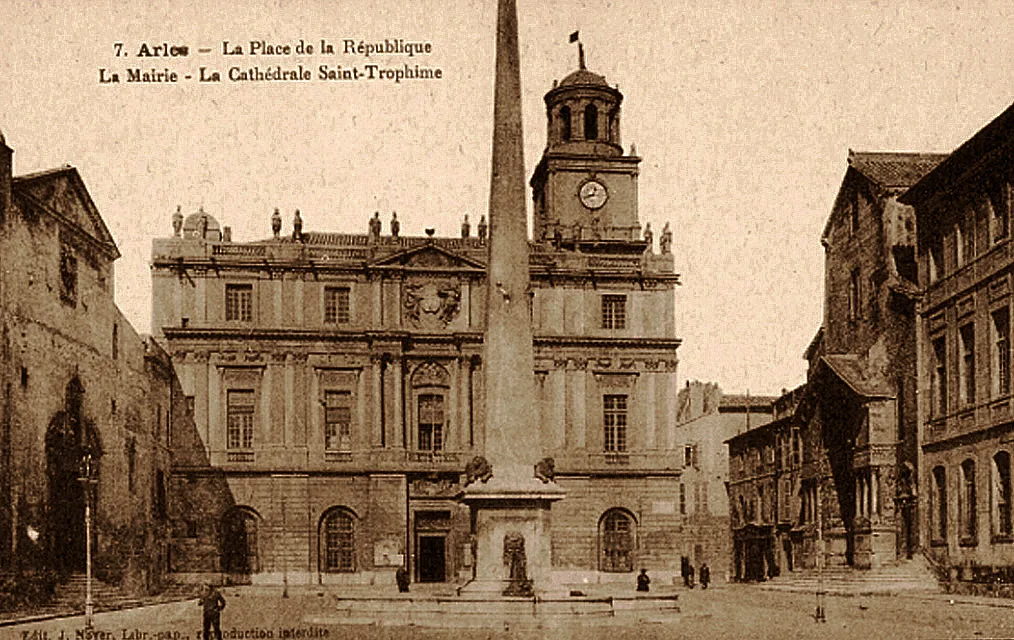
- Families: Families generally do well sticking to the pedestrianized zones around Place de la Republique and the Amphitheatre, where car traffic is restricted and sightlines are open. The narrower residential streets on the fringes of the old town carry active local car traffic and lack sidewalks in places, so keep younger children close once you step outside the pedestrian core.
- Digital Nomads: Cafes and informal co-working spots around the center are generally relaxed about laptops left briefly on tables, but opportunistic equipment theft risk rises in the busiest tourist-facing cafes during peak season and festival weekends -- keep gear within sight rather than assuming a quick step away is safe. Late-night walks back from work sessions are low-risk within the historic center itself but call for the same lit-route awareness as any French town after dark.
Nighttime Safety and Getting Around
Two of the most common practical questions -- how the city feels after dark, and how safe it is to move around by public transport -- deserve dedicated, situational answers rather than a blanket reassurance.
- Nighttime Safety: Arles's winding Roman-era streets are atmospheric but unevenly lit once you move off the main squares and restaurant strips. For a full breakdown of which routes stay well-lit late into the evening and which are better avoided after the last cafe closes, see the dedicated guide to Arles at night.
- Public Transport: Local buses and the regional trains connecting Arles to Nimes and Avignon run on standard SNCF and regional network schedules and carry the same low-incident profile as daytime travel elsewhere in Provence. For route-by-route notes and guidance on late-evening service, the dedicated public transport safety guide covers what to expect on each line.
- Tourist Scams: Provence's markets and monument queues attract distraction-style scams far more often than aggressive crime -- think petition clipboards, friendship-bracelet approaches, or a staged bump near the Saturday market meant to divert attention. The dedicated guide to common tourist scams in Arles walks through how to spot and sidestep the most frequent versions.
The Feria: Managing Festival Crowds Safely
Safety dynamics shift the most during Arles's two signature festival stretches: the Feria d'Arles bullfighting festival, held at Easter and again in September, and Les Rencontres d'Arles, the photography festival that runs through the summer months. Both events draw dense crowds, extended street drinking, and later closing hours across the historic center, which changes the practical risk profile noticeably even though the town's underlying crime rate does not.
Opportunistic theft concentrates during tourist density peaks, not crime waves: Saturday market crowds, festival celebrations, and peak-season cafes follow the same pattern. Keep bags zipped, valuables fronted, and gear in sight—these precautions protect equally everywhere.
- Expect narrow streets around the Amphitheatre and Place de la Republique to fill well past midnight during both Feria weekends, with alcohol-related rowdiness the main practical concern rather than targeted crime.
- Book accommodation early for Feria weekends and the peak Rencontres d'Arles weeks -- rooms in the historic center sell out and prices climb, pushing budget-conscious visitors toward Trinquetaille or the modern suburbs.
- Keep valuables minimal and bags zipped in festival crowds; the density around bullring entrances and festive bars is exactly where opportunistic pickpocketing spikes.
- Travelers who prefer quieter evenings during Feria weekends often shift a night or two to Trinquetaille or the modern suburbs, trading a short extra walk for a calmer night's sleep away from the loudest bar streets.
Car Security Near the Camargue and Luma Arles
Vehicle break-ins, not personal safety, are the sharpest regional pain point for visitors driving in from the Camargue wetlands or nearby trailheads. Roman-site parking areas and riverbank pull-offs see periodic break-ins targeting visible luggage and valuables left on seats, a pattern regional French tourism advisories flag across Provence generally rather than an Arles-specific spike.
- Use a staffed or gated centre-ville garage rather than open riverbank or trailhead parking when leaving a car overnight, particularly before a full day out in the Camargue.
- Clear the car completely of visible bags, electronics, and even empty-looking boxes -- break-ins target what is visible through the window, not what is actually inside.
- The area around the Luma Arles complex and the modern suburbs beyond the historic core has a different character from the medieval center: wider streets, more parking, and a quieter evening feel, which suits travelers prioritizing car security and space over walkable proximity to the Amphitheatre.
Practical Logistics and Emergency Information
A short list of practical numbers and seasonal health precautions covers the rest of what's worth knowing before arrival.
| Service | Number |
|---|---|
| General Emergency (EU-wide) | 112 |
| Police | 17 |
| Fire / Medical (Pompiers / SAMU) | 18 |
- The local Commissariat de Police serves the town center and is the point of contact for reporting theft or requesting a police report for insurance purposes.
- Summer canicule (heatwave) conditions are a genuine health precaution: carry water, plan Roman-site visits for morning or late afternoon, and treat midday heat as seriously as any other travel risk.
- The mistral wind can pick up suddenly and affects outdoor activity, particularly cycling, boating on the Rhone, or time in the Camargue -- check conditions before committing to a full day outdoors.
Feeling Unsafe vs. Actual Risk in Arles
Some parts of Arles can feel rougher than the postcard version of Provence without being especially dangerous. The shift is most noticeable when you move from the compact Roman core around the Amphitheatre and Place de la Republique toward wider roads, railway edges, empty lots, or modern cultural zones such as the Parc des Ateliers and Luma Arles after closing time. These areas can look industrial, quiet, or poorly lit compared with the historic center, but the practical concern is usually isolation and low foot traffic rather than violent crime.
The same applies around the Gare d'Arles and the routes leading back toward Boulevard des Lices: they are normal transit corridors by day, but late at night they feel less welcoming because fewer cafes and shops stay open. If a street feels deserted, choose the larger lit road rather than a scenic shortcut through narrow lanes. This distinction matters when booking: a cheaper room outside the center may be perfectly fine, but check walking routes, lighting, and evening transport before assuming it will feel as comfortable as Cite or Hauture.
For trip-planning details, see UK FCDO travel advice for France.
Explore is safe in other cities
Frequently Asked Questions
Is Arles safer than Marseille?
Yes. Arles is a much smaller town with far less density and none of the entrenched crime hotspots that drive Marseille's headlines. In our editorial assessment, day-to-day safety in Arles's historic center feels closer to a typical small Provencal town than to a regional hub like Marseille, and regional Interstats crime trend data reflects that gap.
Can you walk alone at night in the city center?
Walking alone in the historic center at a normal evening hour is generally comfortable, especially around the main squares and restaurant streets. Lighting thins out on the narrower Roman-era side streets once shops close, so treat those the way you would in any unfamiliar town after dark -- stick to main lit routes rather than shortcutting through quiet side streets.
Are there specific scams to watch for at the Saturday market?
The Saturday market draws the same distraction-style scams common across Provence -- petition clipboards, friendship-bracelet approaches, or a staged bump meant to divert attention while a bag is opened. None of these involve violence; simply keep bags zipped and in front of you in the densest market crowds.
Is it safe to park a rental car on the street overnight?
It is better avoided where possible. Vehicle break-ins targeting visible valuables are the most concrete regional risk, particularly at riverbank pull-offs and Roman-site parking areas used by day-trippers to the Camargue. A staffed or gated centre-ville garage is the safer overnight option, and clearing the car of visible items matters more than exactly where it's parked.
What is the safest neighborhood to stay in for safety?
The historic center (Cite and Hauture) around the Amphitheatre is the easiest and most comfortable base for most visitors, with restaurants, shops, and other travelers around well into the evening. Trinquetaille, across the Rhone, is a quieter alternative for those who prefer a more residential feel a short walk from the center.
Stay Safe in Arles
Every Arles safety guide on one page — areas, scams, night rules, and getting around.
Arles Safety Guides
- Arles Areas to Avoid: The Neighborhoods Tourists Should Skip in 2026
- Is Arles Safe at Night? 2026 Guide to After-Dark Safety
- Arles Tourist Scams: 7 Common Traps and How to Avoid Them
- Is Arles Safe for Solo Female Travellers? 2026 Safety & Logistics Guide
- Arles Public Transport Safety: A 2026 Guide to Buses, Trains and Night Travel


