Is Lille Safe? A Comprehensive Guide for Travelers
Last updated June 2026, this guide answers the question every first-time visitor asks before booking: is Lille safe? Lille is a warm, walkable northern French city where the tourist core — Vieux-Lille, the Grand Place, and the old exchange — sees dense daytime and evening foot traffic and feels comfortable for the overwhelming majority of travelers, though the same standard urban vigilance that applies across French cities still applies here. This guide breaks the city down neighborhood by neighborhood, covers nighttime and transit safety, common scams, and solo and family travel considerations, so a trip can be planned with confidence rather than guesswork.
Quick Answer: Is Lille Safe in 2026?
Yes. Is Lille safe for travelers in 2026? In our editorial assessment, the answer is a confident yes for the overwhelming majority of visitors who stick to the well-walked core of the city. Lille, capital of the Hauts-de-France region, is compact and pedestrian-friendly, and the dense foot traffic through Vieux-Lille, the Grand Place, and the old exchange (Vieille Bourse) keeps the historic center lively and comfortable well into the evening. As in most major French cities, the practical safety concern for tourists is petty crime — pickpocketing and opportunistic theft in crowded spots — rather than violent crime, and standard urban vigilance covers most of what a traveler needs to know before arriving. The sections below break the city down neighborhood by neighborhood, cover nighttime and transit safety in detail, and flag the specific scams and situations worth knowing about in advance.
- Region: Hauts-de-France, in the far north of France near the Belgian border
- Main concern: pickpocketing and opportunistic petty theft, not violent crime
- Comfortable bases: Vieux-Lille, the Grand Place, Vauban, Cormontaigne
- Zones for more caution: the plazas around Gare Lille-Flandres and Gare Lille-Europe late at night, and pockets of Wazemmes and Lille-Sud
- Transit: the Ilévia-operated network, including the automated VAL metro
How Lille Compares to Other French Cities
Travelers researching a Lille crime rate comparison will not find a single definitive ranking here, since no official comparative statistics are cited in this guide — but in our editorial assessment, Lille reads as calmer and easier to navigate than Paris. Its center is a fraction of the size, which makes it simpler to stick to well-lit, populated streets without the sprawl that makes parts of a larger capital harder to read for a first-time visitor. Compared with Lyon, another major regional hub, Lille feels similar in scale and pace: both are walkable, both concentrate tourist activity around a clear historic core, and both carry the same standard advice about watching bags in crowds and treating train station plazas with more awareness after dark. What sets Lille apart is its position near the Belgian border and its role as a gateway city, which brings a steady flow of day-trippers and weekend visitors through Gare Lille-Flandres and Gare Lille-Europe — worth knowing, since those station areas are busiest, and safest, during the day and early evening.
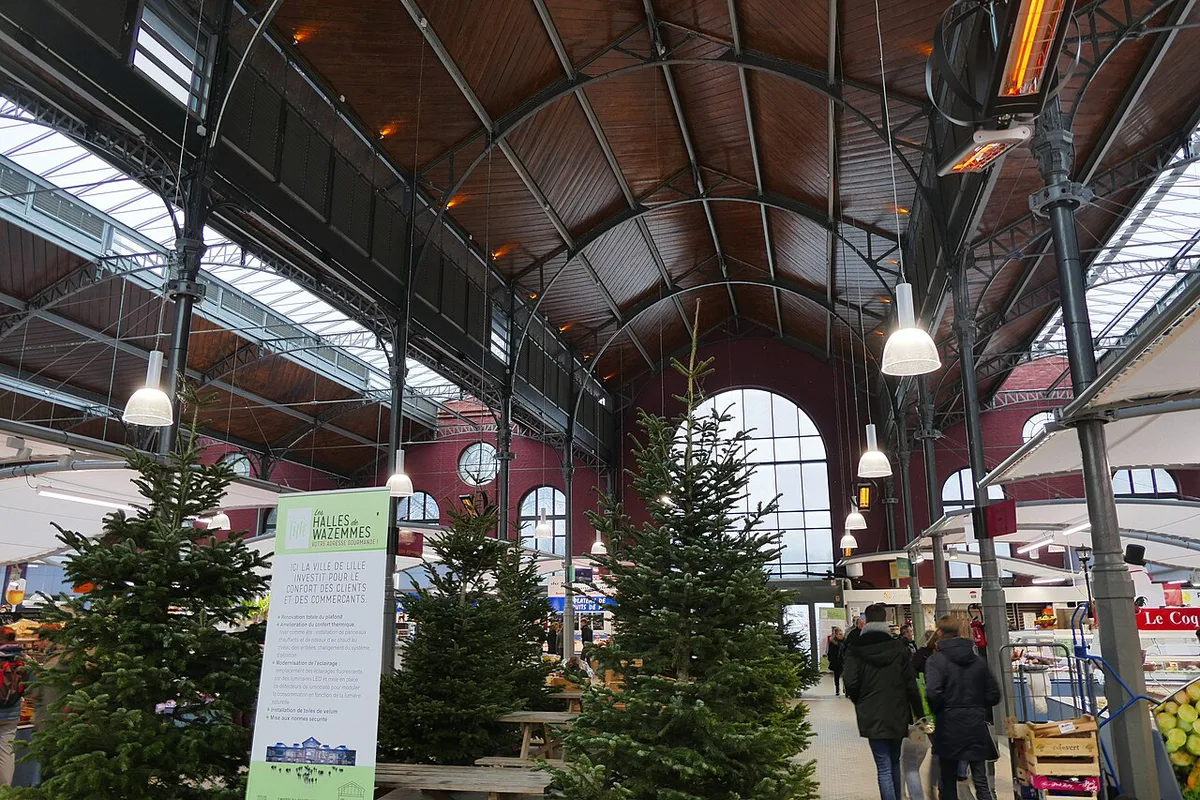
Safe Neighborhoods for Tourists in Lille
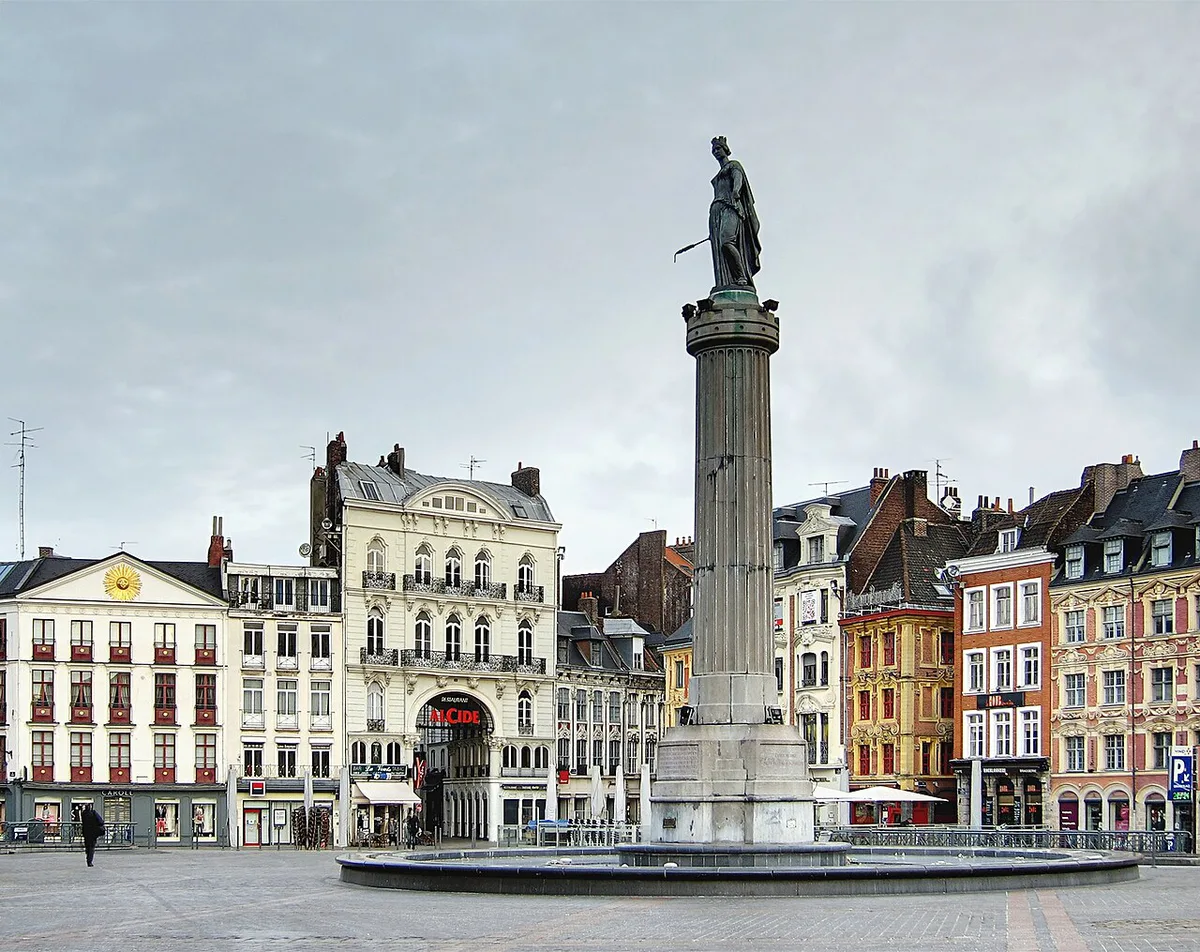
Vieux-Lille is the natural base for most visitors and, in practical terms, the safest and most convenient part of the city. Its cobblestoned streets radiate out from the Grand Place and the Vieille Bourse, and the sheer density of restaurants, bars, and shops keeps pedestrians on the streets from breakfast through last call — that constant activity is itself one of the best safety features a neighborhood can have. West of the historic center, Vauban and the adjoining Cormontaigne district offer a quieter alternative built around Vauban park and the university faculties; both are largely residential and student-heavy, and the relative quiet there reflects a calm, low-traffic character rather than any kind of warning sign. Both neighborhoods stay connected to the center via the Ilévia network, so choosing a quieter base does not mean sacrificing easy access to the sights. The matrix below gives a decision-support snapshot of each district covered in this guide.
| Neighborhood | Daytime Safety | Nighttime Vibe | Transit Access | Verdict for Travelers |
|---|---|---|---|---|
| Vieux-Lille | Very safe, dense foot traffic | Lively and well-populated late into the evening | Central, walkable to most sights | Best base for most first-time visitors |
| Grand Place / Centre | Very safe, tourist-dense | Busy and active, especially on weekends | Ilévia metro and tram hub | Convenient, though crowded during events and the Braderie |
| Vauban | Calm, residential | Quiet, low foot traffic after dark | Connected to center via Ilévia | Good for a peaceful stay near the park |
| Cormontaigne | Calm, student-heavy | Quiet, campus-adjacent | Connected to center via Ilévia | Solid alternative to staying in the center |
| Wazemmes | Safe by day, busy around the market | Mixed — side streets call for more care at night | Ilévia-connected | Fine for a visit; use more judgment after dark |
| Lille-Sud | Mixed, more residential than touristic | Requires more caution after dark | Served by Ilévia but farther from the sights | Not a priority base for a short stay |
Areas to Exercise Caution in Lille
No part of central Lille is off-limits, but a handful of pockets call for more situational awareness than the postcard core. The plazas around Gare Lille-Flandres and Gare Lille-Europe are safe and heavily trafficked during the day and early evening, when a steady stream of commuters and regional travelers keeps them full of people; later at night, once that traffic thins out, the same plazas empty and deserve more caution, especially for anyone waiting alone for a late connection. Parts of Wazemmes — lively and safe around its market by day — and sections of Lille-Sud that sit further from the main tourist circuit see noticeably less foot traffic after dark and are better navigated with extra care than Vieux-Lille or the Grand Place. None of this should be read as a reason to avoid these neighborhoods outright; it is simply a case for treating them with the same common-sense awareness applied in any unfamiliar city after hours. For a full, street-level breakdown of exactly which pockets warrant that extra caution, see the dedicated guide to specific pockets worth avoiding.
Lille's entire safety model rests on one factor: foot traffic. Dense crowds in Vieux-Lille and the Grand Place provide inherent security day and night. Periphery zones and station plazas lose that crowd-provided visibility after dark, which is why they warrant extra caution.
Safety at Night: Walking and Public Transport
Vieux-Lille and the streets immediately around the Grand Place stay comfortable to walk after dark, thanks to the same restaurant and bar density that keeps them busy all evening. The Ilévia network operates the city's transit, including the VAL metro — a fully automated, driverless system whose enclosed platforms feel more controlled and predictable than the open plazas outside the stations. That contrast matters: the metro itself is one of the more reassuring ways to move around Lille at night, while the station plazas at Gare Lille-Flandres and Gare Lille-Europe are the parts that call for more attention once the evening crowds thin out. As with any transit system, services run less frequently late at night than during the day, so it is worth checking the Ilévia timetable in advance of a late return rather than assuming daytime frequency holds after dark. For the fuller nighttime picture — which streets to prioritize, and what changes after dark — see the dedicated nighttime safety breakdown, and for a closer look at how the metro, tram, and bus network holds up for visitors specifically, see the public transport safety guide.
Common Scams and Petty Crime in Lille
Petty theft, not violent crime, is the safety issue travelers are most likely to actually encounter in Lille. Pickpocketing clusters in the same kinds of places it does across major European cities: the Grand Place on busy weekends, the Wazemmes market, packed metro carriages during rush hour, and restaurant terraces where bags get hung on the back of a chair within easy reach. Distraction scams are the most commonly reported tactic — someone asking for directions, a signature, or help with a survey while an accomplice works a bag or pocket unnoticed. Risk climbs further during the Braderie de Lille, the city's enormous flea market traditionally held over a weekend each September, when dense crowds along the market route create ideal cover for pickpockets; keeping bags zipped and worn to the front of the body is a sensible precaution when visiting during the event. The core defenses apply everywhere in the city: keep phones and wallets in zipped inner pockets rather than back pockets or open tote bags, avoid counting cash in the open, and stay alert in any crowd that presses in close. For a fuller rundown of tactics to watch for and how best to respond, see the guide to common scam tactics.
Solo Female Travel Safety in Lille
Lille's compact, university-driven social scene makes it one of the more comfortable French cities for solo female travelers. The large student population around Vauban and Cormontaigne keeps cafes, bars, and public squares filled with a mixed, low-key crowd well into the evening, and the walkability of Vieux-Lille means solo diners and evening strollers are an ordinary, unremarkable sight rather than an exception that draws attention. That said, the standard precautions that apply to any city still apply here: sticking to lit, populated streets after dark, sharing a live location with someone when heading home late, choosing accommodation in one of the well-walked neighborhoods described above, and treating unwanted attention the way it would be treated anywhere else — firmly, and without any obligation to engage. For neighborhood-specific advice, evening etiquette, and where solo travelers tend to feel most comfortable basing themselves, see the dedicated solo female travel guide.
Family Travel Safety in Lille
Families weighing whether Lille is a comfortable choice for a trip with children can take confidence from the same factors that make the city comfortable for solo travelers: a compact, walkable center, lower traffic stress compared with a larger capital, and a historic core that stays populated and lively through the day. The Grand Place and the streets of Vieux-Lille are pedestrian-heavy and easy to navigate with a stroller or young children in tow, and the Ilévia network's metro and tram lines offer a straightforward way to move around without relying on driving in unfamiliar traffic. The same caution that applies to any traveler holds for families too — treat the station plazas around Gare Lille-Flandres and Gare Lille-Europe with a bit more awareness in the evening, and keep an eye on bags and belongings in crowded spots like the Wazemmes market or the Grand Place during a busy weekend. None of this differs meaningfully from the baseline precautions any family would take in a mid-sized European city.
Choosing Where to Stay: Center vs Periphery
Where to base a stay in Lille comes down to a fairly clear trade-off between safety, convenience, and cost. Staying inside Vieux-Lille or immediately around the Grand Place puts a traveler within walking distance of the main sights and the busiest, most consistently populated streets in the city, and that convenience typically comes at a premium compared with options further out. Moving toward the periphery — Vauban, Cormontaigne, or the quieter residential edges of Wazemmes — trades some of that late-night buzz for calmer streets and generally better value, while staying connected to the center through the Ilévia metro and tram network. Basing further out in Lille-Sud or other areas away from the main transit corridors can save further on cost, but it means factoring in longer and less frequent connections for a late return, which is worth weighing carefully against how much evening activity is planned for a given trip.
Neighborhoods recommended as Lille's safest bases—Vieux-Lille, Grand Place, Wazemmes—are where pickpockets concentrate: crowded weekends, markets, busy transit. This isn't a flaw. Tourist-dense areas attract both safety through crowds and theft through opportunity. The defense is alertness, not avoidance of central neighborhoods.
- Historic center (Vieux-Lille, Grand Place): highest convenience and safety, priced accordingly
- Inner periphery (Vauban, Cormontaigne): quieter streets, generally better value, still connected via Ilévia
- Outer periphery (Lille-Sud and beyond the main transit corridors): lowest cost, requires more planning around late-night transit
Emergency Information and Local Logistics
France's national emergency numbers apply in Lille exactly as they do everywhere else in the country: 17 reaches the police, 15 reaches the SAMU medical emergency service, 18 reaches the fire brigade, and 112 is the general EU-wide emergency number that connects to all three if there is any doubt about which to call. Hello Lille, the city's official tourism office near the Grand Place, is a practical first stop for visitor information, including guidance on where to report a theft or find the nearest pharmacy. Pharmacies marked with the green cross sign, a standard across France, are widely distributed through the center for non-emergency needs, and Lille's hospitals handle emergency care for the wider metropolitan area. For official administrative matters — lost documents, residency questions, or formal reports — the Lille Prefecture is the relevant regional authority. It is worth saving the Ilévia and Hello Lille contact details before a trip, since transit help points and staffed hours can shift with the season.
Where to Get Help After Theft or Injury
If a wallet, phone, passport, or bag goes missing, start with the basics before leaving the area: cancel cards, use your device account to lock or trace the phone, and write down where it happened, such as Grand Place, Wazemmes market, Gare Lille-Flandres, or a specific metro line. For an insurance claim or replacement passport, you will usually need a formal report from the police; ask your hotel, the Ilévia staff desk, or the Hello Lille tourism office at Palais Rihour to point you to the nearest police station if you are unsure where to go.
For medical help, call 15 or 112 in an emergency rather than trying to self-transfer across the city. The main hospital campus is CHU de Lille, served by the CHU - Eurasanté metro stop, and Hôpital Roger Salengro handles major emergency care. Keep a photo of your passport separate from the original, especially on station-transfer days.
For trip-planning details, see UK FCDO travel advice for France.
Explore is safe in other cities
Frequently Asked Questions
Is Lille safer than Paris?
In our editorial assessment, yes — Lille reads as calmer and easier to navigate than Paris, with a much smaller, more walkable center and lighter crowd pressure outside of major events like the Braderie de Lille. Both cities share the same underlying pattern of petty theft in tourist-dense areas, but Lille's compact core makes it simpler to stick to well-populated streets throughout a visit.
Which areas of Lille should tourists avoid?
No neighborhood in Lille is strictly off-limits, but the plazas around Gare Lille-Flandres and Gare Lille-Europe deserve more caution late at night, along with pockets of Wazemmes and Lille-Sud that sit away from the main tourist circuit. Treating these areas with extra situational awareness after dark, rather than avoiding them outright, is the more accurate approach.
Is it safe to walk in Lille at night?
Yes, especially in Vieux-Lille and around the Grand Place, where restaurants and bars keep the streets busy late into the evening. Standard precautions — sticking to lit, populated streets and treating the station plazas with more caution after dark — cover most of what a solo walker needs to plan around.
Is the Lille metro safe for tourists?
Yes. The VAL metro, operated by Ilévia, is a fully automated, driverless system with enclosed platforms that feel more controlled than the open plazas outside the stations. The main thing to plan around is reduced frequency late at night, so it is worth checking the timetable before a late return.
What are the most common tourist scams in Lille?
Distraction-based pickpocketing is the most reported issue, typically in crowded spots like the Grand Place on weekends, the Wazemmes market, and busy metro carriages during rush hour. Keeping bags zipped and to the front of the body in crowds, and staying alert to anyone requesting directions or a signature, covers the majority of reported incidents.
Stay Safe in Lille
Every Lille safety guide on one page — areas, scams, night rules, and getting around.