Is Lille Safe for Solo Female Travellers?
Last updated May 2026, this guide answers the question most solo women ask before booking a trip to northern France: is Lille safe for solo female travellers? In short, yes — the city's compact centre, consistently well-lit main streets, and lively student population make it one of the more comfortable French cities to explore alone, provided you plan where you stay and how you move around after dark. The sections below break down the safest neighbourhoods, day-versus-night habits, transport choices, and common scams so a solo trip to Lille feels straightforward rather than stressful.
Quick Answer: Is Lille Safe for Solo Female Travellers?
For solo women weighing a trip to northern France, Lille compares favourably with larger French cities. Where Paris and Marseille draw more caution around major tourist sites and certain late-night districts, Lille's compact old town and calmer overall pace make it easier to keep your bearings on foot, even after a full day of sightseeing and a late dinner. Locals across Hauts-de-France lean into the region's 'Ch'ti' reputation for warmth and directness, and that welcoming tone extends to solo travellers who stop to ask for directions or a restaurant recommendation. Comfort here still comes with the same baseline rules as any mid-sized European city: book central, keep to lit streets after dark, and know the layout before you set out for the evening. For the fuller breakdown of precautions and local context behind that quick answer, read the overall Lille safety guide.
Safe Neighbourhoods vs Areas to Exercise Caution
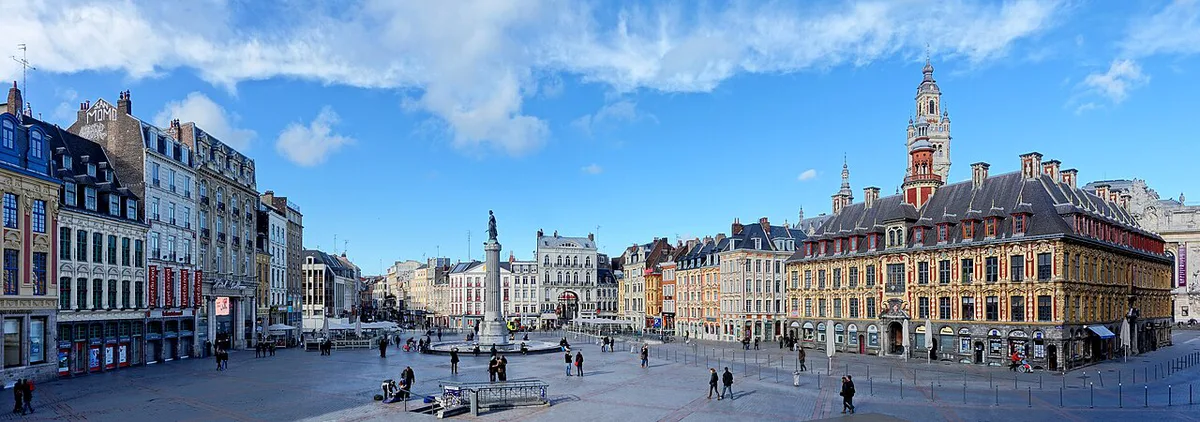
Vieux Lille is the neighbourhood most local guidance points to first for a solo stay: cobbled streets, boutique hotels, and restaurant terraces keep the district well-lit and populated well into the evening, and its central position means Grand Place, the Palais des Beaux-Arts, and the main shopping streets all sit within easy walking distance. Wazemmes has a different rhythm — its market and street-food scene make it one of the most atmospheric parts of the city by day, but the same narrow streets that feel lively at noon thin out after dark, so it rewards a bit more awareness once the stalls pack up and shops close. The area around Gare de Lille Flandres and Lille Europe sees the heaviest foot traffic in the city, which cuts both ways: it is rarely empty, but the crowds are exactly where pickpockets concentrate, so treat both stations with the same vigilance you would apply at any major transit hub. Rue Solférino and Rue Masséna, sometimes nicknamed the 'Rue de la Soif,' are the city's main student party streets — busy enough that solo travellers are rarely walking alone, but loud and prone to rowdy, drunk behaviour late on weekend nights. For a fuller street-by-street list of pockets worth extra caution, see the dedicated areas to avoid in Lille guide.
| Neighbourhood | Solo Safety Profile | Nightlife Noise | Proximity to Attractions |
|---|---|---|---|
| Vieux Lille | Well-lit and populated into the evening; editorial pick for solo stays | Low to moderate | Central; short walk to Grand Place |
| Centre / station area | Busy by day; stay alert near Lille Flandres and Lille Europe | Moderate | Very central; main transit hub |
| Wazemmes | Lively market atmosphere by day; more caution needed after dark | Moderate to high | Short tram or metro ride from the centre |
Navigating Lille Alone: Day vs Night
Daytime exploring in Lille's centre is straightforward for a solo traveller: the pedestrianised streets around Grand Place and Vieux Lille stay busy from the morning market through the evening dinner rush, and the compact layout means most sights sit within a short walk of one another. After dark, the area around the Sébastopol theatre and Rue Solférino stays genuinely busy — local forum discussions consistently describe it as safe precisely because it is never empty, with restaurant and bar crowds spilling onto the pavement well past midnight. The trade-off is noise and the occasional overly friendly drunk reveller rather than any serious threat, so treat it as a safety-in-numbers street rather than one to avoid outright. Quieter side streets away from this corridor thin out faster, which is exactly where sticking to main, lit routes matters most. If a visit lines up with the Braderie de Lille, the annual flea market that fills much of the city centre, expect significantly larger crowds citywide and adjust routes and timing accordingly, since dense crowds change the usual safety calculus even on familiar streets. For a deeper, street-by-street look at after-dark patterns, see the night safety in Lille guide.
Public Transport Safety for Solo Travellers
Lille's public transport network, run by Ilévia, covers the city with metro lines plus Citadine and other bus routes, and both are a practical option for solo travellers moving between neighbourhoods after dark rather than walking unfamiliar side streets. Metro carriages and platforms at central stations stay reasonably populated into the evening thanks to the student population, and stations are generally well-lit. For the operator's own service updates and night-schedule details, Ilévia's official site is the primary reference; for a full local breakdown of which lines and stops warrant extra attention, see the public transport safety tips guide. A simple decision matrix helps when weighing whether to walk, take the metro, or call a ride:
Transport choices follow the day's progression: central streets remain walkable before dark, metro service covers evening trips across town, and licensed taxi or rideshare becomes essential after bar closing. Pre-installing Uber or G7 Taxi removes late-night logistics, aligning transport with genuine hour-by-hour safety shifts.
- Daytime, short hop within Vieux Lille or the centre: walking is the norm and generally comfortable.
- Evening trip across town before the metro's last service: the Ilévia metro is the practical, well-lit option.
- Late night after Rue Solférino's bars close: a licensed taxi or rideshare to the door is the safer call.
- Arriving at Gare de Lille Flandres or Lille Europe after dark: head straight for the taxi rank rather than lingering outside.
Common Scams and Petty Crime Prevention
Lille's petty crime risk mirrors most mid-sized French cities: opportunistic pickpocketing rather than violent crime, concentrated at Grand Place, in market crowds around Wazemmes, and inside both Gare de Lille Flandres and Lille Europe during peak arrival and departure times. Keep bags zipped and worn across the body in these spots, and treat any elaborate distraction — a dropped item, a petition to sign, a sudden question — with polite but firm disengagement before moving on. Unwanted attention on the street is best handled directly: a clear 'non, merci' paired with continuing to walk toward a populated area shuts down most interactions quickly, and stepping into a café or shop is a reliable way to break contact if anyone persists. For a fuller rundown of the specific scams reported around the city, see the common tourist scams in Lille guide.
Top Solo-Friendly Activities in Lille
Solo days in Lille are easy to fill without ever feeling like you are killing time. The Palais des Beaux-Arts, one of France's largest fine art museums outside Paris, makes for a full solo-friendly afternoon and sits right in the centre. The Citadelle and its surrounding park are popular with local joggers and walkers throughout the day, making it a comfortable place for a solo stroll or run in daylight hours. For solo dining, Vieux Lille's restaurant terraces are used to single diners, especially at lunch, and the Grand Scène food hall is built around communal tables and casual, come-as-you-are seating that takes the edge off eating alone.
- Palais des Beaux-Arts for a solo museum afternoon in the city centre.
- Citadelle park for daytime jogging or a quiet solo walk.
- Vieux Lille restaurant terraces for solo lunches and dinners.
- Grand Scène food hall for casual, communal-table solo dining.
When Lille Gets Busier: Events and Crowd Safety
Safety dynamics shift during Lille's biggest annual events, most notably the Braderie de Lille, when the flea market and accompanying street food and music draw crowds across the centre for a full weekend. Larger crowds generally mean more people around at all hours, which can feel reassuring in the safety-in-numbers sense, but they also create denser pickpocket conditions and make it easier to lose a planned route. Treat any event weekend as a reason to keep valuables closer, agree on a meeting point if travelling with others, and expect normal walking routes through the centre to take longer than usual. Outside of major events, the city's day-to-day rhythm is calmer and easier to predict for solo planning.
Practical Safety Checklist for Solo Female Travellers
A short checklist covers most of what solo female travellers need to have in place before heading out for the day or evening in Lille. Dial 112 for any emergency anywhere in France — the single number that reaches police, medical, and fire services. Keep a rideshare app such as Uber, or a licensed operator like G7 Taxi, installed and ready rather than trying to hail one on the spot late at night. A handful of firm French phrases go a long way toward setting boundaries without escalation. And the same guidance locals give applies everywhere in the city: book Vieux Lille or the centre, and keep to the main, lit streets around the two stations once the evening sets in.
Basing oneself in Vieux Lille accomplishes multiple safety goals simultaneously: the neighbourhood stays well-lit late, its central location means major attractions (Palais des Beaux-Arts, Grand Place) require no evening transport, and restaurant culture welcomes solo diners. This single choice reduces most late-night navigation risks.
- Emergency number: 112, reachable anywhere in France for police, medical, or fire.
- Ride apps: Uber or licensed operators like G7 Taxi for late-night transit.
- Boundary phrases: a firm 'non, merci' and 'laissez-moi tranquille' go a long way.
- Base yourself in Vieux Lille or the centre and stick to lit main streets near the stations after dark.
- Share evening plans with someone and note the nearest taxi rank before heading out.
Frequently Asked Questions
Is Lille safer than Paris for solo female travellers?
In our editorial assessment, Lille's smaller scale and calmer centre make day-to-day navigation easier than in Paris, where larger crowds and more tourist-dense zones draw more frequent pickpocketing warnings. The same baseline precautions apply in both cities, but Lille's compact core means less time spent working out unfamiliar transit connections after dark.
What is the safest area to stay in Lille as a solo woman?
Vieux Lille is the most consistently recommended base: it stays well-lit and populated into the evening and puts most major sights, including Grand Place, within walking distance. The wider centre near the two main stations is a reasonable second choice for the same reasons, provided normal station-area vigilance applies.
Is it safe to walk alone in Lille at night?
Central corridors like the Sébastopol theatre area and Rue Solférino stay busy well past midnight, which locals cite as a safety-in-numbers point even though the noise level rises on weekend nights. Quieter side streets away from that corridor thin out faster, so sticking to main, lit routes matters more once you step off the busiest strips.
Is public transport in Lille safe for solo women at night?
Ilévia's metro lines and Citadine buses are the standard practical option for evening trips across town, with central stations staying reasonably lit and populated thanks to the student population. Later at night, pairing a short metro ride with a licensed taxi or rideshare for the last stretch is a reasonable approach.
What should solo travellers know about Rue Solférino?
Rue Solférino is Lille's main student nightlife strip, sometimes nicknamed the Rue de la Soif, and it is rarely empty on weekend nights. Expect noise and occasional rowdy, drunk behaviour rather than serious danger, and treat the size of the crowd itself as part of what keeps the street comfortable to walk through.