Is Carcassonne Safe for Solo Female Travellers?
Last updated June 2026: is Carcassonne safe for solo female travellers weighing a stop in the Languedoc region? In short, yes — this UNESCO World Heritage town pairs a walkable, family-friendly Bastide Saint-Louis with a fortified hilltop Cité that stays busy with day-trippers well into the evening, and violent crime is not a meaningful concern for visitors who stick to ordinary urban precautions. This guide breaks down safety district by district, covers the night walk across the Pont Vieux, and lines up practical logistics so a solo trip can focus on the Cathar history rather than second-guessing every street.
The Verdict: Is Carcassonne Safe for Solo Female Travellers?
For solo women asking whether Carcassonne is safe, the short answer is reassuring: this is one of the more comfortable stops in the Languedoc region for travelling alone. The city splits into two distinct halves — the fortified Cité on its hilltop and the workaday Bastide Saint-Louis below — and both draw a steady flow of visitors, families, and shopkeepers rather than the kind of isolated backstreets that raise real risk. Carcassonne's identity as a UNESCO World Heritage site tied to Cathar history means its narrow lanes are built around tourism, with cafés, ticket offices, and craft shops keeping foot traffic high through most of the day. Standard precautions — watching a bag in crowds, knowing where to be after dark, confirming accommodation before arrival — cover almost every scenario a solo traveller will meet here, and the overall atmosphere leans toward historic and touristy rather than edgy or unpredictable. For a broader district-by-district breakdown of the destination, the Carcassonne safety overview covers the fundamentals this guide builds on specifically for solo women.
Safety by District: La Cité vs. Bastide Saint-Louis
Carcassonne's two halves feel different once the day-trip crowds clear out, and knowing which is which matters more than any single safety statistic for a solo traveller.
The Bastide's Place Carnot and surrounding lanes offer everyday bistros where solo diners are unremarkable, reflecting the district's real-world grid of cafés and boutiques with ordinary street life. In contrast, Cité restaurants lean toward set tourist menus for coach groups, reinforcing why the Bastide works better for solo evening dining.
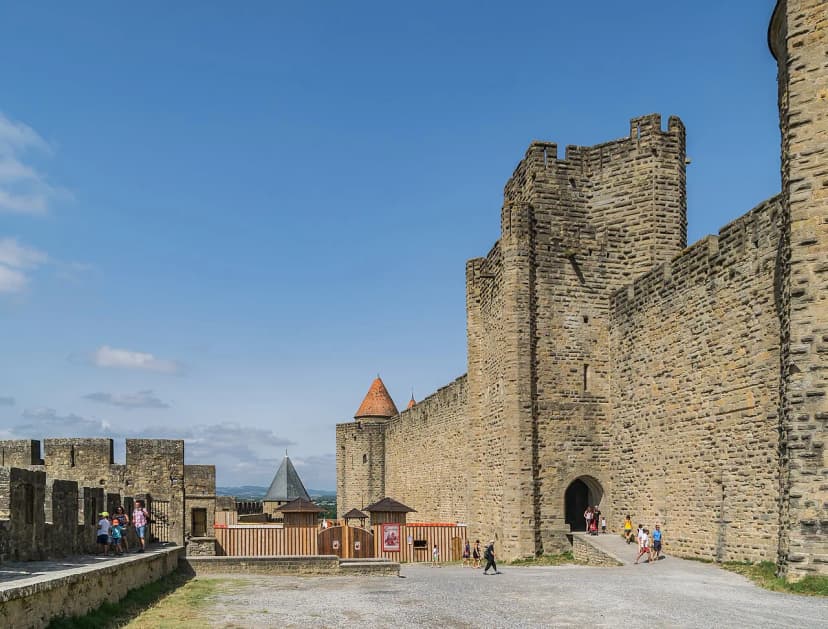
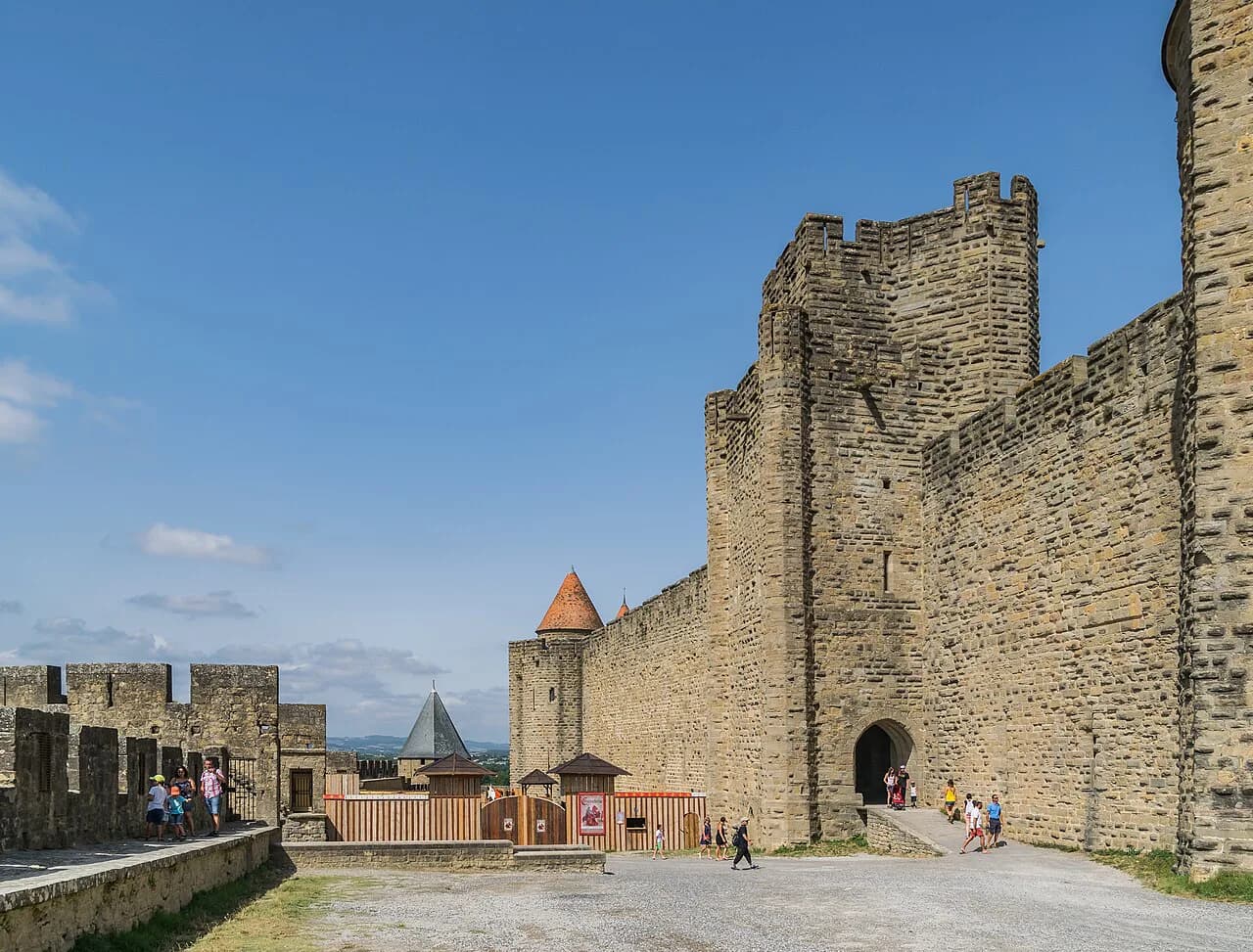
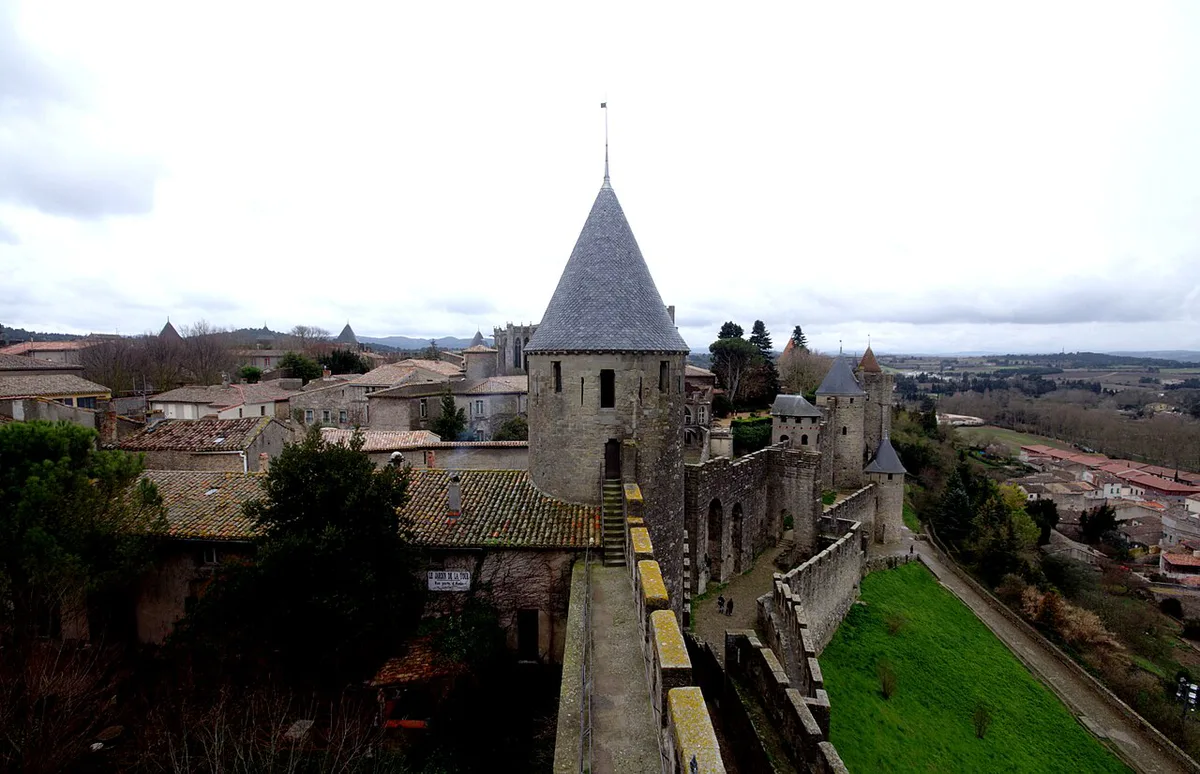
- La Cité (The Fortress): Extremely safe throughout the day, when day-trippers, tour groups, and shopkeepers fill the cobbled lanes behind roughly three kilometres of battlements and more than 50 towers. Home to only around 120 residents living within the walls, the fortress empties out fast once the coach groups leave in the evening, and the alleys can feel eerily quiet rather than dangerous — a good reason to already have dinner plans, or an overnight stay inside the walls, locked in before dusk.
- Bastide Saint-Louis (Lower Town): A more "real-world" grid of cafés, boutiques, and the central Place Carnot, with pleasant, everyday street life rather than a tourist-only bubble. Ordinary city awareness applies here — sticking to well-lit main streets and keeping a general sense of who else is around — and the specific pocket worth sidestepping is covered in the areas to avoid guide.
- Gare de Carcassonne (Train Station): Arriving alone after dark deserves a little extra planning, since the walk from the station into the Bastide crosses quieter residential streets before reaching the lit town centre. Booking arrivals for a time when accommodation check-in is confirmed, and routing through the main boulevards rather than side lanes, keeps the walk from the station straightforward.
Walking Alone: The Pont Vieux and Night Safety
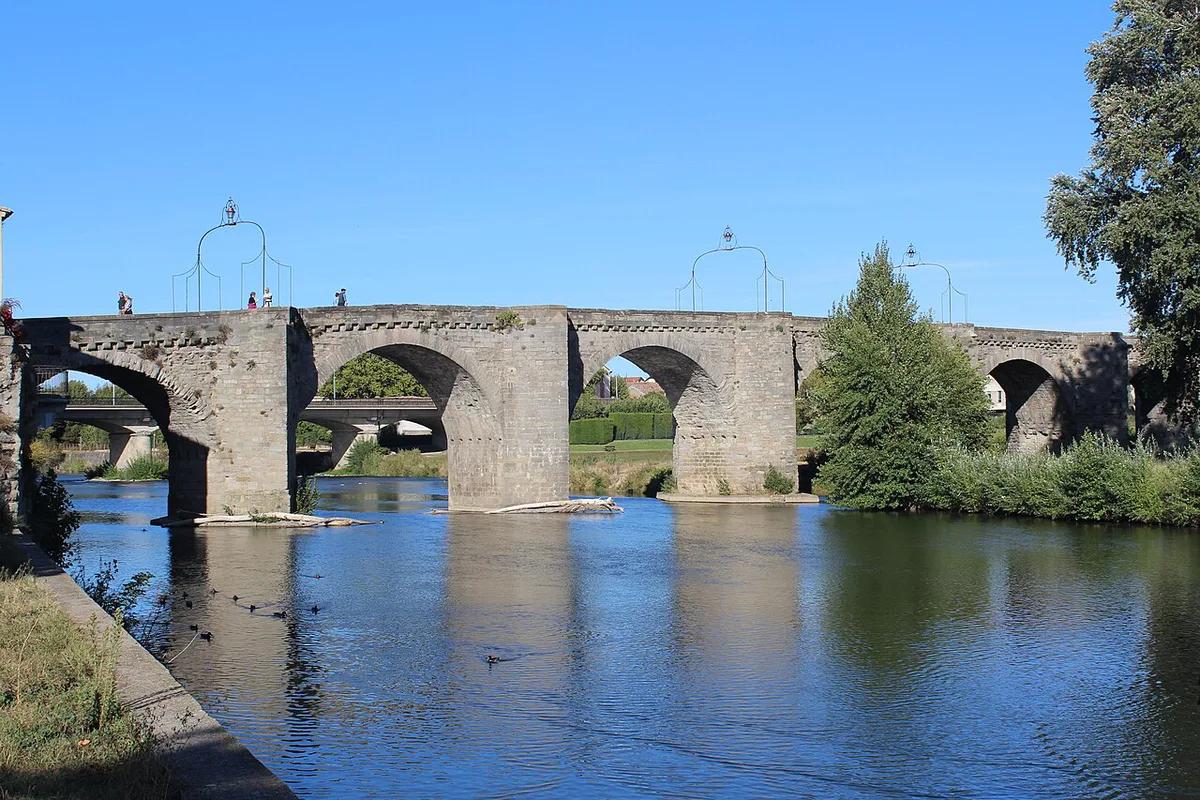
The 14th-century Pont Vieux is the classic pedestrian link between the Bastide and La Cité, carrying foot traffic across the Aude River in a walk that takes roughly 15 to 20 minutes end to end, depending on where in each district the route starts. The final stretch climbs past the old moat and a stone drawbridge before entering the fortress through the imposing Porte Narbonnaise. By day this is simply a scenic stroll with the fortress silhouette drawing closer with every step; in the early evening it stays comfortable too, since restaurant and hotel traffic keeps moving between the two halves of town. Later at night, once La Cité's dinner crowd thins out and the alleys inside the walls go quiet, treat the walk the way any solo traveller would treat a quiet stretch anywhere: stick to the lit main route rather than shortcuts through the jousting grounds or side lanes. The full Carcassonne safety at night breakdown covers timing the crossing in more depth.
Common Scams & Petty Crime
Petty crime in Carcassonne is low-key by European city standards, and the main risk for solo travellers is the same one that follows any dense, camera-out crowd: pickpocketing in the busiest pinch points, particularly around the Porte Narbonnaise entrance and the queues for the Château Comtal ticket office, where attention is on the fortress rather than a daypack or a phone in a back pocket. A crossbody bag worn to the front, cash and cards split between two spots, and a hand kept near a phone in crowded lanes covers most of the realistic risk. Distraction approaches such as petition-signing or "found ring" routines are more associated with larger French cities than with a town the size of Carcassonne, but the general playbook still applies: keep moving through dense crowds, decline unsolicited approaches, and keep valuables zipped rather than in an open tote. The Carcassonne tourist scams guide rounds up the specific patterns worth recognising before a visit.
Solo Female Logistics: Transport & Dining
Getting up to the hilltop fortress and finding a table that is not aimed squarely at coach tours are the two logistics questions solo travellers ask most. On foot, the climb from the Bastide takes the same 15-to-20-minute window as the Pont Vieux crossing, and the route is well-trodden enough that walking alone in daylight is straightforward. For a shorter or less steep option, Le Petit Train and the town's navette shuttle both run seasonal routes up to La Cité; timetables shift by season, so checking the current schedule against the Carcassonne tourism office's official listings before a visit is worth the two minutes it takes. For dining, the streets immediately inside the Cité's walls lean toward set tourist menus pitched at day-trip groups, while the Bastide's Place Carnot and the surrounding lanes hold a wider spread of everyday bistros where solo diners at a small table are entirely normal rather than an anomaly. The table below compares the main ways to reach La Cité for a solo trip. The Carcassonne public transport safety guide covers the station and bus network in more depth for anyone routing onward from Carcassonne.
| Option | Journey Time | Best For |
|---|---|---|
| Walking (Bastide to La Cité) | 15-20 minutes | Budget-friendly, scenic, flexible timing |
| Le Petit Train | Short seasonal hop | Reduced walking, easy orientation for a first visit |
| Navette shuttle | Short seasonal hop | Direct link from the town centre; check the current timetable |
Decision Criteria: Is Carcassonne Right for Your Solo Trip?
Carcassonne earns its UNESCO status and its reputation as one of the most photographed towns in southern France, but it is worth weighing a few trade-offs before building a solo itinerary around it. La Cité's postcard-perfect lanes can tip into a "Disney-fied" feel at peak times, particularly through August when Carcassonne sits at the height of the regional holiday season and the fortress fills with coach groups and day-trip crowds. Nightlife aimed at solo socialising is limited compared with larger French cities — most evenings revolve around a lit-up fortress view and a quiet dinner rather than a bar scene. Against that, the town's compact size, high walkability, and strong English fluency in Cité shops and restaurants make it an easy solo stop rather than a demanding one. Two to three days tends to be the sweet spot: enough time for a full day inside La Cité, an evening to see the fortress lit up after the crowds thin, and a slower morning in the Bastide, without stretching into a week that outpaces what a single small city can offer a solo traveller.
Day-time foot traffic from visitors, families, and shopkeepers keeps La Cité and the Bastide busy and safe; the Pont Vieux crossing is scenic by day but requires caution after dinner crowds thin. Planning a two-to-three-day visit lets solo travellers see the lit fortress in evening hours without stretching into repetition.
| Pros | Cons |
|---|---|
| UNESCO-listed fortress unlike anywhere else in France | La Cité can feel crowded and "Disney-fied" at peak August travel |
| Compact and walkable; both districts cover easily on foot | Limited nightlife options for solo travellers seeking a social scene |
| High English fluency in Cité shops and restaurants | Two to three days is typically enough — longer can tip into boredom |
Essential Solo Safety Tips for France
A short list of country-level habits rounds out solo prep for the wider region, not just Carcassonne itself.
- Emergency numbers: 112 works nationwide across France for police, medical, or fire emergencies and connects to English-speaking operators, making it worth saving before arrival rather than searching for it under pressure.
- Basic French phrases: knowing simple lines such as "Où est..." (where is) or "Je suis perdue" (I am lost, said by a woman) smooths solo navigation even in a town with strong English fluency in tourist-facing shops and hotels.
- The "Bonjour" rule: greeting shopkeepers and cafe staff with a simple bonjour before asking a question is standard French etiquette, and skipping it is one of the more common friction points visitors report; using it tends to make solo interactions noticeably warmer.
- Confirm details ahead: cross-checking current transport timetables against SNCF's own station information, and reviewing the French Government's Conseils aux Voyageurs guidance for the wider trip, covers the two genuine planning gaps solo travellers hit most often around Carcassonne.
Frequently Asked Questions
Is Carcassonne safe for solo female travellers at night?
Yes, in the sense that violent crime is not a meaningful concern, though La Cité empties out and feels quiet after the day-trip crowds leave. Sticking to the lit route across the Pont Vieux and confirming accommodation before dark covers most of the practical planning.
How long should a solo traveller spend in Carcassonne?
Two to three days is generally enough to see La Cité properly, catch it lit up in the evening, and spend a slower morning in Bastide Saint-Louis, since the town is compact and can start to feel repetitive for a solo traveller beyond that window.
Is it safe to walk from the train station to La Cité alone?
The route from Gare de Carcassonne into the Bastide and on toward La Cité runs through ordinary town streets and stays busy in daylight hours. Arriving after dark is manageable by sticking to the main lit boulevards rather than side streets, and confirming accommodation in advance removes most of the guesswork.
What are the biggest safety risks for solo women in Carcassonne?
The main risk is petty theft rather than anything more serious — pickpocketing in dense pinch points like the Porte Narbonnaise entrance and the Château Comtal ticket queue is the most common issue, manageable with a crossbody bag and normal crowd awareness.
Is La Cité or Bastide Saint-Louis better for solo dining?
Bastide Saint-Louis, particularly around Place Carnot, tends to offer better value and a more local dining scene, while restaurants immediately inside La Cité's walls lean toward set tourist menus aimed at coach groups.