
Marseille Tourist Scams: A Local Safety Guide
Last updated May 2026, this guide breaks down the most common Marseille tourist scams so visitors can recognize the pattern before it plays out. The bulk of incidents are opportunistic rather than violent, ranging from phone-snatching near metro exits and scooter-based bag grabs on the Canebière to inflated bouillabaisse bills near the Vieux Port and the tight pickpocket press inside the Noailles market. Read this alongside the wider Marseille safety overview to build a fuller picture before setting out.
Marseille Tourist Scams: A Quick Overview
Most Marseille tourist scams fall into a handful of repeatable categories: snatch-and-grab theft, distraction schemes that rely on a "helpful" stranger or a fake charity clipboard, and legal-but-inflated tourist pricing in restaurants and taxis. None of it is unique to Marseille, but the delivery is local: phone-snatching near transit exits, scooter-based bag grabs along the Canebière, and the tight, shoulder-to-shoulder crowds of the Noailles market that make pickpocketing easy to disguise as jostling. The distinction below separates outright scams from legal tourist traps, since the response to each is different.
| Category | Definition | Marseille Example |
|---|---|---|
| Scam | An illegal act intended to steal money, cards, or belongings | An accomplice lifts a phone or bag during a staged distraction near a transit exit |
| Tourist Trap | A legal but poor-value experience aimed at visitors | A Vieux Port restaurant charging a premium for a bouillabaisse that was never made to order |
- Phone snatching near metro and tram exits, often while a visitor is looking down to check directions
- Scooter-based bag grabs along the Canebière, usually targeting bags worn on the street side
- Pickpocket presses inside the crowded Noailles market
- Fake charity or petition clipboards used as a distraction near the Vieux Port
- Inflated tourist-menu bouillabaisse and seafood platters
- Unlicensed taxis and inflated fares around Gare Saint-Charles and the airport
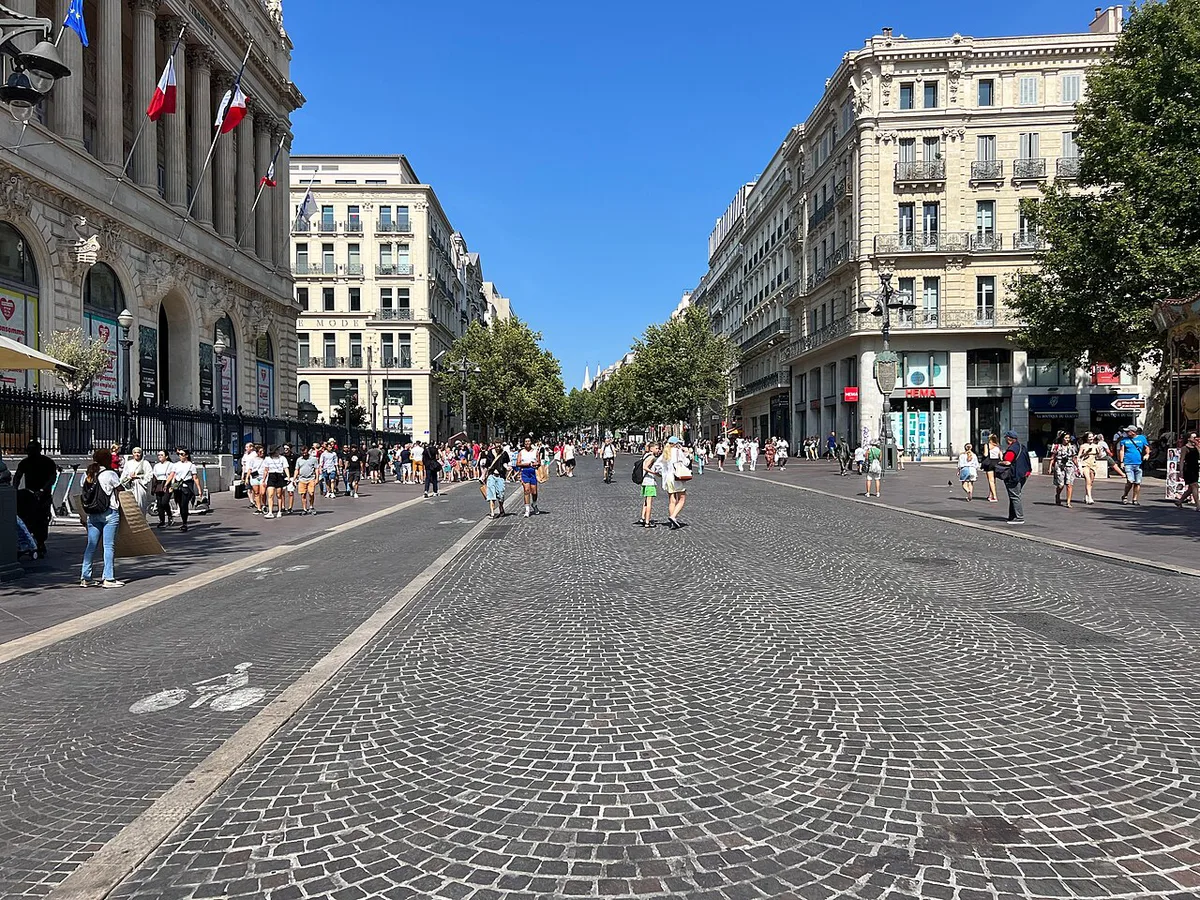
High-Risk Locations for Scams: Vieux Port, Noailles, and Saint-Charles
The Vieux Port, Le Panier, Noailles, and Gare Saint-Charles see the heaviest visitor foot traffic in Marseille, and scam attempts cluster wherever crowds and distraction are easiest to engineer. Noailles market's narrow lanes and dense stalls make it a natural spot for a pickpocket press, where a sudden crowd surge or a deliberate bump covers a hand reaching for a pocket or bag. Gare Saint-Charles draws distraction theft around the ticket machines and station concourse, where a stranger's unsolicited help with a ticket purchase is a common opener. Certain pockets of the 3rd and 14th arrondissements carry a different risk profile after dark and are covered in more detail in the guide to neighborhoods to avoid; for broader context on how these incidents fit into the city's overall numbers, see the local crime rate data. None of this means avoiding these areas altogether, since the Vieux Port and Le Panier are among the most visited parts of the city; it means keeping bags zipped, phones pocketed, and situational awareness up in dense crowds.
Marseille's most-visited areas—Vieux Port, Noailles, Gare Saint-Charles—are unavoidable for most travelers, but high foot traffic doesn't demand avoidance. Strategic habits there (phones pocketed, bags zipped and positioned correctly, tickets bought beforehand) neutralize most theft risk without sacrificing access to key sites.
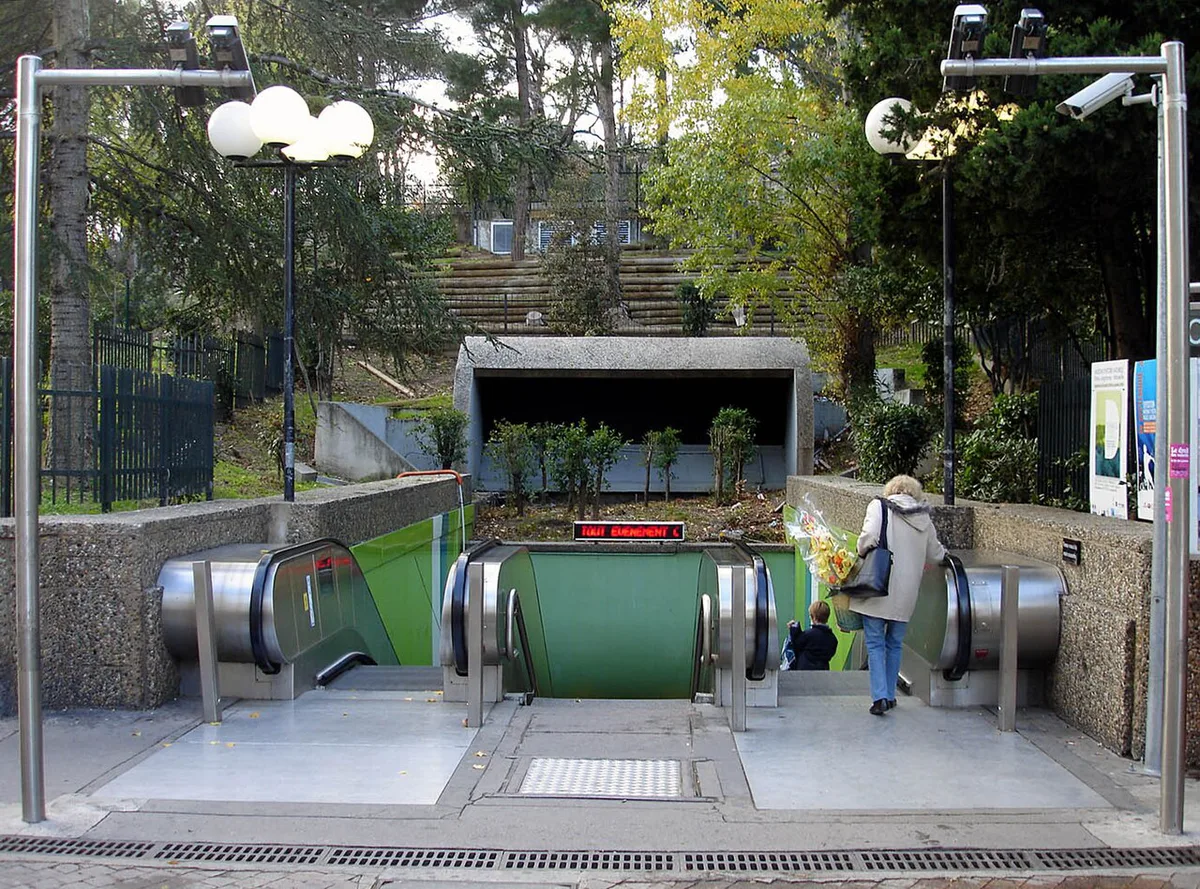
Phone and Bag Snatching: The Most Reported Scam in Marseille
Phone-snatching is the single most reported scam affecting visitors to Marseille, and it typically follows the same script: a target stops walking to check a map or send a text right at a metro exit or tram stop, and a passerby on foot, bike, or scooter grabs the phone from the hand before disappearing into traffic. The fix is simple and free: step away from the exit and against a wall or storefront before unlocking a phone, and keep it in a zipped pocket or bag rather than in hand while walking. The same grab-and-go pattern shows up as scooter-based bag snatching along the Canebière, where a bag worn on the street-facing shoulder is an easy target for a rider passing close to the curb. Wearing a crossbody bag on the building side of the pavement, rather than the street side, removes most of the opportunity.
Transportation Scams: Taxis, Rideshares, and the Metro
Unlicensed drivers offering rides outside the official taxi rank at Gare Saint-Charles or the airport are one of the most consistent transportation scams in Marseille, usually quoting a flat cash fare well above the metered rate. Stick to the marked taxi rank or a licensed rideshare app booked from inside the terminal, and confirm the fare or that the meter is running before the car pulls away. Inside the station, distraction theft around the ticket machines is common, most often a stranger offering unsolicited "help" buying a ticket while an accomplice works the crowd; buying tickets in advance, or picking up a Marseille City Pass before arrival, removes the need to fumble with a machine in a crowded concourse at all. For day-to-day transit, sticking to RTM's official app or ticket outlets and reviewing the wider public transport safety tips covers the rest of the network, including the metro and tram lines.
The "Helpful" Local, Fake Charities, and Distraction Techniques
A cluster of scams in Marseille, as elsewhere in France, work by manufacturing a reason to get close: a stranger who "finds" a ring on the ground and asks for a reward, a clipboard-carrying petitioner collecting signatures and then cash for a cause, or a group who surrounds a visitor at a station offering to carry bags. In each version, the real goal is proximity long enough for an accomplice to work a pocket or bag. The clumsy jogger who "accidentally" collides with a pedestrian follows the same logic. A firm, short refusal works better than an explanation: "Non, merci" said while continuing to walk, or "Laissez-moi tranquille" (leave me alone) for anyone who won't take the first no, ends the interaction without engaging further. Street harassment and aggressive "help" can also intersect with safety concerns after dark, particularly around Cours Belsunce and parts of Noailles, which the safety tips for solo travelers address directly.
All Marseille theft scams share the same core mechanism: manufacturing proximity while a visitor is distracted. Whether a stranger offers unsolicited help, presents a found ring, or targets a phone at a transit exit, the goal is always the same. Recognizing this pattern helps identify and refuse the setup.
The Gold Ring and Friendship Bracelet Cons
The gold ring trick, long associated with Paris's tourist landmarks, turns up in Marseille's own high-traffic areas in the same form: someone picks up a ring, feigns delight, offers it as a gift, then asks for money once it has been accepted. A close cousin is the friendship bracelet approach, where a stranger ties a cord or bracelet onto a wrist before demanding payment for it, betting that a visitor will pay rather than cause a scene over a few euros. Both rely on the same instinct, that most travelers are too polite to simply say no and walk away. Declining before any physical contact, whether that means taking an item or letting someone touch a wrist, is the only reliable way to avoid the follow-up demand for cash.
Dining and Nightlife: The Bouillabaisse Price Trap
Bouillabaisse is Marseille's signature dish, and it is also where the line between a scam and a tourist trap gets blurriest. Traditional bouillabaisse is made to order from whole fish, which takes real preparation time and is priced per person rather than folded into a flat set menu; a restaurant that can serve a "bouillabaisse" within minutes of ordering, or that only lists it as part of an unusually cheap fixed-price tourist menu, is very likely serving a shortcut version at a premium price. None of this is illegal, which is what makes it a tourist trap rather than a scam, but it is still worth avoiding. Ask whether the dish needs to be ordered in advance and whether the price is quoted per person before sitting down; restaurants confident in an authentic version are typically upfront about both. Overcharging becomes an outright scam when a final bill includes items never ordered or a total that doesn't match the menu, which is worth challenging on the spot and, if unresolved, worth walking away from before paying.
- Menu lists bouillabaisse per person, not as part of a flat-price tourist set menu
- Staff mention advance ordering or a wait time rather than immediate service
- The dish is prepared from whole fish and served in two courses, broth then fish
- The final bill matches what was ordered, with no unlisted extras
ATM and Digital Security: Skimming in High-Traffic Areas
ATM skimming and card-trapping devices target the same high-traffic corridors as other scams: near the Vieux Port, around Gare Saint-Charles, and anywhere else cash machines see heavy tourist use. One documented version involves a fitted insert that jams a card inside the slot; if a card doesn't return, the safest move is to stay at the machine and call the bank's card-blocking line immediately rather than walking away to find help, since stepping away gives a scammer the chance to remove the fake insert and take the card. Using ATMs inside bank branches during opening hours, covering the keypad when entering a PIN, and checking for a loose or oddly textured card slot before inserting a card all reduce the risk. For anything beyond a stuck card, the Ma Sécurité platform, run by the Ministère de l'Intérieur, is the official channel for reporting fraud and theft.
What to Do If You're Scammed in Marseille
If a theft or scam happens, the first call should be to the bank to block any cards, since acting fast limits the financial damage regardless of what happens next. For anything involving theft or fraud, file a report with the Police Nationale rather than the Police Municipale, since criminal complaints fall under national rather than municipal jurisdiction; a commissariat report, known as a procès-verbal, is also usually required for any travel insurance claim. The Ma Sécurité app and website, run by the Ministère de l'Intérieur, allow some reports to be filed online, which is useful when a visit to a police station isn't practical before a flight or train. If a passport or ID was stolen, contact the relevant consulate as well as the police, since replacing travel documents is a separate process from filing the theft report. Emergency numbers worth saving before arrival are 17 for police, 15 for medical emergencies, and the EU-wide 112, which connects to all emergency services and works from any phone. If the incident happened after dark, cross-check the guide to nighttime safety for area-specific context.
Practical Safety Checklist for Marseille Travelers
Most Marseille tourist scams share the same weak point: a moment of distraction in a crowd. A short pre-trip checklist closes most of that gap without changing how a visit actually feels day to day. Choosing a base in one of the safest neighborhoods to stay also reduces exposure simply by cutting down on late-night walks through higher-risk stretches.
- Keep phones pocketed, not in hand, near metro and tram exits
- Wear crossbody bags on the building side of the pavement, away from the street and scooters
- Buy transit tickets in advance or via the Marseille City Pass rather than at a crowded station machine
- Use the official taxi rank or a licensed rideshare app at Gare Saint-Charles and the airport
- Decline strangers offering rings, bracelets, petitions, or unsolicited help with a firm Non, merci
- Ask about price-per-person and preparation time before ordering bouillabaisse
- Save 17 for police, 15 for medical emergencies, and 112 for EU-wide emergencies before arrival
- Book accommodation in a well-reviewed, well-lit neighborhood rather than the cheapest option near a station
Cruise Port and Ferry Arrivals: Transfer Scams
Marseille cruise and ferry arrivals create a small but predictable transfer scam risk because many visitors step off the ship unsure how far they are from the Vieux Port. Large cruise ships usually dock at the Marseille Provence Cruise Terminal near the northern port area, not beside Le Panier or the Old Port, while some smaller vessels use terminals closer to La Joliette and the J4 waterfront. Drivers who approach inside or just outside the terminal offering an instant “special price” ride into town are the main red flag.
Use the cruise line shuttle, the signed taxi queue, or a pre-booked licensed ride rather than negotiating with someone who intercepts you at the exit. If heading independently toward La Joliette, Les Terrasses du Port, or Gare Saint-Charles, check the route before leaving the terminal so you are not making decisions while surrounded by luggage and sales pressure. Keep passports and phones zipped away until you are inside a vehicle or away from the pickup area.
Frequently Asked Questions
What is the most common tourist scam in Marseille?
Phone-snatching is the most reported scam affecting visitors, typically happening the moment someone stops to check a phone right at a metro or tram exit. Keeping the phone pocketed until away from the exit, and using a zipped bag rather than carrying it in hand, prevents most incidents.
Are taxis at Gare Saint-Charles safe to use?
The official taxi rank outside Gare Saint-Charles is safe and metered; the risk comes from unlicensed drivers who approach travelers before they reach the rank and quote a flat cash fare well above the metered price. Booking a licensed rideshare from inside the terminal or walking to the marked rank avoids the issue entirely.
Is Le Panier or the Vieux Port unsafe for tourists?
Neither area is unsafe in the sense of violent crime; both are among the most visited parts of the city. The risk in these zones is opportunistic theft and distraction scams in crowds rather than anything that should keep visitors away altogether.
What should travelers do immediately after being scammed or pickpocketed in Marseille?
Call the bank to block any cards first, then file a report with the Police Nationale, which handles criminal complaints, or use the Ma Sécurité platform if reaching a station isn't practical right away. Keep a copy of the report for any travel insurance claim, and contact the relevant consulate too if a passport was taken.
How can travelers spot a bouillabaisse tourist trap versus a scam?
A bouillabaisse tourist trap is legal but poor value: a dish served without the expected preparation time, priced as part of an unusually cheap set menu, or without whole fish and a proper two-course serving. It becomes an outright scam only if the final bill includes items never ordered or doesn't match the menu price, which is worth challenging before paying.


