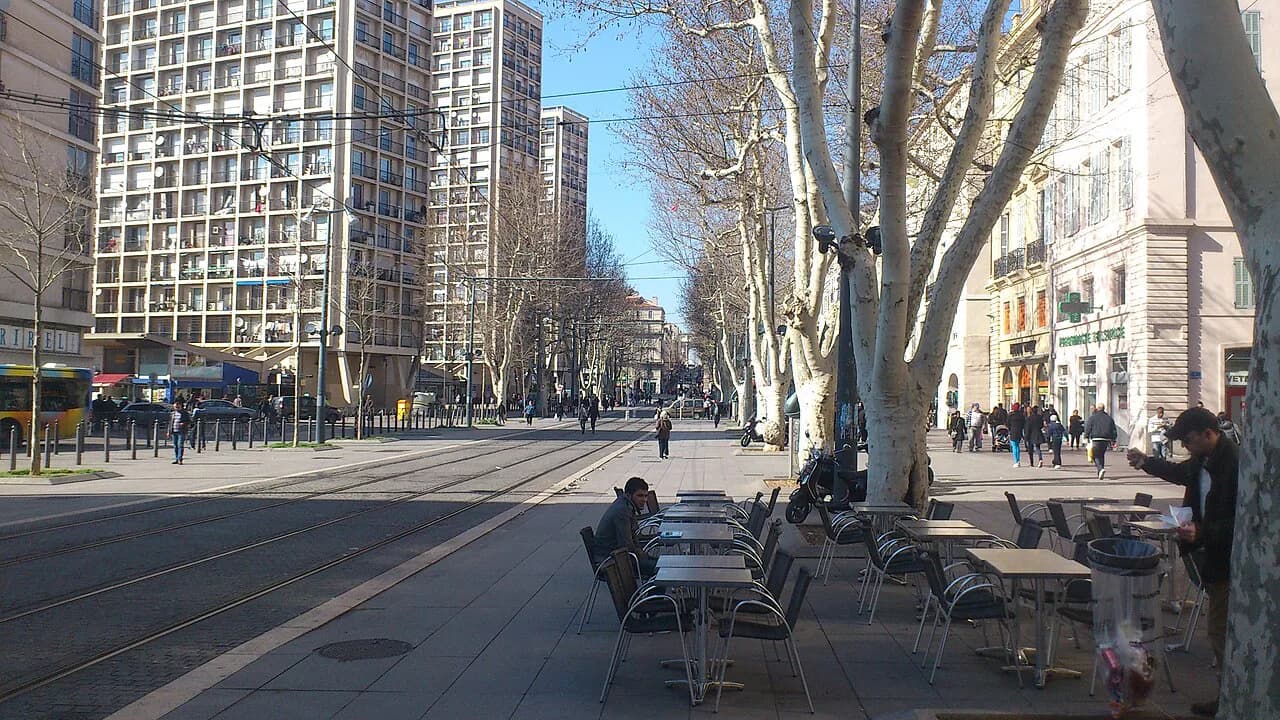
Marseille Areas to Avoid: A Practical Safety Guide for Travelers
Last updated April 2026: knowing which Marseille areas to avoid is one of the most useful things to research before booking a trip to France's second-largest city. Marseille is overwhelmingly a safe, walkable destination for visitors who stick to the historic center and the coast, and this guide builds on the broader look at Marseille's overall safety picture by naming the specific arrondissements, estates, and after-dark trouble spots worth planning around. The goal is precision rather than panic: separating genuinely risky pockets of the city from neighborhoods that simply look gritty but remain popular with visitors every day.
Marseille Areas to Avoid: The North-South Divide Explained
Ask around in Marseille about where visitors should be careful, and the answer almost always comes back to a rough mental map: north versus south, center versus periphery. The city's historic core and coastline, roughly the 1st, 2nd, 6th, 7th, and 8th arrondissements, hold the Vieux Port, Le Panier, and La Corniche, and this is where nearly every tourist itinerary lives. When people search for Marseille areas to avoid, they're usually being pointed toward the opposite end of that map: the northern arrondissements that stretch away from the coast and rarely appear on a sightseeing itinerary at all. That divide is a genuinely useful shorthand, but it oversimplifies a city where a handful of central streets also deserve extra awareness after dark, and where some outer estates are simply irrelevant to a standard visit rather than dangerous to it.
- Generally safe for visitors: the 1st, 2nd, 6th, 7th, and 8th arrondissements, including the Vieux Port, Le Panier, and La Corniche
- Primary areas to avoid: outer estates of the 13th, 14th, 15th, and 16th arrondissements, collectively known as the Quartiers Nord
- Extra caution after dark: the Gare Saint-Charles surrounds, Belsunce, and parts of Noailles
- Safe by day but easy to misjudge: the Noailles market streets and the steep alleys of Le Panier
Quick Reference: Stay or Skip? Marseille Neighborhoods at a Glance
Use this table when weighing where to walk, stay, or simply pass through Marseille. It reflects the pattern that shows up consistently in local and traveler accounts: the real safety concerns cluster tightly in the northern estates, while much of what people search for under Marseille areas to avoid in the center is closer to gritty-but-fine than genuinely dangerous.
| Neighborhood / Area | Arrondissement | Verdict | Why |
|---|---|---|---|
| Quartiers Nord estates (La Castellane, La Busserine, Frais-Vallon, Félix Pyat) | 13th, 14th, 15th, 16th | Avoid | Gang-linked drug-trafficking violence concentrates here; largely separate from tourist routes but worth knowing by name |
| Gare Saint-Charles surrounds | 1st | Caution after dark | Pickpocketing and a transient crowd cluster around the station stairs and forecourt once shops close |
| Belsunce | 1st | Caution after dark | Quiet, under-lit streets between Saint-Charles and the port; fine to walk through by day |
| Noailles | 1st | Visit with caution | Busy, multicultural market; chaotic but not dangerous, stay alert for pickpockets in the crowds |
| Le Panier | 2nd | Tourist favorite, mind the alleys | Steep, narrow lanes feel isolated after dark despite being one of the most visited quarters |
| Vieux Port and La Corniche | 1st, 2nd, 7th | Safest tourist hub | Well-trafficked and well-lit; the anchor for most first-time itineraries |

The Quartiers Nord: Why the 13th, 14th, 15th, and 16th Arrondissements Top the List
The estates that dominate any serious discussion of Marseille areas to avoid sit in the 13th, 14th, 15th, and 16th arrondissements, well north of the center and off the route of virtually every tourist itinerary. Names that come up repeatedly include La Castellane, La Busserine, Frais-Vallon, and Félix Pyat, large housing estates where drug-trafficking networks have operated for years and where periodic gang violence makes national headlines. It matters to separate two different risks rather than treat the whole north as one undifferentiated danger zone: the violence tied to these networks is almost entirely targeted at gang members and rival dealers rather than at random passersby, and it plays out inside estates that tourists have no practical reason to enter, since none sit near hotels, sights, or transit hubs used for sightseeing. For the full picture of how these patterns show up in city-wide figures, the Marseille crime rate breakdown is worth reading alongside this guide. The practical takeaway is simple: there's no reason to drive through, rent an apartment in, or detour into the Quartiers Nord estates on a standard visit, and skipping them entirely costs nothing in terms of the trip.
Central Marseille After Dark: Saint-Charles, Belsunce, and Noailles
Closer to where visitors actually spend time, the areas that deserve situational awareness rather than avoidance cluster around Gare Saint-Charles, Belsunce, and Noailles, all within the 1st arrondissement. Saint-Charles is Marseille's main rail hub, and the grand staircase and forecourt in front of it are a known spot for pickpocketing and low-level hustling once the station's shops and cafés close for the evening; the streets immediately behind it, in Belsunce, are quiet and under-lit at night even though they're perfectly walkable in daylight. Noailles, a few minutes away, is the opposite problem: loud, crowded, and visually chaotic, with a dense open-air market that can feel overwhelming to travelers who haven't encountered it before, but the chaos is more atmosphere than danger. Distraction theft and overly persistent vendors are the realistic risks in Noailles, the same category of issue covered in the guide to common Marseille tourist scams, rather than anything violent. Treat all three areas as fine for a daytime walk and a market visit, and simply plan a more direct, well-lit route if passing through after dark.
These central areas warrant evening caution not because they're dangerous like the distant Quartiers Nord, but because they empty out and lose the human traffic that keeps popular neighborhoods safe—timing and route matter more than avoidance.
Navigating Public Transport and the Vieux Port Safely
Marseille's public transport network, run by the RTM, is the practical backbone of avoiding the areas that warrant caution rather than actually needing to enter them. Metro Line 2 runs from the northern suburbs down through Saint-Charles and into the center, and it's the fastest way to see how quickly a neighborhood's character can change between stops, without any need to get off at the outer stations it passes on its way north. Around the Vieux Port itself, the marina and surrounding quays stay busy with restaurant and bar traffic well into the evening and are among the better-lit, more populated parts of the city after dark. The main friction points on transit are the same as in any large European city: crowded carriages and platforms at rush hour are where pickpocketing happens, not violent crime. For frequency, ticketing, and station-by-station notes, the dedicated Marseille public transport safety guide covers the logistics in more depth than fits here.
The Gritty Trap: Neighborhoods That Look Risky but Aren't
Some of the neighborhoods that show up most often in searches for Marseille areas to avoid are, on closer inspection, simply gritty rather than genuinely risky, and Noailles and Belsunce both fall into that category once you've walked through them. Le Panier is the clearest example of the trap running the other way: it's one of the most photographed and visited quarters in the city, all pastel facades and narrow pedestrian lanes climbing the hill above the port, but those same steep, twisting alleys empty out fast after dinner and can feel genuinely isolating late at night, even though nothing about the neighborhood carries an unsafe reputation. The honest advice is to enjoy Le Panier, Noailles, and Belsunce fully during the day and early evening, and default to the busier streets along the port or a short taxi ride once the sun is well down, particularly when walking alone. The broader question of how Marseille's center feels after dark, including which streets stay busy and which quiet down fastest, is covered in more detail in the guide to Marseille safety at night.
The perception gap is stark: the Quartiers Nord estates carry genuine violence but sit far outside tourist routes, while Belsunce, Saint-Charles, and Noailles look far grimier than their actual daytime safety profile warrants for visitors walking with awareness.
Where to Stay Instead: Calmer Alternatives for First-Timers
Once the areas to avoid are off the list, the practical question becomes where to actually book a hotel or apartment. First-time visitors are generally steered toward the 1st and 2nd arrondissements for proximity to the Vieux Port, Le Panier, and the main sights, or toward the 6th, 7th, and 8th arrondissements for a quieter, more residential base near Notre-Dame de la Garde and the Corniche coastline. The trade-off is straightforward: the center puts everything within walking distance but includes the pockets around Saint-Charles and Belsunce that call for a bit more awareness at night, while the 6th, 7th, and 8th arrondissements feel calmer but add a longer tram or bus ride back into the center for evening plans. Neither option requires going anywhere near the Quartiers Nord estates, which sit well outside the radius either choice would put a visitor in. For a fuller neighborhood-by-neighborhood shortlist, see the dedicated guide to the Safest Neighborhoods in Marseille: A Guide to Secure Areas & Stays.
Essential Safety Tips and Mistakes to Avoid
A few habits cover most of the practical risk in Marseille, and none of them require avoiding the city itself. Keep bags zipped and in front of you around Saint-Charles, Noailles, and the Vieux Port, since crowds are where pickpocketing happens; treat unsolicited offers of directions, petitions, or bracelets near the major sights with polite skepticism; and default to a known, busier route rather than a shortcut through unfamiliar side streets once it's dark. Solo travelers, and particularly solo women, tend to have the same overwhelmingly positive experience as everyone else in the center and south of the city, but should weight the after-dark advice above a little more heavily and arrange taxi or rideshare options in advance for late nights out; the dedicated guide to solo female travel safety in Marseille goes into that in more depth. None of this changes the core geography lesson here: the meaningful areas to avoid are specific outer estates in the 13th, 14th, 15th, and 16th arrondissements, not the central, tourist-facing neighborhoods that simply look busier or rougher around the edges than they actually are.
Gare Saint-Charles: Arrival and Departure Safety Tips
Gare Saint-Charles deserves more detailed planning than most Marseille landmarks because many visitors pass through it with luggage, phones out, and limited local orientation. The station hall itself is busy and practical, but the broad staircase down toward Boulevard d'Athènes and the forecourt can attract pickpockets, loiterers, and low-level hustlers, especially late in the evening. If you arrive after dark, pause inside the station to set your route before stepping outside, keep luggage close on the escalators and stairs, and avoid standing on the steps while checking maps.
For hotels near the Vieux Port, the most straightforward walking route is usually down Boulevard d'Athènes toward La Canebière, then onward to the port, but solo travelers with bags may prefer a taxi or rideshare from the official station pickup area. Avoid improvised shortcuts into the quieter backstreets behind Saint-Charles and Belsunce late at night; they are not tourist sights, and they empty out quickly once shops close.
For trip-planning details, see US State Department France travel advisory.
Frequently Asked Questions
Is the 3rd arrondissement of Marseille safe?
The 3rd arrondissement sits just north of Saint-Charles station and has a more residential, working-class character than the tourist center, with a mixed reputation among locals. It isn't a typical base for visitors and isn't packed with sights, but passing through it, around the station itself, for example, is routine and isn't considered a no-go situation. It simply isn't a neighborhood most itineraries need to explore beyond the transit hub.
Which part of Marseille is the most dangerous?
The greatest safety concerns are concentrated in specific Quartiers Nord estates such as La Castellane, La Busserine, and Frais-Vallon in the 13th, 14th, and 15th arrondissements, where drug-trafficking-related violence periodically occurs. These estates are geographically separate from the tourist center and aren't places a standard visit would ever pass through.
Is it safe to walk in Marseille at night?
Central Marseille, including the Vieux Port, La Corniche, and the main pedestrian streets, stays busy and well-lit well into the evening and is generally fine for an evening walk. The exceptions are the quieter side streets around Belsunce and Saint-Charles once the shops close, and the steep alleys of Le Panier once they empty out, where sticking to main routes or taking a short taxi ride is the more comfortable option.
Are the Northern Districts (Quartiers Nord) safe for a drive-through?
A drive along the major arteries doesn't put visitors at meaningful risk, since the violence tied to these estates is concentrated within specific housing complexes rather than the connecting roads. That said, there's little reason for a first-time visitor to route a drive through the Quartiers Nord at all, since none of the city's sights, hotels, or transit hubs sit there, and a normal Marseille itinerary never requires it.
Where should I avoid staying in Marseille as a solo traveler?
Solo travelers are generally advised to skip accommodation immediately around Saint-Charles station and the narrowest backstreets of Belsunce, simply because these are quieter and less populated after dark than the port-facing neighborhoods. Basing in the 1st, 2nd, 6th, or 7th arrondissements, closer to the Vieux Port or Notre-Dame de la Garde, gives easier access to well-lit, busier streets at night.


