Marseille Public Transport Safety
Last updated June 2026, this guide breaks down Marseille public transport safety line by line, covering the RTM metro network, trams, buses, and night bus service, so you can plan routes without guessing which stops call for extra caution. Coverage goes beyond generic safety platitudes to look at specific stations, including Gare Saint-Charles, and the practical trade-offs between waiting for a night bus and paying for a short ride-hail trip after dark. Expect concrete guidance on ticket validation, pickpocket hotspots, and how the metro, tram, and bus system compares for visibility, predictability, and late-night reliability.
Marseille Public Transport Safety: The Bottom Line
In our editorial assessment, Marseille public transport safety sits roughly in line with what you'd expect from any major French transit network: the metro, tram, and bus system operated by RTM (Régie des Transports Métropolitains) is generally safe to use during daylight and early evening hours, and most visitors ride it without incident. Compared with a network like the Paris Metro or Lyon's TCL system, the main adjustment isn't a different level of danger so much as a different rhythm — Marseille's system is smaller, hubs are busier relative to their size, and a few specific stops call for more of your attention than the rest of the network. The practical takeaway is vigilance rather than avoidance: keep bags zipped and in front of you on crowded carriages, stay near other riders at quieter stops once it gets dark, and treat major interchanges like Gare Saint-Charles with the same situational awareness you'd use at any big-city rail hub. None of this should discourage you from riding the metro, tram, or bus as the default way to get around — it remains faster and cheaper than relying on taxis or ride-hailing for every trip. For the fuller picture of how transport risk fits into the city's overall safety profile, see the overall Marseille safety picture, and for context on how petty crime trends citywide, the Marseille crime rate breakdown is a useful companion read.
Metro Safety on Lines M1 and M2
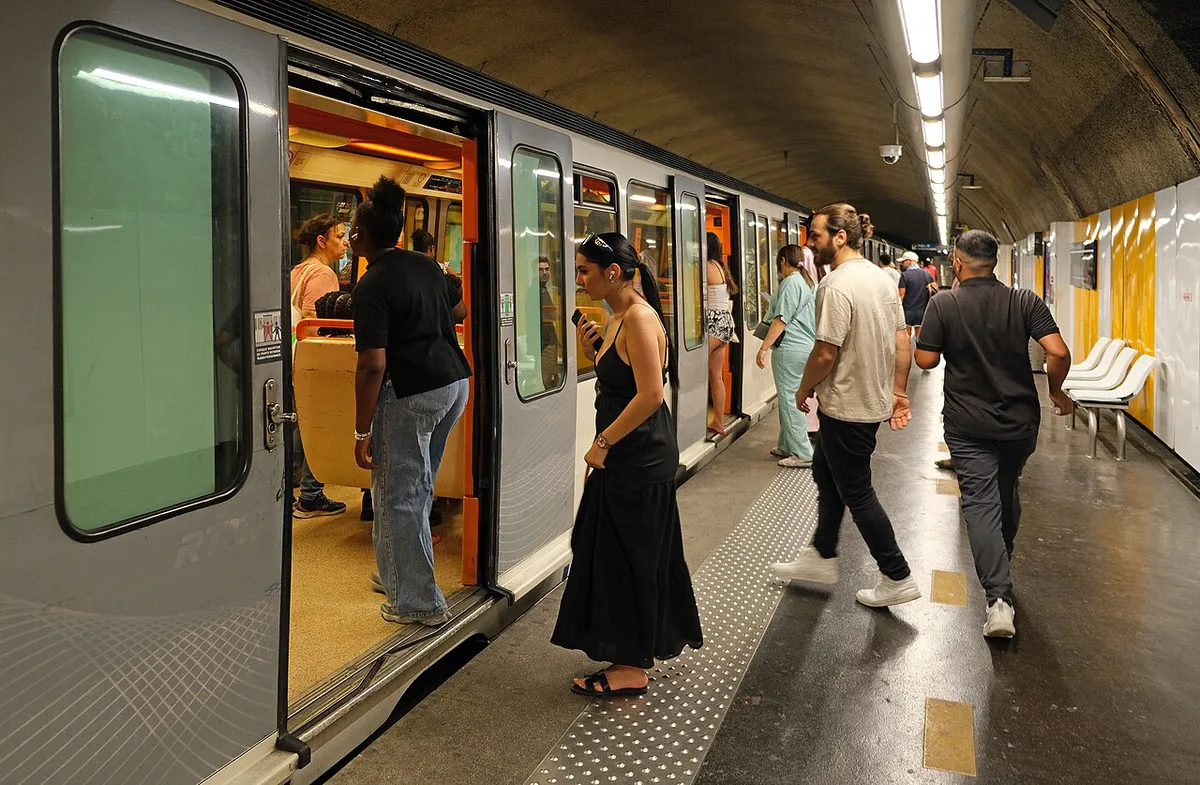
The RTM metro network runs on two lines, M1 and M2, which meet at Gare Saint-Charles, the city's main rail and transit interchange. Both lines are safe for daytime travel, and in our editorial assessment, riding either one during typical tourist hours, roughly mid-morning through early evening, carries a similar risk profile to taking the metro in a comparable French city. Trains run frequently enough during the day that you'll rarely wait long on an empty platform, which is itself one of the better safety features of the system. Where extra vigilance pays off is at a handful of specific stops flagged for pickpocketing and petty theft: Gare Saint-Charles, Noailles, and Jules Guesde. These are busy, high-turnover stations where crowds make it easier for opportunists to work a carriage unnoticed, so keep valuables zipped and avoid leaving phones or bags loose near the doors at these stops in particular. It's also worth standing back from the platform edge until a train actually arrives, and choosing a carriage with other passengers already in it rather than an empty one. The network also gives you access to safer neighborhoods to base yourself, which is worth factoring in when choosing accommodation near a station.
Pickpocketing concentrates at Gare Saint-Charles, Noailles, and Jules Guesde—busy interchanges where crowds enable unnoticed theft. Identifying these three spots for extra vigilance makes it easier to relax with standard precautions elsewhere on the network.
Trams vs. Buses: Which Is Safer for Tourists?
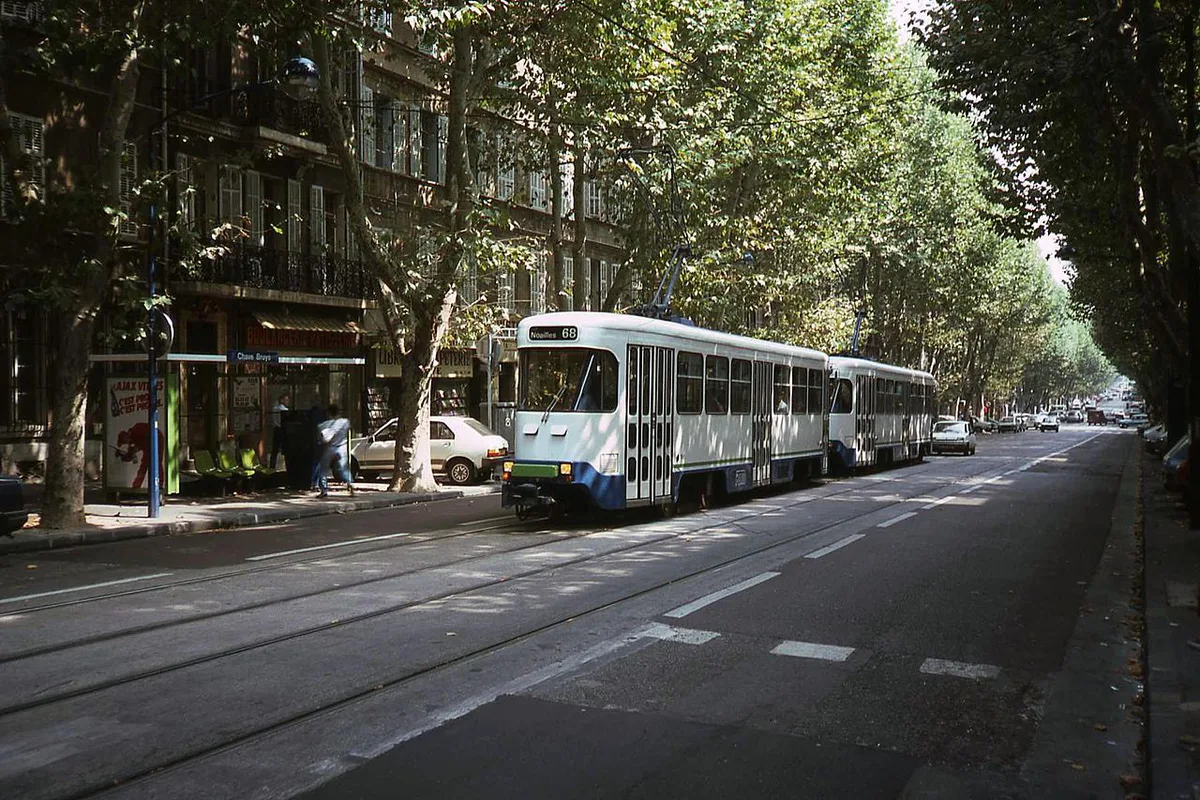
Trams tend to be the more reassuring option if you're weighing Marseille public transport safety against convenience: cars are open-sided or glass-heavy, stops are frequent, and it's easy to see who else is boarding, which makes trams a popular pick for solo travelers and anyone carrying luggage. The tram network is also generally less crowded at peak times than the busiest metro stretches, which reduces the kind of crush conditions that pickpockets rely on. Buses are safe on the vast majority of routes and remain a practical way to reach neighborhoods the metro and tram don't cover, but a handful of lines running toward the Quartiers Nord pass through areas worth avoiding as a tourist. Riding one of these buses isn't inherently dangerous, but they're not typically part of a standard visitor itinerary, so you can usually skip them unless you have a specific reason to go. After the main network winds down for the evening, RTM's Fluobus night bus lines cover a limited set of routes; where Fluobus doesn't reach your destination, or where frequency is thin, treat a short ride-hail trip as the more practical option rather than waiting alone at a stop late at night. The table below summarizes how the three modes compare for a typical visitor.
| Mode | Tourist Friendliness | Safety Notes | Operating Window |
|---|---|---|---|
| Metro (M1 and M2) | High — direct, frequent, well-signed | Safe by day; extra vigilance at Saint-Charles, Noailles, and Jules Guesde | Daytime through evening |
| Tram | High — open sightlines, easy to read | In our editorial assessment, among the more comfortable options for solo travelers | Daytime through evening |
| Bus | Moderate — route knowledge helps | Most routes are fine; some Quartiers Nord lines warrant more caution | Daytime, plus limited Fluobus night coverage |
Navigating Gare Saint-Charles Safely
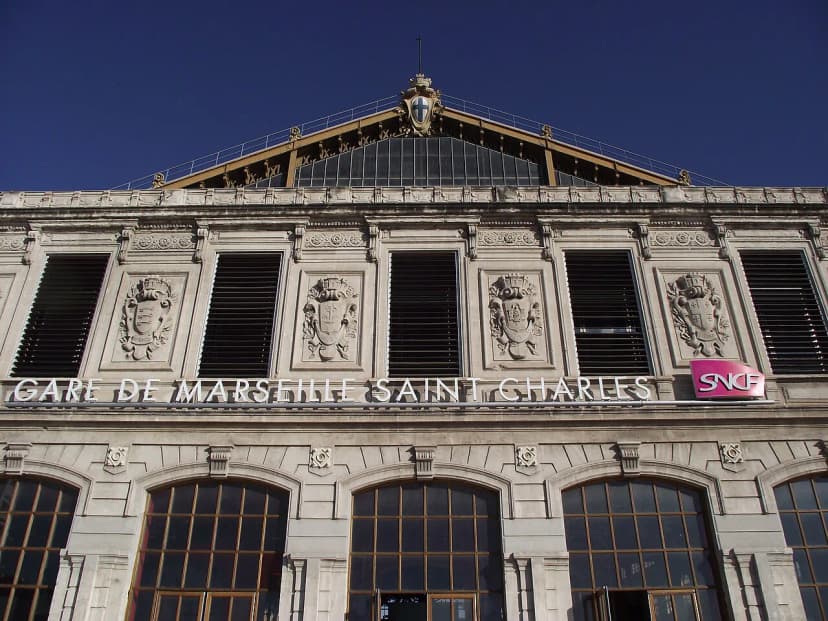
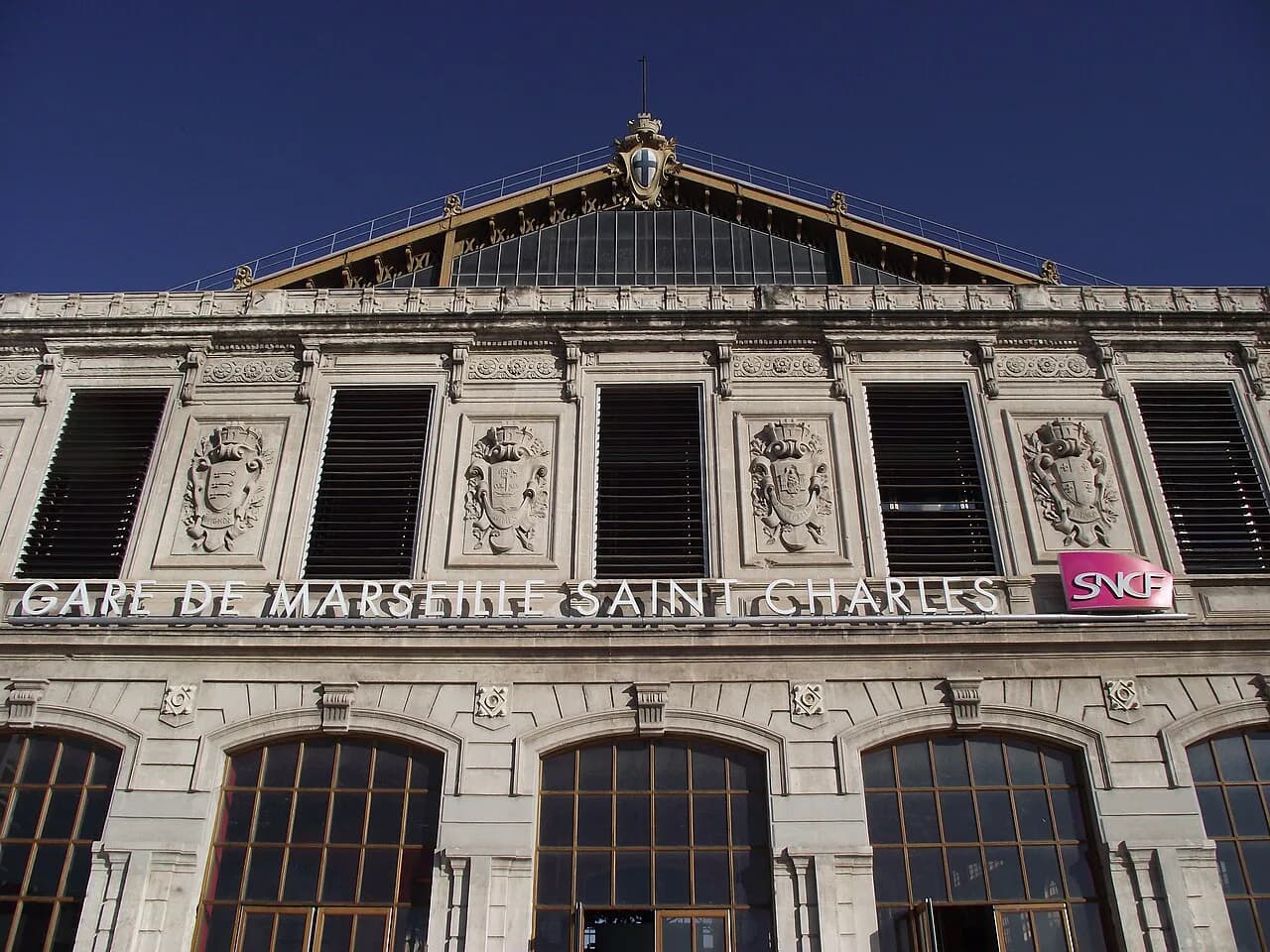
Gare Saint-Charles is Marseille's primary rail and metro hub, and it's the one stop on the network that deserves the most planning on your part, not because it's especially dangerous, but because it's busy, multi-level, and disorienting on a first visit. It functions as the main interchange point for both metro lines, which means a steady flow of travelers moving between trains, the metro, and taxi or ride-hail pickup points at almost any hour of the day. Petty theft, including pickpocketing, is more concentrated here than at quieter stops, simply because of that volume of distracted travelers juggling luggage, tickets, and directions all at once. Uniformed security and police presence is part of the station's normal operation, and it's reasonable to approach staff or an officer if something feels off rather than trying to handle a situation alone. If you're arriving late in the evening, know your exit route before stepping off the train: check which metro line, tram, or pickup point you need in advance, keep luggage close on escalators and stairs, and avoid stopping to check your phone or a map in the middle of a crowded concourse. A short checklist covers most of what matters:
- Check your onward route, metro line, tram, or pickup point, before stepping off the train rather than reading a map mid-crowd.
- Keep bags zipped and worn in front, especially on escalators and stairs where crowds bunch up.
- Head straight for a lit, populated exit rather than lingering near the concourse.
- Approach a uniformed officer or station staff if something feels off, rather than handling it alone.
- If you're arriving very late, confirm your ride-hail pickup point in advance rather than wandering to find one.
Common Risks: Pickpockets and Scams on Public Transport
The most common risk on Marseille's public transport isn't violent crime, it's petty theft, and it clusters around predictable hotspots: crowded carriages near Vieux-Port, the concourse and platforms at Gare Saint-Charles, and busy interchange stops like Noailles. Vieux-Port carriages get particularly full with a mix of tourists and commuters during the day, which is exactly the kind of crowd that makes pocket-picking easier to pull off unnoticed. Typical tactics on packed trams and metro carriages include a distraction move timed to just before the doors close, someone brushing past to check pockets, or a stranger offering to help at a ticket machine as a pretext to get close to your wallet or phone. These patterns mirror the common tourist scam tactics found elsewhere in the city, and the same baseline defenses apply on transit: keep valuables in a zipped front pocket or a bag worn across your body, stay a step back from unfamiliar helpers at ticket machines, and stay extra alert in the seconds right before doors open and close, when crowds bunch up fastest. None of this is unique to Marseille, it's the same playbook worth using on any busy urban transit system, but knowing where it's more likely to come up on this particular network makes it easier to relax everywhere else.
Late-Night Travel: RTM vs. Ride-Sharing
Daytime and early-evening travel on the RTM network is straightforward, but the calculus changes late at night. RTM runs Fluobus night bus lines to cover some of the gap after the main metro and tram schedule winds down, and they're a reasonable option on routes that run frequently and drop you close to where you're staying. Past roughly 1am, though, ride-hailing through a service like Uber or Bolt becomes the more practical choice: waiting alone at a quiet stop for an infrequent night bus carries more risk than the modest extra cost of a short ride, and a car takes you door to door instead of leaving you to walk the last stretch after dark. This trade-off is easiest to see on short, frequently traveled hops, such as the ride between Vieux-Port and Cours Julien late in the evening, where the fare difference between a transit ticket and a quick ride-hail trip is small enough that safety should usually decide your choice rather than cost. For a fuller breakdown of how late-night risk shifts across the city, not just on transit, see the guide to Marseille safety after dark.
While RTM beats ride-hailing on price for most trips, after 1am that advantage shrinks: when trains stop and Fluobus becomes sparse, waiting alone at quiet stops for an infrequent bus costs more in safety than the transit fare saves.
Practical Safety Tips for RTM Users
A few practical habits make Marseille public transport safety mostly a matter of routine rather than worry. Always validate your ticket at the machines on board trams and buses, or at the gates before the metro platform — RTM inspectors do check, and an unvalidated ticket can mean a fine even if you already paid for it, so it's worth building the habit from your very first ride rather than treating inspectors as an adversarial encounter. Real-time tracking through RTM's official channels, including rtm.fr, helps you minimize time spent waiting alone on a platform, which is one of the simplest ways to reduce your exposure at quieter stops after dark. It's also worth downloading the operator's app before you arrive, so checking a schedule doesn't mean standing on a platform with your phone out for longer than necessary. Solo travelers, and particularly solo women, should pair this guide with the dedicated solo female travel advice, which covers additional judgment calls around seating choices, timing, and when to prioritize a ride-hail over a night bus.
Station Vibes: Vieux-Port, Noailles and Jules Guesde
Beyond Gare Saint-Charles, three central stops deserve a little more route planning because they feel different on the ground. Vieux-Port is the easiest for visitors: it opens directly onto the harbor, the tourist office area, Canebiere, and busy waterfront streets, so there are usually plenty of people around. The main risk there is crowding around doors, stairs, and ticket machines, not isolation.
Noailles feels more hectic. It sits by the market streets around Rue d'Aubagne and the Noailles district, where pavements, entrances, and nearby crossings can be crowded with shoppers, commuters, and delivery traffic. Keep your phone away until you are clear of the station entrance and know whether you are heading toward Canebiere, Cours Julien, or Belsunce.
Jules Guesde is more of a transit-and-road junction near Porte d'Aix, with less of the obvious tourist orientation you get at Vieux-Port. It is usable, but not a stop to linger at late if another route drops you closer to your accommodation.
Frequently Asked Questions
Is it safe to take the Marseille metro at night?
The metro is safe for most of its daily operating hours, but service winds down late in the evening, and RTM's Fluobus night buses cover some routes after that. Past roughly 1am, a short ride-hail trip through a service like Uber or Bolt is generally the more practical option than waiting alone for a night bus, especially at quieter stops.
Which Marseille metro stops should travelers be most careful at?
Gare Saint-Charles, Noailles, and Jules Guesde see more reported pickpocketing than the rest of the network, largely because they're busy interchange points with heavy foot traffic. Basic precautions, like keeping bags zipped and staying alert near the doors as they open and close, cover most of the risk at these stops.
Are Marseille buses safe for tourists?
Most bus routes are safe and simply aren't part of a typical tourist itinerary. A smaller number of lines heading into the Quartiers Nord pass through areas covered in the guide to neighborhoods worth avoiding, and while riding them isn't inherently dangerous, they're not usually necessary for a standard visit.
Do you need to validate your ticket on Marseille public transport?
Yes. Tickets need to be validated at the machines on board trams and buses, or at the gates before boarding the metro, even if already purchased. RTM inspectors do check, and an unvalidated ticket can result in a fine regardless of whether the ride was paid for.
Is Gare Saint-Charles dangerous?
Gare Saint-Charles isn't considered dangerous, but it is the busiest and most disorienting stop on the network, which makes it a higher-traffic spot for petty theft than quieter stations. Planning an exit route in advance and keeping valuables close during the busiest periods addresses most of the risk.
Is the tram or the metro safer in Marseille?
Both are safe options in our editorial assessment, but trams often feel more reassuring because of their open sightlines and generally lighter crowds compared with the busiest metro stretches. The metro remains faster for longer trips and is safe to use, provided extra care is taken at flagged stops like Gare Saint-Charles.