Is Bilbao Safe in 2026? The Complete Neighborhood Safety Guide
Last updated May 2026, and the short answer to is Bilbao safe hasn't changed in years: yes, emphatically, even by Spanish standards. The Basque Country's capital consistently ranks among the calmer major cities in Spain, and the ETA-era anxiety some travelers still half-remember from old search results reflects a political history that wound down two decades ago, not a live security concern. This guide breaks the verdict down by neighborhood, time of day, and travel style, so first-time visitors, solo travelers, and families can plan with specifics instead of vague reassurance.
Is Bilbao Safe in 2026? The Verdict
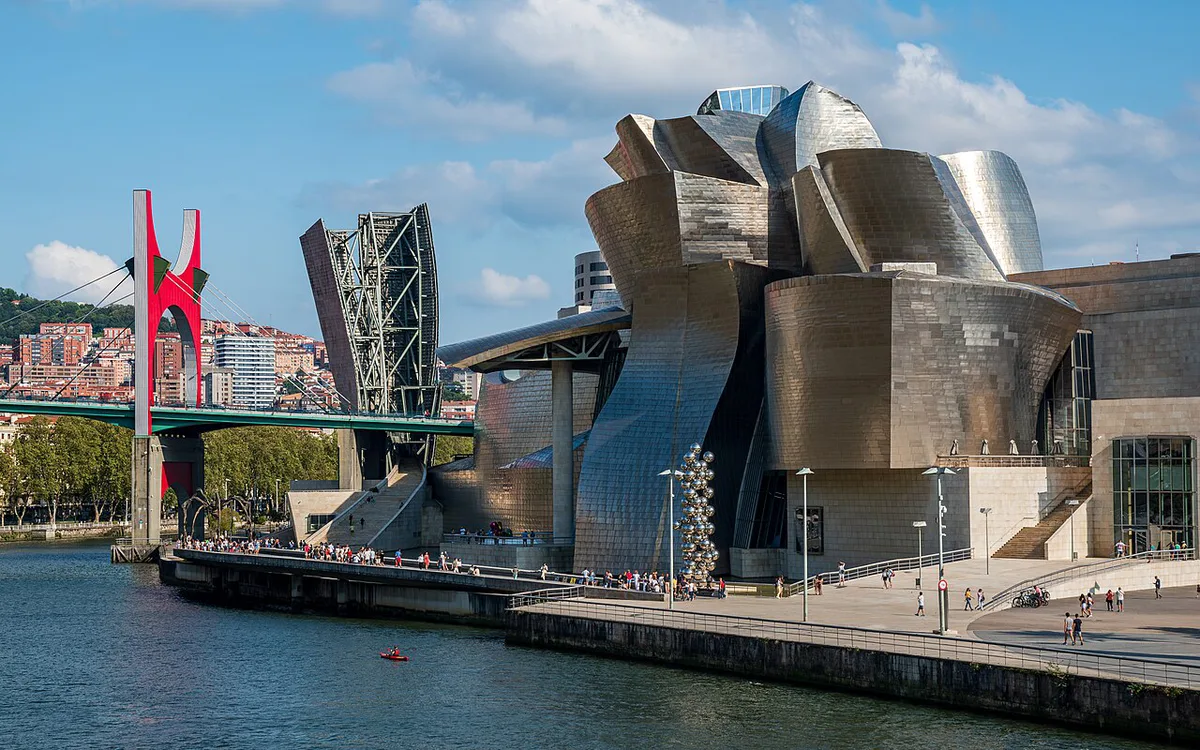
For most visitors weighing is Bilbao safe against other Spanish destinations, the verdict is straightforward: Bilbao ranks among Spain's calmer major cities, and the Basque Country as a whole consistently posts some of the country's lowest crime figures according to Eustat, the Basque Statistics Institute. Compared with the pickpocket-heavy tourist corridors of Barcelona or the wider spread of Madrid, Bilbao's compact center, strong civic pride, and post-industrial regeneration around the Guggenheim have made day-to-day street safety a non-issue for the vast majority of trips. The political violence associated with ETA that still surfaces in outdated forum threads and old guidebooks ended its campaign more than twenty years ago; it has no bearing on a 2026 visit and should not factor into modern trip planning. What remains relevant is the ordinary, low-level risk every European city carries: petty theft in crowded tourist zones, not violent crime. Bilbao works well for solo travelers, families with children, and digital nomads settling in for a longer stay, since the city's daily rhythm rewards the same common-sense habits that keep any city trip safe.
- Best for: solo travelers exploring compact, walkable neighborhoods
- Best for: families with children in the wide Ensanche streets
- Best for: digital nomads settling into Abando or Indautxu for weeks at a time
- Main risk: opportunistic petty theft in dense tourist areas, not violent crime
Bilbao Safety Compared to Barcelona and Madrid
Framed against Spain's two biggest tourist magnets, Bilbao's safety case is easy to make. Barcelona's dense tourist core has a long-documented pickpocketing problem tied to its sheer visitor volume, and Madrid's larger scale spreads petty crime across a broader range of neighborhoods. Bilbao is a fundamentally smaller, denser city with far less tourist saturation, and Basque Country crime figures tracked by Eustat consistently sit toward the lower end nationally. That does not mean Bilbao is immune to the same categories of risk; it means the baseline is lower and the hotspots are more contained and predictable, largely concentrated in Casco Viejo and around Metro Bilbao rather than spread across the whole city. For travelers building a wider Spain itinerary and deciding where to relax their guard versus stay alert, Bilbao is reasonably one of the easier stops: fewer crowds to get lost in, a smaller center to learn quickly, and a slower, more local pace outside the Guggenheim-adjacent tourist strip. Still, safer than Barcelona or Madrid is a relative statement, not a reason to drop the basic habits that apply everywhere in Spain.
Neighborhood Safety Breakdown: Green Zones vs Yellow Zones
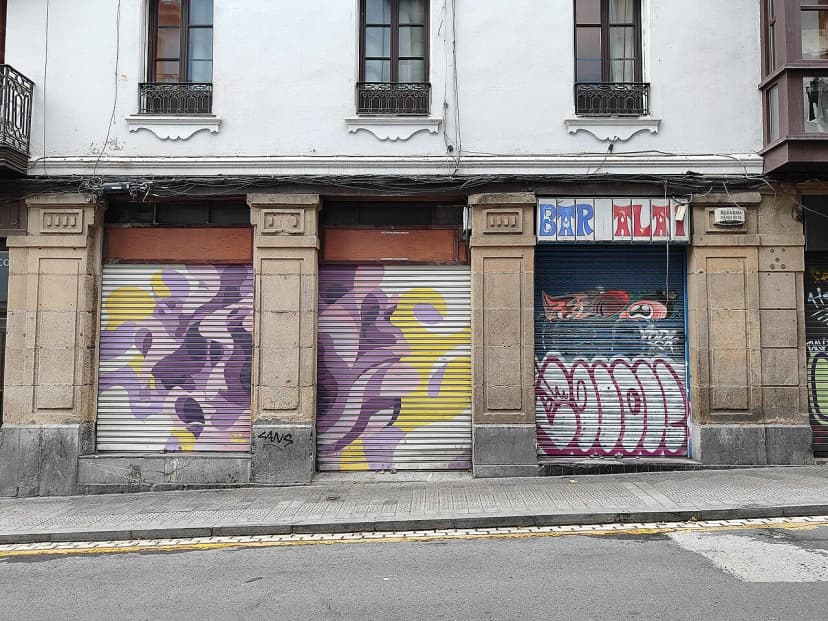
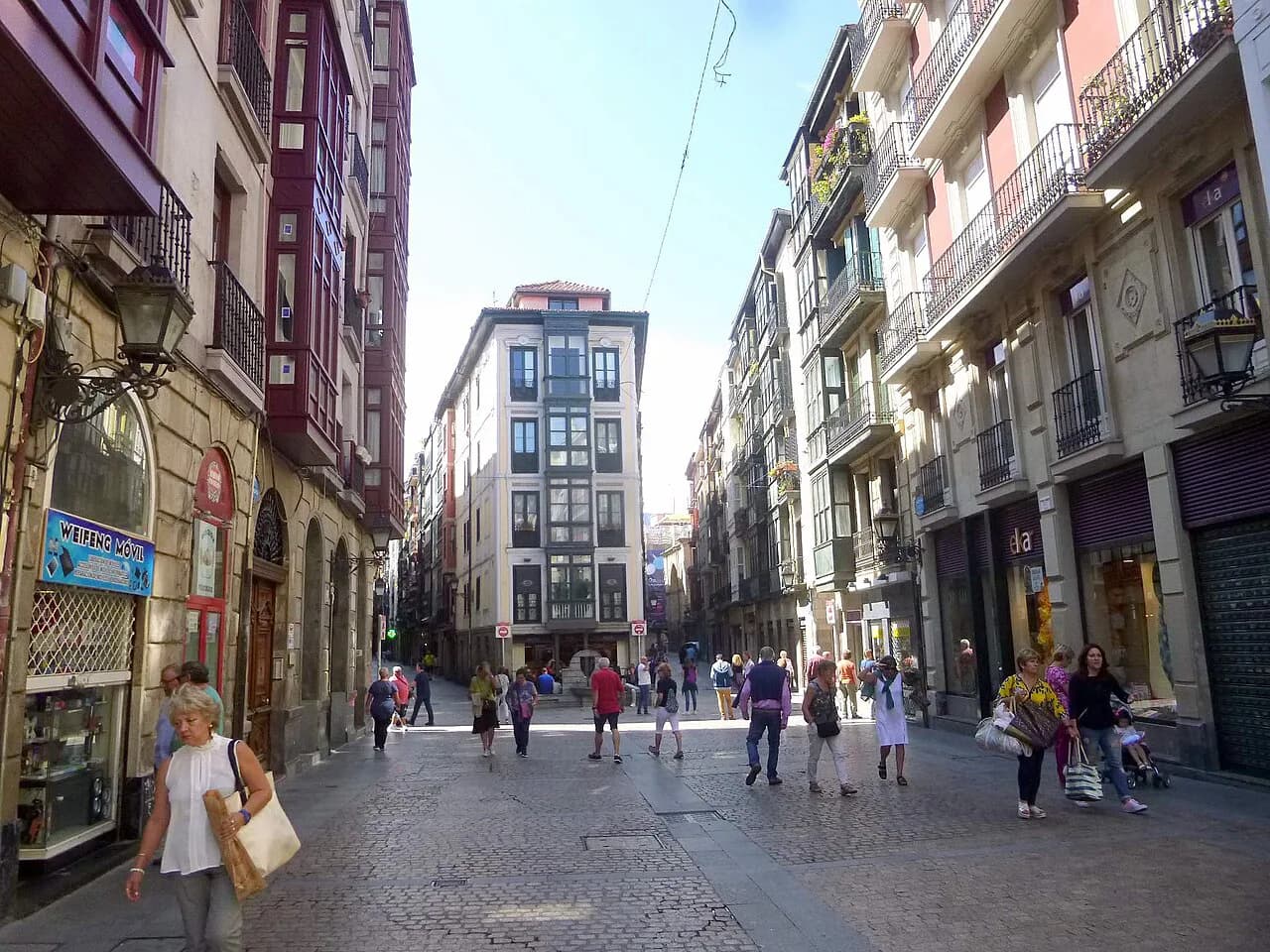
Bilbao's safety picture varies more by neighborhood than by time of day, and a useful way to plan is thinking in green zones and yellow zones. Abando, Indautxu, and the Guggenheim area form the city's green zone: wide Ensanche boulevards, business-district foot traffic, and a strong municipal presence make these streets comfortable to walk at almost any hour. San Francisco, centered on Calle San Francisco, and parts of Bilbao La Vieja sit in the yellow zone. Both districts are genuinely gentrifying, with a growing scene of bars, vintage shops, and street art that draws a younger, edgier crowd — the kind of neighborhood energy that shows up in local forum threads as equal parts cool and sketchy. The nuance matters: visible drug use and some street-level dealing are a real, documented part of San Francisco's daily texture, and that can make the area feel uncomfortable, especially after dark. That is different from being unsafe — violent incidents targeting tourists are not the pattern here — but travelers who prefer not to navigate that atmosphere should treat San Francisco as a look-don't-linger district rather than a base for a stay. For a fuller breakdown of which specific streets fall into this category, the areas worth avoiding guide goes block by block. Casco Viejo, the old town, sits somewhere in between: it is safe in the sense that matters most to travelers, but its narrow, crowded medieval street layout and heavy tourist density make it the city's top spot for pickpocketing, not muggings.
- Green zones: Abando, Indautxu, Guggenheim/Abandoibarra
- Yellow zones: San Francisco, parts of Bilbao La Vieja
- Use awareness, not avoidance: Casco Viejo (pickpocket risk, not violent crime)
Safety at Night and Solo Travel in Bilbao
Walking back from a pintxo crawl is one of the most common evening routines in Bilbao, and it is low-risk if you stick to the obvious rule: favor well-lit, well-populated main routes over shortcuts through emptier side streets, particularly around San Francisco after dark. Bilbao's compact center means accommodation in Casco Viejo, Abando, and Indautxu tends to sit within an easy, populated walk of the main pintxo strips, so a late return rarely requires an isolated stretch on foot. For a full breakdown of which routes and hours warrant extra attention, see the Bilbao's nighttime safety guide. Solo female travelers generally report Bilbao as comfortable relative to larger Spanish cities: Basque social norms around late-night pintxo culture mean bars and streets stay genuinely busy with a mixed-age, mixed-gender crowd well into the evening, which cuts down on the isolated stretches that create risk elsewhere. Ordinary precautions still apply — keeping drinks in sight, sharing a location with someone, and using licensed taxis or the metro rather than walking through Bilbao La Vieja late at night. A dedicated solo female travel guide covers local attitudes and specific resources in more depth.
Common Tourist Scams and Petty Crime to Watch For
Bilbao's low crime profile does not mean zero petty crime, and the city's tourist scams cluster in exactly the places you would expect: the crowded platforms and carriages of Metro Bilbao during rush hour, and the packed evening terraces of Plaza Nueva in Casco Viejo. Both are dense, distracting environments where a bag left open on a chair back or a phone left face-up on a table is the real risk, not any organized scam network. Street hustlers running the classic shell game, or offering an unsolicited palm reading with a sprig of rosemary, occasionally work Casco Viejo's tourist crowds; the safest response is simply not to engage. On the food side, pintxo bar etiquette is worth knowing but rarely a safety issue: bars track what you eat by the toothpicks and small plates piling up at your spot, and overcharging is uncommon precisely because the system is visible and communal. Ordering a Gilda — the olive, pickled guindilla pepper, and anchovy pintxo invented in the 1940s at Casco Viejo's Casa Vallés bar — costs the same as it does for regulars, with no separate tourist pricing to watch for. The bigger practical habit is keeping bags zipped and in front of you in Plaza Nueva and on the metro. For a fuller rundown of specific scam patterns and how to sidestep them, the common tourist scams guide covers each in detail.
Bilbao's pickpocketing concentrates in Casco Viejo and crowded metro, not spread across the city like Madrid. The theft targets—open bags, loose phones on tables, unfastened wallets—are all preventable through one habit: keeping belongings secure and in your control.
Public Transport and Getting Around Safely
Metro Bilbao is the backbone of getting around safely, connecting the city center with outer neighborhoods and the coast through clean, well-monitored stations; it is worth checking Metro Bilbao's official channels directly for current 2026 timetables, since service runs on a reduced schedule late at night outside peak hours. Euskotren handles suburban and coastal routes beyond the metro's reach, and Bilbobus covers the gaps with local routes through residential neighborhoods — both are standard, low-risk ways to take a day trip outside the center. The Barik card, a rechargeable transport pass that works across metro, tram, and most bus lines, cuts down on the fumbling with cash or tickets that can make a traveler a more obvious target. In practice, public transport safety in Bilbao is less about crime and more about ordinary transit awareness: keeping bags in front of you on crowded rush-hour trains and having a route planned before a late-night trip home rather than working it out on a dim platform. For operator-specific detail on hours, frequency, and what to expect late at night, the public transport safety guide breaks down each system.
What Not to Do in Bilbao: Safety and Etiquette Edition
A handful of avoidable missteps cause more friction than any actual danger in Bilbao. Do not confuse Bilbao La Vieja's edgy, gentrifying reputation with genuine danger — treat it as a neighborhood to explore with awareness rather than one to skip entirely or wander through carelessly. Do not raise Basque independence or ETA-era politics unprompted; locals are generally open and friendly, but unsolicited political debate is a fast way to sour an otherwise warm interaction, and it has nothing to do with a 2026 traveler's safety anyway. Do not leave a bag hanging on the back of a chair in Plaza Nueva or any packed pintxo terrace — hook it over a leg or keep it in your lap instead. And do not skip the Gilda or the Carolina out of any food-safety worry: Basque culinary culture treats hygiene and ingredient quality as a point of civic pride, reflected in the concentration of Michelin-starred kitchens — six in Bilbao's central area alone — that share the same supply chains as the humble pintxo bars.
- Don't treat Bilbao La Vieja's edgy reputation as a reason to avoid it outright — go with awareness, not anxiety
- Don't start unsolicited debates about Basque politics or ETA history
- Don't leave a bag on the back of a chair in Plaza Nueva
- Don't worry about not speaking Basque — signage runs bilingual in Basque and Spanish, and Spanish is widely spoken
- Don't skip the Gilda or Carolina over food-safety concerns
Where to Stay in Bilbao: A Safety-First Decision Guide
Choosing where to stay is largely a safety decision dressed up as a logistics one. Casco Viejo puts travelers inside the pintxo crawl action with heavy foot traffic well into the night, which is reassuring in terms of never being isolated, but that same density is what drives its pickpocket rate and late-night noise. Abando trades some of that atmosphere for business-district calm: quiet after office hours and about as safe a base as the city offers. Indautxu sits close behind it, residential and upscale with easy walking access to the center. San Francisco sits at the opposite end — genuinely interesting for its nightlife and street-art scene, but the district most first-time visitors, especially those prioritizing a quiet return home, should treat with extra caution rather than book as a base. The table below lines up the trade-offs.
Bilbao's crime concentrates in contained hotspots unlike Barcelona's crowded tourist zones or Madrid's spread-out risk. Choosing green-zone neighborhoods like Abando or Indautxu eliminates the dense-crowd pickpocket risk while keeping the center accessible.
| Neighborhood | Safety Level | Vibe | Best For |
|---|---|---|---|
| Abando | Very safe | Business-district, quiet evenings | First-time visitors, families, digital nomads |
| Indautxu | Very safe | Residential, upscale, walkable | Longer stays, families |
| Casco Viejo | Safe, watch belongings | Lively, dense, late-night noise | Nightlife-focused solo travelers and couples |
| San Francisco / Bilbao La Vieja | Exercise caution, especially at night | Gentrifying, artsy, edgy nightlife | Confident travelers who prioritize nightlife over quiet |
Practical Safety Resources for 2026 Travelers
A handful of practical resources round out the picture for 2026 travel planning. The pan-European emergency number 112 works throughout Spain, including the Basque Country, and connects to police, medical, and fire services regardless of language. You do not need to know Basque to travel safely in Bilbao — signage throughout the city runs bilingual in Basque and Spanish, and the vast majority of residents in tourist-facing roles speak Spanish fluently — but knowing a few basic Spanish phrases is genuinely useful in the rare event of an emergency, since not every situation happens near an English speaker. Spain's official tourism portal, Spain.info, publishes general traveler safety regulations worth reviewing before any trip, and Eustat's public data offers the closest thing to an official regional crime picture for travelers who want to look past forum anecdotes. Between the bilingual signage, the 112 number, and Bilbao's generally low-key street culture, most of what a first-time visitor needs to feel secure is already built into the city rather than something to arrange in advance.
Bilbao Safety Map: How to Read the City Center
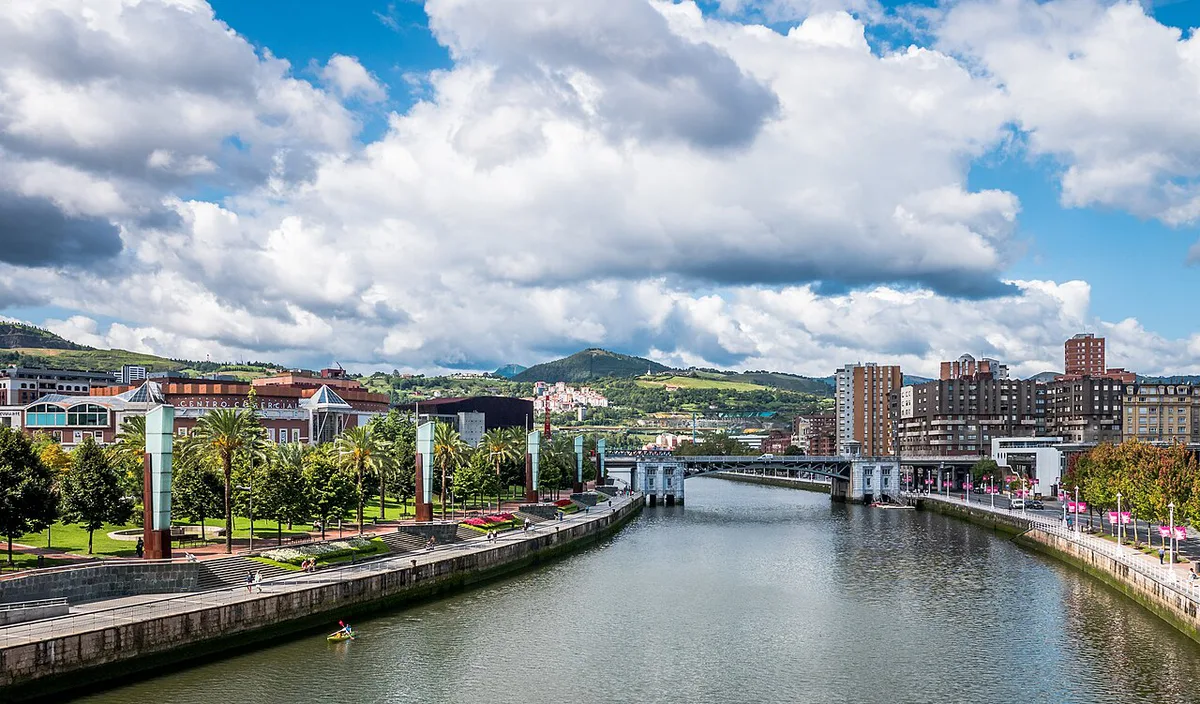
For a practical safety map, picture central Bilbao as three bands around the Nervion. The easiest band is the Abando-Guggenheim-Indautxu side: Gran Via, Plaza Moyua, Abandoibarra, and the streets around the Guggenheim Museum are well lit, polished, and comfortable for late walks between hotels, restaurants, and the tram.
The second band is Casco Viejo, especially the Seven Streets, Plaza Nueva, and the riverfront near Teatro Arriaga. This area is safe and lively, but the narrow lanes and crowded pintxo bars make it the place to keep your phone and wallet controlled rather than loose on a table.
The third band is the San Francisco and Bilbao La Vieja corridor south of the river, including Calle San Francisco and nearby side streets. Visit for bars, galleries, and street art if it interests you, but use main streets, avoid quiet shortcuts late, and choose Abando or Indautxu as a calmer base if safety is your top priority.
For trip-planning details, see UK FCDO travel advice for Spain.
Explore is safe in other cities
Frequently Asked Questions
Is Bilbao safe for solo female travelers?
Yes. Bilbao is generally regarded as comfortable for solo female travelers relative to larger Spanish cities, in part because Basque pintxo culture keeps streets and bars busy with a mixed crowd well into the evening. Standard precautions — sharing a location, sticking to well-lit main streets, and using licensed taxis or the metro late at night — still apply, especially around Bilbao La Vieja.
Is Bilbao safe at night?
Bilbao is safe at night for the vast majority of travelers, particularly in Abando, Indautxu, and Casco Viejo, where foot traffic stays high well into the evening. The main advice is to favor well-lit, populated main routes over shortcuts through quieter side streets, and to exercise more caution around San Francisco and Bilbao La Vieja after dark.
What is the safest neighborhood in Bilbao?
Abando and Indautxu are consistently the safest neighborhoods, offering business-district calm, wide Ensanche streets, and easy walking access to the Guggenheim and city center. Casco Viejo is also safe but denser and more prone to pickpocketing given its tourist volume.
Is San Francisco a dangerous neighborhood in Bilbao?
San Francisco is not dangerous in the sense of violent crime toward tourists, but it is a gentrifying district with visible drug use and street-level activity that can feel uncomfortable, especially at night. Most cautious travelers treat it as an area to explore during the day with awareness rather than a base for an overnight stay.
Is the Bilbao metro safe at night?
Metro Bilbao is a low-risk way to get around, with clean, monitored stations, though service runs on a reduced late-night schedule outside peak hours. The main risk on the metro is pickpocketing in crowded carriages rather than any personal safety threat, so keeping bags zipped and in front of you is the key habit.
Do you need to worry about ETA-related safety concerns when visiting Bilbao?
No. The political violence associated with ETA ended its campaign more than twenty years ago and has no bearing on a 2026 visit. It remains a historical topic that occasionally surfaces in outdated search results, not a live security consideration for travelers.
Stay Safe in Bilbao
Every Bilbao safety guide on one page — areas, scams, night rules, and getting around.