Bilbao Public Transport Safety: Metro, Trams, and Buses
Last updated May 2026, this guide breaks down Bilbao public transport safety across the Metro, the Euskotran tram, and the Bilbobus and Bizkaibus network so travelers can move around the city with confidence. Bilbao's transit system is compact, modern, and closely monitored, and the standard urban precautions that apply in any European city cover almost every situation riders actually encounter here. The sections below walk through station-specific vigilance points, the Gautxori night bus protocol, and how to use a Barik card without looking like an easy target in crowded hubs such as Abando and Casco Viejo.
Bilbao Public Transport Safety Overview: What Tourists Should Know
For most travelers, the short answer is yes: Bilbao public transport safety ranks among the strongest in Spain, and the Metro, Euskotran tram, and Bilbobus and Bizkaibus network are all considered clean, modern, and low-risk by local standards. The system is compact enough that visitors rarely need to transfer more than once to reach the main sights, which limits time spent waiting on unfamiliar platforms. Petty theft, not violent crime, is the primary concern riders should plan around, and it clusters at predictable pinch points rather than spreading evenly across the network. For context on how transit safety fits into the wider picture of moving around the city, this overall Bilbao safety guide covers neighborhoods, walking routes, and general precautions beyond the transit system itself. Riding during daylight and early evening hours carries essentially the same profile as riding on a similarly sized transit network anywhere in Western Europe.
Petty theft concentrates at two main transit hubs: Abando (rail and bus hub) and Casco Viejo (old town gateway), especially during rush hours and late weekend nights. Zipping bags and positioning them in front of the body addresses most realistic risk here.
Metro Bilbao Safety: Fosteritos, CCTV, and the Saturday All-Night Service
Metro Bilbao is widely regarded as one of the cleanest and most modern underground systems in Europe, and that design quality translates directly into passenger safety. The system's distinctive glass-enclosed station entrances, nicknamed 'Fosteritos' after architect Norman Foster, keep entry points bright and visible from the street rather than tucked into dark stairwells, which reduces the isolation riders often associate with underground travel late at night. Platforms and trains carry CCTV coverage, and security personnel and staff presence at larger interchange stations add another layer of oversight during operating hours. One standout feature for late-night travelers is the all-night Saturday Metro service, which keeps trains running through the night when bars and restaurants in the old town empty out, giving visitors a monitored alternative to walking back to accommodation in the small hours. The main practical risk is not violence but distraction theft: Casco Viejo and Abando stations get crowded at peak commuting times and on weekend nights, and that crowding is exactly when unzipped bags or loosely held phones become easy targets. Keeping bags zipped and in front of the body at these two stations during busy periods addresses most of the realistic risk.
Bilbobus and Bizkaibus: Daytime vs Nighttime Safety
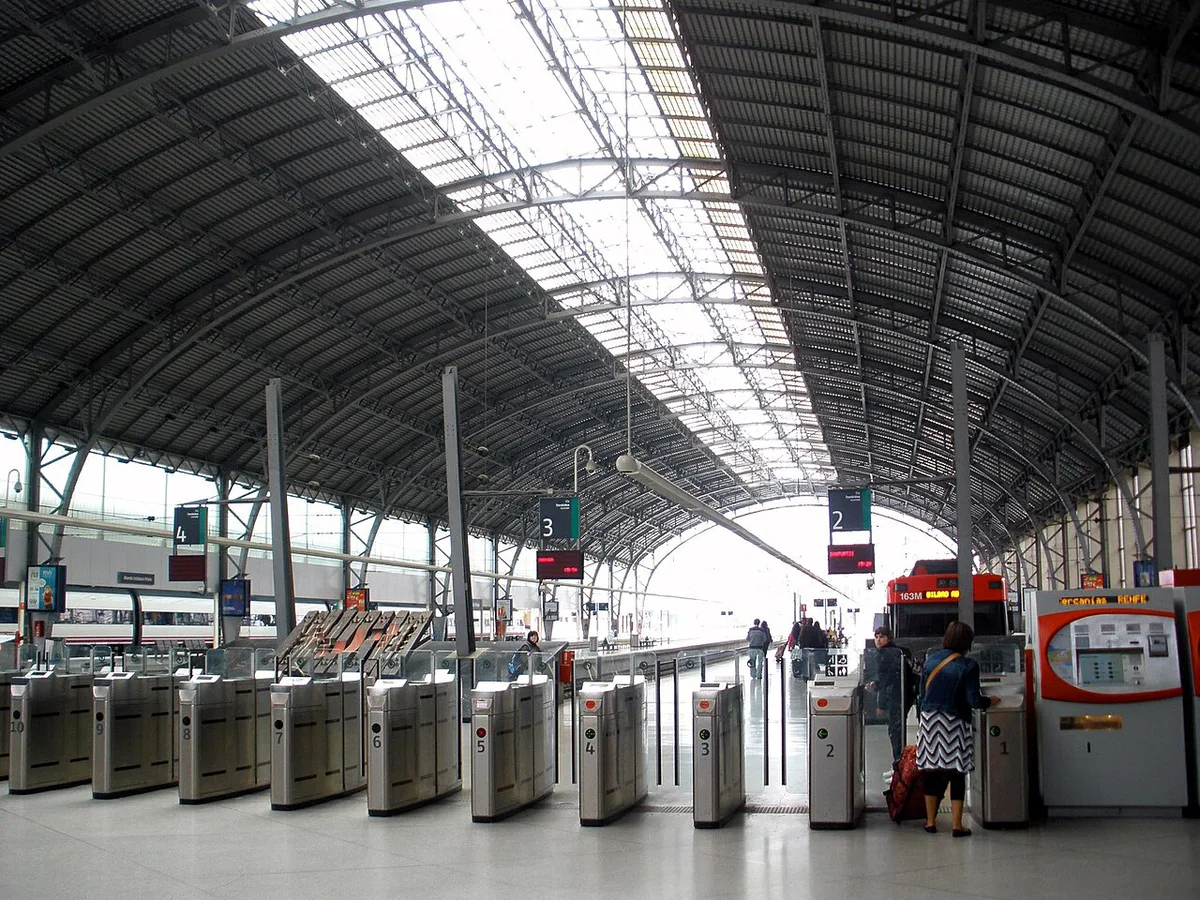
Daytime bus travel on Bilbobus, the city's urban network, and Bizkaibus, which covers the wider province including the airport route, follows the same low-risk profile as the Metro. The A3247 Bizkaibus service connecting Bilbao Airport to Moyua is a good example: it is a straightforward, well-used route that avoids negotiating unfamiliar taxi pricing after a long flight, and daytime and early-evening runs see steady ridership that keeps buses from ever feeling isolated. Night travel is where the network changes character, and this is where the Gautxori night bus service becomes relevant. Gautxori runs when the regular daytime bus and Metro timetables wind down, filling the gap for anyone heading home from the old town or the nightlife areas around Casco Viejo after standard services stop. For a fuller breakdown of what changes about the city after dark, including how Gautxori fits into a broader night-safety strategy, see this Bilbao safety after dark resource. As with the Metro, the main precaution on any night bus is basic situational awareness rather than any specific known threat.
Euskotran Safety: Open-Air Stops at Casco Viejo and Abandoibarra
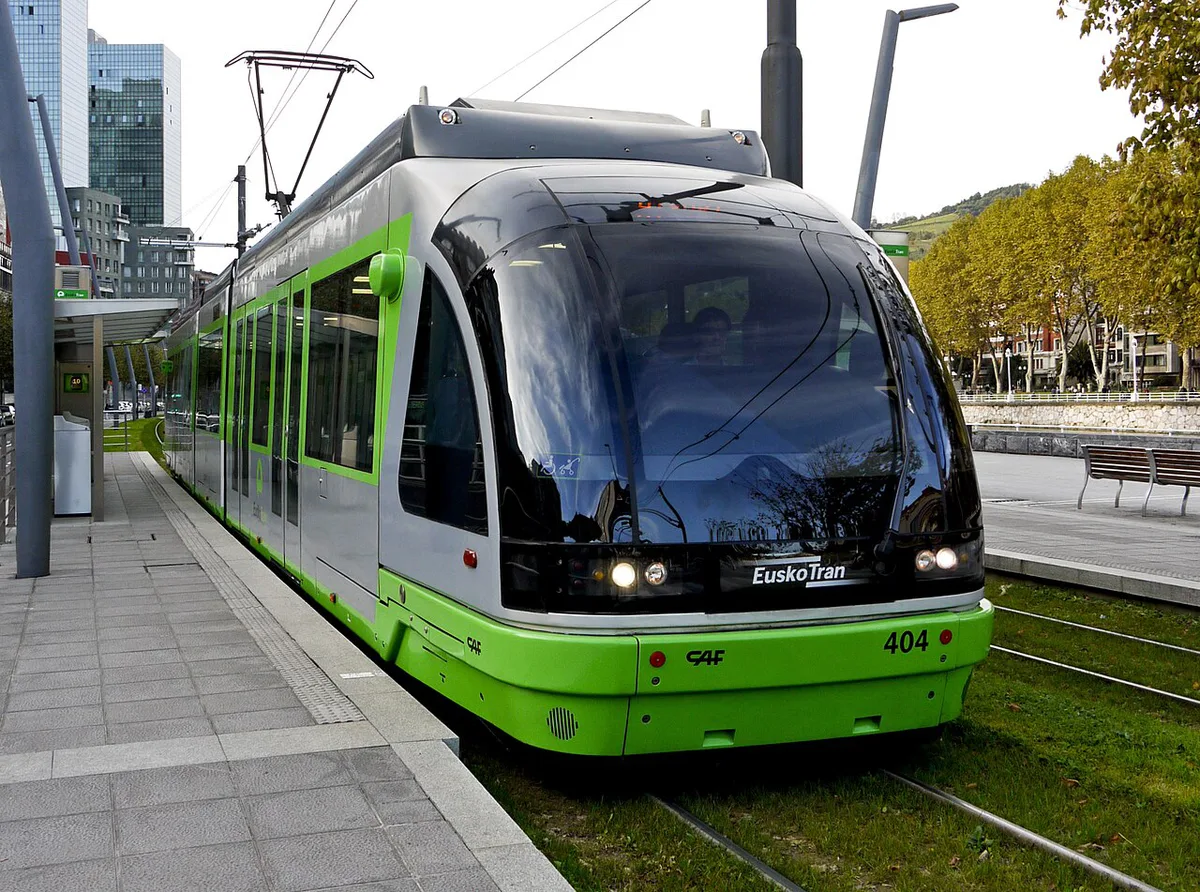
The Euskotran tram differs from the Metro in one structural way that matters for safety planning: its stops are open-air platforms at street level rather than enclosed, staffed stations. That openness is generally a safety advantage during the day, since riders can see the surrounding street clearly while waiting, but it means less built-in oversight than the Metro provides once services thin out at night. The Casco Viejo stop sits at the edge of the old town's densest tourist and nightlife foot traffic, so it shares the same crowd-based pickpocket risk as the Metro station of the same name, particularly during peak evening hours. The Abandoibarra stop, by contrast, sits in Bilbao's newer riverside redevelopment district and generally has clearer sightlines and lighter foot traffic outside peak sightseeing hours. The practical takeaway is simple: treat crowded tram stops the way any crowded urban platform should be treated, with bags secured and valuables out of easy reach, and treat quieter stops as generally lower-risk but still worth normal vigilance after dark.
Pickpockets and the 'Hug' Scam at Crowded Transit Hubs
The most consistent risk on Bilbao public transport is not violent crime but opportunistic theft, and it concentrates almost entirely at the busiest interchange points. Abando, as the city's main rail and transit hub, and Casco Viejo, as the gateway to the old town's bars and restaurants, are the two locations where pickpockets are most likely to target distracted travelers, particularly during rush hour and late on weekend nights when platforms and train cars are packed shoulder to shoulder. Distraction techniques, including a staged bump or an unwanted 'hug' from a stranger while an accomplice works a bag or pocket, are the pattern to watch for in any crowd, not just on transit. For a broader rundown of the scams travelers report most often around the city, including variations seen at transit hubs, this common tourist scams guide is worth reading before a trip. Keeping bags zipped, wearing backpacks on the front in packed train cars, and avoiding phone use right at the platform edge are the standard countermeasures that neutralize nearly all of this risk.
Transit Hubs Near Bilbao's Areas to Avoid: Abando and San Francisco
Some transit lines run close to or through the San Francisco and Bilbao La Vieja area, a neighborhood travelers sometimes describe, including in online forums, as having a rougher edge than the polished tourist core around Casco Viejo and Abandoibarra. That reputation is largely about the visible, unfamiliar character of certain blocks rather than a documented pattern of crime against transit riders: those who stay on the train, tram, or bus and disembark at well-lit, populated stops are not meaningfully exposed to whatever conditions exist on the surrounding streets. For a full breakdown of which specific streets and blocks warrant extra caution on foot, and why, this neighborhoods to avoid guide gives the fuller picture, and it is a useful companion for anyone whose route to accommodation involves walking from a station through this part of the city after dark.
Solo Female Travel and Night Safety on Public Transport
Solo travelers, and women in particular, have one extra tool available on Bilbao's night transit network: the Gautxori night bus operates a stop-on-demand style policy that lets women and minors ask the driver to be let off at a point closer to their actual destination rather than only at a fixed, official stop. That policy exists specifically to shorten the unaccompanied walk between a bus stop and a front door in the hours when streets are quietest, and it is worth knowing about in advance rather than discovering it only after boarding. Sitting near the driver on any night bus, or choosing a car with other passengers on the all-night Saturday Metro service, are simple habits that add an extra layer of comfort without meaningfully changing the very low baseline risk. For a more complete set of guidance on solo and women's travel safety across the city, beyond transit specifically, this solo female travel tips resource covers accommodation choices, nightlife precautions, and general street safety.
Practical Logistics: Using the Barik Card Securely
The Barik card is the contactless smart card used across Metro Bilbao, Euskotran, Bilbobus, and Bizkaibus, and it is worth using for reasons that go beyond convenience: fumbling with unfamiliar coins or small bills at a ticket machine is one of the more common ways travelers unintentionally signal that they are new to a city, which is exactly the kind of distraction opportunistic thieves look for. Barik cards are sold and topped up at Metro stations, tram stops, and authorized kiosks, and the Consorcio de Transportes de Bizkaia (CTB), which oversees the region's integrated transport network, publishes official guidance on where to buy and reload one. Loading enough balance for the length of a stay before heading out for the day, rather than topping up in a hurry at a crowded machine, keeps transactions quick and keeps attention off a wallet in public. Tapping in and out efficiently at gates also reduces time spent standing still in a crowded transit hub, which is itself a small but real safety habit.
Preloading the Barik card before heading out prevents fumbling at ticket machines—a visible behavior that attracts opportunistic thieves. Tapping in and out efficiently at gates also reduces time spent stationary in crowded theft hotspots like Abando and Casco Viejo.
Transit Safety Comparison: Metro vs Tram vs Bus
Each mode of Bilbao public transport has a slightly different safety profile depending on how enclosed it is, how visible the platforms are, and when it runs. The table below summarizes the trade-offs in qualitative terms, since the meaningful differences are about visibility, oversight, and night coverage rather than any measurable crime rate.
| Mode | Typical Speed | Scenic Safety (Visibility) | Night Availability |
|---|---|---|---|
| Metro Bilbao | Fast, frequent between core stops | High: enclosed, CCTV-covered, Fosterito entrances | Runs late nightly; all-night service on Saturdays |
| Euskotran (Tram) | Moderate, frequent short hops | Variable: open-air platforms, strong visibility by day | Thins out earlier than the Metro at night |
| Bilbobus / Bizkaibus | Moderate, route-dependent | Good on board; conditions at stops vary by neighborhood | Covered late by the Gautxori night bus service |
30-Second Safety Checklist for Riding the Metro
The checklist below distills the habits covered throughout this guide into a quick reference for anyone about to board.
- Keep bags zipped and worn to the front in crowded cars, especially at Abando and Casco Viejo during peak hours.
- Choose a car with other passengers rather than an empty one late at night, particularly on the all-night Saturday service.
- Have the Barik card loaded and ready before reaching the gate to avoid fumbling at the ticket machine.
- Stand or wait near the well-lit Fosterito entrance rather than at the platform's far end when alone.
- Save transit maps or tickets offline so a phone does not need to stay out and visible on the platform.
Frequently Asked Questions
Is the Bilbao Metro safe to use late at night?
Yes. Metro Bilbao is well-lit, CCTV-covered, and its glass Fosterito entrances keep stations visible from the street, and the all-night Saturday service gives late-night riders a monitored alternative to walking. The main precaution is choosing a carriage with other passengers rather than an empty one during the quietest hours.
Are there pickpockets on the Bilbao tram?
The Euskotran tram carries the same crowd-based pickpocket risk as any busy urban platform, concentrated mainly at the Casco Viejo stop during peak evening hours when the old town's bars and restaurants are busiest. The quieter Abandoibarra stop along the newer riverside district sees far less of this risk.
How do I stay safe at the Bilbao Abando train station?
Abando is the city's busiest transit hub, so the main risk is distraction theft in the crowds rather than any other threat. Keep bags zipped and in view, avoid handling a phone or wallet in the densest parts of the concourse, and use a loaded Barik card to move through gates quickly instead of lingering at ticket machines.
What is the Gautxori bus and is it safe for solo travelers?
Gautxori is Bilbao's night bus service, running when standard daytime Metro and bus timetables wind down. It includes a stop-on-demand policy that lets women and minors ask the driver to be dropped closer to their actual destination rather than only at a fixed stop, which shortens the unaccompanied walk home late at night.
Does Bilbao public transport have security guards?
Metro Bilbao stations, particularly larger interchanges, have security personnel and staff on hand during operating hours in addition to CCTV coverage throughout stations and trains. Euskotran tram stops and bus stops rely more on open visibility and passenger presence than on stationed personnel, which is why crowded, well-lit stops are the safer choice after dark.