Is Bilbao Safe at Night? A Practical Guide for Travelers
Last updated July 2026, this guide answers the question is Bilbao safe at night with the street-level detail generic warnings tend to skip. Bilbao's Casco Viejo and Plaza Nueva stay full of pintxo-hopping locals and visitors well past midnight, and in those crowded lanes the real nighttime risk is a pickpocket working the room, not the streets themselves. Move away from that lit, populated core toward a handful of specific pockets, and the calculus changes — this guide breaks down exactly where, when, and how to adjust.
The Short Answer: Is Bilbao Safe at Night?
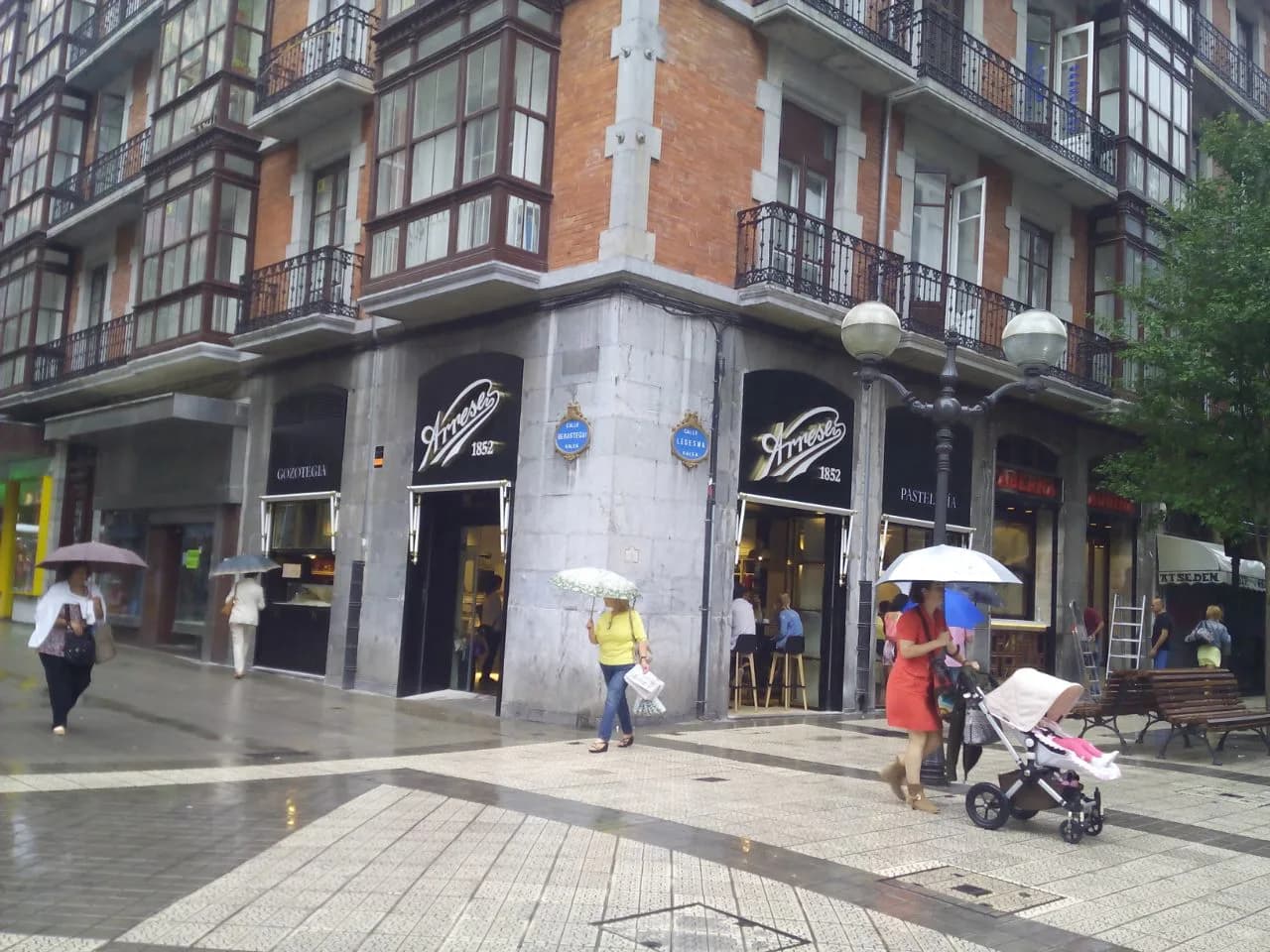
Yes — in the areas most travelers actually spend their evenings, Bilbao is safe at night. The Casco Viejo (the Seven Streets) and Plaza Nueva stay full of pintxo-hopping locals and visitors well past midnight, and that crowd is exactly why muggings and street assaults are rare in the center: the real risk in a packed pintxo bar or a busy plaza is a pickpocket working the crowd, not the streets themselves. The city's late-night party strips, Ledesma and Pozas, keep a similarly good-natured atmosphere into the small hours. Local tourism guides do flag four specific pockets to treat with extra caution after dark — San Francisco, quiet stretches of the old town in the small hours, Doña Casilda Park, and Otxarkoaga — and the rest of this overall Bilbao safety guide breaks each of those down block by block.
Abando, Indautxu, and the Riverside: The City's Reliable After-Dark Zones
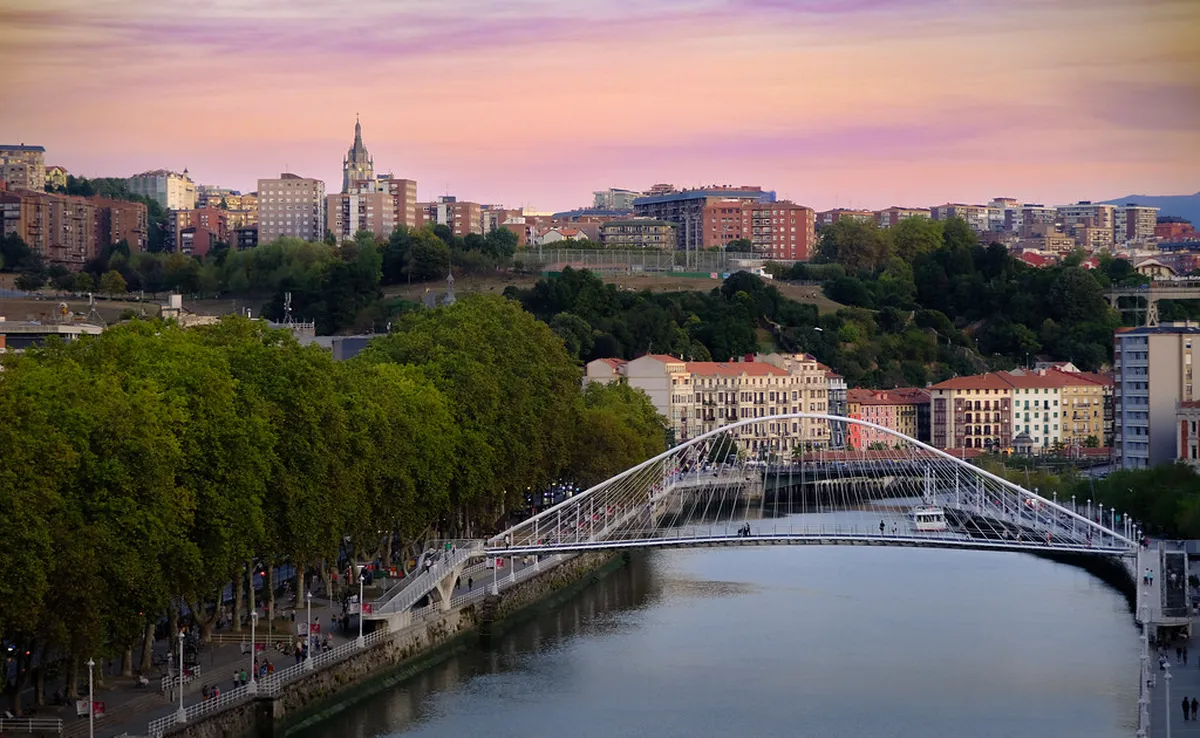
Abando, the city's central transit district, and Indautxu, its upscale shopping and residential neighborhood just to the west, are the two areas where you're least likely to think twice after dark. Both stay dense with restaurants, hotel entrances, and pharmacies well into the evening, and pedestrian traffic on their main streets rarely drops to zero before the very late hours. The illuminated riverside promenade along the Nervión is another dependable route for an after-dinner walk — well-lit and busy enough with joggers, dog-walkers, and other strollers that solitude is rarely an issue until well past midnight.
San Francisco vs. the Casco Viejo: Two Very Different "Old" Bilbaos
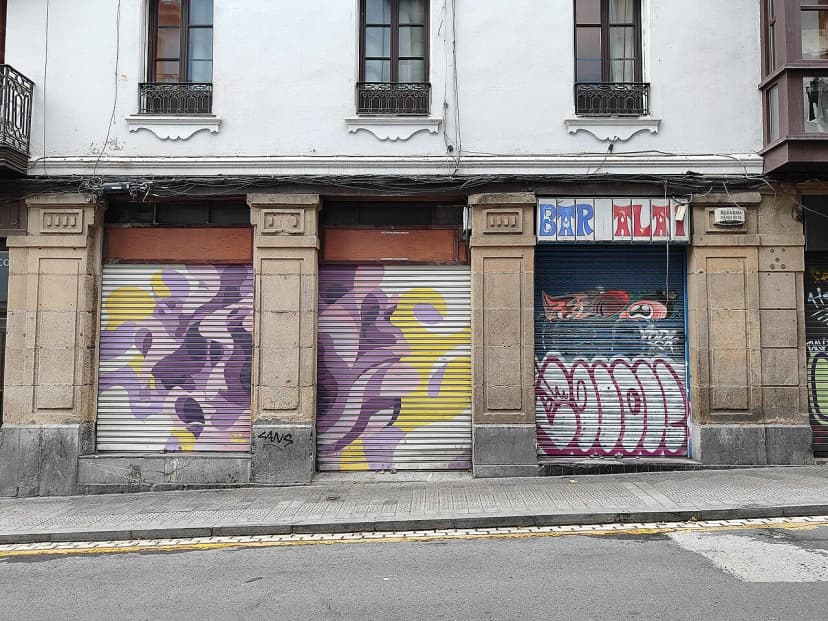
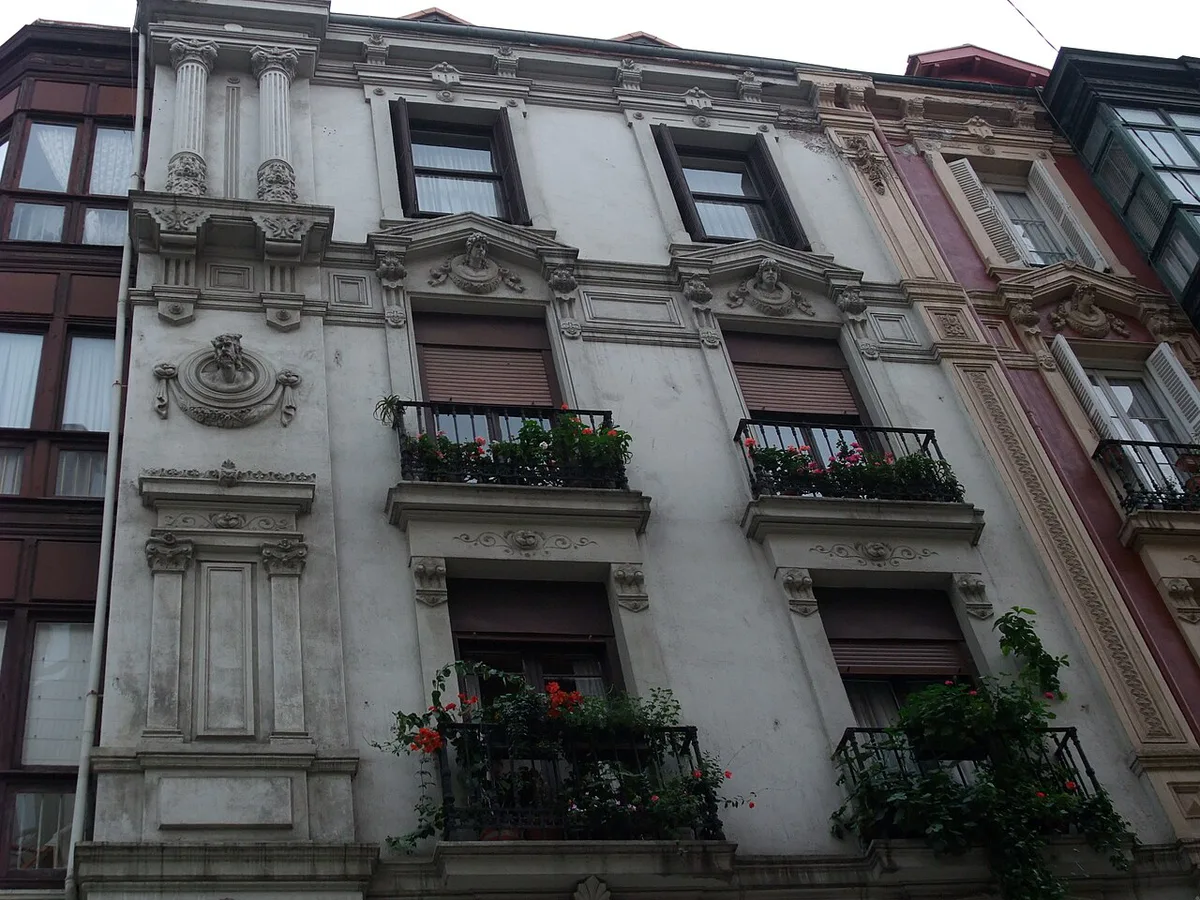
Bilbao's nightlife safety conversation really comes down to two different "old" neighborhoods that get confused with each other. The Casco Viejo, or Seven Streets, is the tourist-friendly old town: safe and lively during poteo (bar-hopping) hours, but its narrow medieval alleys empty out fast once the bars close, and a lane that felt perfectly normal at 11pm can feel isolated by 3am. San Francisco, also known as Bilbao La Vieja, is a different area entirely — reached by crossing the San Antón bridge out of the old town, centered on Calle San Francisco, and long associated with drug-related activity and petty crime that local guides consistently flag as one of the few parts of the city worth treating with real caution after dark. For a fuller breakdown of exactly where that boundary falls and what else to route around, see this guide to areas to avoid in Bilbao.
Doña Casilda Park and Otxarkoaga: Away From the Tourist Path
Two more spots come up consistently in local guidance on where not to linger after dark. Doña Casilda Park, one of Bilbao's largest and most popular green spaces by day, sees its crowds thin dramatically once the sun goes down, and walking through it alone at night isn't recommended. Otxarkoaga, a residential neighborhood in the upper part of the city, rarely appears on a visitor's itinerary in the first place — it has few tourist attractions, and most travelers simply never have a reason to be there after dark. Between San Francisco, quiet stretches of the old town, Doña Casilda after hours, and Otxarkoaga, that accounts for the small handful of places local sources single out; everywhere else on a typical Bilbao itinerary carries no particular nighttime flag.
Bilbao's safest zones depend on active crowds and foot traffic; Doña Casilda Park exemplifies the risk when those crowds vanish at night, just as the opposite isolation in residential Otxarkoaga means travelers rarely have reason to be there after dark.
Nighttime Logistics: Metro Bilbao, the Gautxori Night Bus, and Taxis
Getting back to a hotel or apartment after midnight in Bilbao usually means choosing between the Metro, the night bus network, or a taxi, and the right call depends on how late it is and which neighborhood you're heading to. Metro Bilbao (metrobilbao.eus) runs a different late-night schedule depending on the night of the week, closing earlier midweek and extending service later on Friday and Saturday nights — always confirm the current published last-train time before relying on it, since exact hours are the kind of detail that shifts between timetable updates. Once the Metro has closed for the night, Bilbobus's Gautxori night-bus network (bilbao.eus/bilbobus) picks up the gap with routes designed to connect nightlife areas and outer neighborhoods; check the current route map for your specific stop, since Gautxori runs a smaller set of lines than the daytime bus network. Licensed taxis are a reliable fallback at any hour, particularly once you're heading toward Indautxu, Abando, or a hotel outside the Metro and Gautxori network — book through an official app or have your accommodation call one rather than hailing on an empty street late at night. For a deeper walkthrough of how to combine these options safely, see this guide to Bilbao Public Transport Safety: A Complete 2026 Guide for Travelers.
| Night | What Changes | Practical Tip |
|---|---|---|
| Thursday | Standard weekday Metro schedule, earlier last train | Plan your route home before service tapers off if you're out late |
| Friday | Extended weekend Metro service | Still confirm the exact last-train time on metrobilbao.eus before you rely on it |
| Saturday | Extended weekend Metro service plus Gautxori night buses running | Gautxori covers routes and hours the Metro alone doesn't reach |
Solo Female Travel at Night in Bilbao
Walking solo through the Casco Viejo or Plaza Nueva during normal poteo hours is generally low-risk — the Basque bar-hopping culture keeps mixed-age, mixed-gender crowds moving between pintxo bars well into the evening, and that social buzz is itself a layer of safety. The trade-offs shift later at night and in less populated stretches: once the crowds thin out, sticking to lit, populated routes like the riverside promenade or the streets around Abando and Indautxu, rather than cutting through quiet side alleys, is the more cautious choice, and a short taxi ride is a reasonable substitute for a longer walk back. Some Basque night-bus routes offer on-demand stop policies that let a passenger traveling alone ask the driver to stop closer to their door between official stops — it's worth asking on board whether that applies to your specific Gautxori route. For neighborhood-specific detail and more context on this trade-off, see this dedicated guide to solo female travel safety in Bilbao.
Bilbao's busy pintxo bars and crowds provide strong protection against assault and muggings, but that same packed-shoulder environment enables pickpockets; solo travelers and others should maintain normal awareness of bags and phones despite the social safety the crowds provide.
Common Nighttime Mistakes to Avoid
A few nighttime habits trip up visitors who assume Bilbao's daytime or early-evening calm carries straight through to 3am. Keeping the following in mind avoids the most common missteps:
- Treating the Casco Viejo's poteo-hour buzz as a guarantee of safety at 3am — the same alleys that feel lively and safe at 10pm can feel isolated once the bars close and the crowd thins out.
- Walking through Doña Casilda Park alone after dark instead of sticking to the lit streets around its perimeter.
- Wandering across the San Antón bridge into San Francisco without realizing the character of the neighborhood changes at that point.
- Letting the packed pintxo-bar crowds distract from normal pickpocket awareness — a bag or phone left unattended on a bar counter is a common way visitors lose belongings in the busiest tourist pockets; see this rundown of common Bilbao tourist scams for the specific tricks to watch for.
Emergency Contacts and Local Resources
If you do need help, 112 is the general emergency number that works throughout Spain, including Bilbao, for police, medical, or fire response. Day-to-day policing in the city is split between the Ertzaintza, the Basque regional police force, and the Guardia Municipal, the local municipal police who handle city-level incidents; either can be reached through 112 if you need assistance after dark. Save the number in your phone before heading out for the evening, and keep the address of your accommodation written down somewhere you can quickly show a driver or officer if needed.
When to Walk, Use Transit, or Take a Taxi
Use the time and route, not just the distance, to choose how to get back after a night out. Walking is usually fine between Plaza Nueva, the Seven Streets, Abando, Plaza Circular, Moyua, and Indautxu while bars are still open and other people are on the street. It becomes a weaker option when the route sends you through empty Casco Viejo lanes, across the San Antón bridge toward Calle San Francisco, or through the interior paths of Doña Casilda Park.
- Simple rule: walk on lit main streets before crowds thin, use Metro Bilbao or Gautxori when your destination is on a known line, and take a licensed taxi for any late route that crosses San Francisco, ends in an outer residential area, or would require a long walk from the nearest stop.
If your hotel is near Gran Vía, Alameda de Urquijo, or the Abando rail station, choose those larger streets over shortcuts through quieter blocks.
Frequently Asked Questions
Is it safe to walk around Bilbao at night?
In the areas most visitors spend time in — the Casco Viejo, Plaza Nueva, Abando, Indautxu, and the riverside promenade — yes, walking around Bilbao at night is generally safe, especially while pintxo bars and plazas are still busy. The main exceptions are San Francisco (Bilbao La Vieja), Doña Casilda Park after dark, and Otxarkoaga, none of which see much tourist foot traffic in the first place.
Is San Francisco (Bilbao La Vieja) safe to visit at night?
It's the one central-area exception local guides consistently flag: San Francisco, reached by crossing the San Antón bridge out of the old town, has a longstanding association with drug-related activity and petty crime, and it's generally recommended you avoid wandering into it after dark.
What time does the Bilbao Metro run on weekends?
Metro Bilbao runs a different schedule depending on the night — closing earlier midweek and extending service later on Friday and Saturday nights. Because exact last-train times can shift between timetable updates, confirm the current schedule on metrobilbao.eus before you plan a late journey around it.
Is Bilbao safe for solo female travelers at night?
Yes, with the same practical adjustments any traveler should make: stick to the busy Casco Viejo, Plaza Nueva, and riverside routes while they're populated, prefer a taxi or the Gautxori night bus over a long walk once crowds thin out very late, and treat San Francisco and Doña Casilda Park after dark as areas to skip.
Should you avoid Doña Casilda Park at night?
Yes — it's one of Bilbao's busiest daytime parks, but its crowds drop off sharply after dark, and walking through it alone at night isn't recommended; stick to the lit streets around its perimeter instead.