
Is Valencia Safe for Solo Female Travellers?
Last updated May 2026, and the short version hasn't changed: is Valencia safe for solo female travellers? Yes — Valencia is consistently rated among Spain's most reassuring cities for women exploring alone, thanks to a compact walkable center, streets that stay populated well past dinner, and an evening culture built around terraces and shared plates rather than isolated nightlife strips. This guide works through exactly where to base yourself, which areas deserve extra caution after dark, and how to get home safely, building on the broader Valencia safety overview with the specifics solo women actually need on the ground.
Is Valencia Safe for Solo Female Travellers? The Quick Answer
For solo women weighing up a first trip to Spain, Valencia routinely comes out ahead of bigger hubs on the metric that matters most day to day: petty crime pressure in tourist zones. The historic center is small enough to cover on foot in a single day, the main squares stay busy well into the evening, and the flat, compact layout means solo travellers rarely have to cut through quiet backstreets just to reach a metro stop or hotel door. That doesn't mean petty crime is absent — for a fuller category-by-category breakdown, see the dedicated Valencia crime rate guide — but the dominant pattern is opportunistic theft (an unattended bag, a phone left on a café table) rather than violent or targeted crime against women. In our editorial assessment, based on the city's compact footprint, consistent street life, and family-oriented evening culture, Valencia sits toward the safer end of major Spanish cities for solo female travel, more comparable to Bilbao or San Sebastián than to the higher-caution zones some travellers flag in parts of Barcelona.
Safest Neighborhoods for Solo Women to Stay in Valencia
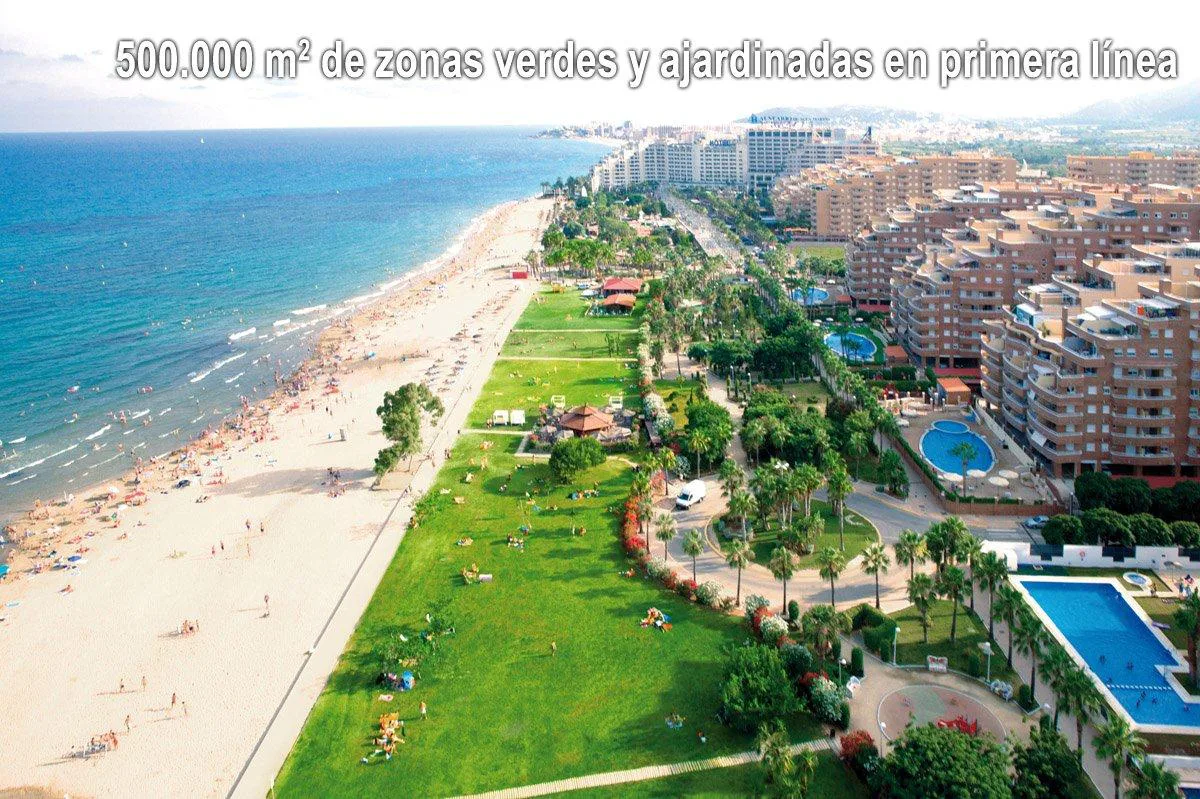
Where a solo traveller sleeps shapes the whole trip more than any single safety tip, and Valencia's best options for women alone share the same traits: consistent foot traffic after dinner, a short walk to a metro or tram stop, and enough restaurants and bars that the street doesn't empty out by 10pm. The full neighborhood-by-neighborhood rundown lives in the safest neighborhoods in Valencia guide, but three areas come up again and again for solo bookings. Ruzafa (Russafa) is the trendiest pick and arguably the easiest for a first solo trip — a grid of narrow streets packed with wine bars, brunch spots, and a genuinely mixed local-and-visitor crowd that keeps its main spines busy from morning market hours through last orders. L'Eixample, the elegant grid neighborhood bordering Ruzafa and the old town, trades some nightlife energy for wide, well-lit boulevards, secure apartment buildings, and a quieter-at-night feel that suits travellers who want to stay close to everything without the noise. El Carmen, tucked inside the old city walls, is the most atmospheric option and puts every major sight within walking distance, but its narrow, winding medieval streets thin out once the restaurants close, so it rewards sticking to the well-lit main routes rather than cutting through smaller alleys solo late at night.
Ruzafa and Eixample's main streets and wide boulevards stay lively well past midnight with open cafés and kiosks, while El Carmen's atmospheric medieval streets thin noticeably once restaurants close, creating a night-time trade-off between atmosphere and foot-traffic security for solo base-camp choices.
| Neighborhood | Best For | Night Safety | Budget |
|---|---|---|---|
| Ruzafa | Nightlife, brunch culture, first solo trips | Main streets stay busy well past dinner | Mid-range |
| L'Eixample | Quiet, upscale, central location | Wide, well-lit boulevards throughout | Higher |
| El Carmen | Historic sightseeing, atmosphere | Stick to main routes after dark | Mid-range to budget |
Areas to Approach with Extra Caution
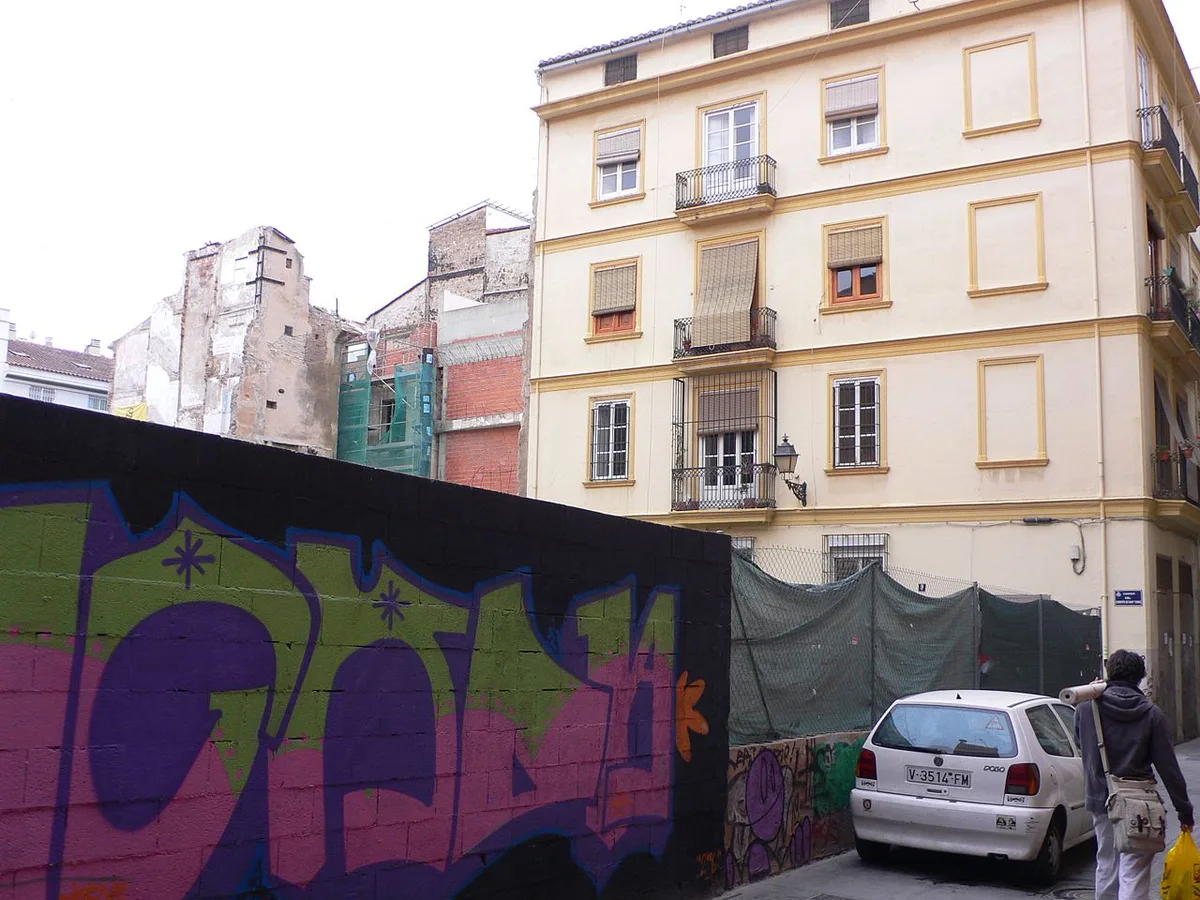
Not every part of Valencia deserves the same easy confidence, and knowing where to raise awareness matters as much as knowing where to relax. Cabanyal, the old fishermen's quarter by the beach, is a genuinely interesting, increasingly gentrified neighborhood by day, with a strong local food scene and a slower pace than the center — but some of its side streets, away from the main promenade and restaurant strip, can feel isolated once the sun goes down, and it's worth treating unfamiliar blocks there the way you would any quiet residential edge of an unfamiliar city at night. The beachfront itself stays well used in the early evening for walks and dinner, but the open sand empties out noticeably once the restaurants close, so enjoying sunset from the promenade and heading back before the crowd thins is the more comfortable call. The Turia Gardens (Jardín del Turia), the sunken park looping around the old riverbed, is one of Valencia's signature features and hugely popular with joggers, cyclists, and families by day, but its long, tree-lined stretches lose foot traffic fast after dark, particularly in the sections farthest from the City of Arts and Sciences and the main road crossings. Cutting through the park solo at night is one of the few genuinely avoidable risks in the city; sticking to street-level routes after dinner covers the same ground with far more passersby. For the fuller area-by-area risk breakdown, including which specific blocks locals flag, see the areas to avoid in Valencia guide.
Navigating Valencia Safely After Dark
Getting from a restaurant or bar back to accommodation is the single most-asked solo-female-safety question about Valencia, and the honest answer is that walking is usually fine on the main spines through Ruzafa, El Carmen's principal streets, and the Eixample boulevards, where cafés and late kiosks keep some life on the street well past midnight. The deeper into a quiet residential grid the route goes, the more it's worth switching to transport rather than finishing the walk on foot. For a night-specific breakdown of which streets stay busiest and which thin out fastest, see the dedicated Valencia safety at night guide. Metrovalencia's metro and tram lines run through the evening and are a reasonable option for a direct trip home, particularly on lines connecting the center to Ruzafa and the university area, though services thin out later in the night — check current line-by-line closing times directly on metrovalencia.es rather than relying on a specific late train from memory. A NitBus night-bus network also exists to bridge the gap after the metro winds down, but routes and frequencies are adjusted periodically, so confirm the current route map and timetable through the official EMT/Metrovalencia channels before counting on a specific line. For a full comparison of night transport options, stops, and lit waiting areas, the Valencia public transport safety guide covers which lines see the most late-night use. Where the timing doesn't line up, a rideshare is the simpler call: FreeNow and Cabify both operate in Valencia and let a traveller share trip details and a driver's plate number before getting in, a meaningful edge over hailing an unlicensed car on the street late at night. For solo dining, Valencia's tapas and pintxos culture makes eating alone unremarkable — bar-height counters and shared small plates mean solo diners are common at any hour, and choosing a bar seat over a solo table makes it easier to strike up a low-key conversation if wanted, or simply watch the room.
Petty theft concentrates in busy tourist hotspots with distracted crowds, while evening transport choices address a different concern: the isolation of quiet residential grids where foot traffic thins, making licensed taxi, rideshare, or public transit the prudent alternative to empty evening walks.
- Stick to main spines (Ruzafa, El Carmen's principal streets, Eixample boulevards) for late walks home
- Check current Metrovalencia closing times on metrovalencia.es before relying on a late train
- Confirm NitBus night routes and frequency with official EMT/Metrovalencia channels before use
- Use FreeNow or Cabify and share trip details when the metro timing doesn't line up
Common Scams and Petty Crime to Watch For
Valencia's crime profile leans heavily toward opportunistic theft rather than confrontation, and that's most visible around a handful of tourist-dense pinch points. Plaza de la Reina, the ornate square between the Cathedral and the old town's main shopping streets, draws enough distracted, phone-out visitors that it's a known pickpocketing hotspot, and the same applies to Xàtiva train station, the transit hub next to the old city walls where crowds, luggage, and rushed connections make for easy opportunistic theft. Classic distraction scams — someone pointing out a stain on a bag or jacket, a stranger asking for help with a map or a signature, or a sudden 'special offer' from a street vendor — are all designed to get a phone or wallet out of a pocket for a few unguarded seconds, and the standard defense is the same one that works across Spain: keep bags zipped and worn in front of the body in crowds, keep phones off café tabletops, and meet any stranger who's suddenly very interested in helping with polite, firm distance. The full rundown of current scam patterns and which squares and stations see the most reports lives in the Valencia tourist scams guide.
Solo Female Social Life: Meeting People Safely
Solo travel doesn't have to mean solo evenings, and Valencia has a genuinely active scene for meeting people without compromising on personal security. Intercambios — informal language exchange meetups, often held in bars around Ruzafa and the center — pair conversation practice with a built-in reason to be out with a group rather than alone, and they're typically free or low-cost to join. Social hostels across the center and Ruzafa run their own organized activities, from communal dinners to staff-supervised bar crawls, which suits solo travellers who want company without arranging plans from scratch. Coworking spaces are also common for remote-working solo travellers looking for low-key, professional daytime social contact, and organized walking tours give a structured way to see the city's landmarks alongside other travellers rather than navigating them solo from day one.
- Intercambios (language exchange meetups) in Ruzafa and central bars
- Social hostels with organized group dinners and activities
- Coworking spaces for daytime social contact
- Guided food, history, and Turia Gardens bike tours
Practical Safety Logistics and Emergency Contacts
Before heading out, it's worth saving a short list of practical contacts rather than searching for them mid-emergency. The general emergency number across Spain, covering police, medical, and fire, is 112, and it's typically staffed for English-language calls in tourist areas. Policía Nacional stations handle reports for theft and other crimes affecting foreign visitors, and larger stations in the center are used to processing tourist reports; asking accommodation staff for the nearest station on arrival is more reliable than guessing from a map, since exact coverage areas shift. A handful of basic Spanish phrases go a long way even in a city as English-friendly as Valencia's tourist core: ayuda (help), llame a la policía (call the police), and me he perdido (I'm lost) cover most urgent situations, alongside simply naming the nearest landmark or metro stop when asking a shopkeeper or restaurant staff for help. Combined with the neighborhood, night-transport, and scam-avoidance basics above, these logistics round out a solo trip that leans on preparation rather than luck.
- Emergency number (police, medical, fire): 112
- Ayuda = help
- Llame a la policía = call the police
- Me he perdido = I'm lost
City of Arts and Sciences: Safe, but Plan the Return
The City of Arts and Sciences is one of Valencia’s easier major sights for solo women by day: the complex around L’Hemisfèric, Museu de les Ciències, L’Umbracle and Oceanogràfic is open, modern, and usually full of families, tour groups, cyclists and museum visitors. The safety concern is less about the site itself and more about how empty the surrounding Turia Gardens and wide access roads can feel after closing time, especially if you try to walk all the way back toward the old town through the park.
For a relaxed visit, arrive in daylight, keep valuables zipped while taking photos around the reflecting pools, and decide your route home before dinner. If you are staying in Ruzafa or L’Eixample, the walk can be straightforward along main roads, but avoid using the lower park paths as a shortcut late at night. For longer trips back to El Carmen, Cabanyal or the beach, use an EMT bus, Metrovalencia connection, or a licensed taxi/rideshare pickup from a well-lit entrance near the main attractions.
Frequently Asked Questions
Is Valencia safer than Barcelona or Madrid for solo female travellers?
In day-to-day terms, generally yes — Valencia's petty crime pressure in tourist areas is typically considered lower than Barcelona's more notorious pickpocketing hotspots, and its compact center makes it easier to stick to well-populated streets than in a larger hub like Madrid. See the Valencia crime rate guide for a fuller comparison.
What should solo female travellers wear in Valencia?
Valencia's dress code is relaxed and Mediterranean, with no local expectation to cover up beyond what feels comfortable for a warm coastal city, though leaving flashy jewelry at accommodation reduces the target profile for opportunistic theft in crowded squares.
Is it safe for solo women to use hostels in Valencia?
Social hostels are a well-established option for solo travellers in Ruzafa and the center, with many running supervised group activities aimed specifically at solo guests; booking a female-only dorm, where offered, adds extra comfort for a first solo stay.
What is the emergency number in Valencia?
112 covers police, medical, and fire emergencies across Spain, including Valencia, and operators can typically assist in English in tourist-heavy areas.
Is it safe to walk through the Turia Gardens at night?
The Turia Gardens are busy with joggers, cyclists, and families by day, but foot traffic drops sharply after dark, especially in stretches away from the main road crossings, so sticking to street-level routes after dinner is the more comfortable choice.


