Is Valencia Safe at Night? A Practical Guide for Travelers
Last updated July 2026: for most visitors, the honest answer to is Valencia safe at night is yes — Spain's third-largest city keeps its central districts busy, well-lit, and socially active long after dark, with petty theft rather than violent crime as the main concern. Valencia's Mediterranean climate and late-dining culture mean streets in Ciutat Vella, Ruzafa, and along the beachfront stay populated well past midnight, which does more for practical safety than any lighting fixture. This guide breaks down which neighborhoods reward a nighttime stroll, which nighttime transport option gets you home with the least friction, and which small scams to watch for during a night out.
Is Valencia Safe at Night? The Bottom Line for Travelers
The short answer: yes, in the areas most visitors spend their evenings. Valencia's historic center, the Ruzafa dining and bar strip, and the promenade through the Turia Gardens stay lit, walkable, and socially active well into the night, and the risk that does exist skews toward opportunistic petty theft rather than confrontation. Compared with Madrid or Barcelona, Valencia is generally regarded by frequent visitors and residents as a calmer, more manageable city after dark, largely thanks to its smaller scale and slower-paced nightlife. That reputation holds up best in the central and beachfront districts; for the fuller picture beyond nighttime specifically, the broader Valencia safety picture covers daytime considerations too, and the citywide crime rate data is useful context for why petty theft, not violent crime, drives most visitor safety concerns. Spanish dining and nightlife hours also run later than in much of Northern Europe or North America — dinner reservations around 10 PM and club entry closer to 2 AM are standard — so streets that would feel quiet at midnight elsewhere stay busy with pedestrian traffic in Valencia well past that hour. The atmosphere after dark also leans vibrant and family-oriented rather than rowdy — it's common to see families with children out for a late dinner well past 9 PM, particularly in Ciutat Vella and along the Turia Gardens, which contributes to why the city center feels approachable rather than intimidating after sunset.
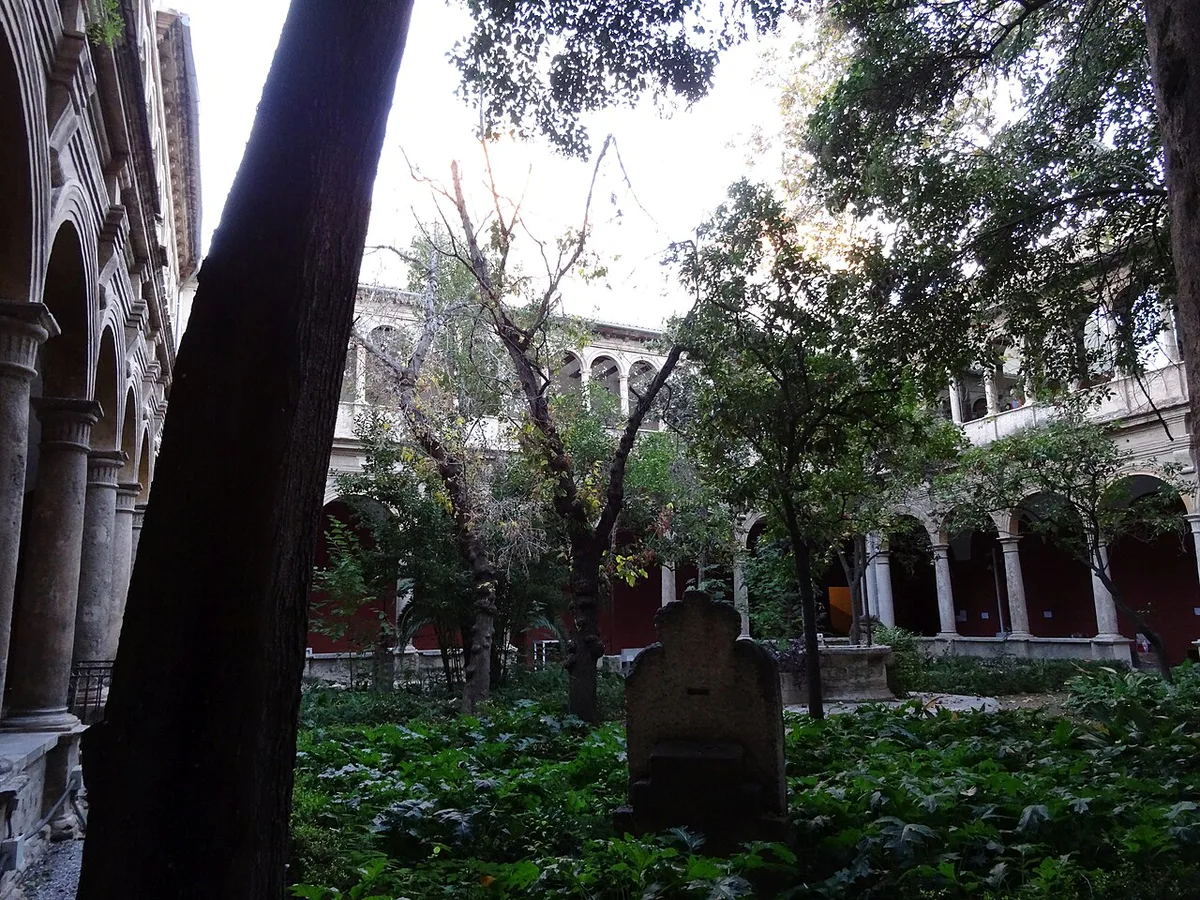
Ciutat Vella's narrow medieval streets feel psychologically unsettling after dark, but actual nighttime threats concentrate on specific scenarios—phones left on terrace tables in busy districts and unattended bags on beaches—rather than ambient street danger.
Safety by Neighborhood: Where to Walk and Where to Watch Out
Nighttime safety in Valencia varies more by a street's personality than by any citywide rule, and awareness should scale with how quiet a block feels rather than which side of the city it sits on. Because narrower streets and heavier bar traffic often run in opposite directions in the same district, the practical takeaway is to judge a block by how many people are actually on it at that moment rather than by how the architecture makes it feel. Nighttime dynamics also shift during Fallas in March, when mascletà crowds, street fireworks, and packed plazas change foot traffic patterns and raise the pickpocket calculus in Ciutat Vella specifically — extra attention to bags and phones is worth it during festival week regardless of neighborhood. For a fuller street-level breakdown of where to apply more caution, see the areas that warrant extra caution; travelers still deciding where to book accommodation can also check the best neighborhoods to base yourself.
- Ciutat Vella (El Carmen and La Seu): the narrow, winding medieval streets can feel more unsettling than they actually are after dark — the psychological effect of tight alleys and inconsistent lighting outpaces the real risk level on the busiest stretches, though quieter side streets away from the main squares deserve more attention.
- Ruzafa: Valencia's most concentrated going-out district stays busy long after dinner, and that density is exactly where the real nighttime risk concentrates — drink theft and phones left unattended on terrace tables, not the walk home afterward.
- El Cabanyal and the beachfront: the Malvarrosa area draws a summer crowd to beach bars and clubs, where the more common issue is bag theft from towels and sunbeds left unattended while people swim or dance, rather than anything happening on the walk back.
- Benimaclet: a student population keeps its streets and plazas active into the night, giving it a low-key, lived-in feel rather than one that demands heightened caution.
Nighttime Transportation: Getting Home Safely
Getting home safely matters as much as the neighborhood itself. Valencia's compact center means many visitors can walk between Ciutat Vella, Ruzafa, and the Turia Gardens in well under thirty minutes, and those routes stay populated on weekend nights. Wide, well-used routes like the Turia Gardens paths and the avenues bordering Ruzafa tend to stay lit and populated; smaller side streets that shortcut between neighborhoods are less predictable and worth avoiding late at night in favor of the main route, even if it takes a few extra minutes. Metrovalencia trains connect the center to outlying neighborhoods and the airport, though frequency drops noticeably during late-night hours compared with daytime service — checking the current Metrovalencia schedule before relying on a late train is worth the extra minute, since service thins out well before sunrise. EMT Valencia's NitBús night bus network covers many of the same corridors as the daytime EMT system on a reduced late-night schedule, making it a budget-friendly option for a longer trip home once trains have stopped for the night. Licensed taxis and rideshare apps such as FreeNow and Cabify are widely used in Valencia and tend to be the lowest-effort option late at night, particularly from Ruzafa or the beachfront, where taxi ranks and app pickup points are common; the trade-off is cost against door-to-door convenience and reduced walking exposure. More detail on all of these options is covered in the public transport safety details.
| Option | Relative Cost | Best For | Safety Note |
|---|---|---|---|
| Walking | No cost | Short hops within busy districts | Stick to lit, populated main streets |
| Metrovalencia | Low | Longer trips before late-night service thins out | Reduced frequency late at night — check the schedule |
| NitBús (EMT) | Low | Budget trips home after trains stop running | Fixed routes, less flexible than a taxi |
| Taxi / FreeNow / Cabify | Higher | Door-to-door trips, especially from Ruzafa or the beachfront | Most convenient option after midnight |
Safety Tips for Solo Travelers and Solo Female Travelers
Traveling alone at night in Valencia is common and generally low-friction, but the basics still matter: stick to lit, populated streets, keep phones and bags secured rather than left out on a table, and settle on a transport plan before heading out rather than improvising one at 2 AM. Ruzafa, central Ciutat Vella, and the Turia Gardens promenade all work well for a solo evening precisely because they stay populated late; quieter residential streets away from those hubs deserve more situational awareness, especially for anyone still learning the layout. For guidance specific to solo women navigating nightlife, transport, and accommodation choices, see the solo female travel safety tips, which cover considerations beyond general nighttime awareness.
Spanish nightlife runs 2–3 hours later than Northern European norms, keeping central streets populated deep into the night. However, public transport frequency drops sharply after midnight, making transport planning before heading out critical for solo travelers.
Common Nighttime Scams and Petty Crime
The nighttime petty-crime picture in Valencia's going-out districts is fairly narrow: drink theft, phones left on terrace tables, and distraction techniques near bar entrances account for most of what visitors report, rather than anything more serious. In Ruzafa and El Carmen specifically, a phone or wallet left on a table while ordering another round is the single most common opportunity thieves rely on — keeping valuables in a zipped pocket or a bag on your lap closes most of that gap. On the beachfront in summer, the equivalent risk shifts to unattended bags on the sand near beach clubs while their owners swim or dance. Distraction scams — someone spilling a drink, asking for directions, or staging a minor commotion near a bar entrance — are typically the setup for a second person to lift a phone or wallet, a pattern common to nightlife districts well beyond Valencia. None of this is unique to the city — it mirrors nightlife-district patterns in most major Spanish and European destinations — but recognizing the specific setup, a full terrace table, a beach towel out of sight, a stranger's sudden interruption, is the fastest way to avoid becoming an easy target. A full rundown of these and other schemes is covered in the typical tourist scams guide.
Practical Logistics: Emergency Numbers and Local Resources
Spain's general emergency number, 112, connects to police, medical, and fire services and is the number to call for any nighttime emergency. Valencia is policed by both the Policía Local, which handles municipal and traffic matters, and the Policía Nacional, which handles broader criminal matters including theft reports — a hotel or accommodation host can usually point toward the nearest station if a report needs filing. Saving the accommodation address as a photo, keeping a phone's offline maps loaded, and using a ride-hailing app's location-sharing feature are simple, low-effort additions to a nighttime routine, particularly for anyone heading home alone.
Is It Worth Exploring Valencia After Dark? Weighing the Decision
Weighed against other major Spanish and European cities, Valencia's nighttime downsides are minor and mostly avoidable: a phone left on a terrace table, a bag lifted off a sunbed, a distraction scam near a bar entrance. The upsides are considerable — a Mediterranean climate that keeps outdoor dining and walking pleasant after dark, an illuminated historic core and Turia Gardens, and a nightlife culture that runs later than much of Europe without the scale of Madrid or Barcelona. For most travelers who take the same basic precautions used in any city center — watch belongings on terraces, plan the trip home in advance, stay alert on quieter side streets — Valencia at night is a net positive rather than a risk to plan an itinerary around. Pair this guide with the full Valencia safety overview for a complete before-you-go read.
Safety Apps and Details to Save Before Going Out
Before a late dinner or night out, save a few Valencia-specific details so you are not solving logistics on the street after midnight. Keep your accommodation address pinned in Google Maps or Apple Maps, and save it as a screenshot in case mobile data drops in narrow streets around El Carmen. For official help, Spain's 112 emergency number is the simplest contact for police, ambulance, or fire services.
Travelers who want an extra official option can also install AlertCops, Spain's Ministry of the Interior safety app, which lets users contact law enforcement and share location details from a phone. It is most useful as a backup, not a replacement for calling 112 in an urgent emergency. For transport, Metrovalencia and EMT Valencia apps or mobile websites are useful for checking late service before leaving a bar, while FreeNow and Cabify make it easier to choose a marked pickup point instead of wandering side streets looking for a taxi.
Frequently Asked Questions
Is it safe to walk alone in Valencia at night?
Yes, in the central districts most visitors stick to. Ciutat Vella, Ruzafa, and the Turia Gardens promenade stay populated and lit well after dinner, and the main practical risk is petty theft rather than personal safety. Sticking to busier streets, keeping phones off terrace tables, and having a transport plan ready covers most of the relevant precautions.
Which Valencia neighborhoods need more caution at night?
No central neighborhood is off-limits, but quieter residential streets away from Ruzafa, El Carmen, and the beachfront warrant more situational awareness after midnight simply because there are fewer people around. A detailed, street-level breakdown of where to apply more caution is available in the areas that warrant extra caution guide.
Is the Valencia metro safe to use late at night?
Metrovalencia is generally considered safe, though service frequency drops significantly in the late-night hours compared with daytime, so checking the current schedule before relying on a late train matters more than the safety of the ride itself. For nights when Metrovalencia has stopped running, EMT's NitBús network or a licensed taxi are the practical backups.
What should solo female travelers know about Valencia at night?
The same core precautions apply — stick to populated, lit streets, keep a transport plan set before heading out, and secure phones and bags rather than leaving them on a table — alongside some additional considerations specific to solo women covered in the solo female travel safety tips.
Does Valencia's safety change during Fallas or other festivals?
Yes. Fallas in March brings dense crowds, street fireworks, and altered foot traffic to Ciutat Vella in particular, which raises the pickpocket risk in packed plazas even though the underlying safety profile of the city doesn't change. Extra attention to bags and phones in crowds is worth it during festival weeks.
Is Valencia's beach safe to visit at night?
Malvarrosa and the Cabanyal beachfront host beach bars and clubs that stay active on summer nights, and the main risk is unattended bags left on the sand rather than anything more serious. Keeping valuables with you rather than on a towel while swimming or dancing covers most of the relevant precaution.