Is Marseille Safe for Solo Female Travellers?
Last updated March 2026, the short answer to is Marseille safe for solo female travellers is yes, provided you apply the same big-city street sense you would use in Naples, Lisbon, or even parts of Paris. France's second-largest city carries a gritty reputation that rarely matches the tourist-facing reality around the Vieux Port, Le Panier, and the Cours Julien arts district. This guide walks you through exactly which Marseille neighborhoods to book, which pockets call for extra caution, and how to move around the city solo with confidence, from daylight sightseeing to a late walk home.
Is Marseille Safe for Solo Female Travellers? The Verdict
The verdict is a qualified yes: solo women travel through Marseille daily without incident, but the city rewards the same vigilance you would bring to any large European port city rather than the ease of a small rural village. Marseille sits in the Bouches-du-Rhône département and carries a rougher reputation nationally than Paris or Lyon, largely because of its outer districts rather than the compact tourist core around the Vieux Port. For a fuller breakdown of how those risks compare across the whole city, the general Marseille safety guide and the Marseille crime rate context are worth reading alongside this solo-focused guide, since neighborhood-level risk varies far more than the citywide reputation suggests. Treat Marseille the way you would treat Naples or Lisbon: stay in well-trafficked central districts, keep valuables out of sight, and remember that the city's gritty headlines matter far less than where you actually spend your time. That said, a yes here is not a blank check for complacency — the same tourist-core streets that feel comfortable at 3 p.m. deserve more caution after midnight, a distinction this guide returns to throughout. Solo female travel here is common enough that many visitors report no issues at all, so the goal of this guide is calibration, not alarm.
Marseille's gritty reputation originates in outer Quartiers Nord, which sit outside typical tourist routes. Solo travelers concentrate in central, well-trafficked neighborhoods — Vieux Port, Le Panier, 6e/7e arrondissements — where precautions match those in Naples or Lisbon rather than reflecting a citywide risk.
Safest Neighborhoods for Solo Women in Marseille
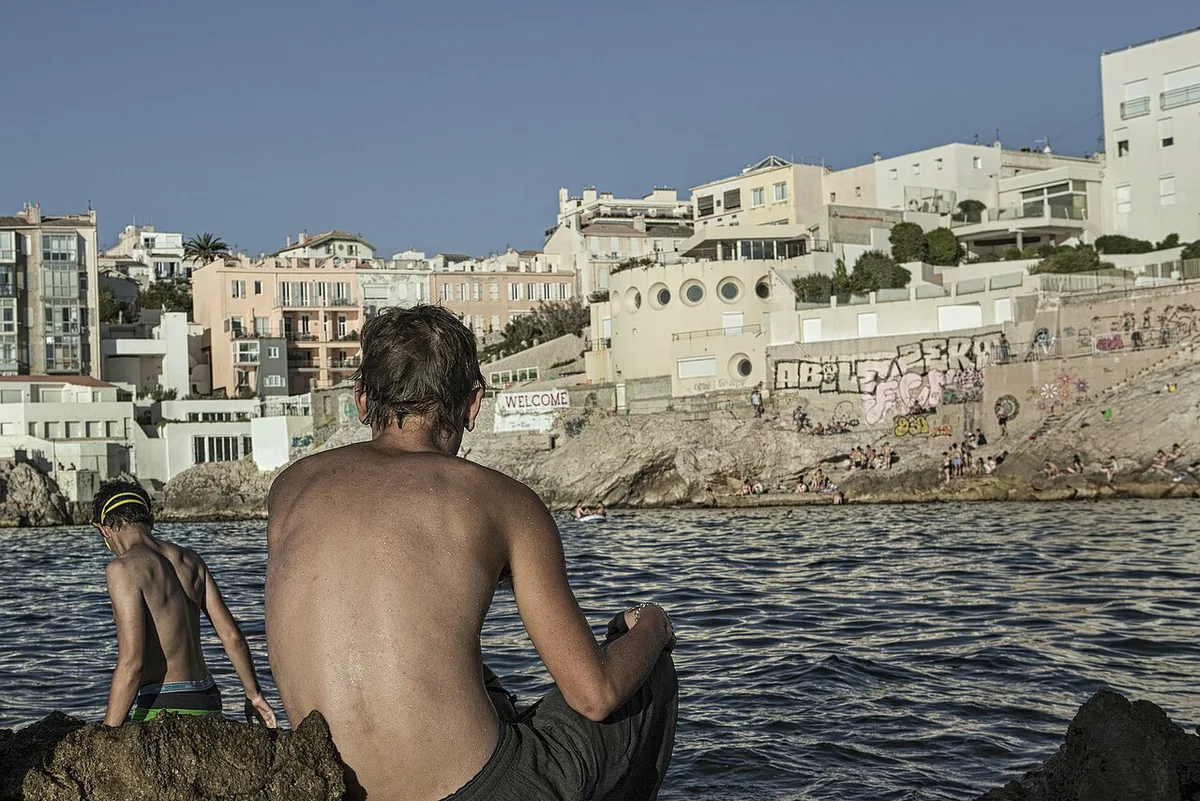
Where you book matters more in Marseille than in almost any other French city, and the Safest Neighborhoods in Marseille: A Guide to Secure Areas & Stays cluster around the historic core and the southern arrondissements. Le Panier, the oldest quarter, is dense with narrow pedestrian lanes that stay busy with visitors by day and go quieter — though still generally calm — after dark. The Vieux Port itself offers the highest visibility of anywhere in the city: wide, well-lit quays, a constant stream of locals and tourists, and easy access to taxis and transit. Cours Julien is a trendy, street-art-covered district that makes for a genuinely enjoyable evening out, though its bar-heavy streets call for the same after-dark awareness as any nightlife district anywhere. Beyond the tourist-core picks, solo travellers commonly base themselves in the 6e and 7e arrondissements — Castellane, Vauban, and Endoume — for a calmer, more residential feel, alongside the Vieux-Port itself; both options are generally considered safer bets for booking than the area around Saint-Charles station or Belsunce. The comparison below reflects on-the-ground vibe and visibility rather than official statistics; treat it as an editorial assessment for quick comparison, not a scored ranking.
| District | Day Safety | Night Safety | Vibe |
|---|---|---|---|
| Le Panier | High — busy pedestrian lanes | Quieter, but generally calm | Historic, artisan shops |
| Vieux Port | High — wide, well-lit quays | High — busy and well-lit | Central, high visibility |
| Cours Julien | High — relaxed, artsy | Caution advised — bar district | Trendy, street art, nightlife |
| Castellane / Vauban / Endoume (6e/7e) | High — residential, calm | High — quiet residential | Local, low tourist density |
| Saint-Charles station area / Belsunce | Moderate — stay alert | Caution advised | Transit hub — pass through, don't book here |
Areas to Exercise Caution or Avoid in Marseille
The clearest guidance for solo women is also the simplest: Quartiers Nord, the Northern Districts, sit well outside any tourist itinerary and are not built for casual sightseeing, so there is little reason for a solo visitor to head there at all — none of the Northern Districts function as tourist attractions. Around Saint-Charles station, Marseille's main train station, exercise more caution after dark, and avoid booking accommodation in the immediate station area or in nearby Belsunce, even though both are easy to pass through on the way somewhere else. Noailles is a working, multicultural market district that is fascinating and safe to walk through by day but feels considerably quieter and less visible once shops close; Porte d'Aix carries a similar day-to-night contrast. If you do pass through Saint-Charles or Belsunce during the day, standard city-center awareness — bag in front, phone away, stay alert in crowds — is generally enough. None of this means writing off the city center — it means treating the streets immediately around the station and Belsunce as a through-zone rather than a place to linger or base yourself, a distinction covered in more depth in the areas to avoid in Marseille guide.
Navigating Marseille's Public Transport Solo
RTM operates Marseille's public transit network, including the metro and tram lines most solo travellers rely on, and the general rule is that both feel considerably more comfortable earlier in the evening than after roughly 9:00 PM, when carriages and platforms thin out and stations get quieter. Sticking to main thoroughfares such as La Canebière while walking, rather than cutting through unfamiliar side streets, keeps you within sight of other people and open businesses. After 9:00 PM, or whenever a station or stop feels too empty for comfort, a metered or app-based ride is the safer choice over a long solo walk or a late transit connection — Uber operates in Marseille alongside local taxi ranks, and either is a reasonable option for the final stretch home. Locals use the same network daily, so the adjustments here are about timing and awareness rather than avoidance. The full breakdown of which lines, times, and stops warrant extra care is covered in the public transport safety guide, which pairs well with this article's neighborhood advice when you are planning a route home before heading out for the evening.
Common Scams and Street Harassment in Marseille
Pickpocketing is the most common issue solo travellers report in Marseille, concentrated in exactly the places you would expect: the crowded quays of the Vieux Port, busy metro carriages, and anywhere visitors cluster to take photos. The fixes are standard big-city ones — carry a crossbody bag worn in front, split cash and cards across pockets, and stay extra alert in dense crowds or near ATMs and ticket machines, where a distraction-and-grab routine is the most commonly reported ruse. Street harassment in Marseille tends to take the form of persistent looks and occasional comments rather than physical confrontation — a dynamic some travellers describe as the French stare, uncomfortable but rarely escalating. Local guidance is to ignore it and keep walking in the vast majority of cases, reserving a firm verbal response or a move toward a shop, café, or group of people for anything that feels like it is following you or escalating. None of this is unique to Marseille — it mirrors precautions worth taking in any major European city center. A full rundown of pickpocketing hotspots and other common ruses sits in the Marseille tourist scams guide, worth skimming before a first visit to the Vieux Port or the metro.
Marseille Safety at Night: A Solo Guide
Dining solo after dark is genuinely easy around the Vieux Port and Le Panier, where restaurant terraces stay busy and well-lit well into the evening, and a solo table draws no particular attention in either district. Solo diners are a familiar sight in both areas, and staff are generally used to accommodating a table for one without any awkwardness. Cours Julien is the natural pick for a night out — bars, live music, and a young crowd — but plan the route home before the first drink, since the walk back is the part of the evening that benefits most from a decision made in advance rather than one improvised late at night. Whether that plan is a short walk along a main street, a tram, or a ride-share back to a 6e or 7e arrondissement base, deciding it ahead of time removes the one decision most likely to go wrong after a late evening out. For a fuller, time-of-day breakdown of what changes after sunset across the whole city, see the dedicated Marseille safety at night guide, which extends the district-by-district picture in this article specifically to evening and late-night hours.
Essential Safety Tips and Local Resources for Solo Travellers
112 is the number to know across France, including Marseille — it reaches police, medical, and fire services from any phone and works throughout the European Union, so it is worth saving before arrival rather than looking it up in the moment. A short list of boundary-setting French phrases goes a long way with unwanted attention: a firm Non, merci (no, thank you) closes most low-level interactions, while Laissez-moi tranquille (leave me alone) signals clearly that the conversation is over. When booking accommodation, solo-friendly hostels and hotels with staffed or 24/7 security desks in the Vieux Port, Le Panier, or the 6e/7e arrondissements add a layer of reassurance for a late return, particularly useful on a first solo night in the city.
Accommodation location anchors evening independence: the Vieux Port, Le Panier, or 6e/7e arrondissements put restaurants, transit, and staffed support nearby. After 9 PM, when main-thoroughfare walking replaces side streets and taxis substitute for thinning transit, neighborhood choice determines whether return logistics feel spontaneous or managed.
- Save 112, the all-purpose emergency number for police, medical, and fire, before you land
- Book in Le Panier, Vieux Port, or the 6e/7e arrondissements (Castellane, Vauban, Endoume) rather than around Saint-Charles or Belsunce
- Plan the route home before an evening out, especially after 9:00 PM
- Keep a crossbody bag and split cash and cards across pockets in crowded spots like the Vieux Port and the metro
Where to Book: Solo-Friendly Accommodation Checks
For a first solo trip, prioritize location and arrival logistics over saving a few euros on the room. The simplest bases are within a short, well-lit walk of the Vieux Port, Le Panier, Castellane, Vauban, or Endoume, where you can return from dinner without crossing the station area or Belsunce late at night.
Useful named reference points include the Vieux-Port Hotel de Ville metro stop, Estrangin-Prefecture, Castellane, and the streets around Place aux Huiles and Rue Sainte. Hotels such as Maisons du Monde Hotel & Suites near the port, InterContinental Marseille - Hotel Dieu above Le Panier, and smaller guesthouses around Vauban put you close to busy evening streets; Cours Julien works better if you plan to use taxis after bars.
Before booking, check three practical details: staffed reception or self-check-in instructions that are clear after dark, recent reviews mentioning the exact street at night, and whether the nearest metro or tram stop requires a quiet uphill walk with luggage.
Frequently Asked Questions
Is Marseille safe for solo female travellers at night?
Central, well-lit districts like the Vieux Port and Le Panier remain comfortable for a solo evening out, especially before roughly 9:00 PM, when streets, transit, and restaurant terraces are still busy with both locals and visitors. Later than that, favor main thoroughfares over side streets, keep an eye on transit schedules, and default to a ride-share or taxi over a long solo walk through unfamiliar streets. The same evening-specific rules — which districts hold up best after sunset and which call for a shorter walk home — are covered in more depth in the dedicated night-safety guide for the city.
What is the safest area to stay in Marseille as a solo woman?
The Vieux Port and Le Panier are the most convenient, highest-visibility bases for a first visit, offering easy access to restaurants, transit, and a constant flow of foot traffic well into the evening. Travellers who prefer a quieter, more residential feel often choose the 6e and 7e arrondissements — Castellane, Vauban, and Endoume — instead. Whichever base you choose, avoid booking around Saint-Charles station or in nearby Belsunce; both are fine to pass through on arrival, but neither is the easiest place to return to alone late at night.
Should solo female travellers avoid the Marseille metro at night?
Not entirely — RTM's metro and tram lines run into the evening and are used by locals daily — but carriages and platforms thin out and feel less comfortable after roughly 9:00 PM. Staying near other passengers, choosing a busier carriage, and switching to a taxi or ride-share for the final stretch home are the standard adjustments solo travellers make for a later return, rather than avoiding the network outright.
Is Marseille more dangerous than Paris for solo women?
Marseille carries a rougher national reputation than Paris, driven largely by its outer Quartiers Nord rather than the tourist core, but within the well-trafficked central districts the day-to-day precautions are comparable to any major French city. The bigger practical difference for solo women is knowing which specific Marseille neighborhoods to book and which to simply pass through, since the gap between the city's best and most cautious districts is wider than in Paris. Both the general safety guide and the crime rate context for the city cover that comparison in more detail.
What should solo female travellers do if they arrive at Saint-Charles station at night?
Head straight for a taxi rank, a booked ride-share, or a direct tram or metro connection rather than lingering around the station or walking through nearby Belsunce with luggage after dark. Booking accommodation in the Vieux Port, Le Panier, or the 6e/7e arrondissements instead of near the station itself removes most of the need to navigate that area at all once night falls, which is the simplest fix most solo travellers apply.
How common is street harassment in Marseille?
Solo women commonly report persistent looks and occasional comments — sometimes described as the French stare — rather than physical confrontation, and local guidance is to ignore it and keep walking in the great majority of cases. Moving toward a busy café, shop, or group of people is the standard response if a comment or a follow feels like it is escalating rather than a one-off. It is a nuisance worth expecting rather than a reason to avoid the city.