Is Bari Safe? Neighborhood Safety, Scams, and Solo Travel Tips
Last updated April 2026, this guide answers the question travelers ask most before booking a trip to Puglia: is Bari safe? The short answer is yes — Bari is one of southern Italy's calmer regional capitals, and its once-notorious Bari Vecchia old town has become the beating heart of the tourist experience rather than a place to steer clear of. What follows breaks down which neighborhoods to prioritize, how to handle nightlife and transport, and the petty scams that trip up first-time visitors to the Puglian capital.
Is Bari Safe for Tourists? The Short Answer
Is Bari safe for tourists? Yes — and confidently so. The city is calm, walkable, and increasingly polished after two decades of regeneration, carrying none of the reputation for organized crime that shadows parts of Naples or Palermo. Violent crime against travelers is rare; the realistic risk profile is petty and opportunistic — a snatched phone on the Lungomare, a picked pocket in a crowded market, an overpriced seafood platter near the port — not anything that should keep a visitor off the itinerary. Perceived-crime indices such as Numbeo place Bari in a moderate band typical of mid-sized Italian port cities, useful as general context rather than a precise forecast of what any individual traveler will experience. Puglia's tourism boom has been built on exactly this kind of everyday safety, and Bari, as the region's capital and main transport hub, benefits from constant foot traffic, well-lit piazzas, and a strong late-evening street life that keeps neighborhoods populated well past dinner. Apply the same street smarts expected in any southern Italian port city — watch a bag on a crowded bus, skip the unofficial 'guide' outside the basilica — and Bari is safe enough for solo travelers, families, and cruise passengers alike.
- Overall verdict: safe for visitors with normal southern-Italy street awareness
- Violent crime: rare and not a realistic concern for tourists
- Petty crime: low to moderate, concentrated in crowded, high-traffic spots
- Best base neighborhoods: Murat and Bari Vecchia
- Single emergency number to save before you go: 112
Safe Neighborhoods vs Areas to Avoid in Bari
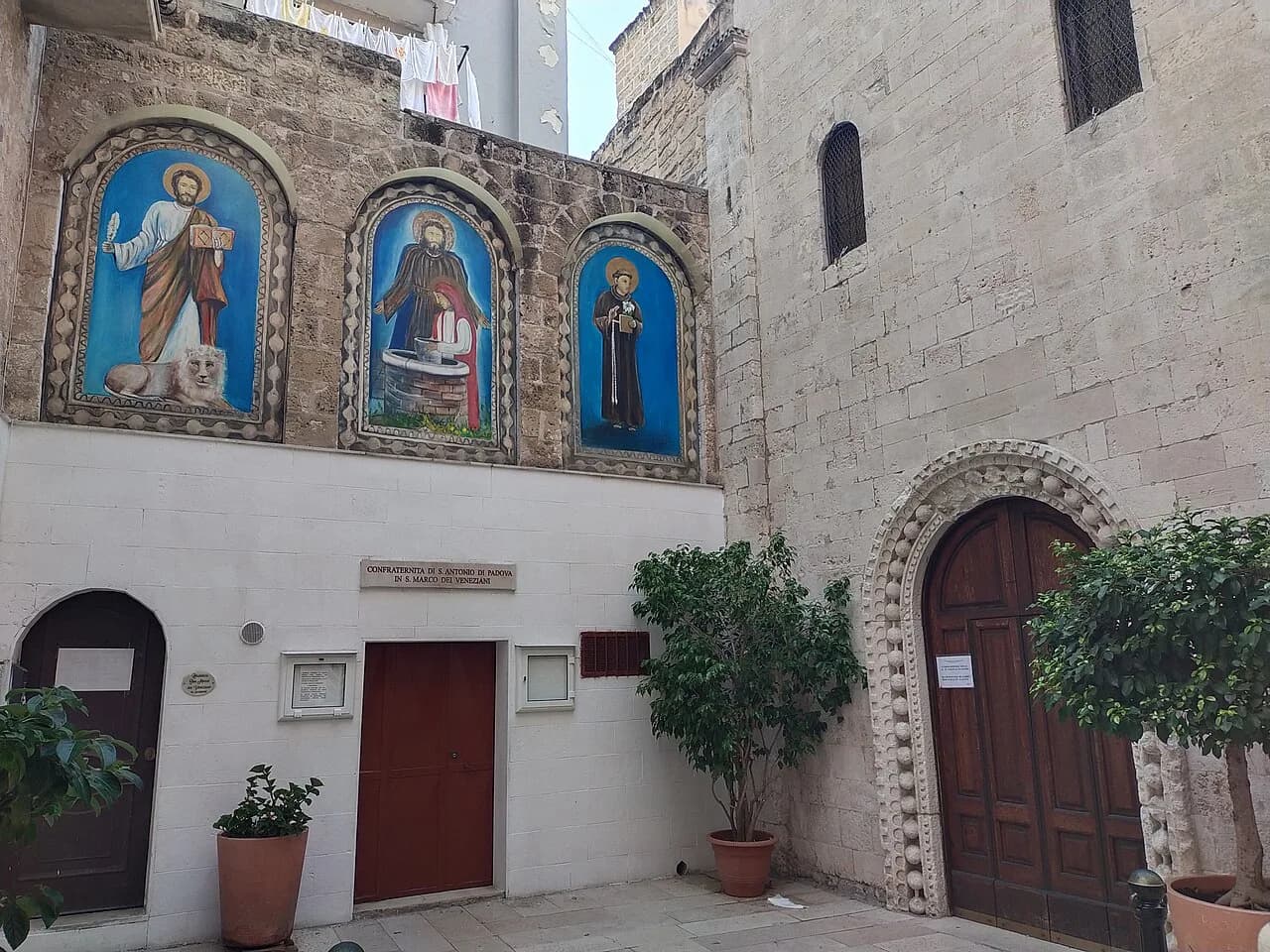
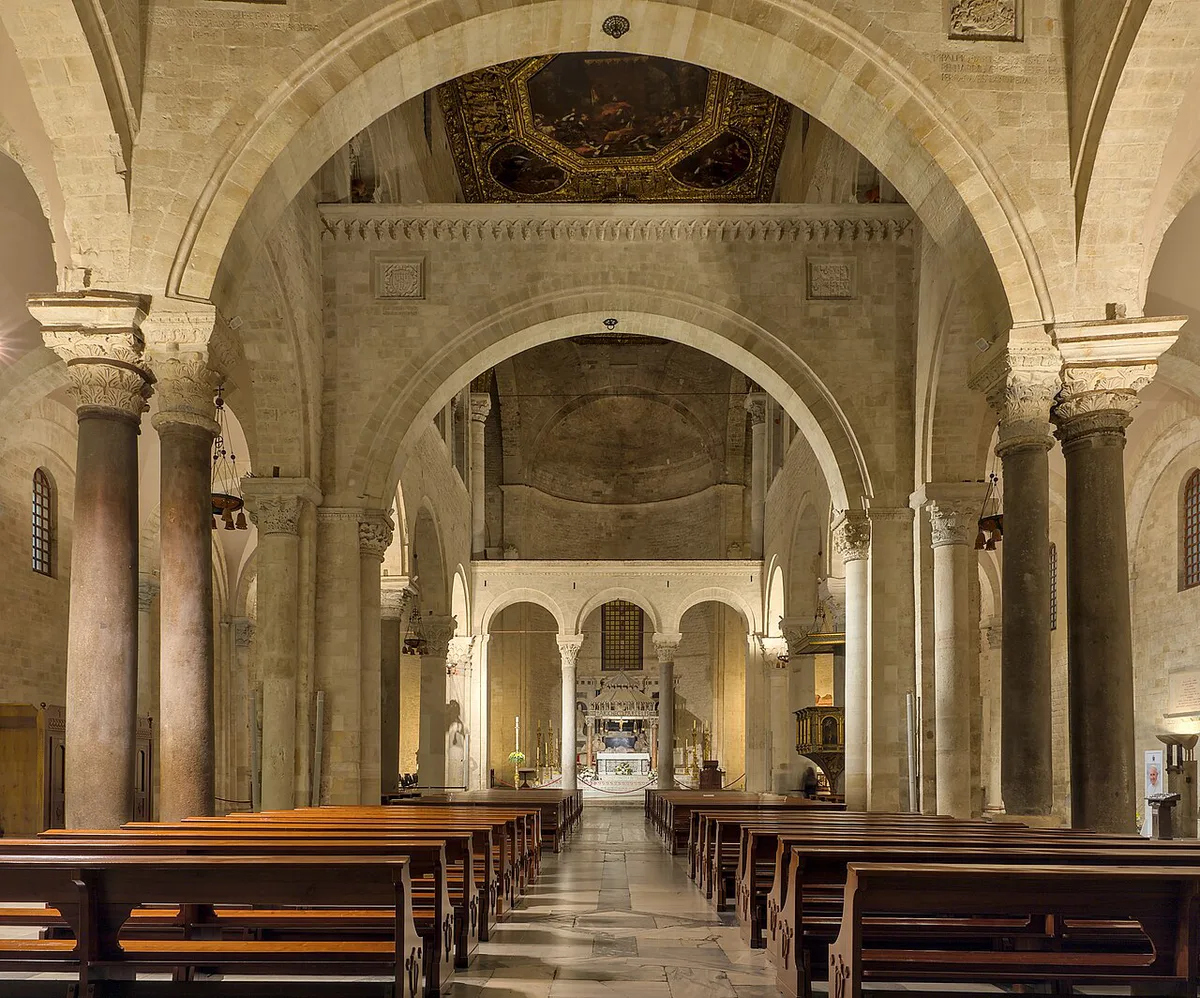
Murat, the 19th-century grid stretching from the station toward the sea, is Bari's most reliably safe district around the clock — wide boulevards, boutique shopping on Via Sparano, and constant foot traffic. Bari Vecchia, the tangle of medieval lanes wrapping around the Basilica di San Nicola, spent decades as the city's classic 'avoid after dark' zone; today it is the tourist heart of Bari, its narrow vicoli lined with nonne rolling fresh orecchiette on wooden tables just outside their front doors. That domestic street life functions as a genuine informal neighborhood watch — locals sitting out on chairs from morning until late evening make it hard for trouble to go unnoticed for long. Libertà, the residential district west of the station, is fine for day-to-day life but has a grittier, more workaday feel with less tourist infrastructure than the center. The immediate blocks around Bari Centrale and the port's outer edges deserve more situational awareness than the historic core, particularly late at night. For a street-by-street breakdown of which blocks to sidestep, see the dedicated guide to neighborhoods to avoid in Bari.
| Neighborhood | Safety Level (Day) | Safety Level (Night) | Best For |
|---|---|---|---|
| Murat | Very safe | Very safe | Shopping, dining, wide pedestrian boulevards |
| Bari Vecchia (Old Town) | Very safe | Safe on main lanes; quieter alleys need more awareness | Evening passeggiata, San Nicola Basilica, orecchiette-making nonne |
| Libertà | Safe, more workaday | More caution advised, especially near the station edge | Local market life, budget stays |
| Bari Centrale station area | Safe, stay alert with bags | Main square fine; side streets less so | Arrivals and departures, not lingering |
| Lungomare (Seafront) | Very safe | Safe and popular for an evening stroll | Sunset walks, people-watching |
Is Bari Safe at Night?
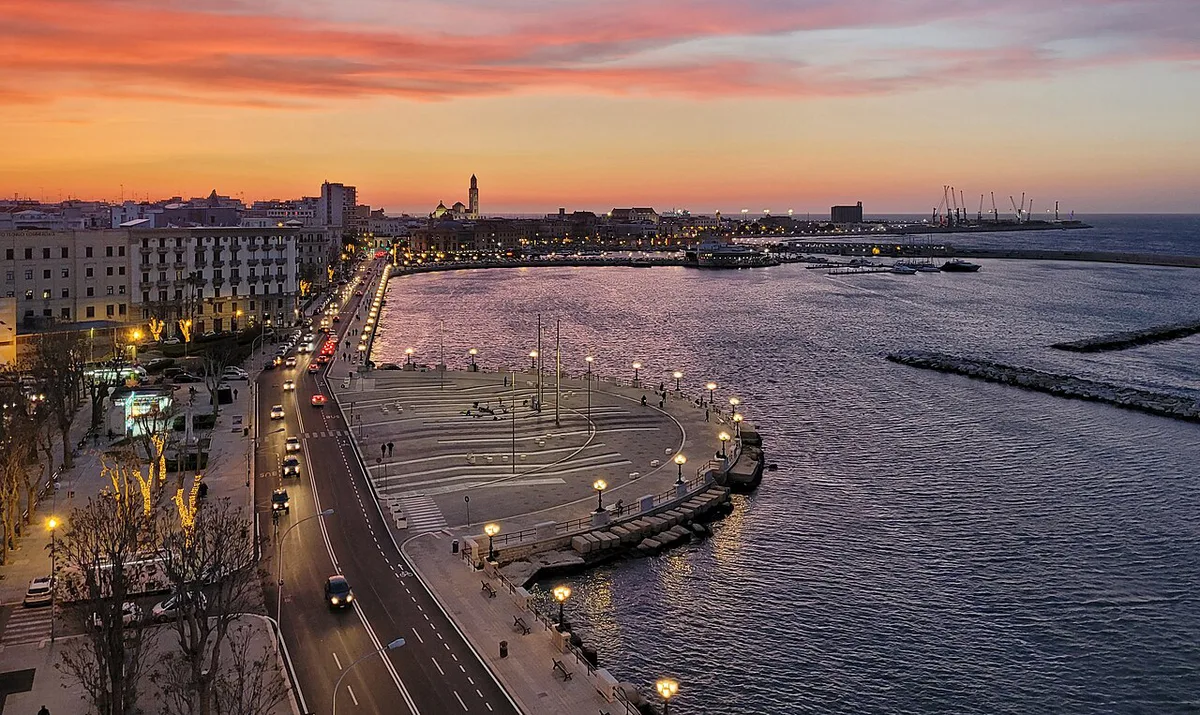
Is Bari safe at night for a stroll after dinner? For the well-trodden circuit — Lungomare Nazario Sauro, Piazza del Ferrarese, Piazza Mercantile, and the main lanes of Bari Vecchia leading to the basilica — the answer is a comfortable yes. These are exactly the streets locals use for the evening passeggiata, so lighting is good and the crowds thin only gradually toward midnight. The picture changes on Bari Vecchia's quieter side alleys once the family-run food stalls close and the nonne head indoors, generally after 10-11pm; sticking to the lit, populated lanes rather than cutting through empty vicoli is the simplest way to stay comfortable. The stretch immediately around Bari Centrale thins out fastest after dark and is best treated as a walk-through rather than a place to linger once the last regional trains have gone. For a fuller street-level breakdown of what changes after sunset, including specific return routes to hotels in Murat and the old town, see the dedicated guide on nighttime safety in Bari.
Safety for Solo Female Travelers in Bari
Solo female travelers consistently report Bari as one of the more comfortable southern Italian cities to navigate alone, though the cultural context is worth setting expectations for. Unsolicited comments or attention from groups of men outside bars is the most common complaint — a nuisance rather than a safety threat, and one that rarely escalates beyond a comment. The Old Town's nonne-and-neighbors social fabric works in a solo traveler's favor here too: walking through Bari Vecchia in the evening effectively means walking through dozens of families' front rooms, and that visibility discourages anything worse than catcalling. Practical precautions mirror what's sensible in any Italian city: book accommodation in Murat or Bari Vecchia rather than the isolated stretches near the port, keep a charged phone and a rough sense of the walk back before dark, and use a licensed taxi rather than an unmarked car if returning very late from the seafront bars. Dressing to blend in — most Baresi dress smartly but not provocatively for evenings out — tends to reduce unwanted attention more than any single behavioral tweak. For accommodation picks, transport advice, and the specific streets solo women travelers ask about most, see the full guide to safety tips for solo women visiting Bari.
A firm "no, grazie" without breaking stride ends most unwanted approaches; if attention persists, stepping into any open bar or shop reliably ends it — staff are used to running interference.
Common Scams and Petty Crime in Bari
Bari's crime problem for visitors is overwhelmingly petty rather than violent, and it clusters around exactly the places you'd expect: crowded markets, the train station concourse, and tourist-heavy stretches of Bari Vecchia at peak hours. Pickpocketing is the top complaint, usually an opportunistic lift from an open bag or back pocket in a crowd rather than anything confrontational. A smaller but recurring nuisance is unofficial 'guides' or vendors approaching near San Nicola Basilica or the port offering tours, jewelry, or 'gifts' that come with an aggressive request for payment once accepted. None of these amount to more than an annoying afternoon, and none are unique to Bari — they're the same playbook seen in Rome, Naples, and most high-traffic Italian tourist centers. For the full rundown of tactics and how to shut each one down politely, see the guide to common tourist scams in Bari.
Most reported thefts cluster in a handful of predictable moments — rush-hour buses, the station concourse around train departures, and packed market aisles. Outside those pinch points, Bari's baseline pickpocket pressure is genuinely low.
- Pickpocketing in crowded spots: keep bags zipped and worn across the body in markets, on buses, and around the station concourse
- Unofficial tour guides or 'free gift' vendors near San Nicola Basilica and the cruise port: politely decline and keep walking
- Inflated seafood or restaurant bills near the port and Lungomare: check for a posted menu with prices before sitting down
- Fake charity clipboards or petition scams in busy piazzas: a common distraction used to work a pocket or bag
- Taxi overcharging from the station or airport: use official ranks or licensed apps rather than unmarked cars offering a flat 'discount' fare
Public Transport and Driving Safety in Bari
Getting around Bari is straightforward and, mechanically, safe — the bigger risks here are scams and traffic rules rather than personal danger. Bari Centrale, the main station serving Trenitalia and regional lines toward Lecce, Brindisi, and beyond, is busy but well-monitored during operating hours; the main exit onto Piazza Aldo Moro — the side facing the Murat grid — is better lit and busier than the rear exit on Via Capruzzi, making it the better choice for a late arrival on foot. AMTAB runs the city's bus network, a normal, safe way to reach the port, the fiera, or outer neighborhoods, though buses can get crowded at rush hour, which is exactly when pickpocketing risk peaks — keep bags in front and zipped. Drivers should be aware of Bari's ZTL (limited traffic zones) covering Murat and parts of the old town, which are camera-enforced with fines issued automatically to anyone without a permit; renting a car specifically to explore central Bari usually creates more hassle than it solves, since the historic core and Murat are both easily walkable. Cruise passengers docking at the port for a short call, often a window of around six hours, can walk directly into Bari Vecchia and Murat in well under 20 minutes on foot, making a rental car or organized shuttle unnecessary for a same-day visit. For fare basics, operating hours, and which routes matter most for visitors, see the guide to getting around Bari safely.
Emergency Information and Practical Tips for Bari
Bari's emergency infrastructure is standard for a regional Italian capital, and it's worth saving the key numbers before setting out rather than searching for them mid-situation. The single European emergency number, 112, connects to police, ambulance, and fire dispatch, and is answered in English as well as Italian in tourist areas. Policlinico di Bari, the city's main teaching hospital, handles the most serious cases, while smaller guardia medica clinics can handle non-emergency issues like a bad reaction to shellfish or a scooter scrape. The Polizia di Stato — Italy's national police — publishes general safety advice for tourists and is the right first stop for filing a police report after theft, which most travel insurance policies require for a claim. Both the U.S. Department of State and the UK Foreign Office maintain general Italy travel advisories worth a quick check before departure, though neither currently flags Bari or Puglia for elevated risk beyond standard petty-crime awareness. Pro-tip: photograph passports and cards before travel and keep a digital copy in cloud storage, so a lost bag on the Lungomare becomes an inconvenience rather than a derailed trip.
- 112 – single European emergency number (police, ambulance, fire)
- 113 – Polizia di Stato (State Police) direct line
- 118 – medical emergencies and ambulance dispatch
- 115 – fire brigade (Vigili del Fuoco)
- Policlinico di Bari – main public hospital for serious medical issues
- Nearest questura (police station) – for filing the theft report insurance claims require
Cruise Passenger Safety at Bari Port
Cruise passengers have an easier safety profile than overnight visitors because the main sights sit close to Porto di Bari. From the Stazione Marittima, the practical walking route is through the signed port exit toward Corso Antonio De Tullio, then into Bari Vecchia for the Basilica di San Nicola, Piazza Mercantile, and Piazza del Ferrarese. In daylight this is a normal visitor route with plenty of port traffic, police presence near the gates, and steady footfall once you reach the old town.
The main caution is time and bag awareness, not personal danger. Avoid wandering into service roads inside the port, keep passports and cruise cards separate from wallets, and treat unofficial drivers or guides outside the terminal the same way you would at a train station: decline clearly and use the official taxi rank if you need a ride. For a short call, Bari Vecchia, Murat, and the Lungomare are realistic; beaches, Alberobello, or Matera require organized transport and a careful return buffer.
For trip-planning details, see UK FCDO travel advice for Italy.
Explore is safe in other cities
- Pisa's is safe
- Parma's is safe
- Syracuse's is safe
- Piraeus's is safe
- Nuremberg's is safe
- Palma's is safe
- Ghent's is safe
- Lille's is safe
- Turin's is safe
- Dusseldorf's is safe
- Izmir's is safe
- Warsaw's is safe
- Corfu's is safe
- Tbilisi's is safe
- Barcelona's is safe
- Naples's is safe
- Genoa's is safe
- Avignon's is safe
- Montpellier's is safe
- Strasbourg's is safe
- Bilbao's is safe
- Valencia's is safe
- Marseille's is safe
- Frankfurt's is safe
Frequently Asked Questions
Is Bari safe to visit in 2026?
Yes. Bari remains one of southern Italy's calmer, more walkable regional capitals in 2026, with real risks limited to petty theft and street scams rather than violent crime. Its historic core, once flagged as a no-go zone, is now the city's main tourist and evening social hub.
Is Bari Vecchia safe at night?
The main lanes of Bari Vecchia leading to Piazza Mercantile and the Basilica di San Nicola are safe and well-populated well into the evening, especially during the passeggiata. Quieter side alleys thin out after the family-run food stalls close, generally around 10-11pm, so stick to the lit, busier routes late at night.
Is Bari safe for solo female travelers?
Generally yes — solo women consistently rate Bari as comfortable, with the main issue being occasional unsolicited comments rather than physical danger. The Old Town's dense, family-watched streets make evening walks feel safer than the narrow alleys might first suggest.
What areas should you avoid in Bari?
The immediate side streets around Bari Centrale station and the outer edges of Libertà warrant more caution, particularly after dark, though neither is dangerous by day. Murat, Bari Vecchia's main lanes, and the Lungomare remain safe throughout the day and evening.
Is the area around Bari Centrale train station safe?
Bari Centrale itself is busy and generally safe during operating hours, but keep bags close in the crowded concourse, a common spot for pickpocketing. For a late arrival, use the main exit onto Piazza Aldo Moro, which faces the Murat grid and stays lit and busy, rather than the quieter rear exit on Via Capruzzi.
Stay Safe in Bari
Every Bari safety guide on one page — areas, scams, night rules, and getting around.


