Is Ghent Safe? What Travelers Need to Know Before Visiting in 2026
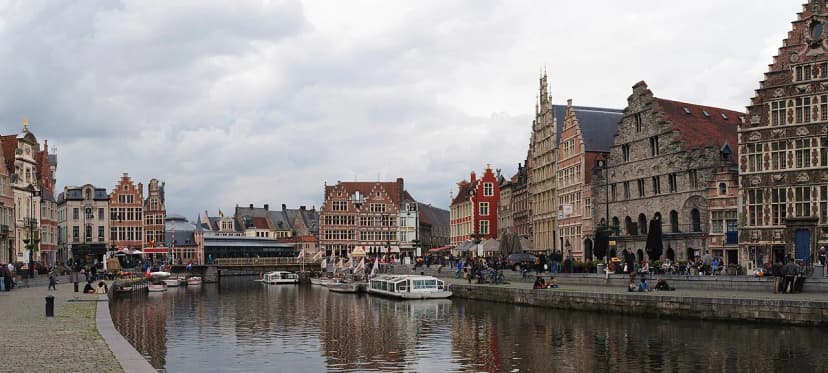
Last updated June 2026. Is Ghent safe? For most travelers weighing a trip to this Flemish student city, the short answer is yes — Ghent is widely regarded as one of Belgium's most relaxed and walkable cities, with a historic core built around the Graslei, the Korenmarkt, and Gravensteen castle that feels calm by day and comfortably lively after dark. This guide breaks down what safety in Ghent actually looks like in practice, from nighttime habits and solo travel norms to the one everyday risk nearly every visitor should plan around: bike theft.
Is Ghent Safe in 2026? The Short Answer
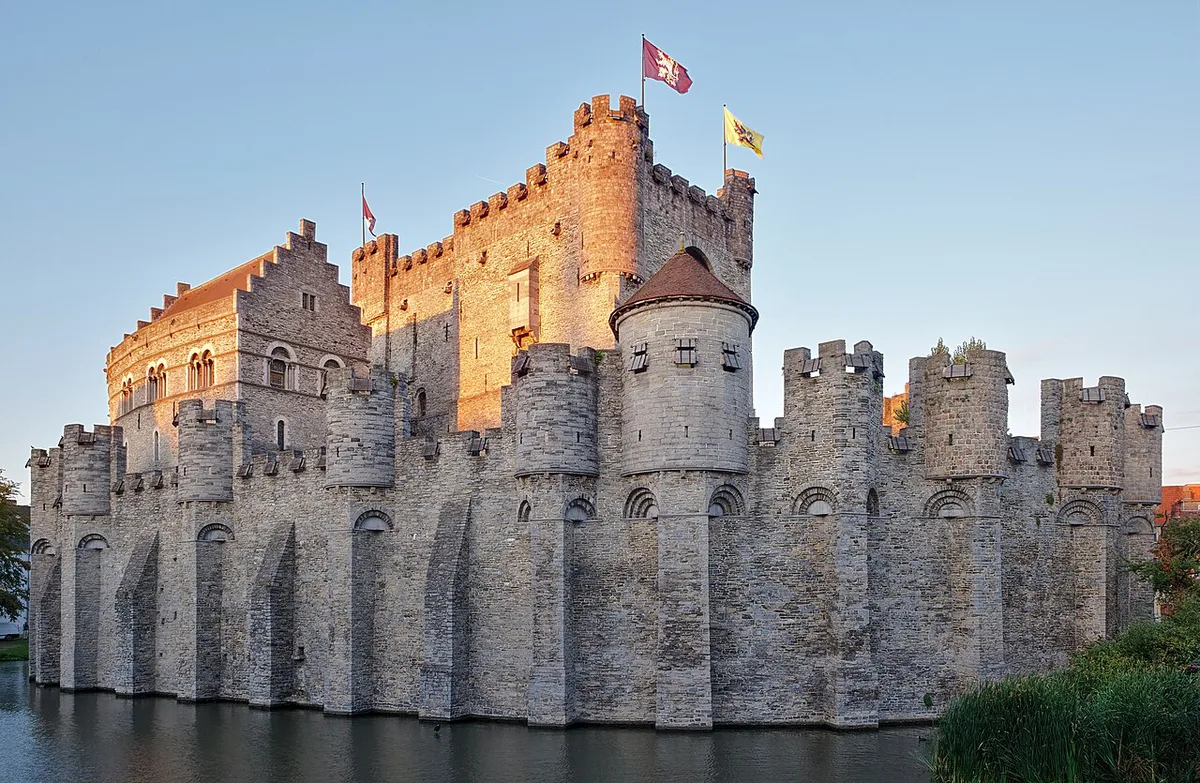
Yes — for the overwhelming majority of visitors, Ghent ranks among the most relaxed mid-size cities in Belgium to explore on foot, by bike, or by tram. The historic core along the Graslei, the Korenmarkt, and the Gravensteen castle is calm during the day and stays comfortable well into the evening, with cafes, restaurants, and steady foot traffic keeping the medieval streets lively rather than empty. Violent crime against tourists is rare in Ghent, and in our editorial assessment the city's biggest safety concern for visitors is not personal danger but property crime — specifically bike theft, covered in detail later in this guide.
Cycling is central to Ghent's appeal as a safe, walkable, car-light city, making it a convenient way for visitors to navigate the pedestrian core. Yet that bike-friendly infrastructure means unattended cycles—rental or personal—face theft, making it the most common property crime issue visitors encounter.
Ghent's character as a university city shapes its safety profile. Ghent University's student population, often cited above 70,000, keeps the streets around the historic center and popular nightlife strips populated late into the night, which generally works in visitors' favor: more people out and about means more eyes on the street and fewer isolated stretches after dark. Belgium as a whole consistently ranks among Europe's more reassuring travel destinations, and Ghent's own reputation among travelers and expats leans firmly toward safe and easygoing rather than cautionary. For up-to-date official guidance alongside this independent overview, Visit Gent's own visitor resources are a useful supplementary reference for current advisories.
None of this means Ghent is risk-free — no city is. Petty theft, opportunistic bag-snatching in crowded bars, and the occasional tourist-targeted scam do occur, and they're covered in depth further down. But for the standard measures of traveler safety — walking alone, using public transport, exploring at night, traveling solo as a woman — Ghent consistently earns a reassuring answer.
- Violent crime against tourists: rare
- Petty theft and bike theft: the main real risk to plan around
- Walking alone, day or evening: generally comfortable in the historic center
- Solo travel, including for women: generally comfortable with standard precautions
- Public transport, including after dark: routine and considered safe
Ghent Safety Compared to Brussels and Antwerp
Travelers piecing together a Belgium itinerary often want to know how Ghent stacks up against Brussels and Antwerp, the country's two other major tourist hubs. In our editorial assessment, Ghent's smaller, more walkable historic center gives it an edge in day-to-day comfort: distances between main sights are short, the pedestrianized core limits traffic exposure, and the city lacks the sprawling, less-touristed districts that can catch visitors off guard in a larger capital like Brussels. Antwerp sits closer to Ghent in feel — both are compact, canal- or river-adjacent cities with strong nightlife scenes — but Ghent's dominant student population gives its evenings a slightly younger, more low-key character than Antwerp's port-city energy.
Many travelers treat Ghent as part of a wider Belgium loop with Brussels and Antwerp, connected by frequent direct trains that make day trips or short stays in each city easy to combine. Because the safety profile of all three centers on the same low-level property crime — pickpocketing and bike theft — rather than violent crime, the practical planning question is less which city is safe and more which city matches your travel style: Ghent's small-scale charm, Brussels' capital-city breadth, or Antwerp's fashion-and-port energy. The Belgian Federal Police's published crime statistics consistently frame the country's mid-size cities around this same pattern of opportunistic property crime rather than violence, and Ghent doesn't require materially different precautions than its neighbors — just the same baseline urban awareness travelers should carry anywhere in Belgium.
| City | Historic Center Feel | Nighttime Atmosphere | Primary Traveler Risk |
|---|---|---|---|
| Ghent | Compact, pedestrian-friendly, calm | Lively but low-key, student-driven | Bike theft, minor pickpocketing |
| Brussels | Larger, more spread out | Varies sharply by district | Pickpocketing in tourist zones; some districts warrant more caution |
| Antwerp | Compact, canal/river-adjacent | Energetic port-city nightlife | Pickpocketing, bag-snatching in bars |
Safe Neighborhoods vs. Areas to Exercise a Bit More Caution
Ghent's safest ground for visitors is also its most scenic: the historic center anchored by the Graslei, the Korenmarkt, and the Patershol district. These streets are well-trafficked and dense with restaurants and bars, which keeps them comfortable to walk through at most hours. Patershol, the old tanners' quarter just north of the castle, is quieter at night than the Korenmarkt but is still considered a relaxed, low-risk area to wander for dinner or a nightcap.
The area that deserves more situational awareness is around Gent-Sint-Pieters station, the city's main rail hub. It's not unsafe in the sense of posing a direct threat to travelers, but it's a transit-heavy zone with less foot traffic after dark than the historic core, and it sees a higher incidence of petty theft and unattended-luggage opportunism, as at most European rail stations. Even here, the concern is planning around petty opportunism rather than avoiding the area outright: keep bags zipped and in view, avoid leaving luggage unattended even briefly, and favor the well-lit main approach roads over quieter side streets. For a fuller neighborhood-by-neighborhood breakdown, including specific streets and outskirts worth a second look, see this guide to areas to avoid in Ghent.
| Area | Safety by Day | Safety at Night | Good For |
|---|---|---|---|
| Historic Center (Graslei/Korenmarkt) | Very calm | Comfortable, well-lit | Sightseeing, dining, first-time visitors |
| Patershol | Calm, low traffic | Quiet, relaxed | Restaurants, a slower pace |
| Gent-Sint-Pieters Station area | Busy, transit-focused | Quieter, a bit more caution advised | Arrivals and departures, not lingering |
Is Ghent Safe at Night? Students, Nightlife, and Overpoortstraat
Is Ghent safe at night? For most of the historic center, yes — the combination of restaurant and bar foot traffic, main-route lighting, and a dense student population means the core rarely feels deserted, even well past midnight. The nightlife epicenter is Overpoortstraat, a street near Ghent University lined with student bars that gets loud and crowded on weekend nights. It's a high-energy, high-foot-traffic environment rather than a risky one, though the usual nightlife precautions apply: keep drinks in sight, travel with people you know, and agree on a way to get home before the night gets late. Nightlife activity is heaviest from Thursday through Saturday, in line with typical university-city patterns, while weeknights are noticeably quieter across the city. For a deeper look at how Ghent changes after dark, including specific streets and timing, this guide to Ghent's nighttime safety goes further than the overview here.
Outside the main nightlife strip and historic core, Ghent's residential streets are generally quiet and low-traffic after dark rather than threatening — the kind of quiet that comes from a small city, not from risk. Visitors walking back to accommodation late should still default to well-lit main streets over unfamiliar shortcuts, which is sound practice in any European city rather than a Ghent-specific warning.
Safety for Solo Female Travelers
Ghent is generally considered a comfortable base for solo female travelers, helped by its compact size, high density of open businesses in the evening, and a large student population that keeps public spaces populated late into the night. Solo dining, walking between the historic sights, and taking public transport alone are all common and unremarkable in Ghent, including in the evening within the historic core. As in most Western European cities, occasional unwanted attention is possible, but Ghent is not commonly flagged by travelers as a particular hotspot for that kind of issue.
Standard European travel precautions still apply: stay aware in crowded nightlife areas like Overpoortstraat, apply a bit more caution around Gent-Sint-Pieters station late at night, and use licensed taxis or De Lijn's night services rather than walking long, unfamiliar stretches alone after very late hours. Choosing accommodation within or near the historic center also tends to simplify getting home safely after an evening out. For a dedicated breakdown of accommodation areas, social norms, and specific precautions for traveling alone, see this guide to solo female travel safety in Ghent.
Common Tourist Scams and Petty Crime in Ghent
The most common safety issue visitors actually encounter in Ghent isn't a scam or a threat to personal safety — it's bike theft. Cycling is central to daily life in Ghent, and the flip side of that bike-friendly culture is that unattended or poorly locked bikes, including rental bikes, are a frequent target. Beyond bike theft, Ghent sees the same low-grade tourist scams found across Europe's popular destinations: overly persistent street vendors near major squares, occasional short-changing at informal stalls, and pickpocketing in tightly packed bars or during festival crowds. Petty crime risk ticks up during Ghent's busiest summer stretch, when the multi-day Gentse Feesten festival fills the historic center with dense crowds each July. None of this rises to the level of a serious threat, but it's worth planning around, especially if a 2026 trip overlaps with festival season. For a fuller rundown of scams reported around the city and how to spot them, see this guide to Ghent Tourist Scams: Common Traps & Safety Guide for Travelers.
Ghent's large student population keeps the historic center populated and safe after dark. Yet when concentrated at Overpoortstraat's student bars Thursday–Saturday, or during Gentse Feesten festival crowds, that same density creates conditions for pickpocketing and bag-snatching in tightly packed venues.
- Use two locks where possible: a sturdy U-lock through the frame and rear wheel, plus a secondary cable for the front wheel
- Lock bikes to fixed, official bike racks rather than street furniture, especially around Gent-Sint-Pieters station
- Avoid leaving a rental or personal bike locked overnight on poorly lit or low-traffic side streets
- Keep bags zipped and in view in crowded bars and during festival periods like Gentse Feesten
Getting Around Safely: Public Transport and Cycling
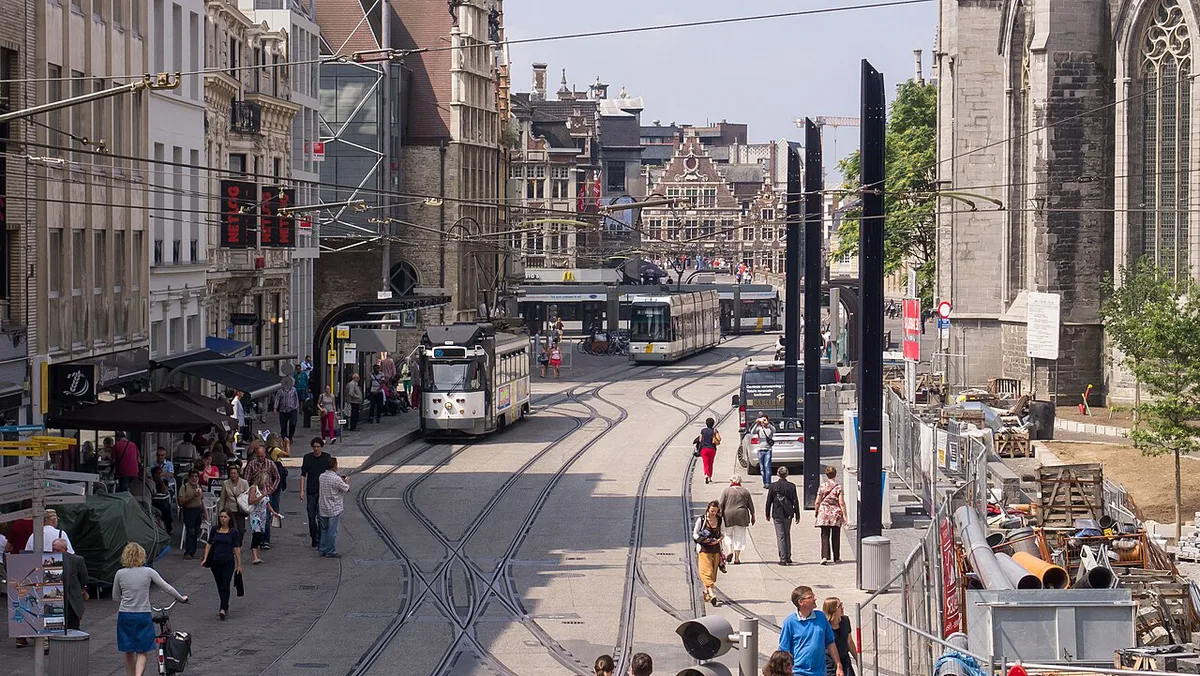
Ghent's historic center is compact enough that most visitors get by on foot for day-to-day sightseeing, but understanding the transport options matters for evenings and longer trips within the city. De Lijn operates Ghent's trams and buses, and using the network after dark is considered routine rather than risky, particularly on routes serving the historic center and the station. For details on specific safety features, current night bus coverage, and how the network compares after midnight, this guide to De Lijn public transport safety in Ghent covers the specifics.
Cycling is the other dominant way to get around, and it's broadly safe thanks to Ghent's extensive network of bike lanes and largely pedestrianized core — the bigger risk to a cyclist in Ghent is bike theft, not traffic. Licensed taxis are also a straightforward option for late-night trips when walking or cycling feels less appealing. As of 2026, visitors weighing walking versus cycling versus a De Lijn tram or bus late at night should treat all three as reasonably safe choices within the historic center; the deciding factor is usually convenience and distance rather than safety.
| Option | Typical Safety | Best For |
|---|---|---|
| Walking | Safe on main, well-lit routes in the historic center | Short distances within the core |
| Cycling | Safe from a traffic standpoint; theft is the main risk | Longer distances, station transfers |
| Tram/Bus (De Lijn) | Routine and considered safe, including at night | Longer trips, avoiding late-night walking |
Emergency Numbers and Practical Resources
Ghent's emergency infrastructure follows the same national system used across Belgium, and it's worth saving these numbers before setting out rather than searching for them in the moment. The general European emergency number 112 reaches police, fire, and ambulance services anywhere in Belgium, including Ghent, and operators can typically assist in English as well as Dutch and French. For non-urgent police matters, Belgium's police non-emergency line is 101.
Beyond emergency contacts, Visit Gent's official visitor resources are a useful supplementary source for current advisories, seasonal event notes, and practical city information, worth checking alongside this guide ahead of a 2026 trip. For non-emergency medical needs, pharmacies (apotheek in Dutch) are widely available across the city center and can direct visitors to appropriate care. Travelers who need consular support should contact their embassy or consulate's Belgium office directly, since Ghent itself does not host most countries' embassies — those are concentrated in Brussels, in the East Flanders region's neighboring Brussels-Capital area.
- General emergency (police, fire, ambulance): 112
- Police non-emergency line: 101
- Official visitor information: Visit Gent (visit.gent.be)
- Public transport info and night services: De Lijn (delijn.be)
- Embassy and consular support: contact your country's Brussels-based embassy or consulate
Hospitals and Urgent Help in Ghent
If a safety issue becomes a medical problem, start with Belgium’s emergency number, 112, rather than trying to choose a hospital yourself. Dispatchers can send an ambulance and direct you to the right emergency department. For non-life-threatening problems, Ghent has several major hospitals and clinics that visitors may hear referenced locally, including UZ Gent near the university hospital campus, AZ Sint-Lucas close to the north side of the center, and AZ Jan Palfijn toward the west of the city.
For minor illness, lost medication, insect bites, or small injuries, a city-center pharmacy is often the fastest first stop; look for the Dutch word apotheek. Staff can advise whether you need a doctor, an emergency room, or an after-hours service. If you are staying in a hotel, ask reception to call ahead or help explain the location in Dutch, especially late at night.
For trip-planning details, see UK FCDO travel advice for Belgium.
Explore is safe in other cities
Frequently Asked Questions
Is Ghent safe for tourists in 2026?
Yes. Ghent remains one of Belgium's most walkable and low-stress cities for visitors in 2026, with a historic core that's calm by day and comfortably active in the evening. The most common issue travelers actually run into is bike theft rather than any threat to personal safety.
Is Ghent safe at night, especially around Overpoortstraat?
The historic center and the Overpoortstraat nightlife strip are generally safe at night, kept lively by Ghent's large student population and steady foot traffic. Standard nightlife precautions apply — watch your drink, stay with people you know, and plan how to get home — but the area is not considered risky.
Is it safe to travel to Ghent alone as a woman?
Ghent is generally considered comfortable for solo female travelers, thanks to its compact size, active evening streets, and large student population. Sticking to well-lit main routes late at night and using De Lijn or a licensed taxi over long, unfamiliar walks are the main precautions worth taking.
What is the biggest safety risk in Ghent?
Bike theft is the most frequently reported issue for visitors in Ghent, given how central cycling is to daily life in the city. Using two locks, choosing official bike racks, and avoiding overnight parking on quiet side streets substantially reduce that risk.
Is Ghent safer than Brussels or Antwerp?
Ghent's smaller, more walkable historic center gives it an edge in day-to-day comfort compared with Brussels' larger, more spread-out layout, while Antwerp shares a similar compact, canal-adjacent feel. None of the three cities carries a reputation for serious risk to tourists, and travelers moving between them don't need materially different precautions.
Stay Safe in Ghent
Every Ghent safety guide on one page — areas, scams, night rules, and getting around.
Ghent Safety Guides
- Ghent Areas to Avoid: A Local Safety and Neighborhood Guide (2026)
- Is Ghent Safe at Night? A 2026 Safety and Neighborhood Guide
- Ghent Tourist Scams: Common Traps & Safety Guide for Travelers
- Is Ghent Safe for Solo Female Travellers? Neighborhood & Night Safety Guide
- Ghent Public Transport Safety: A 2026 Guide to Trams, Buses, and Night Travel