Ghent Areas to Avoid: A Local Safety and Neighborhood Guide
Last updated March 2026, this guide breaks down the short, specific list of Ghent areas to avoid so a first-time visit or a longer stay can be planned with confidence rather than guesswork. Ghent remains one of Belgium's calmer, more walkable cities, and the handful of neighborhoods and station fringes worth extra caution are flagged for industrial dead zones, patchy lighting, and occasional loitering rather than genuine no-go danger. For broader context before mapping out where to stay, this overview of Ghent's broader safety picture covers how the city compares to Brussels and Antwerp overall.
Is Ghent Safe? The Short Answer
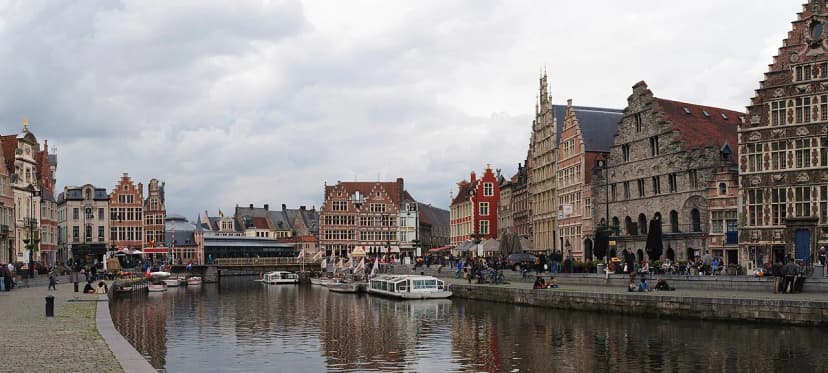
Compared with Brussels or Antwerp, Ghent carries a reputation as one of Belgium's calmer, more relaxed cities to visit. It is a compact, pedestrian- and bicycle-friendly university town where a large student population keeps the historic core lively well into the evening, and the vast majority of visits pass without any safety incident worth mentioning. When locals or online forums talk about areas to avoid in Ghent, they are almost never describing violent no-go zones in the way that phrase might suggest in a larger European capital. Instead, the label tends to apply to a handful of industrial corridors, station fringes, and residential pockets that see less foot traffic, weaker street lighting, and occasional loitering rather than real danger. Recognizing those visual cues matters more for a confident visit than memorizing a fixed list of bad neighborhoods. The short version: Ghent is comfortable to explore on foot, day or night, across its historic core, and the caution points below are narrow, specific, and easy to route around.
- Little to no street lighting once shops close for the evening
- Industrial or dockside surroundings with few residents nearby
- Quiet side streets away from the main tram and bike routes
- Stretches locals themselves rarely have a reason to walk through after dark
Ghent Areas to Avoid: Neighborhoods That Deserve Extra Caution
The neighborhoods below come up most often when residents and longer-term visitors discuss where to stay a little more alert in Ghent. None are off-limits, and daytime visits to any of them are generally uneventful; the caution mostly applies after dark or when leaving valuables in plain sight.
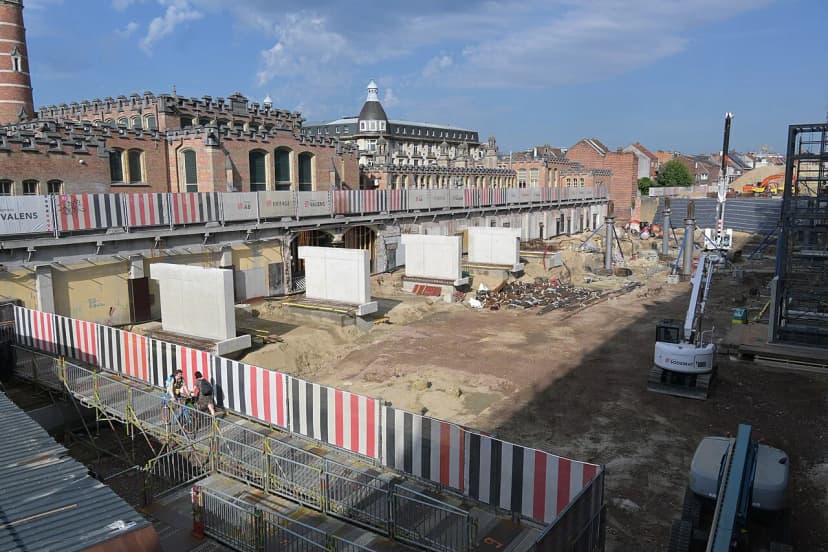
- Rabot: This district near the old citadel and courthouse has a long-standing reputation as one of Ghent's more multicultural, working-class corners, and that reputation has softened considerably as redevelopment around De Krook and the wider Muide-Meulestede area has spread outward. Streets around the main shopping stretch of Rabotstraat feel ordinary by day; the quieter side streets closer to the courthouse are the parts worth a bit more caution once it gets dark.
- Dampoort: The area around Gent-Dampoort station is genuinely busy with commuters, cyclists, and students during the day, but it can feel desolate and poorly lit once shops close for the evening. It is not a high-crime zone; the emptiness itself is what tends to put people on edge, and sticking to main, well-lit routes covers most of the concern.
- Afrikalaan and Dok Noord: This stretch along Ghent's old harbor and docklands has drawn local complaints about loitering, revving engines, and general late-night nuisance concentrated around specific spots such as the Gabriels gas station and carwash. It reads as an industrial nuisance pocket more than a genuine danger zone, but it is not an area to linger on foot after dark.
- Nieuw Gent: A residential district set further out from the historic center, Nieuw Gent is one locals sometimes cite for social issues, though few tourists ever have a reason to pass through it. Standard Ghent itineraries, built around the Leie River, Graslei, and Korenmarkt, do not go anywhere near it, so it is easy to skip entirely without any real loss.
Gent-Sint-Pieters vs Gent-Dampoort: The Station Safety Reality Check
Ghent has two main train stations, and they are not interchangeable when it comes to late-night comfort. Gent-Sint-Pieters, the city's main SNCB/NMBS hub and the station most visitors use arriving from Brussels or Antwerp, has been through extensive renovation, with a large, well-lit main hall and steady foot traffic into the evening. Gent-Dampoort, by contrast, is a smaller secondary station serving regional lines; it thins out fast once evening trains taper off, and the surrounding streets discussed above lose their daytime buzz quickly. Neither station carries a meaningful crime problem, but the gap in lighting, activity, and general eyes-on-the-street feel is real enough to shape how comfortable a late-night wait actually feels. For a broader look at what changes after sunset across the city, this guide to Ghent safety after dark covers the pattern in more depth. In practical terms: favor routes through Gent-Sint-Pieters when there is a choice for a late arrival or departure, stay near the main lit concourse rather than empty platform ends, and treat a late-night wait at Dampoort the way you would any quiet, low-traffic transit stop, by staying visible and having the next tram or taxi already planned rather than improvised on the spot.
Getting Around Ghent Safely: Trams, Bikes, and Foot Traffic
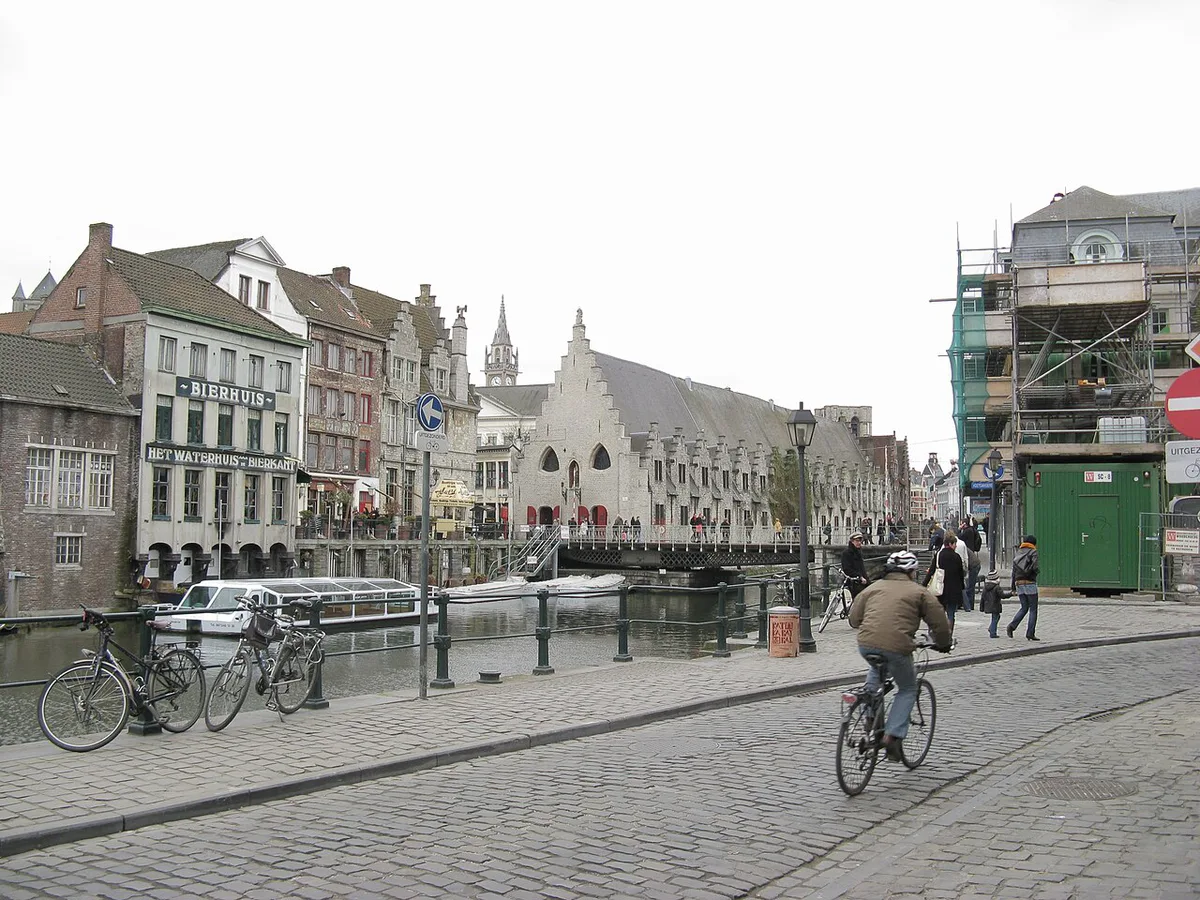
Public transport in Ghent runs through De Lijn's tram and bus network, which covers the center and outer districts including Dampoort, Rabot, and Nieuw Gent; a reduced night network continues after the regular daytime schedule tapers off, so a late trip usually still has an option beyond walking. For route-by-route detail on riding trams and buses with confidence, see this public transport safety guide. Away from stations, the single biggest everyday hazard in Ghent has little to do with crime. It is the sheer volume of bicycle traffic, including fast, near-silent e-bikes and cargo bikes, moving through the pedestrianized core around Korenmarkt, Graslei, and the Kunstenkwartier. Visitors stepping off a curb without checking a bike lane, or crossing cobblestone tram tracks while looking at a phone, are far more likely to have a close call than to run into any crime issue. Walking, rather than renting a bike on a first visit, is generally the safer choice for anyone unfamiliar with Ghent's cycling culture and tram-track layout, especially after dark when bike lights and headlights blur together.
Fear of neighborhood crime overshadows the actual visitor risks: bicycles in pedestrian zones cause far more incidents than petty theft or loitering. Even flagged areas like Dampoort are low-crime; visibility and awareness matter more than which neighborhood you choose.
| Category | What It Feels Like | What It Actually Is |
|---|---|---|
| Petty crime near Korenmarkt/Graslei | Feels risky in dense crowds | Low; standard bag awareness is enough, see the tourist scams guide |
| Industrial fringes (Afrikalaan/Dok Noord) | Sounds like a crime zone | Mostly noise and loitering nuisance, not violent crime |
| Cyclists in the pedestrian zone | Overlooked by first-time visitors | The most common cause of visitor mishaps, silent e-bikes and cargo bikes |
| Gent-Dampoort at night | Assumed unsafe due to poor lighting | Low crime but genuinely dim; stick to lit main routes |
Where to Stay vs Where to Skip in Ghent
Choosing a base in Ghent is less about avoiding danger and more about picking a neighborhood with steady foot traffic, good lighting, and an easy walk back from the historic core. That distinction matters in particular for anyone traveling alone; this guide to solo female travel safety in Ghent covers additional considerations worth weighing alongside neighborhood choice.
Arriving late? Favor Gent-Sint-Pieters for better lighting and foot traffic. Choose accommodation near Korenmarkt or a main tram line to keep late arrivals as quick tram rides rather than long walks through quiet, poorly-lit areas.
- Stay: Patershol, Sint-Anna, and the Kunstenkwartier all sit close to the Graslei and Korenmarkt and stay busy with restaurant and bar traffic well into the evening, which keeps streets lit and populated.
- Skip for accommodation: the industrial fringes around Dok Noord and Afrikalaan, and residential stretches deep in Nieuw Gent, sit far enough from the center that a late-night walk back involves long, quiet stretches with little passing traffic.
- A useful test: if a listing is more than a short walk from Korenmarkt or a direct tram line, check street-view images of the actual block before booking rather than relying on the neighborhood name alone.
Common Mistakes to Avoid in Ghent
Most safety issues visitors report in Ghent trace back to a handful of avoidable habits rather than to the city itself.
- Leaving bags, electronics, or GPS units visible inside a parked car, particularly near Dok Noord or Dampoort, where fewer people are around to notice a break-in.
- Walking alone through unlit stretches of Citadelpark late at night; the park is pleasant by day but loses its lighting advantage once the sun goes down.
- Confusing lively or gritty with dangerous: Rabot and Brugse Poort are genuinely more multicultural and rougher around the edges than the postcard center, without being unsafe to walk through during the day.
- Skipping basic scam awareness in the busy squares around Korenmarkt and Graslei; petty distraction tactics are a far more common issue than anything neighborhood-related, and this guide to common Ghent tourist scams covers the specific patterns to watch for.
For trip-planning details, see US State Department Belgium travel advisory.
Frequently Asked Questions
Is Rabot in Ghent safe to visit?
Yes, for the vast majority of visits. Rabot has a long-standing multicultural, working-class reputation and has gentrified significantly around De Krook and the surrounding redevelopment. Daytime visits are routine; exercising a bit more caution on quiet side streets near the courthouse after dark is a reasonable, not urgent, precaution.
What is the most dangerous area in Ghent?
Ghent does not have a single high-crime no-go zone. The areas that come up most often in local discussion, the industrial stretch around Afrikalaan and Dok Noord, the immediate surroundings of Gent-Dampoort station after dark, and parts of Nieuw Gent, are flagged for loitering, poor lighting, or general desolation rather than serious crime.
Is Gent-Dampoort station safe at night?
It is not considered dangerous, but it thins out and dims considerably once evening trains taper off, in contrast with the busier, better-lit Gent-Sint-Pieters. Sticking to main lit routes and having onward transport planned in advance makes a late-night wait there more comfortable.
Do you need to avoid Ghent's city center at night?
No. The historic core around Korenmarkt, Graslei, Patershol, and the Kunstenkwartier stays busy with restaurant, bar, and student foot traffic well into the evening and is generally considered one of the more comfortable parts of the city after dark.
Is Ghent safe for solo female travelers?
Ghent is generally considered comfortable for solo travelers, including solo women, especially within the well-lit, high-traffic historic center. Neighborhood-specific and after-dark considerations are covered in more detail alongside the general caution points listed throughout this guide.