Is Ghent Safe for Solo Female Travellers?
Last updated April 2026: if you are asking whether Ghent is safe for solo female travellers, the short answer is yes — this compact Flemish city consistently reads as one of the more comfortable Belgian destinations for women travelling without a companion. Its walkable historic core, large student population, and well-lit main routes mean the atmosphere after dark feels noticeably different from quieter towns nearby. This guide breaks down exactly which neighborhoods to book, how to move around after sunset, and where the city asks for a little more street-smart awareness.
The Verdict: Is Ghent Safe for Solo Female Travellers?
Yes — in our editorial assessment, Ghent ranks among the more reassuring Belgian cities for women travelling on their own. The historic core is compact enough to cover on foot, consistently populated well into the evening thanks to a large student community tied to the University of Ghent, and centered on a handful of major squares that stay lively long after museums and shops close. For a fuller picture of how the city holds up on general safety beyond the solo-travel lens, the companion Ghent safety overview covers everyday precautions that apply to every visitor. The short version for solo women specifically: stick to the well-trodden historic center, treat the area immediately around the main train station with the ordinary caution you would use at any busy transit hub in 2026, and Ghent behaves like one of the more forgiving cities in the region.
Safe Neighborhoods for Solo Women
Where you base yourself shapes how safe a solo trip feels more than almost any other decision. Three areas stand out for solo women visiting Ghent:
- Patershol: a former tannery quarter turned restaurant and boutique-hotel district, with narrow cobbled lanes that stay busy with diners and pedestrians well into the night.
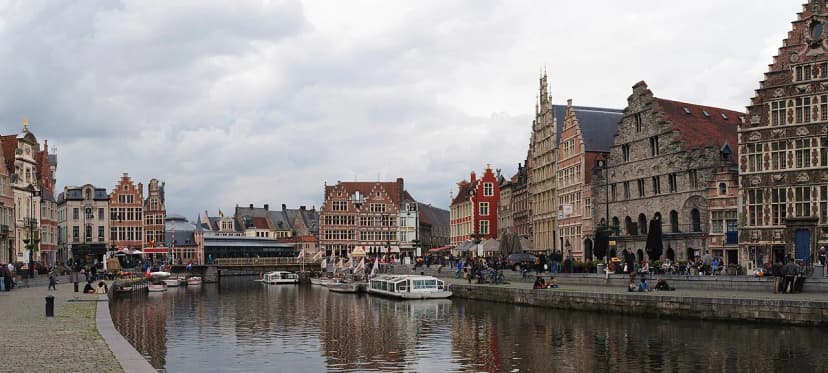
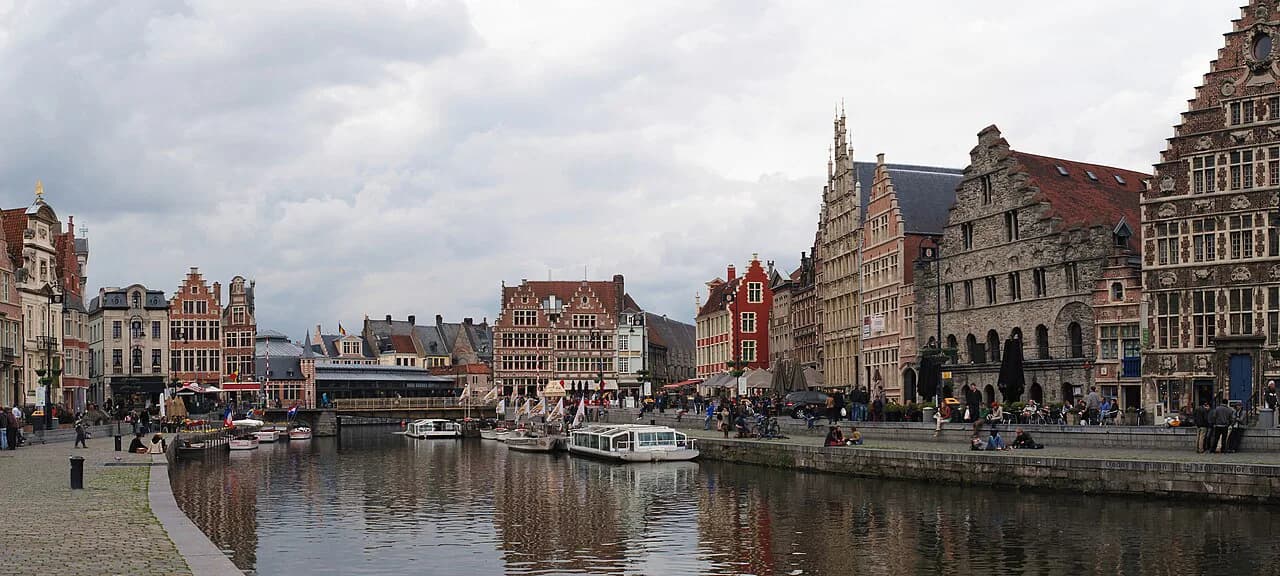
- The historic center around Graslei and Korenlei: the medieval waterfront strip is the most photographed and most walked stretch of the city, meaning near-constant foot traffic from locals and visitors alike.
- The Arts Quarter near the Museum of Fine Arts: a quieter, more residential feel by day that still sits within easy walking distance of the lit, populated core.
Areas to Exercise Caution in Ghent
Ghent's caution zones are narrow and specific rather than sprawling. The area immediately surrounding Gent-Sint-Pieters, the city's main railway station, draws the same transient foot traffic and petty-crime attention that busy stations attract across Belgium and wider Europe; it is well lit and heavily used, but it is not the spot to linger in late at night. The stretch between the station and the historic center thins out after dark compared with the lantern-lit lanes closer to Graslei, and the outer residential ring beyond the main squares carries the ordinary caution any unfamiliar suburb deserves. None of this amounts to a no-go zone — it is a matter of routing along the main lit streets rather than shortcutting through quieter side roads late at night. The dedicated areas to avoid in Ghent guide breaks these pockets down street by street.
Navigating Ghent at Night: The Lighting Plan and Student Life
Ghent's after-dark reputation owes a lot to its Lichtplan, the city's long-running lighting plan that illuminates facades, bridges, and towers across the historic center rather than leaving it to ordinary street lamps alone. The result is a night walk that feels closer to a lit stage set than a dim old town, which is part of why solo travelers consistently report feeling at ease here after sunset compared with similarly sized towns. Layered on top of the lighting is the University of Ghent's large student population, which keeps bars, squares, and the main pedestrian arteries populated well into the night on weekdays as well as weekends — a level of everyday street life that is harder to find in smaller Belgian towns once the day-trip crowds leave. For a deeper walk-through of specific streets and times of night, see the full Ghent's night safety guide.
Public Transport and Solo Logistics
Getting around solo in Ghent rarely requires anything beyond walking, a bike, or De Lijn, the Flemish regional operator running the city's tram and bus network. Trams connect Gent-Sint-Pieters station to the historic center and outer neighborhoods, and stops in the core stay well used into the evening. Ghent is also a genuinely bike-friendly city, with dedicated lanes threading the center; renting a bike is a common way for solo visitors to cover more ground without relying on late-night taxis. The main practical rule mirrors any station in 2026: keep bags zipped and in view on trams and platforms, and treat Gent-Sint-Pieters itself as the one spot in the city that warrants a bit more bag-awareness than the calmer historic lanes. The public transport safety guide covers De Lijn routes and station logistics in more depth.
Ghent vs Bruges for Solo Travelers
Solo travelers frequently weigh Ghent against Bruges, and the comparison shows up often enough in traveler discussions — including a widely referenced r/Europetravel thread — that it is worth addressing directly. The consensus from that discussion: Bruges can feel like a beautifully preserved museum piece, especially once day-trip tour groups thin out in the evening, while Ghent reads as a living, working city with a genuine local and student population keeping it animated after dark. That same energy is part of why Ghent often feels more comfortable for a solo woman in the evening — there are simply more ordinary people, students, and locals sharing the same streets and squares, rather than a town that quiets down once the coach tours depart.
| Factor | Ghent | Bruges |
|---|---|---|
| Evening atmosphere | Active, student- and local-driven; squares and bars stay busy after dark | Quieter after day-trippers leave; more of a preserved-town feel |
| Crowd density | Less crowded overall, per traveler discussion | Heavier tourist and tour-group density in the historic core |
| Social ease for solo women | University population creates more casual, everyday social contact | More transactional, tourist-facing interactions in peak season |
Where to Stay: Station Convenience vs Historic Center Atmosphere
Solo travelers choosing a base in Ghent typically weigh two options: staying near Gent-Sint-Pieters for straightforward arrival logistics, or booking into the historic center or Patershol for atmosphere and evening walkability. The trade-offs break down as follows.
Choosing between station proximity and historic center stays reflects Ghent's key advantage over Bruges—the student and local population keeps the compact center animated after dark, so a center-based stay offers evening comfort impossible in quieter, tour-focused towns.
| Factor | Near Gent-Sint-Pieters Station | Historic Center / Patershol |
|---|---|---|
| Arrival convenience | Direct off the train, minimal luggage-hauling | Short tram or walk from the station required |
| Evening walkability | Functional but quieter once shops close | Lit, populated lanes well after dark |
| Atmosphere | Practical, transit-oriented | Restaurants, bars, and canal views on the doorstep |
| Best for | Very early departures or late arrivals | Anyone prioritizing solo evening comfort |
Common Scams and Safety Mistakes to Avoid
Ghent's scam landscape is mild by big-city standards, but the same low-level pickpocketing and distraction tactics common at busy European transit hubs show up around Gent-Sint-Pieters and in dense weekend crowds along Graslei and the Friday Market square. Standard precautions apply: keep valuables in a front pocket or zipped bag, stay alert during the platform crush when trains arrive, and stay a little more guarded around anyone staging an overly elaborate distraction near the station or in packed nightlife streets. None of this is unique to Ghent, and none of it should be alarming — it is the same baseline awareness worth carrying through any well-visited European city center. The Ghent tourist scams guide catalogs the specific patterns to watch for in more detail.
Solo Dining and Socializing in Ghent
Ghent's student population and compact center make solo dining and socializing noticeably easier than in towns built primarily around day-trip tourism. Patershol's restaurant lanes and the cafes ringing Sint-Baafsplein and the Graslei waterfront are comfortable for a solo table any night of the week, with enough steady local traffic that eating alone rarely draws attention. The Vrijdagmarkt area and the streets around the university mix student bars with quieter cafes, giving solo travelers a range from lively to low-key within a short walk. Because so much of the center is walkable and well used after dark, moving between an early dinner and a later drink rarely requires more than a short stroll along a lit, populated street.
The city's architectural lighting scheme and large student population combine to create both physical safety for night walks and social comfort for solo diners moving between restaurants and bars along lit, populated streets.
Ghent Safety at a Glance for Solo Female Travellers
The table below distills the practical picture for a solo woman weighing a Ghent trip, based on the neighborhood, transport, and scam patterns detailed above. These are qualitative, editorial assessments rather than sourced statistics.
| Category | Editorial Assessment |
|---|---|
| Walking alone in the historic center after dark | Comfortable, aided by the Lichtplan lighting and steady foot traffic |
| Ease of public transport (De Lijn trams, walking, cycling) | Straightforward; trams and bike lanes cover the center well |
| Risk of petty scams or pickpocketing | Low overall, with the usual station-area caution advised |
| Solo dining and socializing | Comfortable, aided by the student population and compact center |
| Areas requiring extra awareness | Immediate vicinity of Gent-Sint-Pieters station late at night |
Frequently Asked Questions
Is it safe to walk alone in Ghent at night?
Yes, for the historic center and neighborhoods like Patershol and around Graslei — the city's Lichtplan lighting scheme keeps major routes well lit, and a large student population keeps streets populated well into the evening. The main exception is the immediate area around Gent-Sint-Pieters station late at night, where the same ordinary transit-hub caution applies as anywhere else in Belgium.
Which part of Ghent is best for solo female travelers to stay?
Patershol and the historic center around Graslei and Korenlei are the most consistently recommended bases, thanks to their walkability, restaurant density, and steady foot traffic after dark. The Arts Quarter near the Museum of Fine Arts is a quieter alternative that still sits within easy reach of the lit core.
Is Ghent safer than Brussels or Bruges for solo women?
Ghent is generally considered more comfortable for solo women than Brussels, which is a larger capital city with the caution zones that come with that scale. Compared with Bruges, Ghent is less crowded with day-trip tourism and, according to traveler discussions such as a widely referenced r/Europetravel thread, feels more like a lived-in city with year-round local and student activity rather than a town that quiets down once the tour buses leave.
What are the most common tourist scams in Ghent?
The most common issues are low-level pickpocketing and distraction tactics in busy pockets like the area around Gent-Sint-Pieters station and crowded weekend spots along Graslei and the Friday Market square — the same baseline scams found at any well-visited European transit hub or plaza. The dedicated Ghent tourist scams guide breaks down the specific patterns to watch for.
How much extra caution should solo travelers use around Ghent's train station?
Treat Gent-Sint-Pieters the way you would treat any major station in 2026: stay aware of your bags in the platform crush, avoid lingering in the immediate station surroundings late at night, and use the well-lit tram and walking routes into the historic center rather than cutting through quieter side streets.