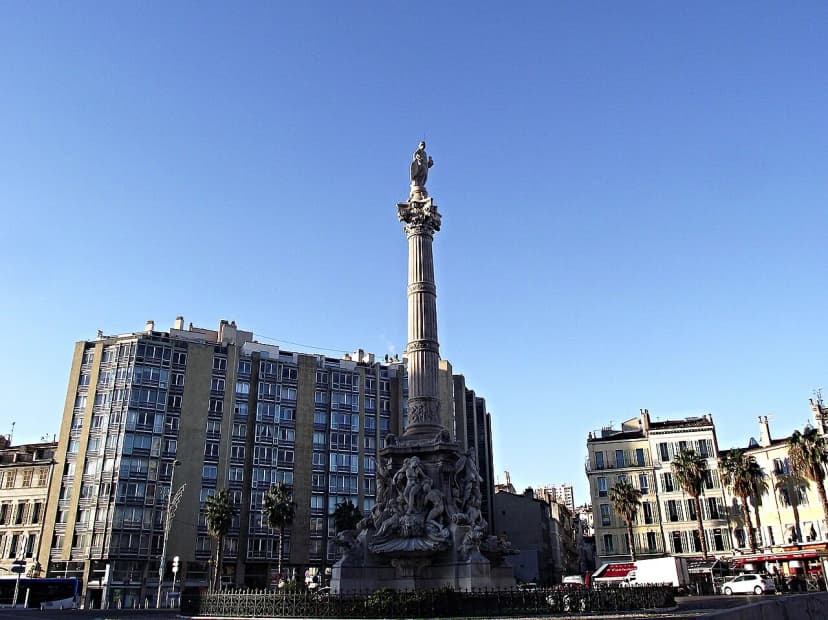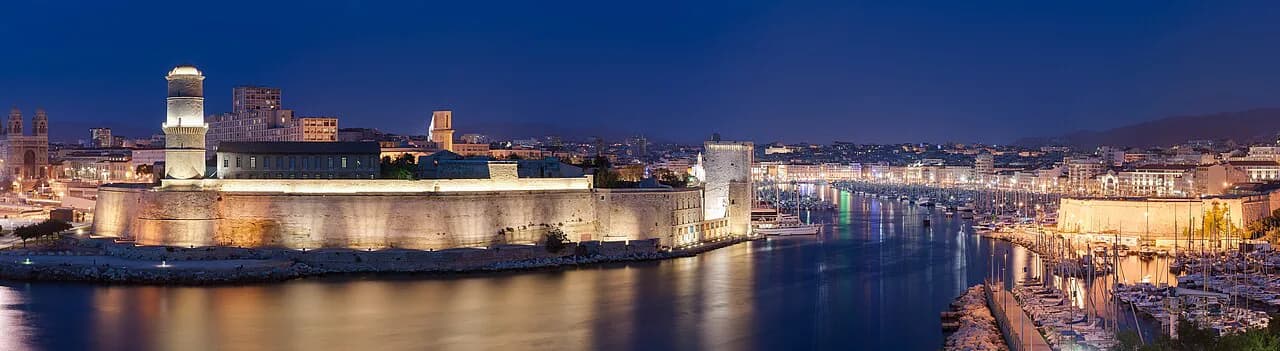
Is Marseille Safe? A Practical 2026 Safety Guide for Travelers
Last updated March 2026, this guide answers the question most travelers type into a search bar before booking a trip to the Old Port: is Marseille safe? For the large majority of visitors, yes, particularly around the central and coastal districts, though France's second-largest city does carry a higher-than-average crime rate compared with Paris, Lyon, and Nice, and that reputation is worth understanding rather than dismissing. This guide separates the narco-violence headlines concentrated in Marseille's northern districts from what you will actually encounter walking around Le Panier, the Vieux Port, and the 7th and 8th arrondissements.
Is Marseille Safe? The Current Safety Landscape
France's second-largest city carries a reputation that precedes it almost everywhere online: narco-trafficking headlines, listicles ranking it among Europe's grittier cities, and a general sense among first-time visitors that Marseille is riskier than Paris, Lyon, or Nice. That reputation is not entirely unearned, and this guide will not pretend otherwise. Marseille does have a higher-than-average crime rate for France, and the violence linked to organized drug trafficking is real and, at times, serious. What rarely makes it into the headlines is where that violence actually happens: almost exclusively within organized-crime networks operating in specific residential districts, not in the areas where you will spend your time as a visitor. That is the core distinction behind is Marseille safe as a question, dangerous for residents caught up in disputes in specific zones is not the same claim as unsafe for tourists in the center. For the numbers behind the reputation, including how safety compares across the city's arrondissements, see the detailed crime statistics breakdown. Heading into 2026, the practical takeaway matches what French Ministry of the Interior guidance and international travel advisories, including the US State Department's France advisory, have consistently suggested for years: treat Marseille with the same street-smart precautions you would use in any large European port city, stay aware in crowds, and the visit is very likely to be uneventful.
How Marseille's Safety Compares to Paris, Lyon, and Nice
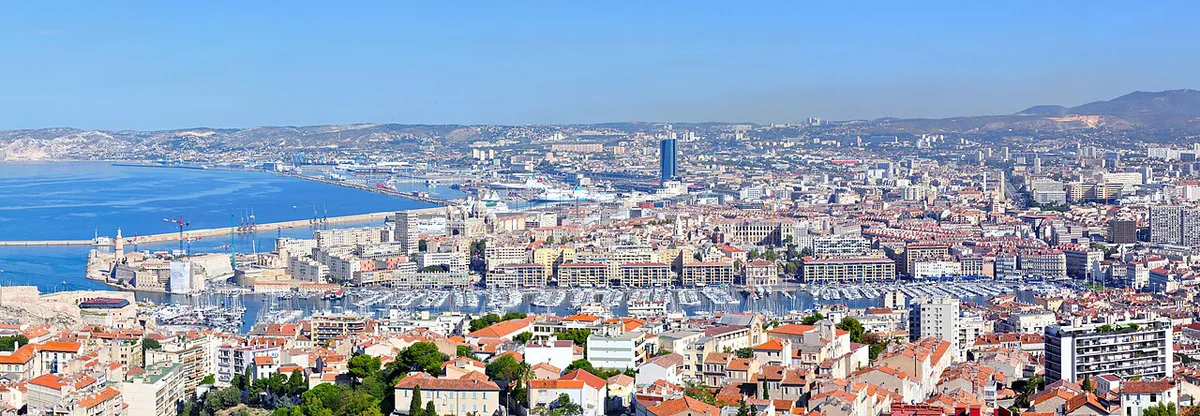
Comparisons to Paris, Lyon, and Nice come up constantly in the is Marseille safe conversation, and they are worth addressing directly rather than dancing around. Paris, as a far larger city with vastly more visitors, records more total incidents in raw terms but spreads them across a much bigger tourist footprint, so the experience of a first-time visitor sticking to central arrondissements feels broadly comparable to central Marseille. Lyon and Nice both carry reputations as calmer, more manicured French cities, and in the well-off, tourism-heavy areas travelers actually see, that reputation generally holds up; neither city has an equivalent to Marseille's Quartiers Nord sitting so close to the urban core. What sets Marseille apart heading into 2026 is not that its city center is more dangerous than these other destinations, it is that Marseille's organized-crime-driven violence is more geographically concentrated and more heavily covered in international media, which distorts perception without necessarily reflecting the experience of someone spending a week around the Vieux Port, Le Panier, or Cours Julien. Index platforms such as Numbeo, which aggregate resident-submitted perceptions of safety, are a reasonable starting point for context, but they measure how residents across an entire metro area feel rather than what a tourist sticking to central districts will actually encounter, so treat any single index as one data point rather than the final word.
Where It's Safe to Go and Where to Skip in Marseille
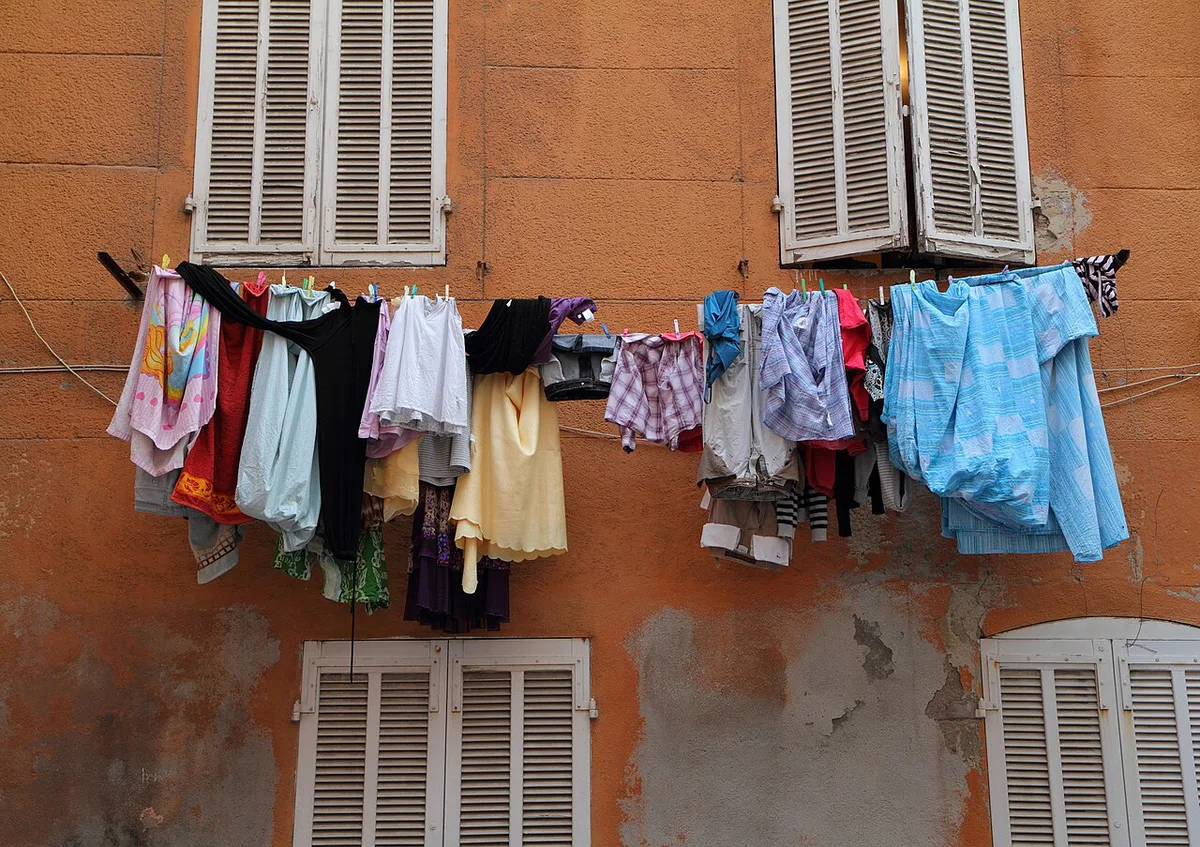
Marseille's safety picture divides sharply along geographic lines, and understanding that divide answers is Marseille safe more usefully than any single statistic could. The Quartiers Nord, the city's northern districts that fall largely within the 13th, 14th, 15th, and 16th arrondissements, are where drug-trade violence concentrates. These neighborhoods sit well outside the tourist footprint: they have no beaches, no landmarks, and essentially no hotels, and you have no practical reason to pass through them on a typical visit. For a full breakdown of exactly which arrondissements to skip and why, that page is the reference to check before mapping out any independent exploring beyond the center. On the other end of the spectrum, the neighborhoods you are actually likely to use tell a different story. Le Panier's tangle of pastel-painted, hillside lanes above the Old Port stays busy with cafes, small galleries, and foot traffic through the day and into the evening. The Vieux Port itself, the historic harbor and the city's central gathering point, sees heavy pedestrian activity, restaurant terraces, and a visible police presence. Further south, the residential 7th and 8th arrondissements, stretching toward the Corniche and the calanques, are quieter and consistently among the calmest parts of the city, trading a bit of central-location convenience for a noticeably more relaxed atmosphere. A longer list of the safest neighborhoods in the city is worth reading before you lock in accommodation.
The safest tourist neighborhoods—Vieux Port, Le Panier, and the 7th and 8th arrondissements—also concentrate where petty theft occurs. This reflects that organized-crime violence stays within criminal networks in Quartiers Nord, meaning central-zone tourists' primary concern is pickpocketing in crowds rather than violent crime.
- Le Panier - hillside historic quarter above the Old Port, busy with cafes and pedestrian traffic
- Vieux Port (Old Port) - the city's central hub for dining, transit, and evening strolls
- 7th and 8th arrondissements - residential, coastal, and consistently among the calmest districts
- Quartiers Nord (13th, 14th, 15th, 16th arrondissements) - concentrated drug-trade activity, no tourist infrastructure or reason to visit
Traveling Alone: What Solo Female Travelers Should Know
If you are traveling alone, the version of is Marseille safe you actually need answered is more specific: what does catcalling look like, how comfortable is it to navigate the city alone, and where should you avoid walking after dark. Marseille is a large, loud Mediterranean port city, and unwanted comments in busy pedestrian areas like the Canebiere or the Noailles market are a realistic possibility, in line with what solo travelers report in Naples, Barcelona, or Rome. None of that is unique to Marseille, and none of it typically escalates beyond verbal attention, but it is worth planning around rather than being surprised by. The advice that works best is the same street-smart baseline that applies across southern Europe: stick to well-lit, populated routes once the sun goes down, keep bags and phones zipped away rather than held loosely in crowded markets or on the metro, and book accommodation in a central, walkable district like Le Panier or the 7th arrondissement rather than somewhere that requires a long unlit walk back from transit. A dedicated breakdown of solo female travelers in Marseille covers neighborhood-specific advice, transport timing, and accommodation picks in more depth than a general overview can.
Marseille After Dark: What Changes at Night
Marseille's evenings run late, and most of that activity stays contained within a handful of consistently busy zones. The Vieux Port keeps restaurants, bars, and pedestrian traffic going well past dinner, and Cours Julien, with its street art and dense concentration of bars and live-music venues, is one of the liveliest and most walkable nightlife districts in the city. The picture changes noticeably around Gare Saint-Charles, the main train station and a major arrival point for visitors: once the station concourse and surrounding shops close for the night, the streets around it empty out quickly and feel far less comfortable, particularly if you are arriving on a late train and need to walk rather than take a taxi to accommodation. This is one of the most consistent friction points travelers flag when asking is Marseille safe at night, and it is worth planning around rather than discovering on arrival. The practical rule of thumb: nightlife-oriented districts stay safe because they stay populated, while transit-adjacent and residential streets away from the core tourist zones lose that safety-in-numbers effect once foot traffic thins out, generally from mid-evening onward. A full area-by-area rundown of navigating Marseille after dark covers which specific routes to avoid walking and when to default to a taxi or rideshare instead.
Late-night safety paradox: Marseille's coziest evening options—Vieux Port's restaurants and Cours Julien's bars—stay safe precisely because they're crowded with diners and revelers, while quieter accommodation in the 7th arrondissement or convenience near Saint-Charles trades that living-room atmosphere for longer unlit walks home.
Getting Around Safely: Transit and Common Scams
Marseille's metro, tram, and bus network is operated by RTM (Regie des Transports Metropolitaines), and it is the standard way most travelers move between the Old Port, Gare Saint-Charles, and outlying neighborhoods. It is safe to use for the large majority of the day and through the evening rush. Ridership thins out on both metro lines later at night, and the same pattern that applies to the streets around Saint-Charles applies underground: emptier platforms and carriages after dark warrant more alertness than the same ride would need at four in the afternoon. A closer look at Metro and bus safety tips, including which lines and which hours call for extra caution, is worth reading before you rely on public transport for a late return to accommodation. Petty theft, not violent crime, is the realistic concern for the vast majority of visitors, and it clusters around exactly the places where crowds and distraction make pickpocketing easiest: the platforms and concourse at Gare Saint-Charles, the Vieux Port waterfront during peak summer season, and busy market streets like Noailles. Classic distraction techniques, someone spilling a drink on you, asking for directions while a second person moves in from behind, or holding out a fake petition to sign while a hand goes for a pocket, show up most often in exactly these high-footfall tourist pinch points. A full rundown of distraction scams near the station and how to sidestep them is arguably the single most useful read on this site for anyone spending meaningful time around Saint-Charles or the Old Port.
Practical Safety Logistics: Emergency Numbers and Health Access
Practical preparation does more for how safe a trip to Marseille actually feels than any statistic on this page. The general European emergency number, 112, works from any phone, including foreign ones, and reaches police, fire, or medical dispatch. 17 reaches the French police (Police Nationale) directly if you need to report a crime. Central Marseille has multiple commissariats, or police stations, serving the districts you will actually spend time in, including coverage for the Vieux Port and Le Panier area, so reporting theft or requesting help in the city center does not mean crossing into an unfamiliar district to find one. Hospital access is solid for a city this size: Marseille has multiple major public hospitals, including facilities within the Assistance Publique - Hopitaux de Marseille (AP-HM) network, and pharmacies marked with the standard green cross symbol are common throughout the central arrondissements for anything short of a genuine emergency. Before locking in a 2026 trip, check current government travel-advisory guidance, both the French Ministry of the Interior and equivalents like the US State Department's France advisory publish periodic updates, since neighborhood-level advisories are refreshed more often than a general overview guide like this one can be.
- 112 - general European emergency number covering police, fire, and medical dispatch
- 17 - direct line to the French police (Police Nationale)
- Commissariats serving the Vieux Port and Le Panier area handle most visitor-reported incidents
- AP-HM public hospital network covers emergency and general medical care across the city
The Vibe vs Danger Matrix: Gritty but Safe or Genuinely High-Risk
Not every area that feels rough around the edges is actually risky, and mixing up the two trips up more first-time visitors than any real danger does. Noailles, the market district just off the Canebiere, is loud, crowded, and visibly worn, but it is a working daytime market street rather than a high-crime zone, and it is generally fine to walk through in daylight with normal city awareness. The genuinely high-risk areas fall into a different category entirely: the Quartiers Nord, where drug-trade violence concentrates, are not neighborhoods that merely feel edgy, they are residential districts with no tourist infrastructure and no reason for a visitor to be there in the first place. In our editorial assessment, the table below separates the two categories for a faster read before you plan a route.
| Area | Vibe | Actual Risk Level | Best For |
|---|---|---|---|
| Noailles market district | Loud, crowded, visibly gritty | Low during the day; use normal caution at night | Market browsing, cheap eats, daytime photography |
| Le Panier | Touristy, narrow lanes, artsy | Low | Walking, cafes, daytime and evening sightseeing |
| Vieux Port (Old Port) | Busy, well-lit, central | Low | Dining, transit hub, evening strolls |
| Cours Julien | Bohemian, street art, bar scene | Low to moderate late at night | Nightlife, live music |
| Gare Saint-Charles surroundings after dark | Quiet, empty storefronts | Moderate at night | Daytime transit only; taxi recommended at night |
| Quartiers Nord (13th-16th arrondissements) | Residential, no tourist infrastructure | High, driven by organized-crime activity | Not a tourist destination |
Local Rules of Thumb and Logistical Trade-offs
A handful of practical habits do more for your safety in Marseille than any amount of anxious pre-trip research. Skip flashy jewelry and keep phones and cameras zipped into a bag rather than held loosely in crowded markets or metro carriages, the same low-key approach that helps in any dense European port city. Where you choose to sleep also involves a genuine trade-off worth thinking through in advance. Accommodation near Gare Saint-Charles is the most convenient option for arrivals, day trips, and early departures, but it sits closest to the area that gets noticeably quieter and less comfortable after dark. The 7th arrondissement is calmer and closer to the Corniche and the calanques, but it sits further from the train station and leans more heavily on transport or taxis for a late return. Neither choice is wrong, it is a straightforward convenience-versus-atmosphere call once you understand the areas involved. Booking accommodation in Le Panier or around the Vieux Port splits the difference for most first-time visitors, offering walkable proximity to restaurants, sights, and transit without the late-night quiet of the station district.
For trip-planning details, see UK FCDO travel advice for France.
Explore is safe in other cities
Frequently Asked Questions
Is Marseille safe for tourists in 2026?
Yes, for the large majority of visitors sticking to the central and coastal districts, Marseille is safe to visit in 2026. The city's higher-than-average crime rate is driven by organized drug-trade violence concentrated in the Quartiers Nord, areas with no reason for tourists to visit, rather than by risks to visitors in the Vieux Port, Le Panier, or the 7th and 8th arrondissements.
Is Marseille safe at night?
The Vieux Port and Cours Julien stay busy and reasonably well-lit well into the evening and are generally comfortable for walking. Streets around Gare Saint-Charles empty out and feel noticeably less comfortable once the station closes for the night, so a taxi or rideshare is the safer call for that specific area after dark.
What is the safest area to stay in Marseille?
Le Panier and the streets immediately around the Vieux Port are consistently recommended as the calmest, most walkable base for first-time visitors, with the 7th and 8th arrondissements as a quieter, more residential alternative slightly further from the train station.
Is public transport safe in Marseille?
RTM's metro, tram, and bus network is safe to use throughout the day and evening rush. Ridership and general vigilance both drop late at night, particularly on the two metro lines, so extra alertness, or a taxi, is the more sensible call for very late returns.
Should solo female travelers avoid Marseille?
No, but the standard southern European precautions apply: expect some catcalling in busy pedestrian areas like the Canebiere, stick to well-lit and populated streets after dark, and choose central accommodation that does not require a long unlit walk late at night.
What is the emergency number in Marseille?
112 is the general European emergency number and works from any phone for police, fire, or medical dispatch. 17 reaches the French police (Police Nationale) directly for reporting a crime.
Stay Safe in Marseille
Every Marseille safety guide on one page — areas, scams, night rules, and getting around.
Marseille Safety Guides
- Marseille Areas to Avoid: A 2026 Neighborhood Safety Guide
- Is Marseille Safe at Night? Neighborhood Guide & Safety Tips
- Marseille Tourist Scams: How to Spot and Avoid Common Cons (2026)
- Is Marseille Safe for Solo Female Travellers? Safety Guide & Tips
- Marseille Public Transport Safety: A Practical Guide for Travelers
- Marseille Crime Rate: Safety Statistics & Local Reality for Travelers (2026)
- Safest Neighborhoods in Marseille: A Guide to Secure Areas & Stays