
Is Aix-en-Provence Safe? A Complete Guide for Travelers
Last updated February 2026. For travelers weighing a base in Provence, is Aix-en-Provence safe is one of the first questions worth answering, and the short version is reassuring: this affluent, walkable university city sees only rare violent crime in the core areas visitors actually use. The realistic risk profile here is dominated by petty, opportunistic crime rather than anything more serious, which is a very different calculus than travelers often bring from worrying about nearby Marseille.
Quick Answer: Is Aix-en-Provence Safe?
Aix-en-Provence is widely considered one of the safer cities to visit in the south of France. Its reputation as a bourgeois, university-driven city — home to a large student population and comparatively high household wealth — shapes a compact center that feels calm even after dark. That reputation is not marketing gloss; it reflects how the pedestrianized core, Cours Mirabeau, and surrounding squares function day to day: busy, well-lit, and heavily trafficked by locals, students, and tourists alike. The honest caveat is that Aix is not crime-free — pickpocketing and vehicle break-ins are the realistic risks, not violent crime — so the sensible posture is normal city awareness rather than anxiety.
Aix-en-Provence vs Marseille: Safety at a Glance
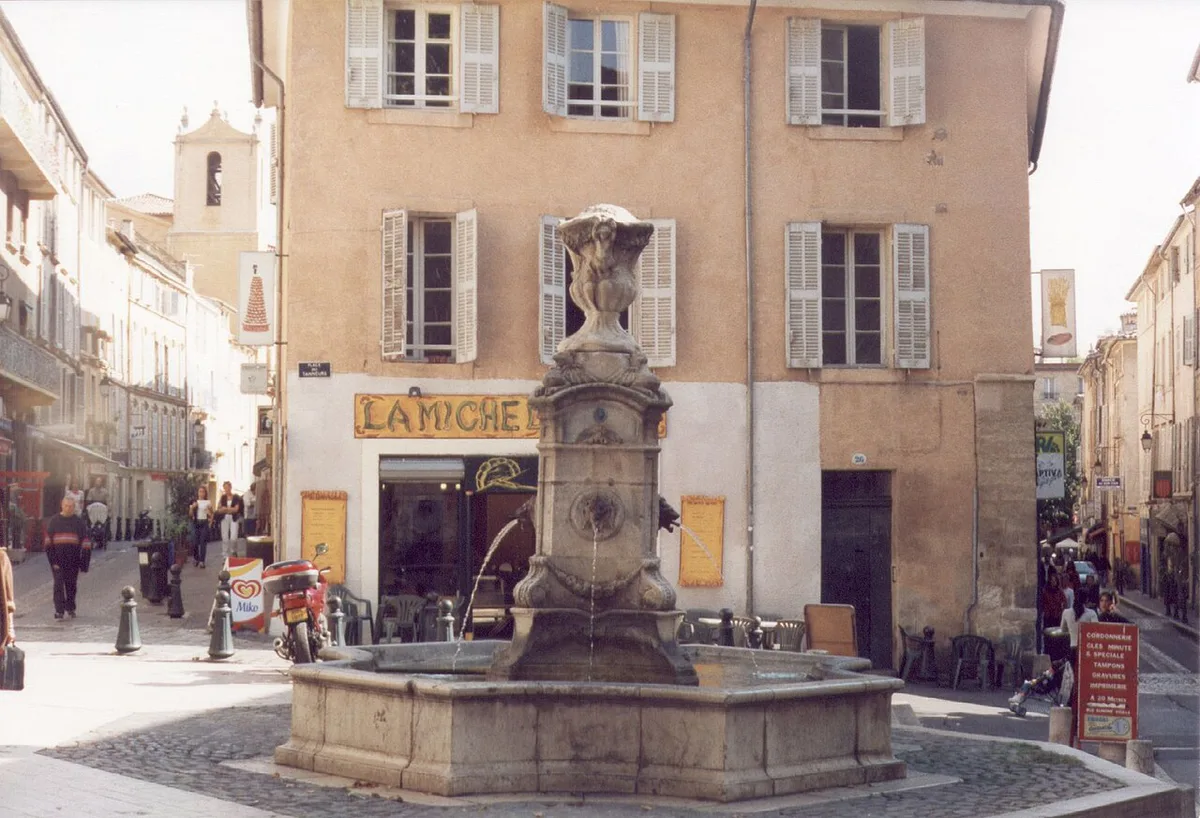
Many travelers search is Aix-en-Provence safe specifically because they are nervous about Marseille's reputation, and the comparison is worth making explicit rather than dancing around. Aix sits about 30 minutes from Marseille within the same Bouches-du-Rhône department, but the two cities have distinct profiles: Marseille is a large, dense port city with pockets of higher crime concentrated well outside the tourist zones, while Aix is smaller, wealthier, and structured around a compact historic center that most visitors never leave. Neither city should be dismissed outright, and Marseille's Vieux-Port and central tourist areas are heavily visited without incident — but if the priority is a low-friction, easygoing base, Aix's scale works in its favor.
| Factor | Aix-en-Provence | Marseille |
|---|---|---|
| Overall vibe | Calm, bourgeois, walkable | Larger, busier, more varied by district |
| Tourist-center safety | Consistently high | High in Vieux-Port and central zones |
| Primary risk type | Pickpocketing, car break-ins | Petty theft, varies more by neighborhood |
| Best suited for | First-time visitors, families, solo travelers wanting ease | Travelers wanting a bigger-city, port-town energy |
Neighborhoods and Safety Zones in Aix-en-Provence
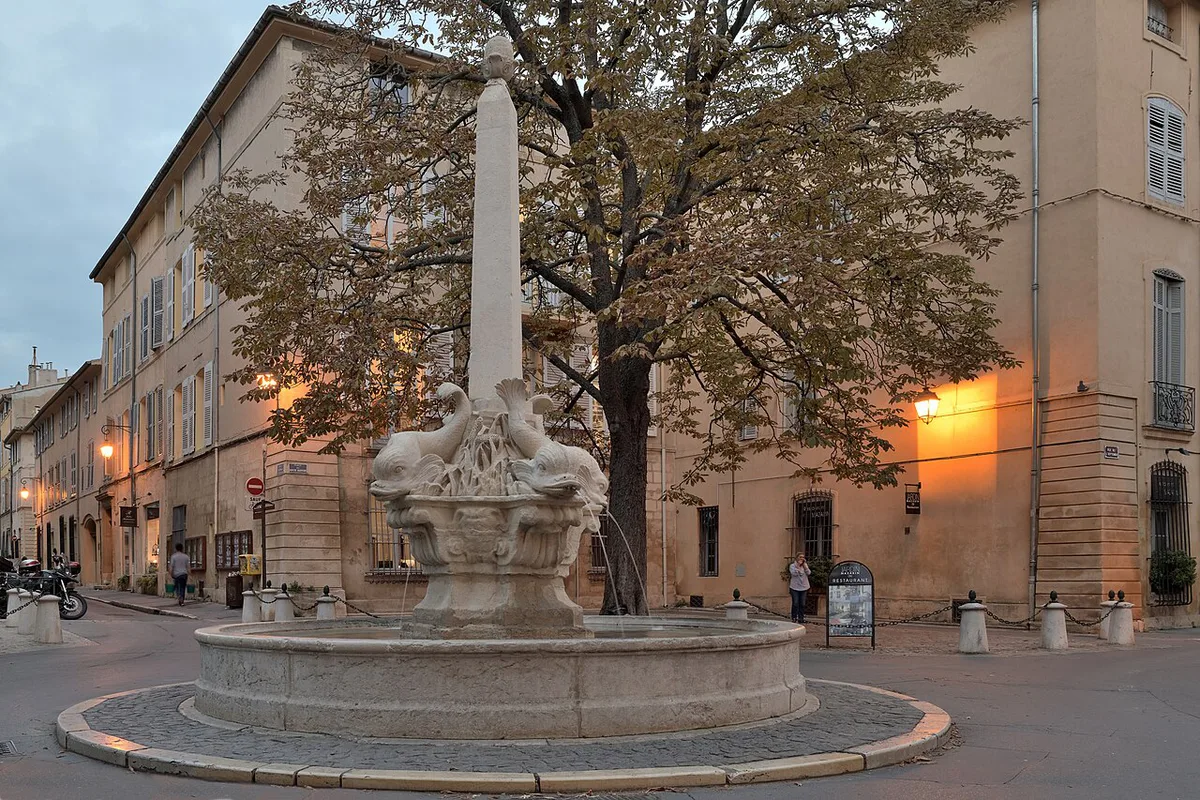
The Vieille Ville, or Old Town, is the heart of where visitors spend their time, and it is also the safest part of the city thanks to its pedestrianized streets, dense cafe and shop frontage, and constant foot traffic. Cours Mirabeau, the grand tree-lined avenue that anchors the Old Town, is a high-traffic tourist artery lined with cafes and fountains, and it stays busy well into the evening, which keeps it feeling secure. Safety naturally thins out toward peripheral residential zones farther from this pedestrian core, and travelers wanting a clear-eyed rundown of which specific districts merit more caution should read the dedicated guide to neighborhoods to be cautious of before mapping out accommodation or evening walks.
- Vieille Ville (Old Town): pedestrianized, dense foot traffic, the safest zone for walking at any hour
- Cours Mirabeau: a high-traffic tourist artery with cafes that stay active into the evening
- Peripheral residential districts: lower foot traffic after dark, worth extra awareness
Safety for Solo Female Travelers and Families
Solo female travelers generally report Aix-en-Provence as an easy, low-stress city, with the compact center and steady pedestrian activity limiting opportunities for the kind of street harassment that can be more of an issue in larger, less walkable cities. Ordinary precautions — sticking to lit, populated streets, keeping valuables secure in crowds, and using the same judgment applied at home — cover most of what's needed here. For a fuller breakdown of cultural norms and specific street-level guidance, see the dedicated solo female travel safety guide for Aix. Families also tend to favor Aix as a base in the south of France precisely because of this same walkability: the Old Town's car-free streets, fountains, and market squares make it simple to navigate with children without contending with heavy traffic or a sprawling city layout.
Night Safety and Nightlife in Aix-en-Provence
Walking home after dinner in Aix is generally unremarkable in the best sense — the atmosphere around Place de l'Hôtel de Ville and Place des Cardeurs stays lively with restaurant and bar traffic well into the evening, and the Old Town's compact layout means most nightlife destinations are within easy walking distance of each other. That said, night safety still deserves its own consideration, particularly for anyone heading out later or venturing beyond the main squares, and the detailed guide to nighttime safety in Aix covers specific streets, closing times, and getting home safely after dark.
The lively evening restaurant and bar scene in central squares creates continuous foot traffic and visibility — the same walkability that appeals to families and solo travelers by day extends into night, making evening walks unremarkable through steady human presence rather than vigilance.
Common Petty Crimes and Tourist Scams
The realistic risk in Aix-en-Provence is petty and opportunistic rather than violent, and it clusters around two situations: crowded markets and unattended vehicles. The Marché d'Aix-en-Provence draws dense crowds on market days — Tuesday, Thursday, and Saturday — and that crowding is precisely when pickpocketing risk peaks, a detail that's easy to overlook when planning a market visit around produce and Provençal goods rather than bag security. Keep valuables in a zipped, front-worn bag on those mornings and stay alert in the tightest aisles. Vehicle break-ins are the other notable risk, particularly at public parking garages such as Parking Rotonde and at peripheral park-and-ride lots used by road-trippers — never leave visible luggage, electronics, or bags in a parked car, even for a short stop. Beyond these two patterns, opportunistic scams targeting tourists do occur; the dedicated guide to common tourist scams in Aix walks through the specific tactics to recognize.
- Market days (Tuesday, Thursday, Saturday): peak pickpocketing risk at Marché d'Aix-en-Provence due to crowd density
- Parking Rotonde and peripheral park-and-ride lots: never leave visible valuables or luggage in a parked car
- Crowded festival periods: keep bags zipped and worn to the front in dense pedestrian areas
Public Transport and Getting Around Safely
Local transport in Aix-en-Provence, including the Aixpress and local bus network, is straightforward and generally low-risk, though the same market-day and evening crowding rules apply on busy routes. Arriving by rail deserves its own note: the Gare d'Aix-en-Provence TGV sits outside the city center, and travelers should plan the onward connection into town in advance rather than improvising on arrival, particularly with luggage. SNCF publishes official safety guidance for its stations, and following posted protocols at the TGV station is the simplest way to stay secure while transferring. For a complete rundown of bus routes, taxi options, and station-specific tips, see the dedicated public transport safety guide for Aix-en-Provence.
While local buses are safe, Aix's compact pedestrianized center and clusters of nightlife within walking distance mean most visitors navigate on foot rather than transport. The TGV station's out-of-center location makes planning the arrival connection in advance essential, not an evening afterthought.
Practical Safety Tips and Emergency Contacts
A short list of practical essentials covers most of what travelers need on the ground in Aix-en-Provence. For emergencies, 112 is the general European emergency number and 17 reaches the Police Nationale directly; both work anywhere in France. The Commissariat de Police handles local police matters for anyone needing to file a report, and it's worth noting the address before arrival rather than searching for it after an incident. A handful of French safety phrases — au secours (help), où est le commissariat (where is the police station), and j'ai besoin d'aide (I need help) — are useful to have ready even for travelers with minimal French. For official city maps and current safety initiatives, the Office de Tourisme in Aix-en-Provence is the most reliable local resource.
- 112: general European emergency number, works throughout France
- 17: direct line to the Police Nationale (French National Police)
- Commissariat de Police: local station for filing reports or seeking assistance
- Office de Tourisme: official maps and current local safety information
Should You Stay in Aix or Marseille? Safety, Budget, and Nightlife
If safety and ease are the deciding factors, Aix-en-Provence is usually the lower-stress base: the Vieille Ville, Cours Mirabeau, Place de l'Hôtel de Ville, and Place des Cardeurs are compact enough to navigate on foot, with restaurants and hotels clustered close together. That makes Aix especially practical for first-time Provence visitors, families, and solo travelers who want quiet evenings and short walks back to accommodation.
Marseille can make more sense if budget range, transport connections, or nightlife matter more. Around the Vieux-Port, La Plaine, Cours Julien, and the area served by Gare Saint-Charles, visitors will find a larger spread of hotels, restaurants, late bars, museums, and train or ferry links. The tradeoff is that Marseille feels more like a major city: it rewards more district-by-district planning, while Aix is simpler for a calm Provence base.
For trip-planning details, see UK FCDO travel advice for France.
Explore is safe in other cities
Frequently Asked Questions
Is Aix-en-Provence safe for tourists in 2026?
Yes. Aix-en-Provence remains one of the calmer, more walkable cities to visit in the south of France, with violent crime rare in the areas tourists frequent. The realistic risks are petty and opportunistic — pickpocketing in crowded markets and break-ins at unattended vehicles — rather than anything more serious.
Is Aix-en-Provence safer than Marseille?
Aix-en-Provence and Marseille have different profiles rather than a simple safer-or-not comparison. Aix is smaller, wealthier, and centered on a compact, easily walkable historic core, while Marseille is a larger port city where safety varies more by district. Marseille's central tourist zones, including the Vieux-Port, are heavily visited without incident, but travelers wanting the lowest-friction base often prefer Aix's scale and consistency.
What areas should travelers be cautious of in Aix-en-Provence?
The pedestrianized Old Town and Cours Mirabeau are consistently the safest and busiest zones. Safety naturally thins toward peripheral residential districts farther from the tourist center, so it's worth reviewing which specific neighborhoods merit more caution before booking accommodation or planning evening walks.
Is it safe to walk around Aix-en-Provence at night?
Generally yes in the central squares and main pedestrian streets, where restaurant and bar activity keeps areas like Place de l'Hôtel de Ville and Place des Cardeurs lively into the evening. Venturing farther from these main areas late at night calls for the same basic awareness recommended in any city after dark.
What is the biggest safety risk for tourists in Aix-en-Provence?
Pickpocketing in crowded spaces, particularly the Marché d'Aix-en-Provence on market days (Tuesday, Thursday, and Saturday), and vehicle break-ins at public parking garages and park-and-ride lots are the most realistic risks. Both are opportunistic rather than targeted, and standard precautions largely eliminate them.
How much time should I plan for getting from the TGV station into central Aix-en-Provence?
The Gare d'Aix-en-Provence TGV is located outside the city center, so it's worth planning the onward connection into town before arrival rather than figuring it out on the spot, especially when traveling with luggage. Following SNCF's posted station safety guidance is the simplest way to stay secure during the transfer.
Stay Safe in Aix-en-Provence
Every Aix-en-Provence safety guide on one page — areas, scams, night rules, and getting around.


