
Aix-en-Provence Areas to Avoid: A Neighborhood Safety Guide
Last updated February 2026: if you're mapping out Aix-en-Provence areas to avoid before a trip to Provence, the short version is reassuring — this is one of the calmer mid-sized cities in southern France, and the handful of districts worth steering around sit far outside the tourist core. For a full breakdown of how the city stacks up on safety fundamentals, see this guide to whether Aix-en-Provence is safe. The notes below cover which peripheral estates draw the city's crime statistics, where pickpockets work the crowds near Cours Mirabeau, and which central neighborhoods are safe to book without a second thought.
Quick Answer: Is Aix-en-Provence Safe for Travelers?
Aix-en-Provence is a compact, affluent university town in Bouches-du-Rhône, and for most visitors safety is simply not a daily concern. In our editorial assessment, the city compares favorably with almost anywhere else in the South of France, and the contrast with nearby Marseille — a much larger port city with a well-known reputation for organized crime in specific districts — is one reason travelers researching Aix-en-Provence areas to avoid often end up reassured rather than alarmed. The short version: the historic center and Quartier Mazarin are safe to walk at almost any hour, and the handful of neighborhoods worth avoiding are peripheral residential estates that have no restaurants, sights, or hotels pulling tourists there in the first place.
- Historic center and Quartier Mazarin: comfortable day and night
- Peripheral estates like Encagnane and Jas-de-Bouffan: little reason for visitors to go, more caution warranted after dark
- Marseille comparison: Aix's petty-crime profile is far closer to a quiet provincial town than to a major port city
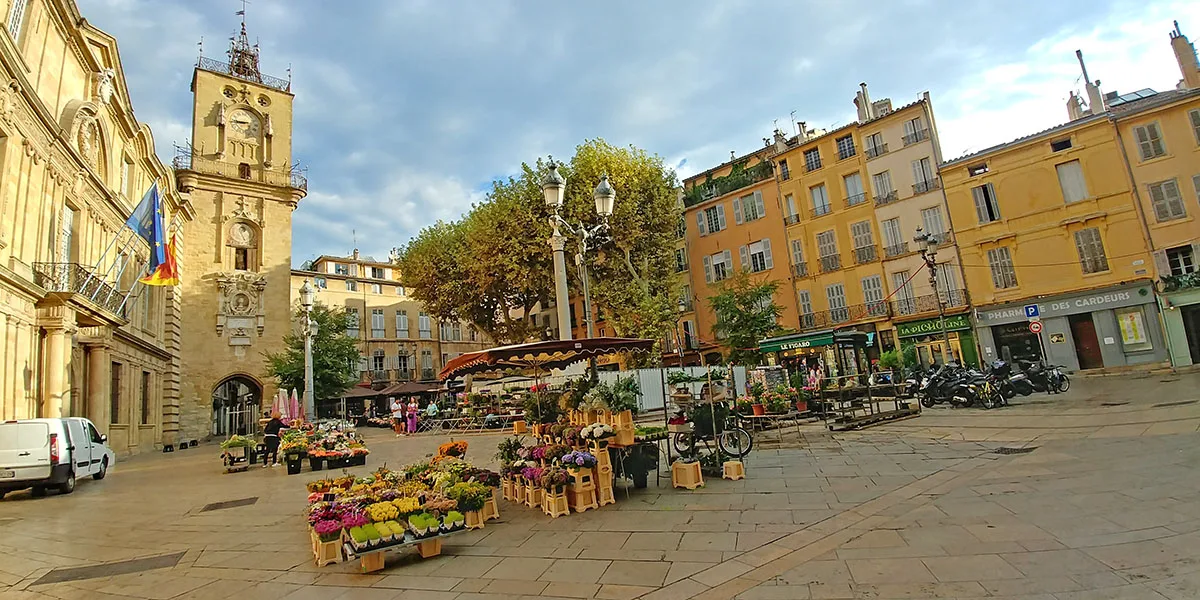
Aix-en-Provence Areas to Avoid: Encagnane and Jas-de-Bouffan
Ask locals which Aix-en-Provence areas to avoid and the same two names tend to come up: Encagnane and Jas-de-Bouffan. Both are large residential districts outside the historic center, built mostly as social housing (HLM) estates, and both account for most of whatever crime statistics the city generates — a pattern typical of small French cities, where petty crime concentrates in a few outlying quarters rather than spreading evenly across town. Neither district has a reason to appear on a sightseeing itinerary: there are no hotels, historic monuments, or restaurant strips, and the walk from the center is long enough that visitors rarely end up there by accident. Jas-de-Bouffan does carry genuine cultural weight — it's the site of the family estate that inspired several Cézanne paintings — but the artistic connection is a daytime draw, not a reason to wander the surrounding housing blocks after dark. The practical decision criteria are straightforward: lower street lighting, no tourist infrastructure, and distance from the sights that actually justify a trip to Aix-en-Provence.
Crime statistics concentrate in these peripheral estates—which lack hotels, restaurants, or sights tourists visit—while the realistic center-district risk is petty theft in crowded Cours Mirabeau and Place de la Rotonde, manageable with standard precautions.
- Encagnane: dense residential estate west of the center; no visitor infrastructure
- Jas-de-Bouffan: culturally significant for its Cézanne connection, but some social housing pockets feel uneasy after dark
- Why they make the avoid list: distance from sights, thin tourist infrastructure, dimmer lighting at night
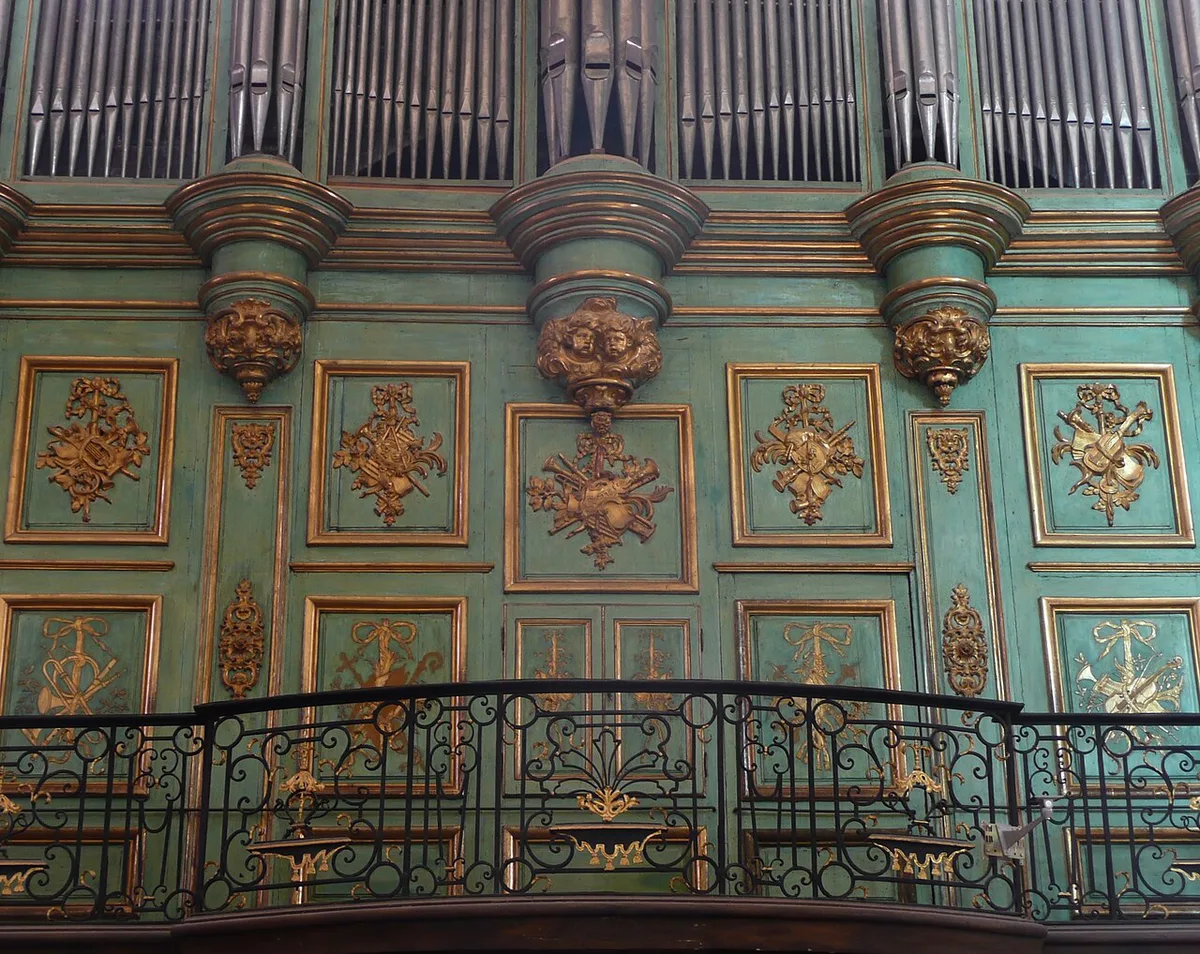
Safety in the Historic Center: Vieille Ville and Quartier Mazarin
The historic core — Vieille Ville north of Cours Mirabeau and Quartier Mazarin to the south — is where almost every visitor spends almost all of their time, and it is consistently the safest part of the city. The realistic risk here is not violent crime but pickpocketing, concentrated exactly where crowds are: Cours Mirabeau itself, Place de la Rotonde at the bottom of the avenue, and the daily produce markets that fill the old town's squares. Standard precautions apply — a bag zipped and worn in front, phones kept out of back pockets, extra awareness in market crowds — and most visitors report zero issues even after repeated trips through these areas. Quartier Mazarin in particular is quiet, residential, and upscale, with narrow streets that stay well used and well lit into the evening.
- Cours Mirabeau: main promenade, busiest and most watched by police presence
- Place de la Rotonde: fountain square at the foot of Cours Mirabeau, a pickpocket hotspot
- Daily produce markets: keep bags zipped and phones out of back pockets in the crowds
Nightlife Safety: Place des Cardeurs and Walking Home Late
Aix-en-Provence's main nightlife cluster is Place des Cardeurs and the surrounding lanes in the old town, packed with bars and terraces that stay lively well past midnight. The square itself is safe in the sense that violent incidents are rare, but it can get rowdy with intoxicated crowds late on weekend nights, which is a different kind of discomfort than actual danger. For a fuller breakdown of walking safely at night in the city, the short version is that Aix is unusually walkable after dark by French standards — well lit, compact, and with a visible police presence in the center. One local reviewer described finishing work at 2 a.m. and walking home without incident, which lines up with the broader pattern: occasional annoyance from drunk passersby, but rarely anything worse. The advice that holds regardless of gender or group size is to stick to the main lit routes between the center and your accommodation rather than cutting through quieter side streets.
Transport Safety: TGV Station, Centre-Ville Station, and Buses
Aix-en-Provence has two train stations, and the difference matters for safety planning. Gare d'Aix-en-Provence Centre-Ville sits inside the city and feels safe at almost any hour, though the walk from the station to the Gare Routière (bus station) can feel a little desolate late at night simply because the streets between them are quiet rather than because of any specific danger. Aix-en-Provence TGV, by contrast, is isolated about 15km outside the city center — arriving late at night here means either an official taxi from the marked rank or a pre-booked transfer, and skipping unlicensed drivers who sometimes approach arriving passengers outside the terminal. For getting around once you're in town, public transport safety on the Aix en Bus network is generally a non-issue: buses run through the day and evening on well-used routes, and the same commonsense rules apply as anywhere — keep bags close and stay aware during crowded rush-hour runs.
Tourist Scams to Watch For in Aix-en-Provence
Aix sees a lighter version of the scams that circulate in bigger French cities, and knowing the patterns is most of the defense. The petition scam — someone asking for a signature and then a donation, often with a distracting group approach — shows up occasionally around busy pedestrian areas, as it does across France. Near Place de la Rotonde, watch for the found ring or bracelet trick, where someone appears to pick up a piece of jewelry, then pressures a passerby into paying for it. Restaurants directly on Cours Mirabeau also lean toward tourist-priced fixed menus rather than outright scams; wandering two or three streets back into Vieille Ville generally turns up better value and more authentic food for a similar budget. For a fuller rundown of common tourist scams and how to sidestep them, the throughline is the same across all of them: a firm no and continued walking ends almost every approach.
Solo Female Travel Safety in Aix-en-Provence
Aix-en-Provence rates well among solo female travelers specifically, not just travelers generally. Travel Ladies, a solo female travel safety platform, gives the city an overall safety rating of 4.5 out of 5 and a women's safety index of 4.3 out of 5, both drawn from ten local women's reports, alongside a crime index of just 1 out of 5 from the same sample. Reviewers consistently describe the city as walkable, well lit, and easy to navigate solo — several note going out late with friends or walking home alone without issue, and credit a visible police presence in the center for part of that comfort. For destination-specific guidance on solo female travel safety, the same core precautions apply as elsewhere in France: stick to lit main streets after dark, keep drinks in sight at bars around Place des Cardeurs, and treat the peripheral estates covered above as low-priority for solo exploration since they add risk without adding anything to see.
Solo female travelers rate Aix-en-Provence 4.5 of 5 overall and 4.3 of 5 for women's safety (Travel Ladies, based on local reports), citing walkability, street lighting, and visible police presence—conditions that support the observed rarity of violent incidents despite occasional rowdiness at nightlife venues.
- Overall safety rating: 4.5 / 5 (Travel Ladies, based on local research and reports)
- Women's safety index: 4.3 / 5, based on 10 local women's reports
- Crime index: 1 / 5, based on the same 10 reports
Where to Stay for Peace of Mind: Neighborhood Comparison
Because the areas actually worth avoiding sit well outside where any visitor would plausibly book a hotel or rental, the more useful question for most trips is which central neighborhood fits your travel style. Quartier Mazarin is the quietest and most consistently comfortable choice, and a natural fit for families or anyone prioritizing calm over nightlife. Vieille Ville north of Cours Mirabeau is just as safe but louder, especially near Place des Cardeurs on weekend nights. The streets south of the center, beyond Mazarin, offer a residential, low-key alternative that's still an easy walk to the sights.
| Neighborhood | Best For | Trade-off |
|---|---|---|
| Quartier Mazarin | Families, quiet or upscale stays | Higher price point than the outskirts |
| Vieille Ville (north of Cours Mirabeau) | First-time visitors, easy nightlife access | Bar noise near Place des Cardeurs into the early hours |
| South of the center | Residential calm, easy walk to sights | Fewer restaurants within immediate walking distance |
| Encagnane / Jas-de-Bouffan | Not recommended for short tourist stays | No tourist infrastructure; visit the Cézanne estate by day only |
Practical Safety Tips and Emergency Numbers
A short list of practical habits covers most of what's needed for a safe trip to Aix-en-Provence. Save the French emergency numbers before arrival: 17 reaches police directly, and 112 is the general European emergency number that connects to police, fire, or medical services. A simple bonjour before asking a question or entering a shop goes further than it might seem — it signals basic courtesy in French social norms and tends to make locals more willing to help, which matters if you get turned around late at night. Aixois are generally protective of their city's reputation and quick to help a visibly lost tourist. For nighttime walking, default to main lit routes through the center — Cours Mirabeau, the main axes through Vieille Ville, and the direct path to Quartier Mazarin — rather than cutting through quieter residential streets to save a few minutes.
- Police: 17
- General emergency (EU-wide): 112
- Say bonjour first: standard courtesy that tends to smooth over any interaction
- Stick to main lit streets after dark rather than shortcuts through quiet residential blocks
Corsy: A Small Residential Area Visitors Can Skip
Corsy is another name that sometimes comes up in local conversations about Aix-en-Provence areas to avoid, but it matters less for tourists than Encagnane or Jas-de-Bouffan. It is a small, mainly residential quarter outside the sightseeing core, with little in the way of hotels, restaurants, museums, or evening foot traffic. That means most visitors will never need to pass through it unless they have a private address nearby or are using a very specific local bus route.
The practical advice is simple: do not choose Corsy as a base for a short stay, and avoid wandering there late at night just to save money on accommodation. It is not a place to fear, and it should not change the overall verdict that Aix is safe, but it offers none of the visitor advantages of Vieille Ville, Quartier Mazarin, Cours Mirabeau, or the streets around Place de la Rotonde.
For trip-planning details, see US State Department France travel advisory.
Frequently Asked Questions
Is Aix-en-Provence safe to visit in 2026?
Yes. Aix-en-Provence remains one of the more comfortable mid-sized cities in France for visitors, with the historic center and Quartier Mazarin safe to walk during the day and after dark. The main precautions are the same low-level ones that apply in any European city center: watch belongings around crowds and pickpocket hotspots like Cours Mirabeau and Place de la Rotonde.
What is the most dangerous area in Aix-en-Provence?
There's no part of Aix-en-Provence that visitors need to think of as dangerous in the way that phrase implies elsewhere. The areas that generate most of the city's crime statistics are peripheral residential estates — mainly Encagnane and parts of Jas-de-Bouffan — but neither has any sights, hotels, or restaurants that would put a tourist there in the first place.
Is Aix-en-Provence safer than Marseille?
For a typical visitor, yes, by a wide margin. Marseille is a much larger port city with specific districts that carry a reputation for organized crime, while Aix-en-Provence is a compact, affluent university town where the realistic risk for tourists is limited to petty theft in crowded spots rather than anything more serious.
Is it safe to walk around Aix-en-Provence at night?
Generally yes. The center is compact, well lit, and busy well past midnight around Place des Cardeurs, and reviewers on platforms like Travel Ladies regularly describe walking home alone late at night without issue. The main advice is to stick to main lit streets rather than side streets, and to treat the peripheral estates as low priority after dark since there's little reason to be there anyway.
Is the Aix-en-Provence TGV station safe?
The TGV station itself is safe, but it sits about 15km outside the city center, which is the bigger practical concern for late arrivals. Use the official taxi rank or a pre-booked transfer into town rather than accepting rides from unlicensed drivers who sometimes approach arriving passengers.


