Avignon Areas to Avoid: A Practical Safety Guide for Travelers
Last updated June 2026, this guide breaks down the real Avignon areas to avoid so you can spend your time inside the medieval walls, where nearly every attraction, café terrace, and recommended hotel sits within an easy walk. Provence's most-visited walled city is overwhelmingly manageable for tourists, and most of what trips up first-time visitors is logistical confusion - like which train station to book - rather than genuine danger in any one district. This guide separates real headaches, such as navigating between Avignon TGV and Avignon Centre, from outlying neighborhoods that are simply residential, quiet after dark, or without any visitor infrastructure.
Executive Summary: Is Avignon Safe for Tourists?
In our editorial assessment, Avignon is one of the more manageable mid-sized cities in Provence for tourists, especially within the ramparts that ring the historic center. Most safety concerns reported by travelers are opportunistic petty theft rather than violent crime, and they cluster around crowded tourist choke points rather than tying to any single neighborhood. For the fuller breakdown of what day-to-day safety looks like in Avignon - crime patterns, sensible precautions, and how the city compares with larger Provençal cities - see the overall safety breakdown before you plan your itinerary.
- Intra-Muros (within the walls): considered comfortable for typical tourist activity by day and evening.
- Extra-Muros residential districts (Monclar, Saint-Chamand, the far side of Champfleury): fine to live in, but hold no visitor draw and are better skipped than feared.
- Avignon TGV station area: not dangerous, just isolated and commercial - plan the transfer rather than lingering.
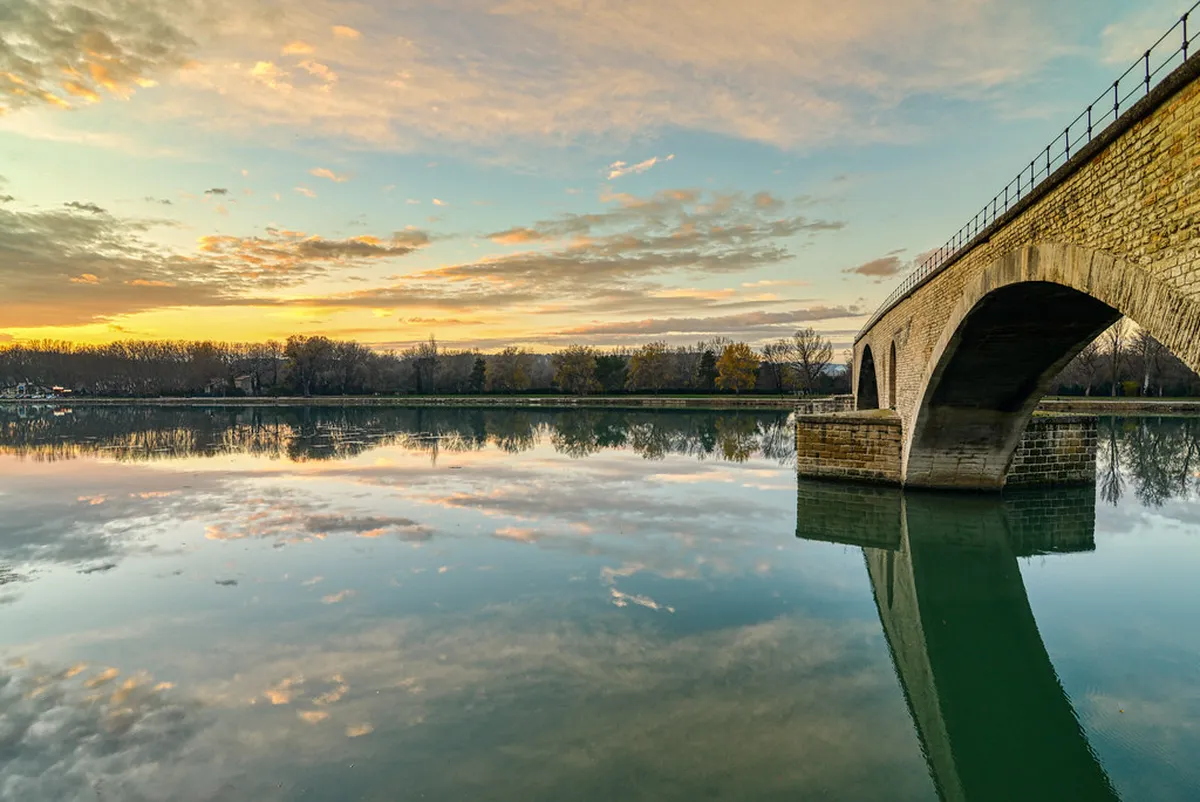
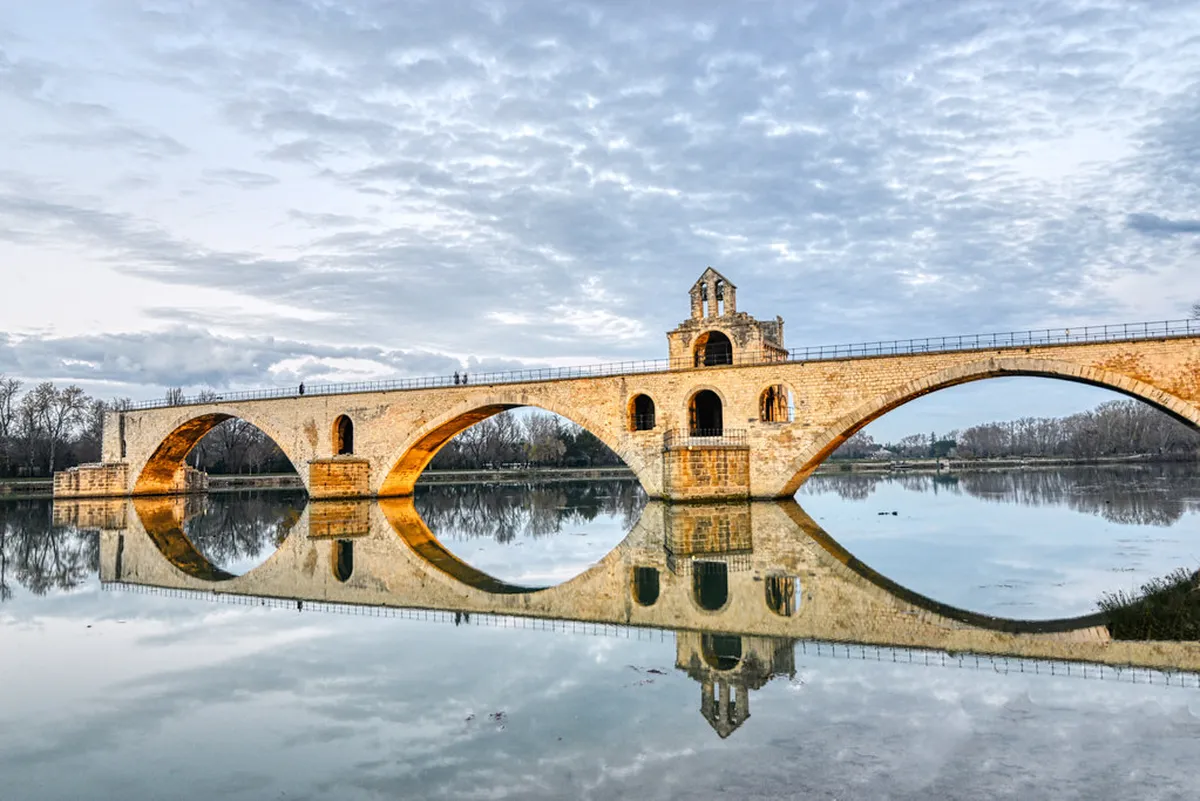
- Petty theft, not violent crime, is the main practical risk, concentrated at crowded landmarks like the Pont d'Avignon approach.
The Great Divide: Intra-Muros vs Extra-Muros
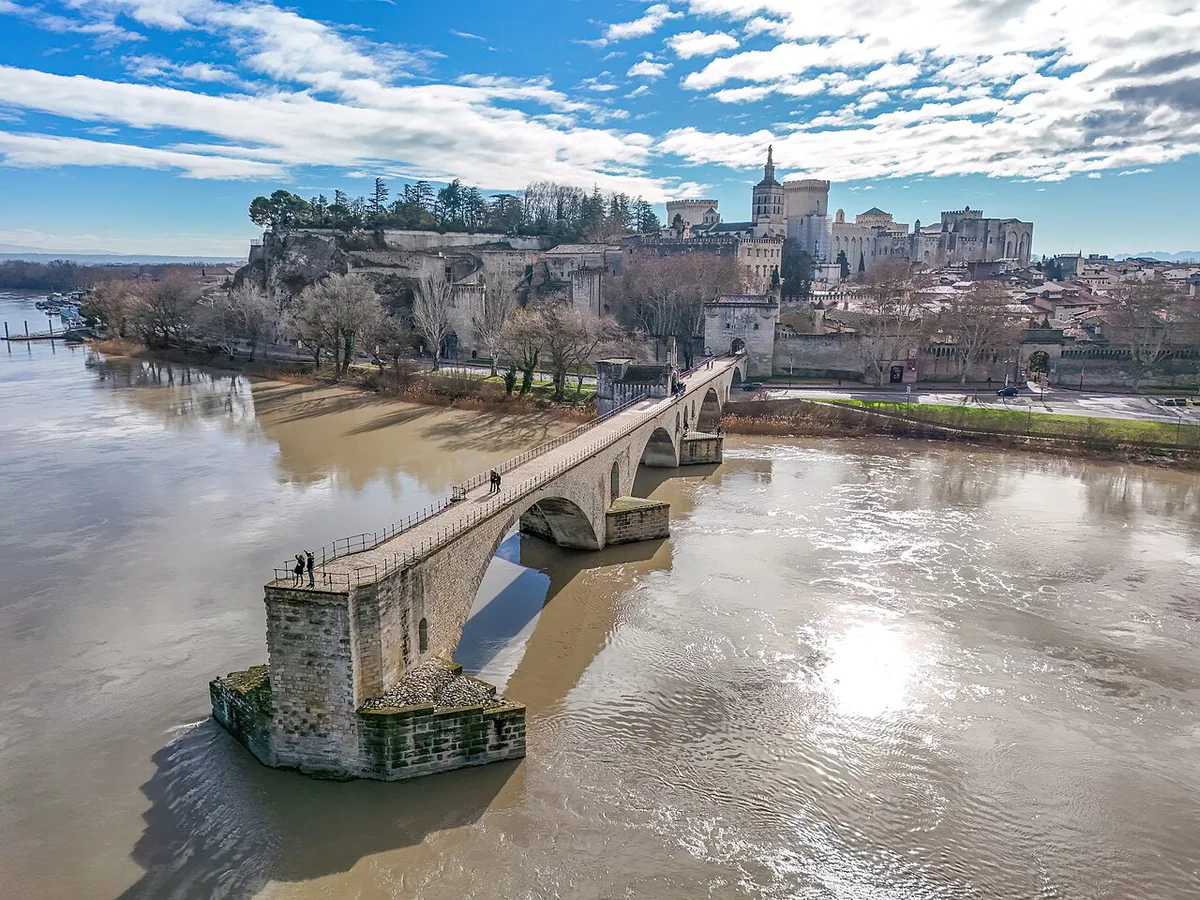
Avignon's ramparts aren't just scenic backdrop - they're the clearest safety and atmosphere boundary in the city. Inside the walls, known locally as Intra-Muros, Avignon works like a compact bullseye: the Palais des Papes, the Pont d'Avignon, Place de l'Horloge, and Rue de la République all sit within a walkable core that has stayed dense with life since the city hosted seven Popes between 1309 and 1377. Cross outside the ramparts into Extra-Muros territory, and the character shifts quickly, from lively pedestrian streets and restaurant terraces to ordinary French suburban and commercial sprawl with little reason for a visitor to detour there. Picture the walls as the center ring of that bullseye: the further out you go, the more residential and disconnected from tourist infrastructure an area becomes, though that distance describes low visitor interest, not menace.
Avignon Areas to Avoid: Neighborhoods Outside the Walls
The specific Avignon areas to avoid have less to do with crime than with wasted time - outlying residential zones that offer little to see and no tourist infrastructure to speak of. Monclar, to the west of the historic center, is a high-density residential district that plenty of Avignon residents call home, but it carries no attractions, restaurants, or hotels worth a special trip. The southern rocade estates - the far side of Champfleury and the Saint-Chamand district - are similarly ordinary residential neighborhoods, sometimes described in French urban planning terms as sensitive urban zones (ZUS), and they sit well outside any reasonable walking itinerary. None of these districts deserve a blanket "dangerous" label the way certain outskirts of larger French cities sometimes do; they're simply disconnected from anything a short Avignon trip is built around.
- Monclar - high-density residential district west of the walls; no visitor draw or tourist infrastructure.
- Saint-Chamand - southern rocade estate; residential only, with nothing on the sightseeing checklist.
- Far side of Champfleury - also residential, sometimes labeled a sensitive urban zone (ZUS); skip it rather than fear it.
- Rhône riverbank paths and Barthelasse island - pleasant for a daytime stroll, but foot traffic thins out noticeably once evening falls, so treat them as a daylight-hours destination.
Logistics Alert: Avignon TGV vs Avignon Centre
The single most common mistake first-time visitors make isn't wandering into a risky neighborhood - it's booking a ticket to the wrong station. Avignon TGV sits roughly six kilometers from the historic center, in a modern commercial and light-industrial zone that empties out once the business day ends; it isn't unsafe, just isolated and impractical to walk from with luggage. A short SNCF shuttle service connects Avignon TGV to Avignon Centre, dropping travelers inside the ramparts a few minutes' walk from the Palais des Papes, while a taxi rank outside the TGV station covers the same route faster but at a higher fare - a trade-off worth making late at night or with heavy bags. Whichever option you choose in 2026, confirm current shuttle timings and platform details through the shuttle and transit safety guide before you travel, since frequency can shift with the seasonal SNCF timetable. Booking directly to Avignon Centre station, which sits right against the ramparts, avoids the transfer question altogether.
Safety at Night: Walking the Walled City
After dark, Intra-Muros Avignon stays busy well past dinner, particularly around Place de l'Horloge and along Rue de la République, where restaurant terraces and steady foot traffic keep the main thoroughfares lively. The trade-off comes on the narrower medieval side streets that branch off that main axis - dimmer, quieter, and emptier once the evening crowds thin, which matters most for solo travelers gauging the vibe block by block rather than assuming the entire old town feels uniform after sunset. Sticking to the lit, populated streets radiating out from Place de l'Horloge is the simplest way to keep an evening feeling as easygoing as the daytime. For a fuller rundown of what changes once the sun goes down, see the nighttime safety guide, and solo female travelers should check the dedicated guidance on which streets to prioritize after dark.
The Festival Factor: How Safety Changes in July
The Festival d'Avignon transforms the walled city every July, packing Intra-Muros with crowds well beyond the already busy May-through-September peak season that draws visitors for the regional lavender bloom in June and July. That density doesn't raise the risk of violent crime - if anything, the Festival keeps streets active later into the night - but it sharply raises the odds of pickpocketing in ticket queues, at outdoor performances, and along a packed Rue de la République. Safety during the Festival is really a crowd-risk problem rather than a danger problem: check the official 2026 festival calendar before you travel, keep bags zipped and in front of you, and stay more deliberate about valuables in tightly packed evening crowds than you would during a quieter shoulder-season visit.
Petty theft, concentrated at crowded landmarks like the Pont d'Avignon, is the primary practical safety concern in Avignon. The Festival d'Avignon in July dramatically amplifies this risk by packing Intra-Muros well beyond peak season, raising pickpocketing odds in dense queues and crowds. Travelers planning July visits should keep valuables more carefully secured.
Practical Decision Criteria: Where to Stay for Maximum Safety
For most travelers, the simplest rule is to book a stay Intra-Muros, full stop - every major sight, from the Papal Palace to the Pont d'Avignon, sits inside or right against the ramparts, so a hotel within the walls removes the need to weigh any outlying district at all. Within the walls themselves, the choice comes down to energy level rather than safety: staying near Place de l'Horloge puts you steps from restaurants and nightlife but means more noise, while a quieter Intra-Muros side street still delivers the same rampart-enclosed security with a calmer night's sleep.
Accommodation choice is often framed as energy level and noise preference, yet evening street conditions significantly vary: Place de l'Horloge maintains lively, well-lit foot traffic well into the night, while quieter side streets empty and dim quickly. Travel comfort after sunset depends on this geography, not just daytime noise tolerance.
| Area | Atmosphere | Best For |
|---|---|---|
| Place de l'Horloge core | Lively cafes and restaurant terraces late into the evening | First-time visitors who want to walk to everything after dark |
| Quieter Intra-Muros side streets | Calmer and more residential, but still fully inside the ramparts | Travelers who want a quieter night without leaving the walled city |
| Extra-Muros districts (Monclar, Saint-Chamand, TGV zone) | Ordinary suburban or commercial character, minimal evening life | Not recommended for a short stay - no visitor infrastructure |
Common Scams and Mistakes to Avoid
Beyond neighborhood choice, most traveler complaints about Avignon trace back to petty theft rather than any specific district - pickpocketing near the crowded approach to the Pont d'Avignon and inside the queues at the Palais des Papes are among the most frequently reported issues. A related mistake is about expectations rather than safety: the Palais des Papes' interior lost most of its original furnishings and frescoes after the Avignon Papacy ended in 1377, so it's worth budgeting time for the exterior architecture and ramparts walk rather than expecting a Vatican-style interior. For the full rundown of ticket-line distraction tricks, petition scams, and overpriced river-view pitches near the bridge, see the tourist scams guide.
For trip-planning details, see US State Department France travel advisory.
Frequently Asked Questions
What areas should you avoid in Avignon?
The outlying residential districts west and south of the ramparts - Monclar, Saint-Chamand, and the far side of Champfleury - hold no visitor draw and are worth skipping simply because there's nothing there for tourists, not because they carry unusual danger. The Rhône riverbank paths and Barthelasse island are also better suited to a daytime stroll than an after-dark walk.
Is Avignon safe to visit in 2026?
Yes - in our editorial assessment, Avignon remains one of the more manageable mid-sized cities in Provence for tourists, with petty theft at crowded landmarks the main practical concern rather than violent crime. Staying Intra-Muros, particularly near Place de l'Horloge and Rue de la République, keeps you within the busiest and best-lit part of town.
Is the Avignon TGV station safe?
The TGV station itself isn't unsafe, but it sits roughly six kilometers from the historic center in a commercial and light-industrial zone that quiets down outside business hours. Most travelers connect onward via the short SNCF shuttle to Avignon Centre or a taxi rather than lingering near the TGV station.
Is Avignon safe at night for solo travelers?
The main routes through Intra-Muros, especially around Place de l'Horloge and Rue de la République, stay lively and well-lit late into the evening. The narrower medieval side streets branching off that main axis get quiet fast, so solo travelers should judge those block by block rather than assume the whole old town feels the same after dark.
Does the Festival d'Avignon in July change the safety picture?
The Festival raises crowd density across Intra-Muros well beyond the already busy peak season, which mainly increases the risk of pickpocketing in queues and packed streets rather than any violent crime. Keeping bags zipped and valuables secured in dense crowds matters more during the Festival than during a quieter shoulder-season visit.