Is Frankfurt Safe? Reputation vs. Reality for Travelers
Last updated June 2026, this guide tackles the question most visitors type into a search bar before booking a flight: is Frankfurt safe? Frankfurt consistently tops German crime-rate rankings, a statistic that unsettles first-time visitors, but that number is skewed by offenses logged at Frankfurt Airport and by a daytime commuter population that roughly doubles the city's resident count. Once you strip out those factors and look at the streets, transit lines, and hours that tourists actually use, Frankfurt behaves like most other major European hub cities: walkable, well-policed, and safe with a bit of local awareness.
The Verdict: Is Frankfurt Safe for Tourists?
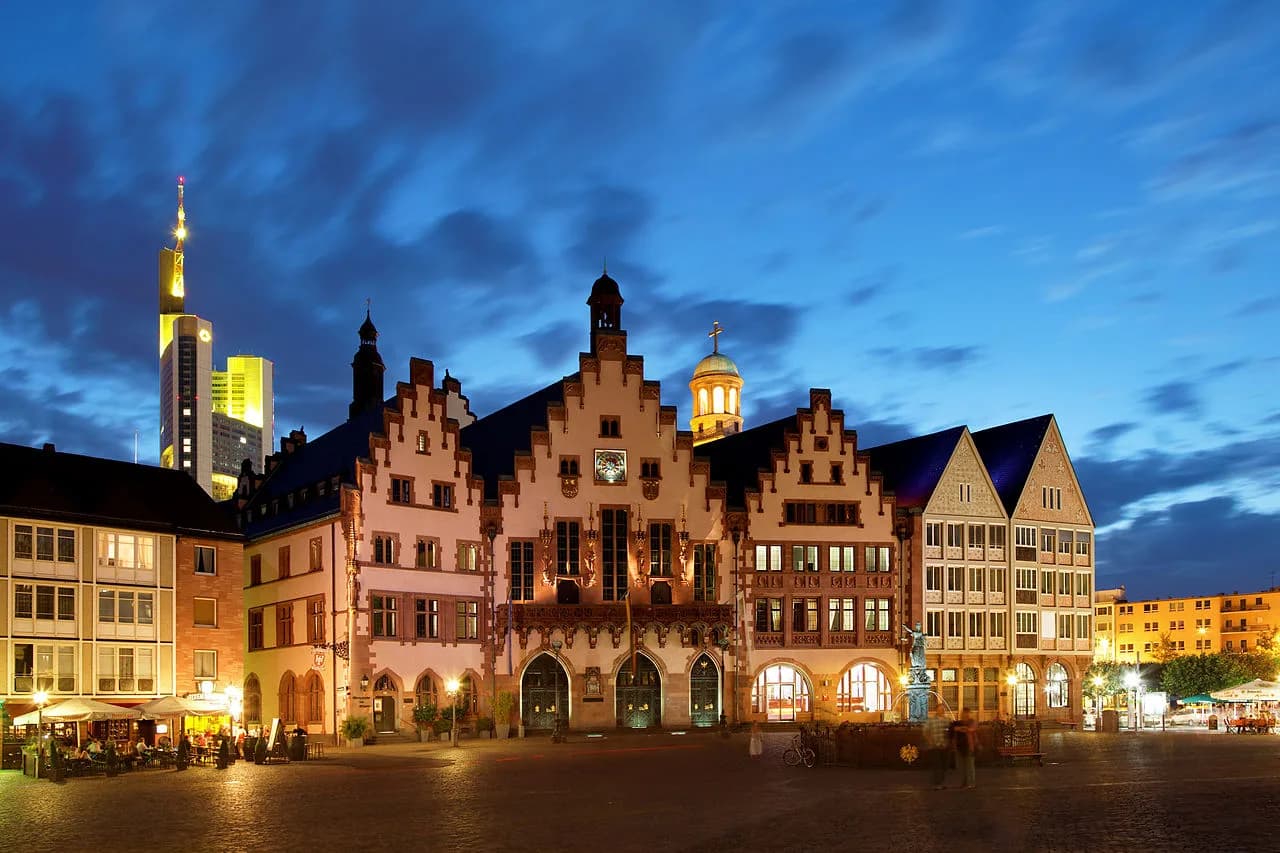
For the overwhelming majority of visitors, the short answer is yes. Frankfurt's compact downtown core, including the Bankenviertel skyline, the museum-lined Sachsenhausen riverbank, the Romerberg's old town square, and the pedestrian Zeil shopping street, sees heavy daily foot traffic from tourists, office workers, and shoppers, and violent crime against visitors in these areas is uncommon. During standard tourist hours, whether that means a morning at a museum, an afternoon walking the Altstadt, or an evening dinner reservation in Sachsenhausen, Frankfurt's downtown is easy to navigate on foot or via the U-Bahn without any elevated caution beyond what you would practice in any major city. The city's caution flag is narrow rather than citywide: the Bahnhofsviertel district immediately around the Hauptbahnhof, particularly once evening sets in, where an open drug scene and visible street-level dealing concentrate within a few blocks. Treat that specific radius the way you would treat a red light district in any large European city, fine to pass through with awareness, not a place to wander aimlessly late at night, and the rest of central Frankfurt reads as an ordinary, well-lit German downtown.
Frankfurt ranks highest in national crime statistics due to airport offenses and financial-sector crimes, yet violent street crime against visitors in downtown tourist zones remains uncommon. The high ranking reflects structural factors, not street-level visitor risk.
- Frankfurt ranks statistically high on national crime tables, but the figure folds in airport-specific and financial-sector offenses that have nothing to do with tourist street safety
- Violent street crime against visitors in the Bankenviertel, Sachsenhausen, Romerberg, and along the Zeil is rare
- The Bahnhofsviertel blocks immediately around the Hauptbahnhof are the one area that genuinely warrants extra caution, especially after dark
- Public transport, museums, and daytime sightseeing carry a similar risk profile to most large German cities
Reputation vs. Reality: Why Frankfurt Is Called Germany's Crime Capital
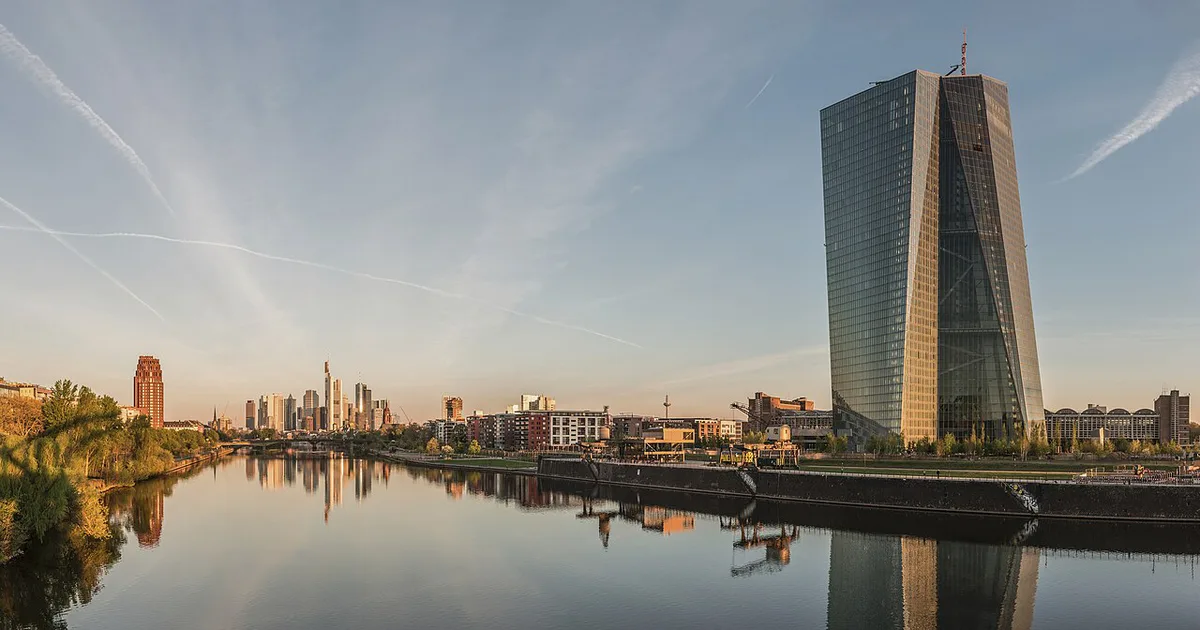
Frankfurt's reputation traces back to the Polizeiliche Kriminalstatistik, the federal police's annual crime accounting, which has repeatedly placed Frankfurt near the top of Germany's per-capita crime tables. Two structural quirks inflate that number. First, Frankfurt Airport falls inside the city's police jurisdiction, so passport fraud, smuggling, and other airport-specific offenses get counted as Frankfurt crimes even though they have nothing to do with the tourist experience downtown. Second, Frankfurt is Germany's financial capital, and the Bankenviertel's concentration of banking headquarters means white-collar and financial crime cases, fraud investigations, embezzlement, insider trading, pad the statistics without a single street-level incident involved. Layer on a workday population that swells with roughly double the number of commuters flowing in from the surrounding Rhein-Main region, and the city's ratio of reported crimes to registered residents looks worse than the lived experience most travelers report. This pattern has held across multiple recent reporting cycles, with airport and financial-crime categories consistently identified as the primary drivers of Frankfurt's ranking rather than street-level violence against pedestrians. For a full breakdown of what is actually driving those numbers, see Frankfurt's official crime data before assuming the headline ranking reflects personal risk on a typical visit.
Neighborhood Safety: Where to Walk and Where to Watch Out in Frankfurt
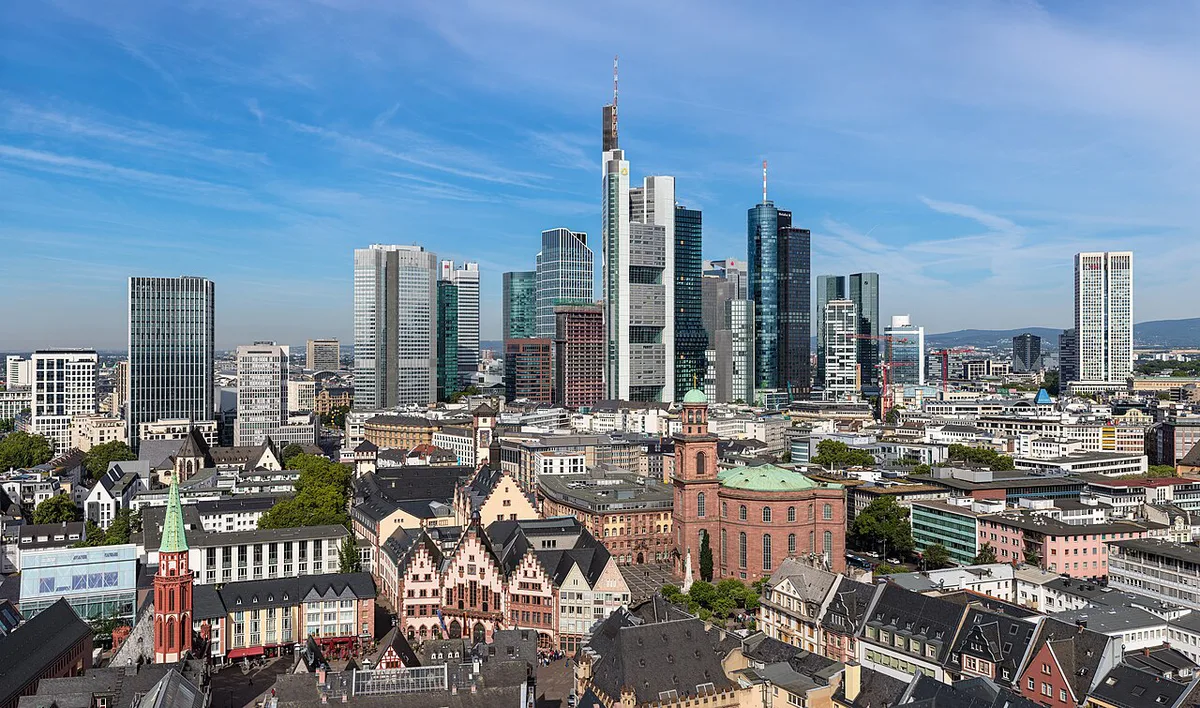
Frankfurt genuinely functions as two different cities depending on which direction you walk from the Hauptbahnhof. Head into the Bankenviertel and you find glass skyscrapers, corporate security presence, and a district that empties out but stays safe once offices close for the evening. Walk a couple of blocks the other way, toward the station's northern exits, and the Bahnhofsviertel's sex-work venues, drug dealing, and open-air drug use become visible by mid-afternoon and more pronounced after dark. That contrast is the single most important piece of orientation for a first-time visitor: the transition between the two happens within a couple of blocks rather than gradually. For a street-level list of what to skip, check neighborhoods to avoid at night; for where locals and repeat visitors actually choose to sleep, see safest areas to stay. Sachsenhausen, on the south bank of the Main with its apple-wine taverns and museum row, and Bornheim, a residential district with a village-like market square, both offer calmer evenings than the station area without sacrificing easy transit access back into downtown. Westend, the leafy district west of the Bankenviertel, offers a third option for travelers who want a quiet, low-crime base within walking distance of the trade fair grounds and the university-adjacent restaurant scene toward Bockenheim.
| Area | Vibe | Safety Profile | Price Tier | Best For |
|---|---|---|---|---|
| Bahnhofsviertel | Edgy, red-light nightlife near the Hauptbahnhof | Extra caution needed, especially after dark | Budget-friendly | Short stays prioritizing transit convenience |
| Sachsenhausen | Riverside, apple-wine taverns, museum row | Calmer, well-trafficked evenings | Mid-range | Balanced safety and nightlife access |
| Bornheim | Local, residential village feel | Quiet, family-friendly streets | Mid-range | Travelers wanting an authentic local pace |
| Westend | Leafy, upscale, embassy district | Very low tourist-crime friction | Premium | Travelers prioritizing quiet and safety |
Is Frankfurt Safe at Night?
After dark, Frankfurt's split personality becomes more pronounced rather than less. The Zeil and the surrounding downtown core stay lit and populated well into the evening thanks to restaurants, bars, and late shopping traffic, and walking between hotels, restaurants, and transit stops in the Altstadt, Bankenviertel, or Sachsenhausen is standard practice for both locals and visitors. The Bahnhofsviertel is the exception: its daytime foot traffic thins out and its nightlife scene, legal but visibly rougher around the edges, becomes the dominant character of the streets. Frankfurt also runs Frauen-Nacht-Taxi arrangements in parts of the region, a women's night-taxi scheme designed to get solo travelers from a train or tram stop to a front door without a long walk; ask at a hotel front desk whether a service is active in the district where you are staying. Weeknight foot traffic along the Zeil and around Romerberg tends to thin earlier than weekend crowds, so plan a slightly earlier return on Sunday through Wednesday nights if a street feels quieter than expected. For a fuller rundown of specific streets and after-dark routes, see nighttime safety breakdown.
Public Transport Safety: U-Bahn, S-Bahn, and the Hauptbahnhof
Frankfurt's U-Bahn and S-Bahn network, run under the regional RMV, Rhein-Main-Verkehrsverbund, umbrella, is the backbone of how most visitors move between the airport, downtown, and outlying neighborhoods, and it carries a similar general safety profile to transit in Berlin or Munich. The one location that deserves specific attention is the Hauptbahnhof itself: the station's main hall and platforms are patrolled by the Bundespolizei, the Federal Police whose jurisdiction covers national rail stations, but the immediate surrounding streets are where the Bahnhofsviertel's drug scene is most visible. Late at night, choose train cars and platform sections nearer the conductor or other passengers rather than an empty end-of-platform spot, and keep bags zipped and in view on crowded S-Bahn runs during rush hour. Ticket machines and RMV's official app are widely used and do not require carrying large amounts of cash, which removes one common opportunistic-theft trigger on crowded platforms. Daytime travel on any line, including the airport connection, does not require any special precaution beyond ordinary city-transit awareness. Full route-by-route detail is available at public transport safety tips.
Safety for Solo Female Travelers in Frankfurt
Solo female travelers generally report Frankfurt as manageable, with the same core guidance that applies across German cities: stick to lit, populated streets after dark, keep the Bahnhofsviertel to daytime visits or well-reviewed venues only, and use a taxi, rideshare, or the Frauen-Nacht-Taxi option rather than a long solo walk back from nightlife late at night. The Bankenviertel, Sachsenhausen, and Bornheim all see regular solo female foot traffic in the evening without particular incident, and hotel staff in these districts are accustomed to fielding safety questions from solo guests and can point to reliable walking routes. Booking a hotel in Sachsenhausen, Bornheim, or Westend rather than directly adjacent to the Hauptbahnhof removes the one meaningful geographic variable solo travelers ask about most. Aggressive panhandling and persistent street solicitation, concentrated mainly around the station, are the most common uncomfortable encounters reported, a nuisance rather than a physical threat in the overwhelming majority of cases, though declining firmly and continuing to walk remains the standard response. A dedicated breakdown of neighborhood-by-neighborhood and transit advice for solo travelers is available at solo female travel guide.
Bankenviertel and Bahnhofsviertel create opposite evening profiles despite sitting within blocks of each other: Bankenviertel's corporate security maintains safety despite thinning crowds, while Bahnhofsviertel's visible drug dealing becomes pronounced after dark. Solo travelers making deliberate routing choices at night benefit from understanding this sharp geographic division.
Common Tourist Scams and Petty Crime
Frankfurt's petty crime profile matches most major European transit hubs: pickpocketing on crowded S-Bahn cars, around the Hauptbahnhof concourse, and in the densest stretches of the Zeil during sale periods is the most commonly reported issue, not violent confrontation. Keep valuables in a front pocket or a zipped bag in these specific crowd-density spots and you address the majority of the real risk. The other pattern worth knowing before arrival is the difference between aggressive panhandling and actual danger: persistent requests for money, sometimes involving a staged distraction or a clipboard-and-petition approach, are common around the station and shopping streets, and are almost always resolved by a firm decline and continued walking rather than escalating into anything physical. None of these patterns are unique to Frankfurt; they mirror the petty-crime profile of major stations and shopping streets across Western Europe, but knowing to expect them removes most of the surprise factor. A full list of the specific scams reported in the city, with how to spot and avoid each one, is at common tourist scams guide.
Practical Logistics: What to Do in an Emergency
Germany's nationwide emergency numbers apply in Frankfurt exactly as elsewhere in the country: dial 110 for police and 112 for fire or medical emergencies, both free from any phone and staffed around the clock. The official frankfurt.de portal maintains the current list of non-emergency contacts and district police station addresses for situations that do not warrant a 110 call. English-speaking staff are common at police stations serving the airport and central tourist districts given Frankfurt's role as an international finance hub, though a translation app is worth having ready outside the Innenstadt core. If a phone, passport, or card goes missing, the nearest police station will file a report needed for insurance or replacement-document purposes, and consulates operating out of Frankfurt's Westend and Bankenviertel districts can assist with emergency travel documents for most nationalities. It is also worth registering emergency contact details with a travel insurance provider before departure, since document replacement and medical claims move faster with that paperwork already on file. Save the 2026 hotel address and a local emergency contact somewhere accessible offline before heading out for the day, since a dead phone battery is a far more common travel problem than any crime statistic covered here.
Safe Walking Routes From the Zeil After Dark
If you are out late around the Zeil, choose the broad, central streets rather than shortcutting through quieter side blocks. For the Altstadt and Romerberg, walk via Hauptwache, Liebfrauenberg, Neue Krame, and Paulsplatz, which keeps you on well-used pedestrian streets with restaurants, shops, and regular foot traffic. For the Main riverfront, continue from Romerberg toward Mainkai or the Eiserner Steg rather than wandering west toward the station area.
If your hotel is in Sachsenhausen, the simplest late route is usually public transport from Hauptwache or Konstablerwache to Schweizer Platz, Lokalbahnhof, or Sudbahnhof, then a short walk on the main streets. If you are staying near the Hauptbahnhof, use the S-Bahn or U-Bahn from Hauptwache, Konstablerwache, or Willy-Brandt-Platz and go directly to your hotel instead of making a long westbound walk through the Bahnhofsviertel. The goal is not to avoid downtown Frankfurt, but to avoid unnecessary detours through its quietest or roughest transition blocks after midnight.
For trip-planning details, see UK FCDO travel advice for Germany.
Explore is safe in other cities
Frequently Asked Questions
Is the area around Frankfurt's Central Station dangerous at night?
The immediate Bahnhofsviertel blocks around the Hauptbahnhof see an open drug scene and street-level dealing that becomes more visible after dark, so extra caution is warranted there specifically. The station's main hall and platforms themselves are patrolled by the Bundespolizei, and the surrounding downtown core beyond those few blocks does not carry the same risk profile.
Why does Frankfurt have a higher crime rate than Munich or Berlin?
Frankfurt's police jurisdiction includes Frankfurt Airport, so airport-specific offenses like smuggling and document fraud get counted in the city's totals, and its status as Germany's financial capital adds a heavy load of white-collar and fraud cases from the Bankenviertel. Combined with a daytime commuter population that roughly doubles the resident count used to calculate per-capita rates, the statistical comparison to Munich or Berlin overstates the everyday risk a visitor actually experiences.
Is it safe to walk through the Bahnhofsviertel red light district?
During the day, walking through on the way to or from the station is routine and low-risk. After dark, the district's character shifts toward its nightlife and drug-scene elements, and it is best treated the way any visitor would treat a red light district elsewhere in Europe, fine to pass through with awareness, not a place to linger alone late at night.
What should solo female travelers know before visiting Frankfurt?
Stick to lit, populated streets after dark, treat the Bahnhofsviertel as a daytime-only visit unless heading to a specific well-reviewed venue, and use a taxi, rideshare, or a local Frauen-Nacht-Taxi service rather than a long solo walk back from nightlife. Aggressive panhandling near the station is the most common uncomfortable encounter reported and is generally resolved with a firm decline.
Are taxis or the U-Bahn safer for late-night travel in Frankfurt?
Both are considered reasonable options on Frankfurt's main lines and central routes; the U-Bahn and S-Bahn, run under the RMV network, are well used late into the evening. For a longer or more isolated route, or for solo travelers who prefer not to wait alone on a platform, a taxi or rideshare door-to-door removes that variable entirely.
Stay Safe in Frankfurt
Every Frankfurt safety guide on one page — areas, scams, night rules, and getting around.
Frankfurt Safety Guides
- Frankfurt Areas to Avoid: Neighborhood Safety Guide for Travelers
- Is Frankfurt Safe at Night? Areas to Avoid & Safety Tips
- Frankfurt Tourist Scams: How to Spot and Avoid Them in 2026
- Is Frankfurt Safe for Solo Female Travellers? 2026 Safety Guide
- Frankfurt Public Transport Safety: A 2026 Traveler Guide
- Frankfurt Crime Rate: Is Germany's Financial Hub Safe in 2026?
- Safest Neighborhoods in Frankfurt: Where to Stay