Frankfurt Crime Rate: Statistics vs. Reality for Travelers
Last updated May 2026, headlines calling Frankfurt "Germany's most dangerous city" almost always point to one number: the Frankfurt crime rate as tallied in the Polizeiliche Kriminalstatistik (PKS), where the city has repeatedly ranked at or near the top of the national Städteranking for recorded offences per 100,000 residents. That statistic is real, but it is also skewed by two factors most headlines leave out — Frankfurt Airport's customs caseload and the concentrated, highly visible drug scene around the Hauptbahnhof — neither of which reflects what it actually feels like to walk through the Westend, the Nordend, or the banking district. This guide breaks down what the numbers actually count, which specific blocks warrant real caution, and how to plan a trip with the same practical awareness you'd bring to any major European transit hub.
Frankfurt Crime Rate: Why the Statistics Look Scary
Frankfurt am Main shows up near the top of Germany's PKS Städteranking almost every year, and that single data point fuels the "most dangerous city in Germany" narrative. The PKS, the annual crime report compiled by state police and consolidated nationally by the Federal Criminal Police Office (BKA), ranks large cities by recorded offences per 100,000 residents, and Frankfurt has repeatedly landed at or near the top of that list among Germany's biggest cities. Widely shared videos filmed around the Bahnhofsviertel, the district beside the Hauptbahnhof, have amplified the reputation further, racking up millions of views and reinforcing an image of a city overrun by disorder. The reality is more mundane: Frankfurt is a dense financial, trade-fair, and transit hub where a small number of concentrated hotspots skew a citywide statistic, rather than a city where crime is a constant, visible threat in the areas most travelers actually spend time. For the full neighborhood-by-neighborhood breakdown, see this complete Frankfurt safety overview.
Frankfurt's PKS ranking is inflated by airport customs violations and daytime visitors (commuters, business travelers) counted against a smaller resident base. Meanwhile, neighborhoods like Westend and Nordend draw families and expats because they sit outside the concentrated drug-scene footprint.
Understanding the Data: The Airport Effect and Customs Violations
Two structural quirks inflate the Frankfurt crime rate before a single mugging or theft is ever counted. First, Frankfurt Airport (FRA) — the busiest airport in Germany — sits within city limits, and every customs violation, contraband seizure, and smuggling case processed there is logged as a Frankfurt offence, even though the people involved are passing through rather than living in or targeting the city itself. Second, the PKS divides recorded offences by registered resident population, but Frankfurt's daytime population swells well beyond that figure with commuters, business travelers, and trade-fair visitors drawn by the city's role as Germany's banking and Messe capital. That combination — a large transient population plus a major international airport, both counted against a comparatively small resident base — pushes the per-100,000 figure upward without a proportional rise in actual risk to residents or tourists.
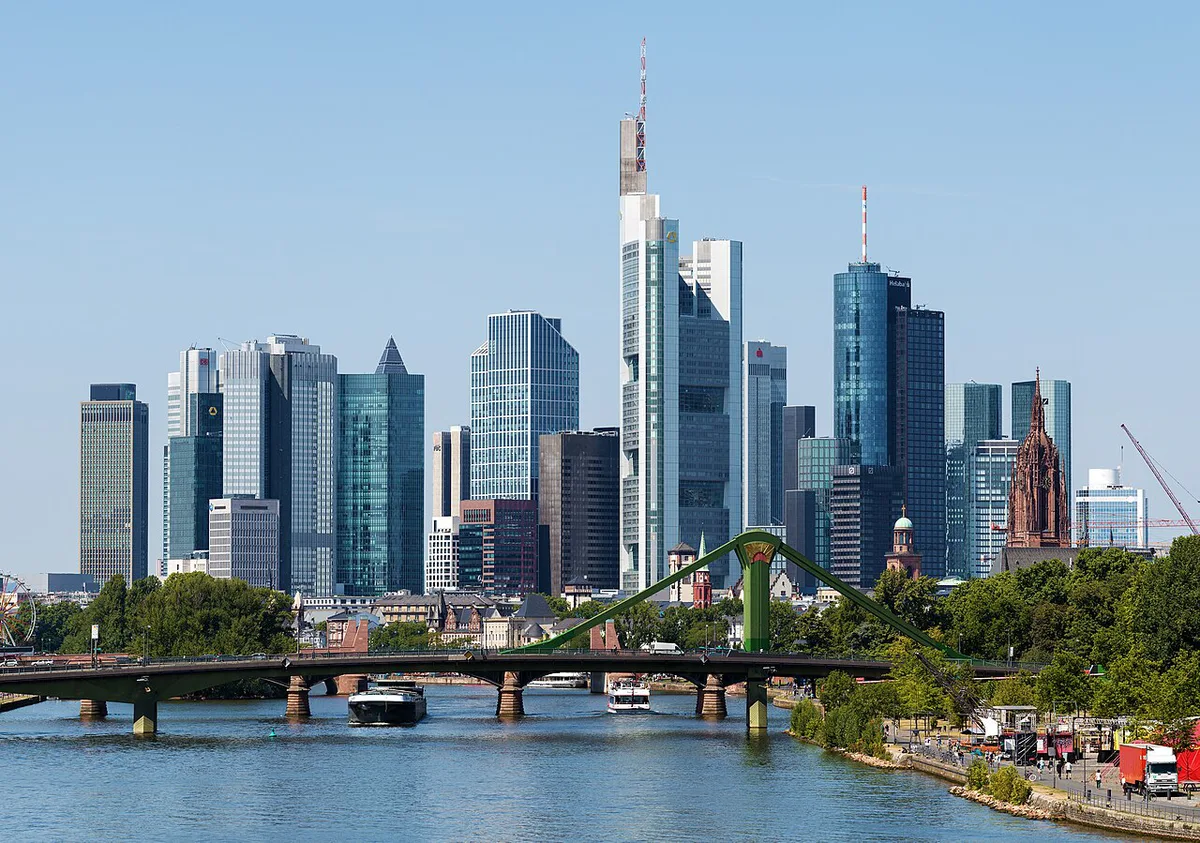
The Bahnhofsviertel: Navigating Frankfurt's Notorious District
The Bahnhofsviertel, wedged between the Hauptbahnhof and the city's banking towers, has functioned as Frankfurt's red-light and drug district for decades. Criminologist Susanne Karstedt has noted that the area's long history as a red-light zone "attracts violence" and "attracts also drug crime." Open drug use, visible homelessness, and an active street-level drug trade concentrate in specific blocks — most visibly around Kaiserstraße and Taunusstraße — rather than spreading evenly across the district, which also holds legitimate hotels, restaurants, and a growing multicultural food scene. Accommodation marketed as "near the Hauptbahnhof" often sits directly inside this zone, which is why the real trade-off is convenience — walking distance to trains and airport transfers — against proximity to an open drug scene, not any elevated risk of targeted violent crime against tourists. By day the district functions largely as a functioning commercial and red-light area; after dark, the drug-scene presence becomes far more visible, which is the practical reason to choose routes and lodging deliberately rather than assume every block behaves the same way.
Violent Crime vs. Petty Theft: What Actually Affects Travelers
Violent crime is not what drives Frankfurt's reputation problem, and the data backs that up: Germany recorded 0.91 intentional homicides per 100,000 people in 2024, placing the country 147th worldwide — nowhere close to the double-digit rates seen in countries like South Africa or Ecuador. Criminologists also point out that most violence, including sexual assault, happens between people who already know each other rather than involving strangers attacking tourists at random. What actually affects visitors day to day is petty and opportunistic crime: pickpocketing on crowded U-Bahn cars, phone and bag snatching around the Hauptbahnhof concourse, and distraction scams aimed at people who look like out-of-towners. None of this shows up distinctly in the headline PKS ranking, but it is the category worth building habits around — keep valuables zipped away, stay alert in crowds, and treat station platforms the way you would in any major European city.
Safe Neighborhoods vs. Areas to Avoid
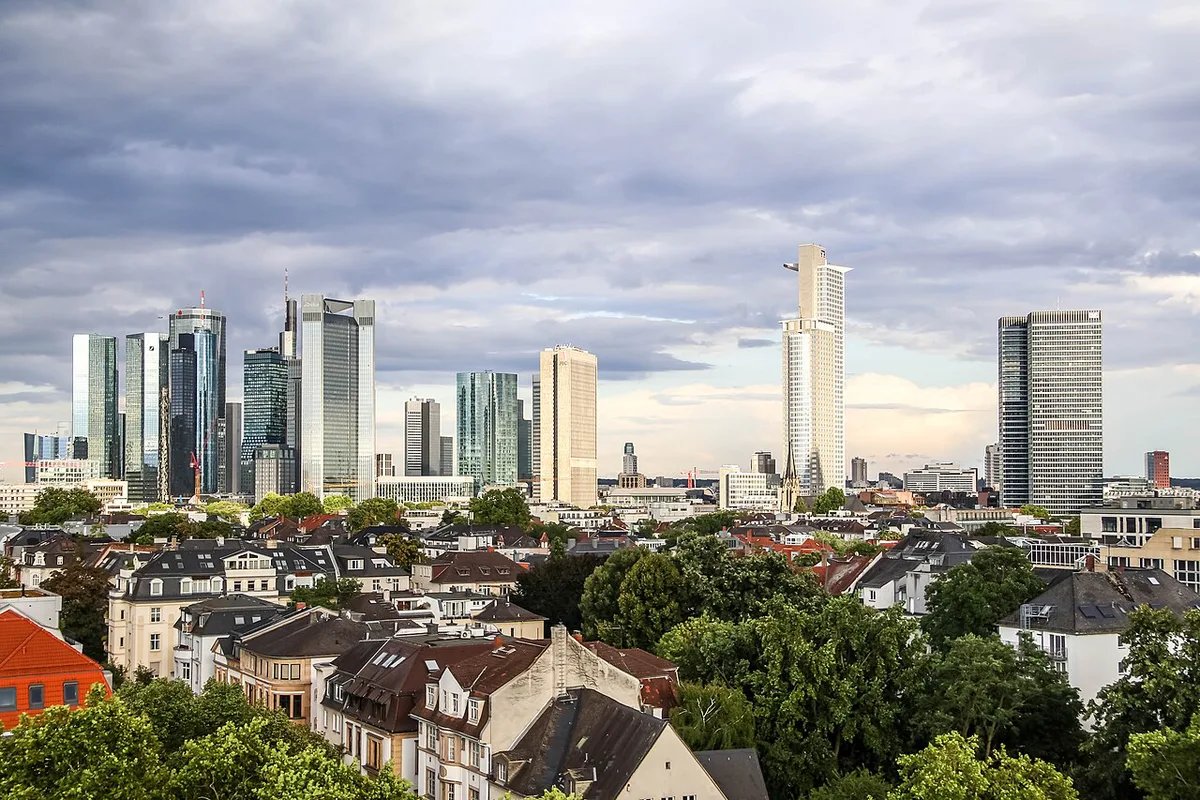
Frankfurt's safety profile changes block by block, and the most useful mental map separates the Bahnhofsviertel's core blocks from almost everywhere else. Neighborhoods like the Westend, with its embassy-lined streets and university buildings, and the Nordend, a residential district of pre-war apartment blocks and cafes, are consistently calm and popular with families and long-stay expats precisely because they sit outside the concentrated drug-scene footprint. For a full district-by-district rundown of where to base a stay, see this guide to the Safest Neighborhoods in Frankfurt: Where to Stay. On the other side of that map, the specific blocks worth planning around — rather than the entire city — are detailed in this breakdown of areas to avoid in Frankfurt, which goes street by street instead of painting the whole Innenstadt with one brush.
Public Transport Safety: The Hauptbahnhof and U-Bahn After Dark
Frankfurt Hauptbahnhof is one of the busiest rail stations in Germany, and it sits directly against the Bahnhofsviertel, which means the station concourse and surrounding streets carry both the heaviest police presence and the most visible drug-scene activity in the city after dark. The U-Bahn and S-Bahn networks that run through and beneath the station continue operating into the night, and platforms are generally well-lit and monitored, but the walk between station exits and nearby hotels is where most travelers' discomfort actually comes from. Longer-term guidance on riding the network safely, including which lines and hours warrant extra awareness, is covered in this Frankfurt public transport safety guide, while broader advice on moving around the city after dark — nightlife districts, taxi versus transit, and late arrivals from the airport — is in this guide to Frankfurt safety after dark.
Frankfurt vs. Other Cities: Homicide Rate in Global Context
Numbers mean little without context, and the most useful comparison for international travelers is the homicide rate, which criminologists treat as the most reliable cross-country measure because it is reported far more consistently than lesser offences. Germany's national rate of 0.91 per 100,000 (2024) sits far below the United States' 5.76 and nowhere near the 40-plus rates recorded in countries like South Africa or Ecuador — and Frankfurt, despite topping the PKS Städteranking for overall recorded offences, does not carry a comparably elevated violent-crime profile. Within Germany, Frankfurt is grouped with Berlin and Bremen as large cities where police record the most offences per capita, a pattern criminologists attribute to population density and social inequality rather than any Frankfurt-specific danger. Two decades of data also show the trend line moving the right direction: Germany's homicide rate has fallen from roughly 2.5 per 100,000 in 2004 to 0.91 in 2024.
Germany's homicide rate of 0.91 per 100,000 (2024) sits far below global averages, and violent crime typically involves people who know each other. Travelers' realistic concern is petty crime—pickpocketing on U-Bahn and phone snatching—not random violent attacks.
| Location | Context | Homicide rate (per 100,000) |
|---|---|---|
| Germany | National average, 2024 — includes Frankfurt, Berlin, and Bremen | 0.91 |
| United States | National average, cited for global comparison | 5.76 |
| South Africa / Ecuador | Among the highest homicide rates worldwide | 40+ |
| Germany | National average, 2004, for two-decade trend context | 2.5 |
Practical Safety Checklist for First-Time Visitors
Frankfurt's crime rate looks alarming in isolation, but a short list of habits neutralizes almost everything that realistically affects visitors. None of it requires special precautions beyond the awareness you'd already bring to Paris, London, or New York — the Frankfurt crime rate reflects statistical concentration and reporting quirks far more than a citywide danger to travelers.
- Base yourself in the Westend, Nordend, or another area away from the Bahnhofsviertel's core blocks if you'd rather avoid the open drug scene entirely.
- Keep bags zipped and phones out of back pockets on crowded U-Bahn cars and around the Hauptbahnhof concourse, where opportunistic theft is the most realistic risk.
- Learn the most common Frankfurt tourist scams before arriving, since distraction and overcharging schemes target visitors far more often than violent crime does.
- Solo travelers, and especially solo women, should review this dedicated guide to solo female travel safety tips for neighborhood- and transport-specific advice.
- Treat the Bahnhofsviertel like any dense urban district after dark: stick to well-lit main streets, keep valuables secured, and avoid engaging with street-level drug activity.
Should You Stay Near Frankfurt Hauptbahnhof?
Booking “near Frankfurt Hauptbahnhof” can mean very different things. Hotels on or just off Kaiserstraße put you closest to rail platforms, airport S-Bahn connections, and the banking district, but also closest to the Bahnhofsviertel’s open drug scene, especially around Taunusstraße, Moselstraße, and Niddastraße after dark. That location can work well for business travelers with early trains, short layovers, or one-night stays, provided they choose a well-reviewed hotel on a main street and use taxis or direct S-Bahn routes late at night.
Families, nervous first-time visitors, and many solo travelers will usually be more comfortable sleeping in the Westend, Nordend, Sachsenhausen, or near Hauptwache and taking transit to the station when needed. The practical question is not whether the station area is unusable; it is whether saving transfer time is worth seeing visible drug use, police activity, and late-night street disorder outside the hotel entrance.
Frequently Asked Questions
Is Frankfurt really the most dangerous city in Germany?
Frankfurt has repeatedly ranked at or near the top of the PKS Städteranking for recorded offences per 100,000 residents, which is where the claim comes from. But that ranking counts every offence within city limits, including customs violations at Frankfurt Airport, and does not mean the city carries an elevated violent-crime risk for typical visitors.
Why does the Frankfurt crime rate look so high on paper?
Two factors inflate it: Frankfurt Airport, the busiest in Germany, sits inside city limits and every customs case there counts as a Frankfurt offence, and the PKS divides offences by registered residents even though the daytime population swells with commuters and business travelers drawn by the banking and trade-fair sectors.
Is the Bahnhofsviertel safe to walk through?
During the day, the Bahnhofsviertel functions largely as a commercial and red-light district with restaurants and hotels. After dark, the open drug scene around blocks like Kaiserstraße becomes more visible, so most travelers prefer to stay alert, stick to well-lit main streets, or choose accommodation outside the district's core.
What crime should travelers actually worry about in Frankfurt?
Petty and opportunistic crime — pickpocketing on the U-Bahn, phone or bag snatching around the Hauptbahnhof, and distraction scams — is the realistic concern for visitors, far more than violent crime, which Germany's low national homicide rate of 0.91 per 100,000 in 2024 puts in perspective.
Which Frankfurt neighborhoods are the safest for tourists?
The Westend and Nordend are consistently calm, residential, and popular with long-stay expats, sitting well outside the Bahnhofsviertel's concentrated drug-scene footprint. A full district-by-district comparison is available in the dedicated guide to Frankfurt's safest neighborhoods linked above.