Is Turin Safe? What Travelers Need to Know Before Visiting
Last updated March 2026, and the short answer to is Turin safe is yes for the overwhelming majority of visitors, provided you treat it with the same everyday street sense you would apply in any mid-size European city. Turin is a genteel, arcaded, distinctly under-touristed northern Italian city where violent crime against travelers is rare and the realistic risk profile narrows to pickpocketing and bag-snatching, concentrated around a small number of predictable pressure points rather than spread evenly across the city. This guide breaks down which neighborhoods to base yourself in, which pockets deserve extra caution after dark, and how to navigate trains, trams, and busy piazzas without becoming a target of opportunity.
Quick Answer: Is Turin Safe in 2026?
For 2026 travel planning, Turin sits comfortably among Italy's calmer major cities for visitors. The honest framing is that Turin is safe in the way most well-run northern Italian cities are safe: police presence is visible in the center, streets are well-lit under the city's famous porticoes, and the crime that does affect tourists is overwhelmingly opportunistic theft rather than confrontation. Compared with the reputations of Milan or Rome, Turin tends to feel calmer and less crowded, which cuts down on the chaotic, distraction-heavy conditions pickpockets rely on in busier hubs. Where Turin trips up first-time visitors is the vibe-versus-reality gap: several neighborhoods carry a post-industrial, slightly weathered look from the city's manufacturing past, and travelers scanning street-level photos or forums sometimes read that grit as danger when the actual incident risk there is low to moderate rather than severe. The practical takeaway is to keep valuables zipped and out of back pockets in crowded, tourist-heavy spots, and not to let an area's aesthetic alone dictate your itinerary.
Safest Neighborhoods to Stay In
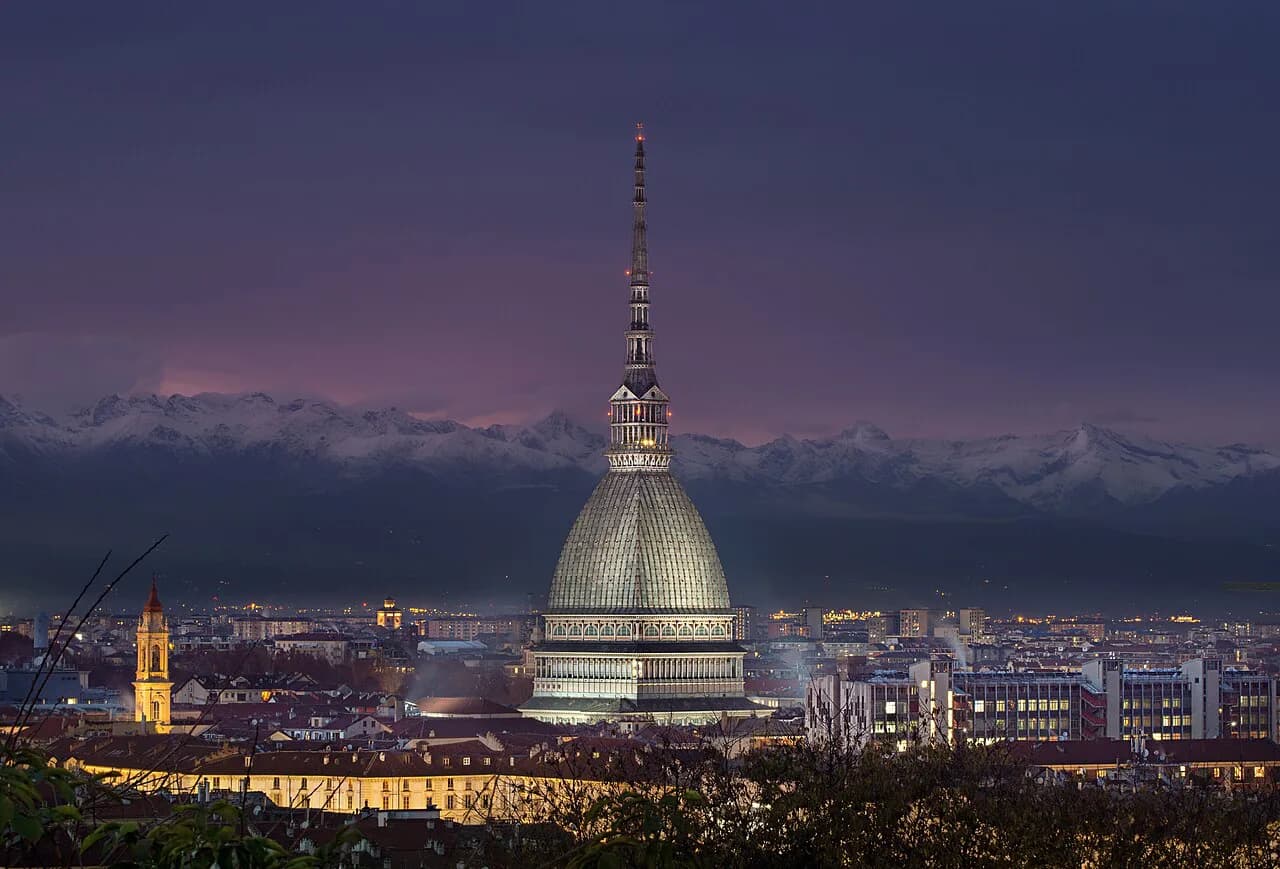
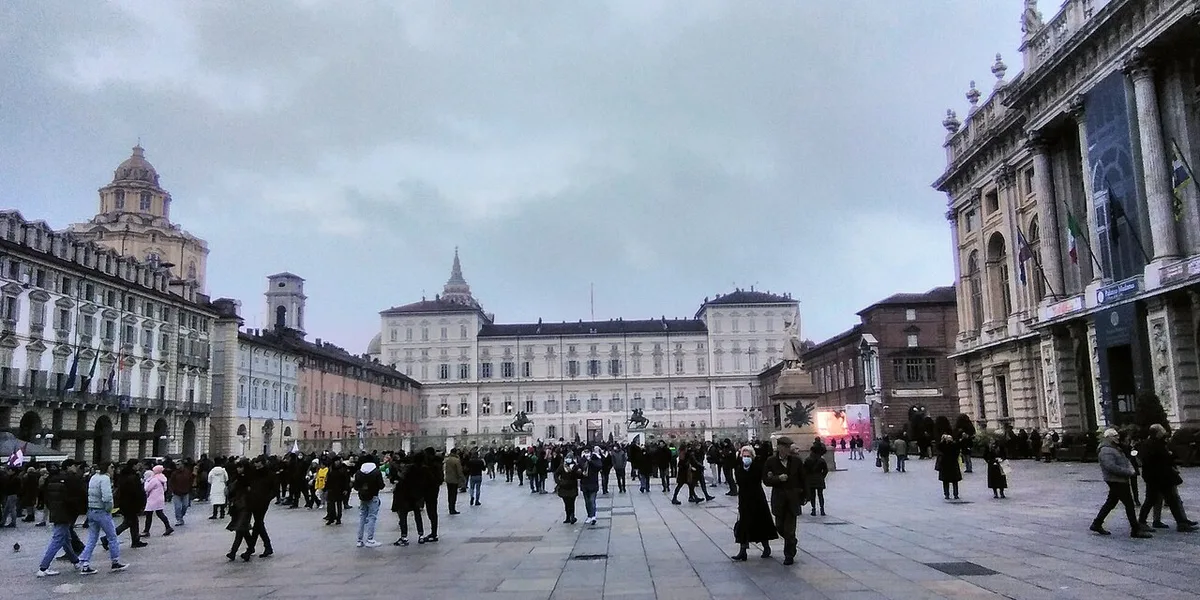
For a first visit, base yourself in Centro, Crocetta, or Cit Turin. These three areas share the traits that matter most for a stress-free stay: consistent street lighting under the porticoed sidewalks, steady foot traffic well into the evening, proximity to central police stations, and easy tram and walking access to the Mole Antonelliana, Piazza Castello, and the main shopping streets. Centro is the obvious pick for anyone prioritizing walkability to major sights, while Crocetta and Cit Turin offer a quieter, more residential pace that still keeps you a short tram ride from the center. If you are weighing specific streets and blocks in more granular detail, including which pockets to sidestep even within generally safe districts, the dedicated guide to Turin areas to avoid breaks it down street by street.
- Centro — best for walkability to the Mole Antonelliana and Piazza Castello
- Crocetta — quiet, residential, well-connected by tram
- Cit Turin — calm streets with easy access to Porta Susa station
Areas to Exercise Caution (Turin Areas to Avoid)
A handful of districts warrant more situational awareness, particularly Barriera di Milano, Aurora, and specific stretches of San Salvario after dark. These neighborhoods carry visible marks of Turin's industrial history — former factory buildings, denser housing blocks, and less polished storefronts — which can read as unsettling in photos even where daytime activity is perfectly ordinary. Barriera di Milano and Aurora are worth visiting for their markets and growing street-art scene during the day, but both see reduced foot traffic and dimmer lighting once shops close, which is when petty theft and general unease tick upward. San Salvario is a genuine split case: by day it is a relaxed, multicultural neighborhood full of cafes, and by night its nightlife strip draws large crowds where pickpocketing risk rises with the density of the crowd. For a full street-level breakdown of which blocks shift character after sunset, see the dedicated Turin areas to avoid guide.
Neighborhoods like Barriera di Milano and Aurora display post-industrial weathering that reads as dangerous in photos, but carry low-to-moderate daytime risk. Actual theft clusters at predictable transit hubs—visual grit doesn't indicate where crime concentrates.
| Area | Daytime | After Dark |
|---|---|---|
| Barriera di Milano | Safe for markets and street art | Reduced lighting, exercise caution |
| Aurora | Generally fine for walking | Quieter streets, stay alert |
| San Salvario | Relaxed, cafe-friendly | Busy nightlife strip, watch for pickpockets in crowds |
Safety for Solo Female Travelers
Solo female travelers generally report feeling comfortable navigating Turin's central districts, especially given the wide, well-lit porticoed sidewalks that run through much of the city center and reduce the isolated, poorly-lit stretches that tend to raise concern elsewhere. Standard precautions still apply: stick to Centro, Crocetta, and Cit Turin for evening walks, let a hotel or host know your plans if you are heading out late, and use licensed taxis or ride-hailing rather than wandering unfamiliar streets alone after the last tram. For a deeper dive into neighborhood-specific advice, social norms, and practical routines built specifically around solo travel, the Turin solo female travel safety guide covers the topic in full.
Nightlife and Nighttime Safety
Turin's two main nightlife hubs, Quadrilatero Romano and San Salvario, offer different flavors of evening out and slightly different safety considerations. Quadrilatero Romano, with its narrow medieval-era streets and dense concentration of bars, tends to feel more contained and easier to navigate on foot back to central accommodation. San Salvario's nightlife strip draws larger, louder crowds, and that density is exactly where opportunistic theft is most likely, so keep bags zipped and in front of you rather than slung over one shoulder. Once the GTT metro closes for the night, plan your route home in advance: licensed taxis and ride-hailing apps are the more reliable option over walking long distances through unfamiliar side streets. A full breakdown of nighttime-specific risk, timing, and neighborhood comparisons is available in the is Turin safe at night guide.
Public Transport & Tourist Scams
GTT (Gruppo Torinese Trasporti) runs Turin's buses, trams, and metro, and the system itself is reliable and well-used by locals, but crowded trams and buses during peak hours are a known pickpocketing risk, same as in most European transit systems. Keep bags on your lap or held in front of you rather than on your back when boarding a full tram. The two locations that deserve the most attention are Porta Nuova and Porta Susa train stations, Turin's main rail hubs and the first point of contact for most travelers arriving by train — both stations see the city's highest concentration of tourist-focused scams and petty theft, precisely because of the constant churn of distracted, luggage-laden arrivals. Keep your bag on your lap at the outdoor cafes in Piazza Castello rather than hooked over a chair back, and treat unsolicited offers of help with luggage at either station with polite skepticism. For a full rundown of scam patterns to recognize at the stations and beyond, see the Turin tourist scams guide, and for a broader look at navigating GTT safely, see the Turin public transport safety guide.
- GTT operates Turin's buses, trams, and metro network
- Porta Nuova and Porta Susa are the top spots for tourist-targeted scams and pickpocketing
- Keep bags zipped and on your lap on crowded trams and at outdoor cafes
Practical Logistics & Emergency Contacts
For any emergency in Turin, dial 112, Italy's unified emergency number, which routes to police, medical, and fire services. The Questura di Torino (state police headquarters) handles reports for theft and other incidents, and central hospitals and Carabinieri stations are distributed through the Centro and Crocetta areas convenient to most visitor accommodation. If you are staying in one of Turin's characteristic Liberty-style apartment buildings rather than a modern hotel, take a moment to confirm the entry buzzer and street-level door lock securely behind you, since older buildings sometimes have less robust building-level security than purpose-built hotels. Comparing transport options by time of day is a useful safety habit: daytime walking and tram travel are straightforward across the safest neighborhoods, while after the metro closes, a licensed taxi or ride-hailing app such as FreeNow is the more secure choice over walking unfamiliar routes.
Peak-hour crowded trams pose the same pickpocketing risk as other European transit systems. After metro closure, switch from walking to licensed taxis or ride-hailing to avoid unfamiliar routes at night—a time-based transport strategy beats rigid neighborhood avoidance.
- Emergency number: 112 (police, medical, fire)
- Questura di Torino: state police headquarters for incident reports
- Daytime: walk or tram; late night: licensed taxi or FreeNow over walking
Safety for Students and Long-Stay Visitors
If you are coming for Politecnico di Torino or the University of Turin, safety planning is less about dangerous neighborhoods and more about choosing a practical base and avoiding rental friction. Crocetta is convenient for Politecnico students, with calmer residential streets and easy tram access, while Vanchiglia, Centro, and the area around Via Verdi and Palazzo Nuovo suit University of Turin students who want to walk to classes and libraries. San Salvario can be convenient and lively, but check the exact street: blocks closer to Porta Nuova and the busiest bar streets feel very different late at night from quieter residential corners.
For longer stays, confirm that an apartment has a secure building entrance, working intercom, and well-lit route to the nearest tram or metro stop. Be cautious with listings that pressure you to pay deposits before an in-person viewing or verified contract, especially in student-heavy districts before the semester starts.
For trip-planning details, see UK FCDO travel advice for Italy.
Explore is safe in other cities
Frequently Asked Questions
Is Turin safe for tourists in 2026?
Yes, Turin is considered one of the calmer major Italian cities for tourists in 2026. The primary risk is opportunistic pickpocketing in crowded spots like train stations and busy piazzas rather than violent crime, so standard urban precautions are sufficient for most visitors.
Is San Salvario safe?
San Salvario is safe and pleasant during the day, with a relaxed, cafe-heavy atmosphere. At night its nightlife strip draws large, dense crowds, which raises the risk of pickpocketing, so keep bags secured and stay aware of your surroundings if you're out late in the area.
What areas should travelers avoid in Turin?
Barriera di Milano and Aurora are generally fine to visit during the day for markets and street art, but both see reduced lighting and foot traffic after dark. For a full street-by-street breakdown, see the dedicated Turin areas to avoid guide.
How much time should I plan for getting familiar with Turin's safety basics?
Most travelers pick up the essentials quickly: stick to Centro, Crocetta, or Cit Turin for a base, stay extra alert at Porta Nuova and Porta Susa stations, and keep bags secured on trams and at outdoor cafes. A short read of this guide before arrival is generally enough preparation.
Is public transport safe in Turin?
GTT's buses, trams, and metro are reliable and widely used, and the transport network itself is safe. The main risk is pickpocketing on crowded vehicles during peak hours, so keep bags on your lap or held in front of you rather than on your back.
Stay Safe in Turin
Every Turin safety guide on one page — areas, scams, night rules, and getting around.


