Turin Public Transport Safety: A Local Guide for Travelers
Last updated February 2026. Turin public transport safety is a reasonable concern for anyone planning to rely on the GTT network, and the short version is that the metro, trams, and buses are clean, efficient, and broadly safe for daily use, with the main risks being pickpocketing in crowded carriages and around the main train stations rather than violent crime. This guide breaks down safety mode by mode, flags the transit hubs and lines that deserve extra vigilance, and pairs those warnings with practical fixes so a trip through Turin's system stays smooth. For the wider picture of how the city itself stacks up, the overall Turin safety guide is a useful starting point before diving into transit specifics.
Quick Answer: Is Turin Public Transport Safe?
In our editorial assessment, Turin's GTT (Gruppo Torinese Trasporti) network ranks among the more reassuring transit systems in Italy for visitors. The single automated metro line, the tram network, and daytime buses see heavy local commuter use, which keeps them well-monitored and predictable. The realistic risk profile is pickpocketing on crowded trams and at major interchange stations, not assault or violent crime, so the practical response is standard urban vigilance rather than avoidance. Night travel narrows the safe options somewhat, which the Night Buster section below covers in detail.
- Metro: automated, driverless, generally the calmest option day or night
- Trams and buses: safe but watch belongings on crowded routes
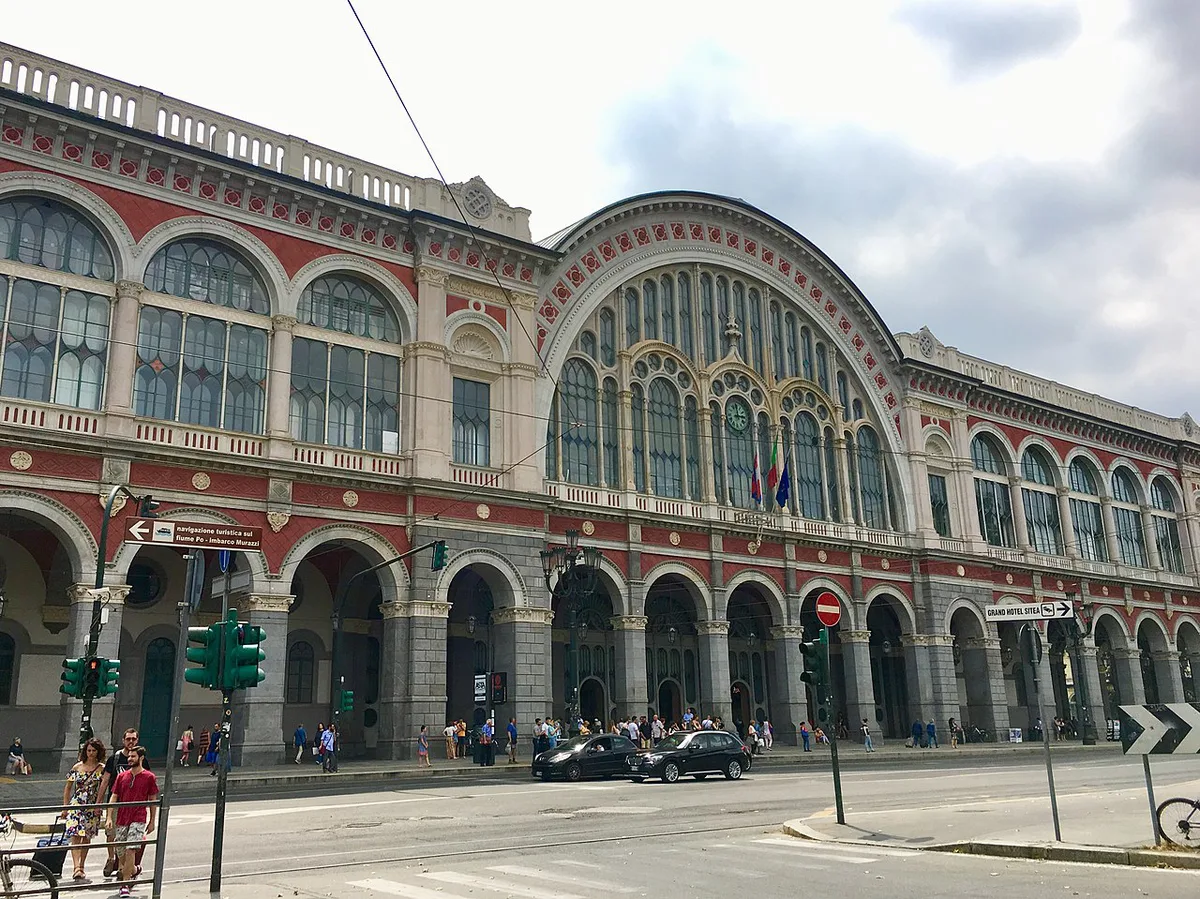
- Porta Nuova: busiest hub, needs the most vigilance
- Porta Susa: modern and generally calmer atmosphere
- After midnight: regular lines stop; Night Buster or a taxi fills the gap
Understanding the GTT Network: Metro, Trams, and Buses
GTT (Gruppo Torinese Trasporti) operates Turin's integrated public transport, combining a single automated metro line with an extensive tram grid and a dense bus network reaching the periphery. The system is straightforward to navigate for a short stay because the metro line runs a single corridor through the center, while trams and buses fan out to neighborhoods and suburbs. A standard City ticket costs €1.70 and covers 90 minutes across metro, tram, and bus, which keeps casual sightseeing affordable and reduces the need to fumble with cash mid-journey. Tickets and route information are available directly through GTT's official channels, and the TO Move App gives real-time tracking for buses and trams so waiting at a stop after dark can be minimized.
Safety by Mode: What to Expect on Turin Metro, Trams, and Buses
Safety varies slightly by mode, and understanding those differences helps decide which option fits a given time of day or route.
- Turin Metro: The line is fully automated (driverless), which changes the on-board atmosphere noticeably. There is no dedicated onboard staff presence the way a conductor-run system would have, but the platforms and stations are typically well-lit, monitored, and busy with commuters, which in our editorial assessment makes the metro the most consistently safe mode across the day.
- Surface Trams and Buses: Pickpocketing is the primary concern here, particularly on crowded routes. Lines like Tram 4 and Tram 15 see heavy ridership and are worth extra bag awareness during peak hours, since dense crowds at doorways are prime pickpocketing conditions.
- The Night Buster Service: On weekend nights, GTT runs a dedicated Night Buster bus network connecting outer neighborhoods to the center, anchored around Piazza Vittorio Veneto. This is a detail many generic guides skip, but it matters because regular tram and bus lines stop running late at night, leaving Night Buster and taxis as the realistic late-night options. For a fuller picture of after-dark conditions across the city, see Turin safety at night.
Safety at Major Transit Hubs: Porta Nuova and Porta Susa
The two main railway stations double as major transit interchanges, and they have distinctly different atmospheres worth planning around.
Tram Lines 4 and 15 plus Porta Nuova's doorways concentrate pickpocketing risk during peak hours. Keep valuables in front pockets and stay alert during boarding at these high-risk zones.
| Station | Atmosphere | Vigilance Needed |
|---|---|---|
| Torino Porta Nuova | Busier, more chaotic, higher foot traffic | Higher — main pickpocketing concentration point |
| Torino Porta Susa | Modern, generally calmer | Moderate — still a hub, but less congested |
- Porta Nuova and Porta Susa are the two points where pickpocketing incidents concentrate, largely because of the volume of distracted travelers moving through with luggage and open bags.
- Navigating the streets around either station after dark is manageable but benefits from sticking to well-lit main routes rather than side streets; if the plan includes walking from a station stop late at night, cross-reference solo female travel safety in Turin for route-specific guidance.
- Some neighborhoods reachable by tram and bus, including stops near Barriera di Milano and Aurora, warrant extra awareness; the areas to avoid in Turin guide covers which stops deserve more caution.
Common Risks and How to Mitigate Them
Financial safety matters as much as physical safety on Turin's transit system, since ticket inspectors are diligent and fines for unvalidated tickets are steep enough to ruin a travel budget.
- Pickpocketing hotspots and tactics: Crowded trams, doorway crushes on Lines 4 and 15, and the concourses of Porta Nuova are where bags and pockets are most exposed. Keep valuables in a front pocket or zipped bag and stay alert during boarding, which is when distraction tactics happen.
- Ticket validation and avoiding heavy fines: Paper tickets must be validated at the small yellow or green machines onboard or at station entrances before travel; a BiP card (Turin's rechargeable smart card) validates with a tap and removes the guesswork. Riding with an unvalidated ticket risks a substantial on-the-spot fine from GTT inspectors, who check regularly, especially on metro platforms and busy tram lines.
- Avoiding scams near ticket machines: Unofficial "helpers" sometimes hover near ticket machines offering to assist for a tip or attempting to pocket change; buying directly from the official machine or the TO Move App avoids this entirely. This overlaps with broader scam patterns covered in common tourist scams in Turin.
Logistics: Tickets, Apps, and Real-Time Tracking for GTT Torino Safety
Getting the logistics right reduces exposure to the two main risks: standing exposed at a stop waiting for a delayed bus, and getting caught without a valid ticket.
- City ticket: €1.70, valid 90 minutes across metro, tram, and bus
- BiP Card: rechargeable smart card, tap to validate, avoids paper-ticket fumbling
- TO Move App: real-time tracking for buses and trams, useful for minimizing wait time after dark
- Caselle Airport: dedicated train and bus connections run into the centre, giving arriving travelers a direct transit option rather than needing a taxi immediately
Decision Criteria: When to Use Public Transport vs. Taxis or Ride Apps
The €1.70 City ticket is hard to beat for cost during daytime and early evening hours when trams and buses run on their normal schedule and stations are busy with other commuters. Once regular lines stop late at night, the trade-off shifts: waiting alone for an infrequent night service costs less in euros but more in convenience and comfort compared to a taxi. For events with dedicated shuttle logistics, such as festivals or concerts on the city's outskirts, organizers typically run dedicated shuttle safety protocols, so checking event-specific transport details ahead of time is worth the effort rather than defaulting to a late-night public transit connection alone.
Daytime public transport at €1.70 is cost-effective because heavy commuter traffic provides both affordability and safety through crowding; late night reverses this trade-off, making a taxi more practical despite higher cost.
- Daytime and early evening: public transport is efficient, affordable, and well-populated
- Late night on non-weekend days: taxis are the more reliable option once regular lines stop
- Weekend late nights: Night Buster covers key routes to Piazza Vittorio Veneto
- Special events: check for dedicated shuttle arrangements before relying on standard night routes
Summary: Turin Public Transport Safety Checklist for Commuters
A short checklist covers the essentials for a stress-free experience on Turin's GTT network.
- Validate every ticket immediately, or use a BiP card to avoid fines entirely
- Keep bags zipped and in front on crowded trams, especially Lines 4 and 15
- Extra vigilance at Porta Nuova; Porta Susa is comparatively calmer
- Use the Night Buster on weekend nights, or a taxi on other nights once regular lines stop
- Buy tickets only from official machines or the TO Move App, not from unofficial helpers
- Cross-check night walking routes near stations with the solo female travel and night safety guides
Frequently Asked Questions
Is the Turin metro safe to ride at night?
The Turin metro is automated and generally the calmest transit option, including in the evening, but service hours are limited late at night. Once the metro stops running, the Night Buster weekend service or a taxi become the practical alternatives.
What is the Night Buster in Turin?
Night Buster is GTT's dedicated weekend night bus network connecting outer neighborhoods to the center, anchored around Piazza Vittorio Veneto, filling the gap left when regular tram and bus lines stop running.
Which is safer, Porta Nuova or Porta Susa station?
Porta Susa has a more modern, generally calmer atmosphere, while Porta Nuova is busier and more chaotic with a higher concentration of pickpocketing incidents, so it warrants more vigilance.
How much does a Turin public transport ticket cost in 2026?
A standard City ticket costs €1.70 and covers 90 minutes of travel across metro, tram, and bus. A rechargeable BiP card is also available for tap-to-validate convenience.
What happens if a ticket is not validated on GTT transport?
GTT inspectors check regularly, particularly on metro platforms and busy tram lines, and riding with an unvalidated ticket risks a substantial on-the-spot fine, so validating immediately or using a BiP card is worth the small extra effort.
Are there specific tram lines to be more careful on in Turin?
Tram Lines 4 and 15 see heavy ridership and crowded doorways during peak hours, which increases pickpocketing risk compared to quieter routes.