Is Turin Safe at Night? A Practical Guide for Travelers
Last updated May 2026. For most visitors asking whether Turin is safe at night, the honest answer is yes, with the same situational awareness you'd apply in any major Italian city — Turin's compact historic core, well-lit piazzas, and lively movida (nightlife) districts keep foot traffic high well past midnight. The real question isn't a blanket yes or no but where and how you're moving after dark, since the gap between the buzzing Quadrilatero Romano and the quieter perimeter around the train stations is where most nighttime friction happens. For a broader look at daytime and general safety context that frames everything below, see this overall Turin safety overview.
Quick Answer: Is Turin Safe at Night?
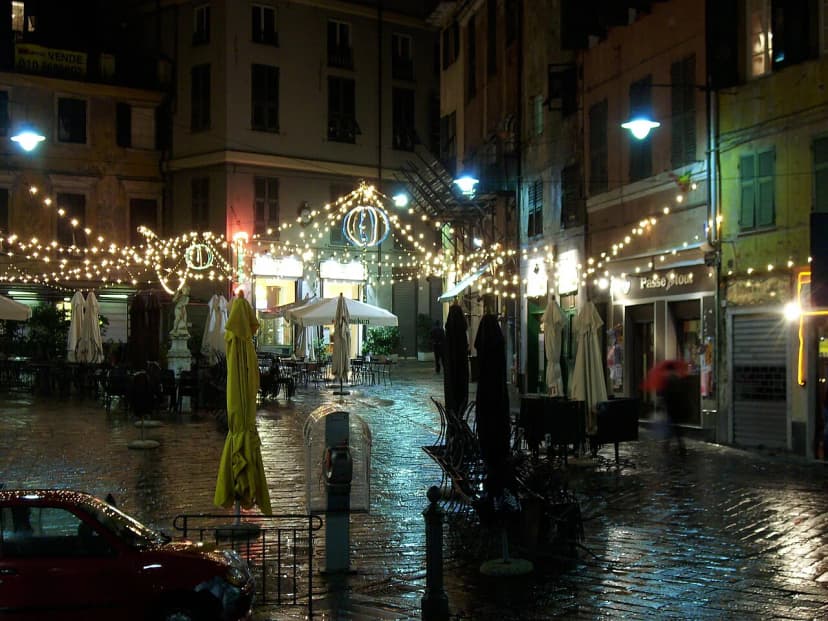
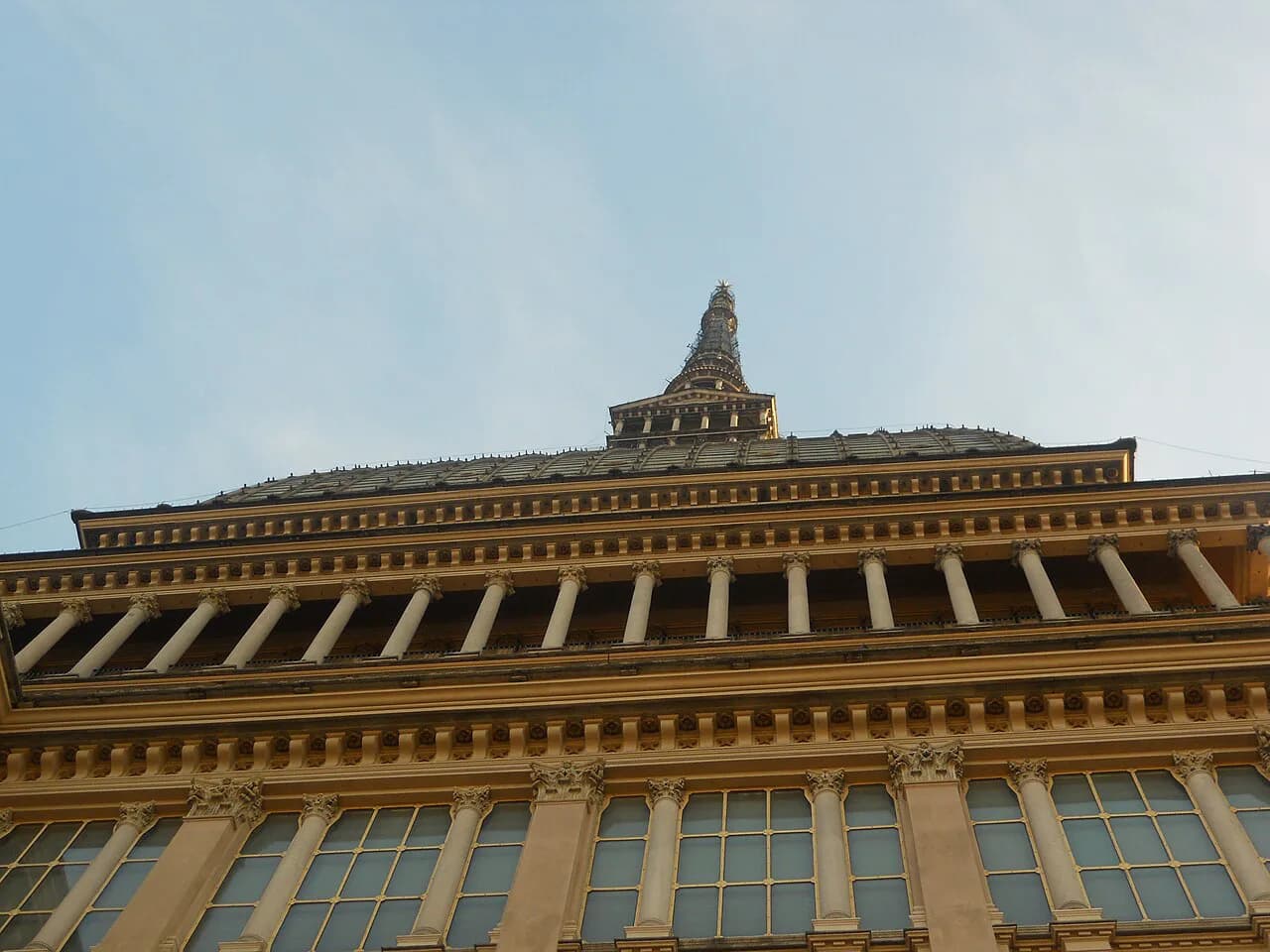
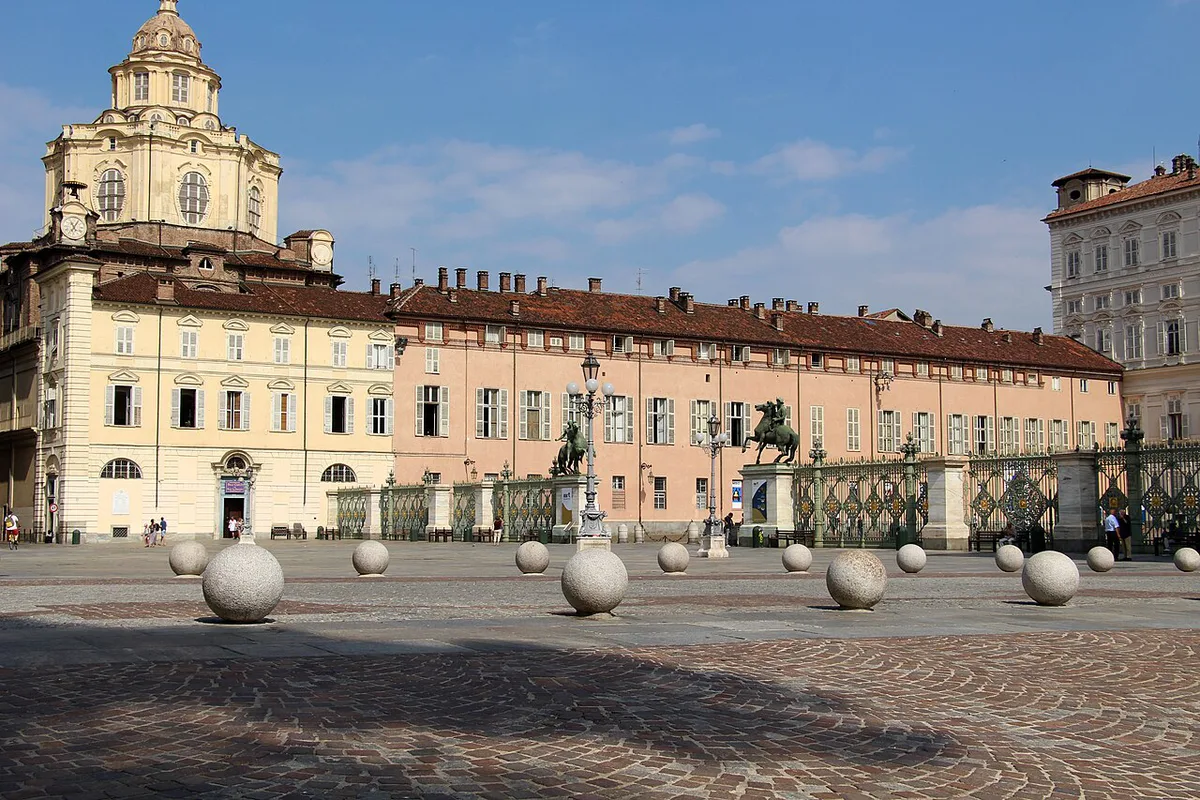
Turin is generally considered one of the more relaxed major Italian cities after dark, and violent crime against tourists is not a common concern in the historic center or the main nightlife quarters. The bigger, more realistic risks are the ones that come with any busy movida scene: pickpocketing in crowded bars, drunk-crowd friction spilling out of piazzas near closing time, and the odd opportunistic phone theft at an outdoor table. The vibe shifts noticeably after 10 PM — daytime tourist streets around the Mole Antonelliana and Piazza Castello quiet down, while the Quadrilatero Romano and San Salvario fill with locals and visitors moving between bars, aperitivo spots, and late kitchens. That shift is normal and doesn't in itself signal danger; it just means the crowd, and the type of vigilance you need, changes with it.
Safest Neighborhoods for Nighttime Walking in Turin
The historic Centro, the Quadrilatero Romano, and Crocetta are consistently the most comfortable areas for walking at night. The Quadrilatero Romano in particular is Turin's dedicated nightlife quarter, and it stays genuinely busy and safe well into the early hours precisely because of the volume of foot traffic — bars, restaurants, and pedestrians create the kind of constant activity that discourages opportunistic crime. Crocetta, a more residential and upscale district near Via Sacchi, offers wide, well-lit streets with steady but calmer activity, making it a solid choice if a quieter walk back to accommodation is the priority. Across all three areas, decent street lighting, a visible police presence around major piazzas, and consistent pedestrian traffic are the shared ingredients that make nighttime walking feel manageable rather than tense.
- Quadrilatero Romano: Turin's core nightlife district, busy and well-trafficked into the early hours
- Historic Centro: main tourist piazzas stay lit and populated on weekend nights
- Crocetta: quieter, residential, wide well-lit streets near Via Sacchi
Areas to Exercise Caution After Dark
San Salvario is a genuine dual-personality district: its main strip is one of Turin's most popular movida zones, packed with bars and restaurant terraces, and it's generally safe in that busy core. The caveat is the quieter side streets just off the main action, where reduced foot traffic and dimmer lighting change the calculus — the crowded main drag doesn't automatically extend its safety to every adjacent block. The immediate perimeters of Porta Nuova and Porta Susa stations also deserve more caution late at night; the streets flanking Porta Nuova, including stretches of Via Nizza, can feel noticeably sketchier after dark than the grand main facade suggests, even though the station forecourt itself is well-lit and patrolled. Further north, districts like Barriera di Milano and Aurora are worth treating with more caution after dark — these areas are better described as gritty or run-down rather than statistically dangerous for tourists, but they sit outside the typical visitor itinerary and offer little reason to wander through late at night. For a fuller breakdown of specific streets and blocks to deprioritize, check the dedicated guide to Turin neighborhoods to avoid. It's also worth separating environmental discomfort from actual danger: a poorly lit or run-down-looking street is not automatically a high-risk one, but it's still a reasonable trigger to tighten awareness, keep valuables secured, and lean toward a short ride instead of a long walk. The most common nighttime risk in Turin's busy areas isn't violent crime but scams and pickpocketing that exploit distracted, tipsy crowds — a pattern covered in more detail in the guide to common tourist scams in Turin.
Navigating Turin at Night: Logistics & Transport
Walking is a fine option within and between the well-lit, busy districts — Centro to Quadrilatero Romano, or Quadrilatero Romano to San Salvario's main strip — especially before midnight when pedestrian traffic is still heavy. Once it gets later, or the route crosses into quieter residential blocks or station perimeters, switching to a ride is the more sensible default. Official taxi stands are positioned at both Porta Nuova and Porta Susa stations and around the main piazzas, and ride-hailing apps including Uber and FreeNow operate in Turin as an alternative to hailing on the street. For budget-conscious travelers, GTT (Gruppo Torinese Trasporti) runs the Night Buster service, a dedicated network of night bus lines that fills in after the regular tram and bus schedule winds down, connecting the center to outer districts on a reduced but functional overnight timetable. Full route maps, current schedules, and fare details are best checked directly through GTT's official channels before relying on a specific line late at night. For a deeper dive into how the transit network functions after hours, see the guide to Is Turin Public Transport Safe? Metro, Trams & Night Buses in 2026.
| Option | Best For | Wait Time | Safety Notes |
|---|---|---|---|
| Official taxi (rank or app-booked) | Late arrivals, longer distances, solo travelers | Short at station ranks; longer if street-hailed | Most predictable option; stick to official stands or licensed apps |
| Night Buster (GTT night bus) | Budget travelers on established night routes | Longer, reduced overnight frequency | Fine on main lines with other passengers; check the route serves your stop before relying on it |
| Walking | Short hops between busy, well-lit districts before midnight | None | Comfortable in Centro, Quadrilatero Romano, San Salvario's main strip; avoid quiet side streets and station perimeters |
Solo Female Safety: Nighttime Specifics in Turin
Solo women navigating Turin after 11 PM generally find the city manageable within the same busy, well-lit districts recommended for everyone — the Quadrilatero Romano, Centro, and San Salvario's main strip all benefit from the safety-in-numbers effect of a lively crowd. That said, standard solo-travel habits matter more the later it gets: sharing a live location with someone, pre-booking a licensed taxi or ride-hailing car for the return trip rather than hailing on a quiet street, and giving a wide berth to the emptier side streets near San Salvario or the station perimeters. Movida crowds can get loud and boisterous, particularly on weekend nights, and while that's rarely aimed at any individual, it's still sensible to keep some distance from the rowdiest clusters and to trust instinct if a street feels too quiet or too empty. Detailed, dedicated guidance on this topic — including neighborhood-specific notes and accommodation tips — is covered in the guide to solo female travel safety in Turin.
Crowded bars and piazzas in Quadrilatero Romano and San Salvario offer safety-in-numbers protection against serious crime. However, the same crowded environment enables pickpocketing and phone theft—the realistic nighttime risk throughout Turin's movida zones. Precautions shift from avoiding certain areas to securing valuables within crowded venues.
Essential Safety Tips for Late-Night Arrivals in Turin
Arriving late by FlixBus or an overnight train is a common scenario in Turin, since both Porta Nuova and Porta Susa handle late arrivals and departures into the early hours. The safest approach is to plan the last leg before arrival: know in advance whether a taxi stand, a pre-booked ride, or a Night Buster line will get to the accommodation, rather than figuring it out cold on an empty platform. Porta Nuova's main facade and forecourt are well-lit and generally busy even late, but the surrounding streets, including sections of Via Nizza, thin out fast and warrant a direct route rather than a wander. For anyone facing a long overnight wait — for example, a 2 AM Flixbus departure — waiting inside the station's lit, staffed areas or at a 24-hour cafe near the station is a more comfortable option than lingering on an exterior platform or side street. Keeping luggage close, avoiding phone use while distracted on the move, and having accommodation details saved offline all reduce friction during that final stretch from station to bed.
Porta Nuova's bright, busy forecourt reassures arriving travelers, but surrounding streets thin out quickly after dark. This contrast is exactly why pre-booking a taxi or ride app before arrival makes a real difference for the final leg to accommodation.
- Pre-arrange the final leg (taxi, ride-hailing app, or confirmed night bus line) before arrival
- Use official taxi stands at Porta Nuova or Porta Susa rather than street-hailing
- For long overnight waits, choose a staffed station area or a 24-hour cafe over an empty platform
- Keep to Via Roma, the main station forecourt, and other lit thoroughfares rather than quiet side streets
Summary Checklist: Staying Safe in Turin at Night
Before heading out after dark in Turin, run through a short mental checklist rather than relying on a single yes-or-no judgment about the whole city. The core logic: busy and well-lit generally means comfortable, quiet and empty means it's time to consider a ride instead of a walk.
- Staying within Centro, Quadrilatero Romano, or San Salvario's main strip before midnight: walking is generally fine
- Heading toward Barriera di Milano, Aurora, or quiet San Salvario side streets: choose a taxi or Night Buster line instead
- Arriving late at Porta Nuova or Porta Susa: pre-plan the final leg and stick to lit, busy thoroughfares
- In any crowded bar or piazza: keep valuables zipped and secure, since pickpocketing is the more realistic risk than violent crime
- Solo and out past 11 PM: favor a booked ride over a long walk, especially near station perimeters
What to Do If You Feel Unsafe at Night
If a situation starts to feel wrong at night, the safest move is to get back into a staffed, well-lit space rather than trying to judge the street alone. Around Centro, head toward busy points such as Piazza Castello, Via Roma, or the main Porta Nuova forecourt; near Porta Susa, stay by the station entrance, taxi rank, or open commercial areas rather than drifting into side streets.
For urgent help in Italy, call 112, the single emergency number that connects police, medical, and fire response. If the issue is theft rather than immediate danger, move somewhere secure first, cancel cards or phone access, then file a report with police or Carabinieri for insurance and replacement documents. Hotel reception, restaurant staff, and official taxi drivers can usually help call a licensed taxi or point you toward the nearest station without requiring you to keep walking around alone.
Frequently Asked Questions
Is Porta Nuova safe at night?
The Porta Nuova station forecourt and main facade are well-lit and typically busy even late at night, with official taxi stands on site. The streets immediately flanking the station, including parts of Via Nizza, feel less reassuring after dark than the main entrance suggests, so a direct route to a taxi, ride-hail pickup, or transit stop is a better approach than wandering the surrounding blocks.
What is the Night Buster bus service in Turin?
Night Buster is GTT's (Gruppo Torinese Trasporti) network of night bus lines that runs after the regular daytime tram and bus schedule ends, connecting the center to outer districts on a reduced overnight timetable. It's a budget-friendly way to get home late, though routes and frequency are more limited than daytime service, so it's worth checking GTT's official schedule for the relevant line before relying on it.
Which Turin neighborhoods should travelers avoid at night?
Barriera di Milano and Aurora, north of the center, are worth extra caution after dark — they're better described as gritty or run-down than genuinely dangerous, but they sit well outside typical visitor routes. Closer to the center, the quieter side streets off San Salvario's main strip and the immediate perimeters of Porta Nuova and Porta Susa also call for more awareness than the busy tourist core.
Is it safe for solo women to walk in Turin at night?
Within busy, well-lit districts like the Quadrilatero Romano, Centro, and San Salvario's main strip, solo women generally find Turin manageable at night, helped by heavy foot traffic. Standard precautions still apply: favor a booked taxi or ride-hailing app over a late solo walk near quieter streets or station perimeters, and keep a friend or family member updated on plans.
How much time should travelers plan for getting from Porta Nuova to accommodation late at night?
It depends on the option chosen: an official taxi from the station rank is typically the fastest and most predictable route to accommodation, while a Night Buster bus involves longer waits due to reduced overnight frequency. Checking the route or booking a ride in advance, before stepping off a late train or bus, keeps that final leg short and avoids lingering near the station perimeter.
Is Turin's nightlife district (movida) safe to visit?
Yes — the Quadrilatero Romano and San Salvario's main strip are Turin's designated movida zones and stay busy and safe well into the early hours, largely because the volume of people creates natural oversight on the street. The main risks in these areas are pickpocketing and drunk-crowd friction rather than serious crime, so keeping valuables secure and staying aware in dense crowds covers most of the practical risk.