Is Pisa Safe? A Complete 2026 Safety Guide for Tourists
Last updated May 2026, this guide tackles the question is Pisa safe with a clear, practical breakdown built for first-time visitors, solo travelers, and day-trippers stepping off the train at Pisa Centrale. Pisa's real safety profile leans toward petty theft and pickpocketing in the crowds around the Leaning Tower rather than violent crime, and its large university population keeps the historic center lively and well-populated well after dark. Use the neighborhood breakdown, scam warnings, and transport tips below to plan a confident day trip or overnight stay in Tuscany.
Is Pisa Safe? The Fast Answer for Tourists
Yes, Pisa is generally a safe city for tourists. In our editorial assessment, its overall safety profile compares favorably with, and in terms of petty-crime density may run calmer than, larger Tuscan and national tourist hubs such as Florence and Rome, largely because Pisa concentrates a fraction of that daily foot traffic into a much smaller historic core. Most guides to Pisa safety stop at the Leaning Tower itself, but the more useful question for planning purposes is what happens on the route most visitors actually walk: the stretch between Pisa Centrale and Piazza dei Miracoli. That walk passes through ordinary residential streets, the university district, and pedestrianized shopping streets, and it is where the practical safety picture for a typical day-trip itinerary is really decided, not just at the monument. The realistic risks in Pisa concentrate in two predictable places: the crowded Piazza dei Miracoli, where pickpockets exploit distracted, camera-focused tourists, and the immediate surroundings of Pisa Centrale, which can feel less watched after dark than the historic center. Violent crime against tourists is rare. Because most visitors treat Pisa as a half-day or full-day stop on a broader Tuscany itinerary rather than a multi-night base, safety planning here is less about avoiding entire districts and more about staying alert at two specific, well-documented pinch points. Pisa's status as a university city also matters more than most guides acknowledge: a large student population keeps the center, particularly the streets around Piazza delle Vettovaglie, animated and populated well into the evening, and that ambient activity functions as a form of natural surveillance that quieter, more purely touristic Tuscan towns simply do not have after dark.
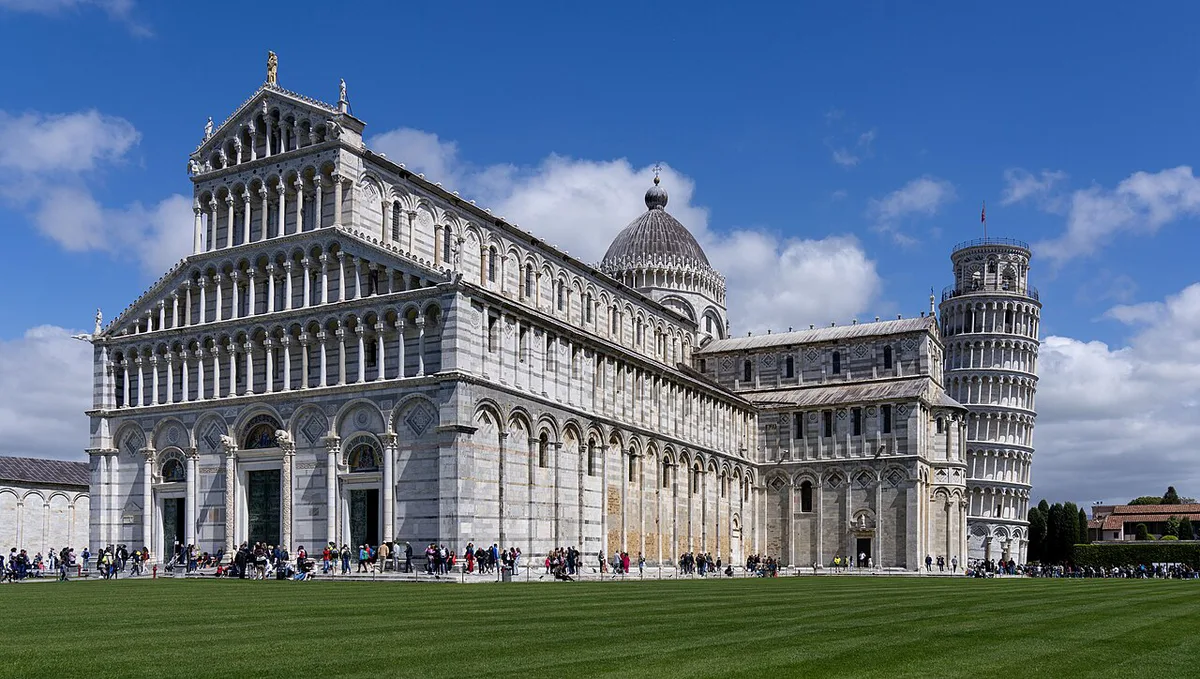
Pisa Neighborhoods: Safe Areas vs Areas to Avoid
Pisa's compact center makes it straightforward to separate the pockets of town that call for extra caution from the streets that are simply pleasant to wander. The full neighborhood safety breakdown covers every district in more depth, but four zones define most of the practical picture for a typical visit.
| Area | Pickpocket / Petty Crime Risk | Police Presence | Night Lighting & Notes |
|---|---|---|---|
| Piazza dei Miracoli (Leaning Tower) | High in dense crowds | High, visible presence | Well-lit, but distraction is the main risk |
| Pisa Centrale (train station area) | Moderate loitering risk | Lower than the tourist core | Dimmer and less consistent after dark |
| Borgo Stretto & Centro Storico | Low | Routine | Well-lit pedestrian arcades |
| Piazza delle Vettovaglie | Low to moderate (nightlife crowds) | Routine, active area | Busy and socially active late into the evening |
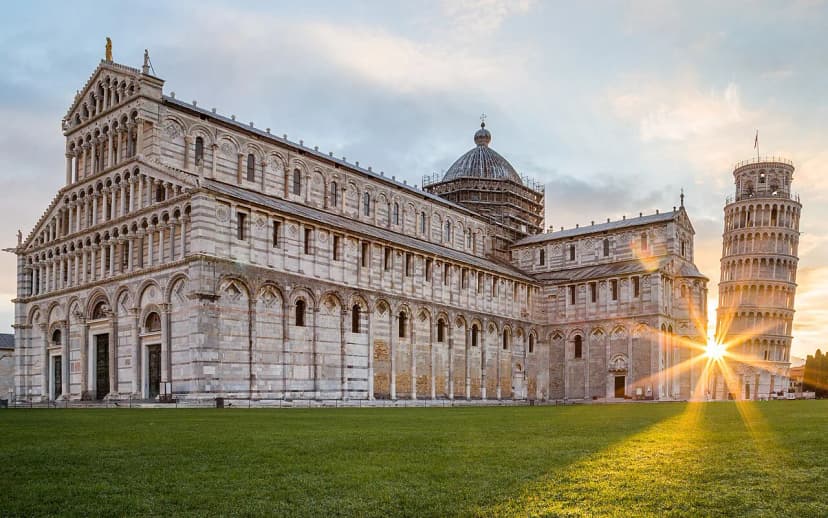
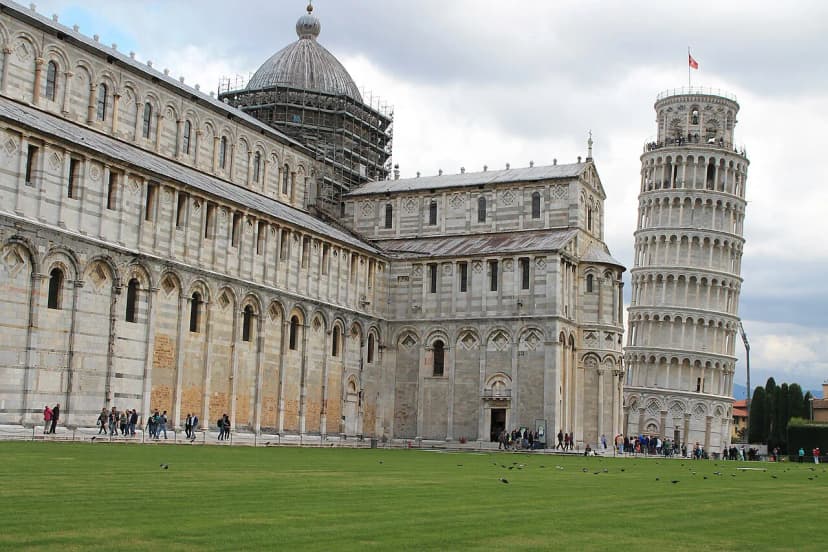
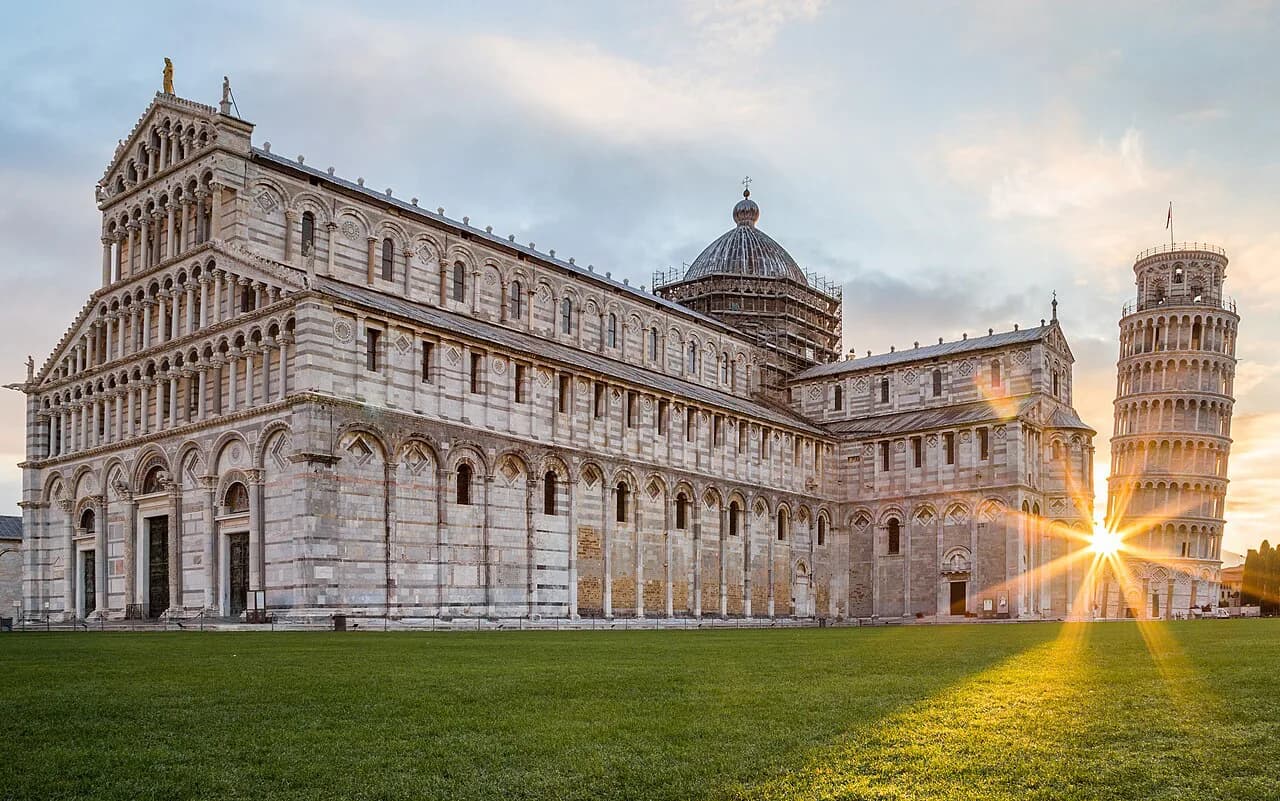
- Piazza dei Miracoli: The square holding the Leaning Tower, the Duomo, and the Baptistery is safe in terms of violent crime, with visible police and security presence around the monuments, but its dense, camera-focused crowds make it the single highest-risk spot in the city for pickpocketing.
- Pisa Centrale (the train station): The area right around Pisa's central station is where reports of a 'shady' feel usually originate. It sees more loitering, fewer families, and dimmer, less consistent lighting after dark than the historic core, so travelers connecting via the Pisa Mover or catching an early or late Trenitalia train should budget extra situational awareness there.
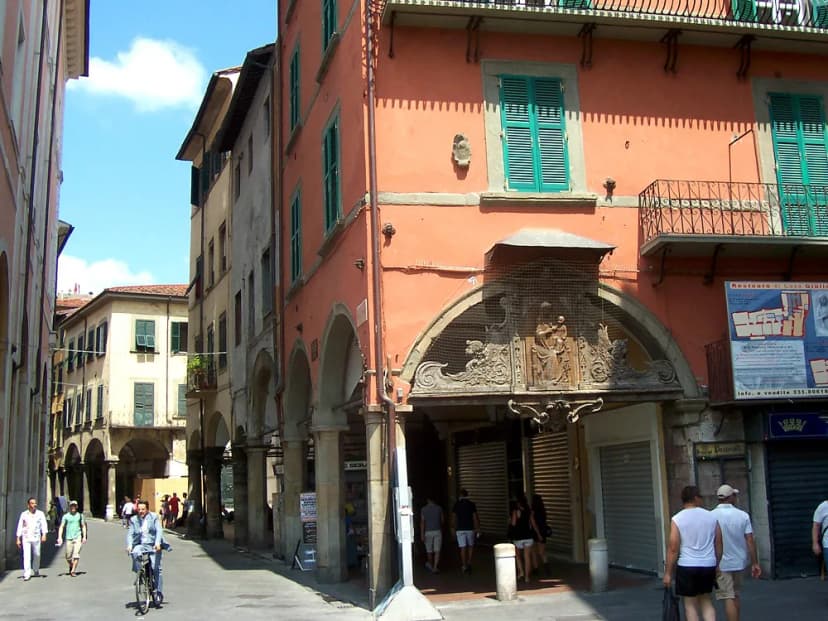
- Borgo Stretto and the Centro Storico: These pedestrian shopping streets under the arcades stay well-lit and busy with locals and shoppers into the evening, and are considered some of the safest, most pleasant areas to base a stay.
- Piazza delle Vettovaglie: A student-driven nightlife square in the university district that stays socially active late into the night, which functions as an asset for after-dark safety rather than a risk in itself.
Common Tourist Scams in Pisa (And How to Avoid Them)
Pisa's scam landscape mirrors the rest of Italy's major tourist circuits, and nearly all of it concentrates around the Leaning Tower and the approach routes leading to it. The Pisa tourist scams guide breaks down every pattern currently in circulation, but three tactics account for the overwhelming majority of traveler reports.
Visitors worry about vendor and bracelet scams, but petty theft actually concentrates in just two areas: Piazza dei Miracoli and Pisa Centrale. Focusing extra awareness on these two pinch points covers most realistic risk without requiring caution in every neighborhood.
- Friendship bracelet or string trick: unlicensed vendors near Piazza dei Miracoli approach with a bracelet or trinket, tie it onto a wrist before full consent is given, then demand payment. The safest response is to keep hands visibly occupied and decline before any physical contact happens.
- Unlicensed souvenir and selfie-stick vendors: these sellers cluster along the main sightlines to the Tower and are best avoided altogether, both because the goods are typically counterfeit and because the transaction itself is a common pickpocketing distraction.
- Pickpocketing on the LAM Rossa bus and in plaza crowds: the LAM Rossa route connecting Pisa Centrale to the historic center and the Tower gets crowded with tourists during peak sightseeing hours, which makes it, like Piazza dei Miracoli itself, a favored spot for pickpockets working close contact in a packed space.
Is Pisa Safe for Solo Female Travelers?
The question is Pisa safe for women surfaces constantly in traveler forums and trip-planning threads focused on Italy, and the balance of traveler sentiment points to a reassuring answer: Pisa is generally regarded as a comfortable, walkable city for women traveling alone, particularly across the well-populated historic core and the university district. The solo female travel safety guide goes deeper into specific neighborhoods and time-of-day guidance, but the broad pattern matches what holds true across most of Italy's small and mid-sized cities. Daytime walking anywhere in central Pisa, including around Piazza dei Miracoli, Borgo Stretto, and the university streets, carries low risk and is well-trafficked by locals, students, and other travelers. Walking alone late at night calls for the same baseline precautions that apply in any European city: sticking to lit, populated routes such as Borgo Stretto rather than cutting through quieter side streets near Pisa Centrale, and staying additionally alert in the immediate station area after dark. Some level of catcalling or unwanted attention is a realistic possibility, as it is across most Italian cities, but it is not reported as a distinguishing or elevated safety issue specific to Pisa relative to comparable Tuscan towns. Because the city center stays animated with students well into the evening, especially around Piazza delle Vettovaglie, solo travelers often find it easier to blend into a genuinely lively street scene in Pisa than in smaller, more purely touristic towns nearby where the streets empty out earlier.
Is Pisa Safe at Night?
For a full breakdown of after-dark conditions block by block, see the dedicated Pisa nighttime safety guide, but the core guidance holds up on its own. The walk between the Leaning Tower and the city center is generally considered safe after dark, supported by steady foot traffic and consistent lighting along the main pedestrian routes through the historic core. The immediate area around Pisa Centrale is the exception: it sees less foot traffic, more loitering, and dimmer, less consistent lighting once evening sets in, which is why it deserves a higher baseline of caution than the rest of central Pisa. Nightlife around Piazza delle Vettovaglie, the university district's main student hub, tends to stay busy and socially active late into the night. In practice, that makes it feel safer than the emptier stretches near the station rather than riskier, since a crowded, socially active square is harder for trouble to go unnoticed in. Travelers staying overnight generally report a calmer, easier nighttime experience when booking accommodation near the historic center or Borgo Stretto rather than immediately next to Pisa Centrale, simply because foot traffic and lighting both thin out faster around the station once the day-trip crowds leave. For anyone planning a late arrival or an early departure, that single choice of neighborhood does more to shape the nighttime safety experience than any other single decision.
After-dark safety depends less on street routing than accommodation choice: the historic center stays lit and active while Pisa Centrale's station area empties and dims. This single decision shapes the nighttime experience more than any other single factor.
Public Transport and Getting Around Safely
Getting around Pisa safely mostly comes down to matching the right mode of transport to the time of day and the specific leg of the journey; the public transport safety guide covers routes, operators, and timing in full.
- Pisa Mover: the automated people-mover connecting Pisa International Airport to Pisa Centrale is a straightforward, well-monitored way to cover that leg and removes the need to navigate unfamiliar streets with luggage right after landing.
- LAM Rossa and local buses: safe from a personal-safety standpoint at any time of day, though the LAM Rossa route linking the station to the historic center and the Tower gets crowded enough during peak sightseeing hours to become a pickpocketing risk rather than a personal-safety one.
- Trenitalia: trains connecting Pisa Centrale to Florence, Lucca, and the wider Tuscany regional network follow standard national rail safety protocols, and the station itself is staffed rather than unattended.
- Taxis after dark: a licensed taxi from a recognized rank is the lower-friction option after midnight compared with walking unfamiliar streets near the station, particularly for solo travelers or anyone carrying luggage; earlier in the evening, the short, well-lit walk from the station into the historic core remains reasonable, especially in pairs or groups.
Emergency Numbers and Practical Safety Tips
Save the essentials before setting out for the day. The general emergency number across Italy, including Pisa, is 112, which connects to police, medical, and fire services and should be used for any urgent situation regardless of which service is needed. Pisa's Questura, the local headquarters of the Polizia di Stato, is the appropriate point of contact for filing an official police report after a theft, which is typically a required step for any travel-insurance claim once travelers return home. A short list of practical habits covers most of the realistic risk described throughout this guide.
- Keep passports, spare cash, and cards in a money belt or a zipped inner pocket rather than an easily accessible outer bag pocket, especially inside the Piazza dei Miracoli crowds.
- Photograph or hand off valuables to a travel companion before posing for 'holding up the Tower' photos, since that pose is the single most commonly targeted moment for pickpockets.
- Carry only the cash and cards needed for that specific day out, and leave the remainder secured at accommodation.
- Save or screenshot the address of the nearest Questura and the 112 emergency number before heading out, in case connectivity is unreliable later.
- If booking a late-night arrival or an early departure, prioritize accommodation in the historic center or near Borgo Stretto over accommodation immediately adjacent to Pisa Centrale.
Safest Walking Route from Pisa Centrale to the Leaning Tower
The safest and most straightforward walk from Pisa Centrale to the Leaning Tower is the central pedestrian route: leave the station toward Piazza Vittorio Emanuele II, continue along Corso Italia, cross the Arno at Ponte di Mezzo, then follow Borgo Stretto toward Piazza dei Cavalieri and Via Santa Maria before entering Piazza dei Miracoli. This keeps you on busy shopping streets, university streets, and well-used tourist routes rather than quieter back streets.
During the day, this walk is generally comfortable and practical with normal city awareness. The main caution points are the station forecourt, where luggage and phone use make visitors more noticeable, and the final approach to Piazza dei Miracoli, where crowds thicken and pickpockets have more cover. After dark, stay on Corso Italia, Borgo Stretto, and Via Santa Maria rather than cutting through empty side streets, and consider a licensed taxi if you arrive late with bags.
For trip-planning details, see UK FCDO travel advice for Italy.
Explore is safe in other cities
Frequently Asked Questions
Is Pisa safe to visit in 2026?
Yes. Current traveler reports and general safety guidance both describe Pisa as a safe, low-violent-crime city for 2026, with petty theft around the Leaning Tower standing out as the main practical risk to plan around rather than any broader safety concern.
Is Pisa Centrale train station safe at night?
Pisa Centrale itself is a functioning, staffed transit hub, but the streets immediately around it are dimmer and less busy after dark than the historic center, so late-night arrivals should head toward well-lit routes into town or use a licensed taxi rather than lingering nearby.
What is the biggest safety risk in Pisa?
Pickpocketing in the crowded Piazza dei Miracoli, particularly during the distraction of the 'holding up the Tower' photo pose, is the most consistently reported issue, rather than violent crime.
Is Pisa safe for solo female travelers?
Generally yes, especially in the well-populated historic core and student district. The same after-dark precautions that apply anywhere in Italy, such as sticking to lit, busy streets, apply in Pisa as well.
Do you need to worry about scams near the Leaning Tower?
The main scams to watch for are unlicensed vendors offering 'friendship bracelets' or souvenirs, which double as pickpocketing distractions, so declining before any physical contact and keeping bags zipped and visible is the simplest defense.
How much time should I plan for a safe visit to Pisa?
Most travelers see Pisa comfortably as a half-day or full-day trip, which limits after-dark exposure near the station. Anyone who wants to explore Borgo Stretto and the student nightlife scene at Piazza delle Vettovaglie in the evening can safely extend the visit by staying in or near the historic center.
Is it safe to walk from Pisa Centrale to the Leaning Tower?
Yes, for most of the day this is a well-trafficked walk through residential streets, the university district, and pedestrianized shopping streets, and it is the same route most day-trippers already take on foot. The only extra caution point is the immediate station forecourt itself, which thins out and dims after dark.
Stay Safe in Pisa
Every Pisa safety guide on one page — areas, scams, night rules, and getting around.
Pisa Safety Guides
- Pisa Areas to Avoid: A 2026 Safety Guide to the Streets to Skip
- Is Pisa Safe at Night? 2026 Safety Guide & Local Tips
- Pisa Tourist Scams: 2026 Safety Guide & Prevention Tips
- Is Pisa Safe for Solo Female Travellers? A 2026 Safety Guide
- Pisa Public Transport Safety: Avoiding Pickpockets, Scams & Fines