Pisa Public Transport Safety: A Practical Guide for Travelers
Last updated February 2026, this guide unpacks Pisa public transport safety for travelers deciding how to move between Pisa Centrale, the Leaning Tower, and the airport. Physical crime on buses and trains is not the headline risk locals and recent travelers describe; the recurring complaint is financial, from pickpockets working crowded stops to fare inspectors who fine tourists over minor ticket-validation mistakes. This guide pairs with the broader Pisa safety overview to help you ride the local network with confidence rather than anxiety.
Pisa Public Transport Safety: The Fast Answer
The fast answer for Pisa public transport safety is that the network is safe in the sense most travelers mean: violent crime on buses, trains, and the airport shuttle is uncommon, and Pisa's historic centre is compact enough that many visitors barely need transit beyond arriving and departing. Local buses and the LAM lines, run by Autolinee Toscane, connect Pisa Centrale, Piazza dei Miracoli, and Pisa International Airport, while Trenitalia handles the regional and long-distance rail side through the same station. Where Pisa public transport safety gets more complicated is not crime but process: pickpockets working crowded, bag-heavy spots and fare inspectors enforcing ticket rules strictly are the two risks that come up again and again in traveler accounts, and both are avoidable once you know where and how they operate. The sections below break the network down by mode, then focus specifically on the ticket-validation step that causes most of the trouble reported by visitors.
Common Safety Risks: Pickpockets vs. Fare Inspectors
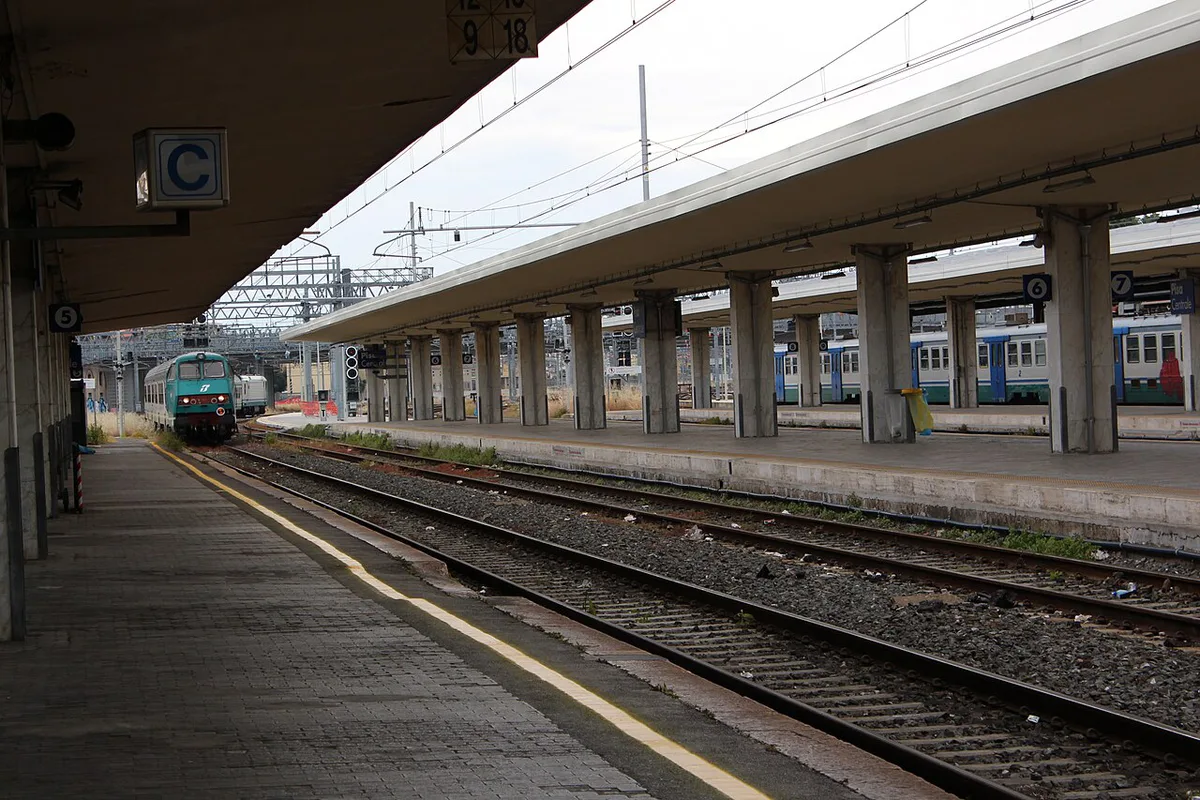
Two very different categories of risk get grouped together under the umbrella of Pisa public transport safety, and separating them changes how you prepare for each. Pickpocketing risk concentrates wherever bags are loosest and crowds are thickest, and in Pisa that means the concourse at Pisa Centrale and the platforms serving the Pisa Mover toward the airport, both flagged as bag-aware spots where a distracted traveler with luggage is an easier target than someone moving quickly with a secured daypack. This is opportunistic crime, not a network-wide problem, and it responds well to ordinary precautions: keeping zippers closed, bags in front rather than on the back, and valuables split between pockets rather than one bag. Fare-inspector risk works on entirely different logic. It is not criminal opportunism but strict enforcement, and traveler reports describe inspectors checking visitors with luggage particularly closely, issuing on-the-spot fines for tickets that were bought but never validated rather than for outright fare evasion. Being fined for a paperwork mistake feels worse than it is dangerous, but it is expensive and disruptive enough that it deserves the same preparation as the pickpocket risk. For a wider view of the scam patterns that show up beyond transit as well, the guide to common tourist scams in Pisa covers the same fare-check pattern travelers flag most often, alongside other tourist-targeted tactics around the city.
- Pickpocketing risk: worst in crowded concourses and platforms where bags sit loose or unattended
- Fare-inspector risk: administrative, not criminal, but strictly enforced against unvalidated paper tickets
- Travelers carrying visible luggage report closer scrutiny from inspectors than those without
- Both risks are manageable with a few minutes of preparation before boarding

Safety by Mode: Buses, Trains, and the Pisa Mover
Pisa public transport safety looks a little different depending on which part of the network you are using, so it helps to think mode by mode rather than treating buses, trains, and the airport shuttle as one system. Autolinee Toscane operates the city buses and the LAM lines that link Pisa Centrale, the historic centre near Piazza dei Miracoli, and Pisa International Airport; these routes are the backbone of local travel for anyone not walking, and onboard violent incidents are rare, but crowded departures at peak times are where both pickpockets and fare inspectors are most active. Trenitalia trains serving Pisa Centrale connect the city to the rest of Tuscany and to national routes beyond it, and the trains themselves carry noticeably lower risk than the station environment around them, since most reported incidents cluster in the concourse and underpasses rather than in train carriages. The Pisa Mover, the automated people mover linking Pisa Centrale directly to Pisa International Airport, sits in a different category again: there is no onboard staff, but the system is automated and continuously monitored, and both locals and travelers tend to treat it as one of the more secure ways to move luggage between the station and the terminal, precisely because it removes the crowded-bus dynamic that pickpockets and fare disputes both depend on. In our editorial assessment, the Pisa Mover is the least stressful leg of the entire journey for anyone arriving with heavy bags.
- Autolinee Toscane buses and LAM lines: cover the centre, the station, and the airport corridor
- Trenitalia trains: lower risk onboard than in the station concourse and underpasses
- Pisa Mover: automated, monitored airport shuttle with a different risk profile than standard buses
The Ticket Trap: How to Avoid Fines and Aggressive Inspectors
The single most avoidable issue affecting Pisa public transport safety is what is best described as the ticket trap: buying a valid ticket but failing to validate it correctly, then facing a fine identical to the one issued for not paying at all. Autolinee Toscane buses use validation machines, typically yellow or green boxes mounted near the doors, and a paper ticket has to be stamped the moment you step on board; once stamped, it is valid for the trip, but an unstamped ticket is treated by inspectors the same as having no ticket whatsoever, regardless of when or where it was purchased. Some Autolinee Toscane routes have started introducing contactless tap-and-go validators that let you pay directly with a card or phone, but coverage is not confirmed across every line serving Pisa, so it is worth checking the validator or onboard signage on your specific route rather than assuming tap-and-go will work everywhere. Because traveler reports single out inspectors as especially thorough with visitors who are visibly carrying luggage, the safest habit is to validate immediately after boarding, before finding a seat or settling bags, and then to hold onto the stamped ticket until you step off, since a check can happen at any point in the ride. Treat this step as routine rather than optional even on short hops between the station and the centre; a few seconds at the validator is the difference between an uneventful ride and an unplanned fine.
Travelers with visible luggage face stricter fare-inspector scrutiny. An unstamped ticket is treated as invalid regardless of purchase timing. Validating immediately upon boarding eliminates this administrative fine risk entirely, especially critical for luggage-heavy journeys.
- Stamp paper tickets immediately on boarding, at the yellow or green validator near the doors
- Do not assume contactless tap-and-go works on every line until you confirm it on board
- Keep the validated ticket for the full journey, especially if you are traveling with luggage
- Validate before finding a seat, since inspections can happen at any point in the ride
Navigating Pisa Centrale and the LAM Rossa Route
Pisa Centrale functions as the city's main transit hub, and it is also where most Pisa public transport safety concerns concentrate, more so than on the buses and trains that pass through it. Risk sits noticeably higher inside the station itself and its underpasses, including platform-level passages used to cross between tracks, than it does on the vehicles arriving and departing. The LAM Rossa line is the route most visitors rely on to connect Pisa Centrale to Piazza dei Miracoli and the Leaning Tower, which makes it both the most useful bus for tourists and, for the same reason, the corridor where pickpockets concentrate, since it reliably carries visitors distracted by sightseeing and weighed down with bags. None of this means avoiding the station or the LAM Rossa; it means moving through both with the same awareness you would bring to any busy tourist corridor: bags zipped and worn to the front, phones and wallets in a pocket rather than an outer bag compartment, and a bit more attention while queuing at the LAM Rossa stop or crossing through an underpass than you might use on a quiet residential street. If the streets and neighborhoods immediately around the station raise separate questions beyond transit itself, the guide to Pisa's riskier neighborhoods covers that ground in more depth.
Walk vs. Bus: Pisa Centrale to Piazza dei Miracoli
Deciding between walking and boarding the LAM Rossa bus for the short hop between Pisa Centrale and Piazza dei Miracoli comes down to how much luggage is involved, how much time there is to spare, and how much appetite there is for dealing with the ticket-validation step in the first place. Neither option carries meaningful physical-crime risk in daylight; the real trade-off is between the effort of walking and the administrative risk that comes with any bus ticket. The comparison below lays out the practical differences.
Walking between Pisa Centrale and Piazza dei Miracoli avoids both pickpocket-heavy stops and fare-inspection risk. For travelers without heavy luggage, the compact historic centre makes walking the lowest-stress navigation option, especially in daylight.
| Option | Cost / Ticket | Effort | Safety and Fine Risk |
|---|---|---|---|
| Walking | No ticket needed | Covers the full walkable route across the centre on foot | Lowest overall risk; no exposure to fare inspections at all |
| LAM Rossa bus | Requires an Autolinee Toscane ticket, validated on board | Faster option for travelers carrying heavy luggage | Some pickpocket and fare-inspection exposure; manageable with prompt validation |
Night Safety: Using Public Transit After Dark
Pisa public transport safety after dark holds up reasonably well compared with many transit systems, but a few adjustments are worth making once service thins out for the night. Buses and LAM lines run less frequently after dark, which means longer waits at quieter stops and a smaller crowd around you if something does go wrong, so it is worth favoring well-used stops near Pisa Centrale and the centre over waiting alone at an emptier LAM stop further out. Inside the station, the underpasses and platform-level passages that felt merely busy during the day become noticeably quieter and less supervised at night, and that is where a bit of extra attention to bags and surroundings is most useful. None of this is a reason to avoid transit after dark; it is a reason to plan the last leg of a night out around busier stops and to keep bags secured through any underpass. For a fuller picture of what to expect once the sun goes down beyond transit specifically, the guide to Pisa safety after dark covers the surrounding streets and neighborhoods as well. In any emergency, anywhere on Pisa's transit network or elsewhere in Italy, the number to call is 112.
Transport Safety Checklist for Solo Travelers and Families
A short pre-boarding routine covers most of what Pisa public transport safety comes down to in practice, whether traveling solo or coordinating a family through the station. Validate the ticket immediately, keep the bag zipped and to the front, and know the next stop before stepping onto a bus, especially on the LAM Rossa route between Pisa Centrale and Piazza dei Miracoli. Solo travelers benefit from choosing busier LAM Rossa departures over near-empty late services, and from keeping valuables in a front pocket or a bag worn across the body rather than an outer compartment during the ride past the Tower. Families managing luggage and children arriving through the airport should prioritize the Pisa Mover over a standard bus for that leg specifically, since the automated, monitored environment lowers both the pickpocket exposure and the ticket-validation stress that come with a crowded bus. Building these habits before the first ride, rather than working them out mid-journey, is what keeps the administrative risk from ever becoming a real problem. The dedicated guide to safety tips for solo women expands on route choices and timing for anyone navigating Pisa's transit network alone.
- Validate paper tickets immediately after boarding, every single time
- Keep bags zipped and to the front through Pisa Centrale's concourse and underpasses
- Choose the Pisa Mover over a standard bus for airport transfers with luggage
- Favor busier LAM Rossa departures over quiet late-night services when traveling solo
- Save 112 for genuine emergencies anywhere on the network
Contactless Tip Tap: One Card, One Passenger
Contactless payment removes the paper-ticket stamping problem, but it has its own rules that matter on Pisa routes. On Autolinee Toscane urban buses such as the LAM Rossa between Pisa Centrale and Piazza dei Miracoli, tap your contactless card, phone, or enabled watch on the validator every time you board. Keep using the same card or device for that journey so an inspector can match the payment record.
The easy mistake for families and couples is assuming one bank card can cover everyone. Autolinee Toscane treats one card or one device as one passenger, so each traveler needs a separate card, separate device, paper ticket, or app ticket. For mixed-fare, suburban, or fast routes beyond the city, tap when boarding and again when getting off; forgetting the exit tap can trigger the maximum fare to the terminus. Around Pisa Centrale, Pisa International Airport, and tourist-heavy stops, confirm the validator shows a successful tap before moving away from the door.
Frequently Asked Questions
Are buses in Pisa safe for solo female travelers?
Yes, in the sense that violent crime on Autolinee Toscane buses and LAM lines is rare; the more common issues are pickpocketing in crowded stops and fare-inspector encounters. Solo travelers can reduce exposure by choosing busier departures, validating tickets immediately, and keeping bags secured through Pisa Centrale's concourse and underpasses.
How do I validate a bus ticket in Pisa to avoid a fine?
Stamp a paper ticket the moment you board, using the yellow or green validation machine mounted near the doors; an unstamped ticket is treated as invalid even if you already paid for it. Some Autolinee Toscane lines are introducing contactless tap-and-go, but since coverage is not confirmed on every route, carry a paper ticket as a backup and validate it right away.
Is the area around Pisa Centrale station safe at night?
The station itself and its main concourse are generally fine, but the underpasses and quieter platform-level passages warrant more caution after dark, when they are emptier and less supervised. Stick to well-lit, busier routes through the station at night, and check the guide to Pisa safety after dark for more on the surrounding streets.
What is the LAM Rossa bus and is it safe for tourists?
The LAM Rossa is the bus line that connects Pisa Centrale to Piazza dei Miracoli and the Leaning Tower, making it the main route tourists use across the city. It is safe from a violent-crime standpoint, but because it reliably carries visitors and luggage, it is also where pickpockets and fare inspectors are most active, so keep tickets validated and bags secured.
Can I pay for the bus with a contactless card in Pisa?
Some Autolinee Toscane routes have begun supporting contactless tap-and-go payment, but it is not confirmed to be active across every line serving Pisa. Check onboard signage or the operator's current information before relying on a contactless card, and keep a paper ticket as backup so a validation gap does not turn into a fine.