Pisa Tourist Scams: What to Know Before You Visit in 2026
Last updated May 2026, Pisa tourist scams remain concentrated in two predictable zones: the crowds around Piazza dei Miracoli and the arrivals area at Pisa Centrale. The good news, covered in more depth at Pisa safety overview, is that Pisa is a fundamentally low-risk city for violent crime, and nearly every scam here is a petty, avoidable con rather than a genuine threat. Knowing the handful of tricks scammers actually run, from bracelet vendors to taxi meter manipulation, is enough to keep a Leaning Tower visit stress-free.
Is Pisa Safe? The Fast Answer for Scam-Wary Travelers
Pisa is safe in the way most heavily touristed Italian cities are safe: violent crime against visitors is rare, but petty scams and pickpocketing cluster tightly around the two places every traveler passes through, Piazza dei Miracoli and Pisa Centrale station. The financial risk from these cons is real but limited, with reported incidents typically running in the tens of euros for street hustles up to €30-80 for the worst taxi overcharges. Treat the advice below as street smarts rather than reason for alarm, and read the fuller picture at Pisa safety overview before you build an itinerary.
Scams concentrate at Piazza dei Miracoli and Pisa Centrale station, with heightened targeting of solo travelers (especially women), photo-distracted crowds during July-August peaks, and people lingering at ATMs. Understanding when and how scammers target specific profiles sharpens defensive awareness.
- Piazza dei Miracoli: bracelet vendors, fake ticket inspectors, pickpockets in dense crowds
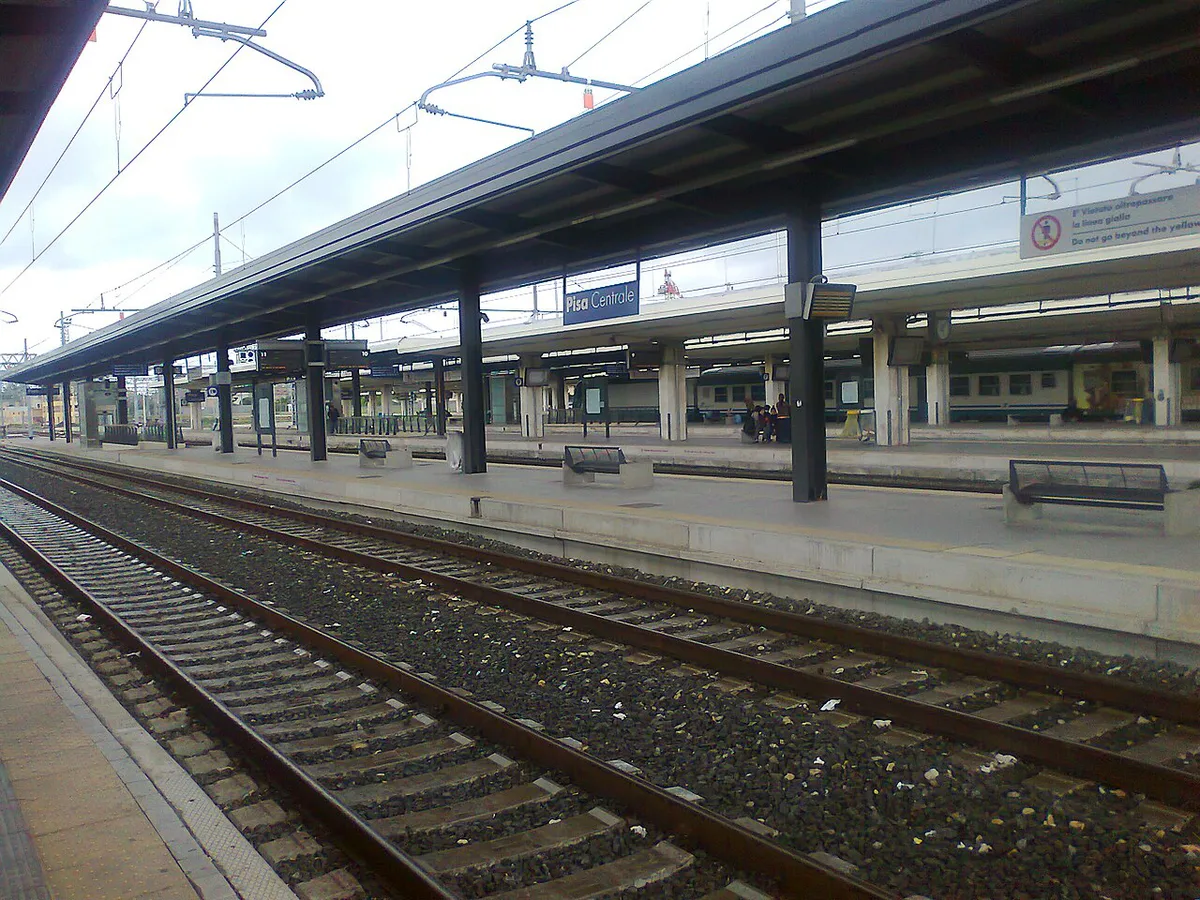
- Pisa Centrale station and surrounding streets: taxi touts, pickpockets on platforms, unlicensed drivers
- Via Roma and Piazza Vittorio Emanuele: ATM distraction scams
- Everywhere with a queue: NFC/electronic pickpocketing risk
The Big Four Pisa Tourist Scams
Four scams account for the overwhelming majority of incidents reported around Pisa's landmarks. Each follows a repeatable script, which means each has a repeatable defense.
In 2026, legitimate Pisa operators—licensed taxis and train services—require digital payment systems and traceable transaction records. Demands for cash-only payment or broken terminals from drivers or inspectors now signal fraud more reliably than before.
- The friendship bracelet trap: a vendor places a bracelet or trinket on your wrist or in your hand near Piazza dei Miracoli, then demands €10–€50, sometimes turning aggressive if you refuse
- Fake ticket inspectors: individuals in vests approach visitors who have already bought Leaning Tower tickets, claiming to validate or check them, then steal or demand extra fees
- Taxi meter manipulation: a driver near the station claims the meter is broken, then demands €30–€80 for a ride that should cost €10–€15
- ATM distraction techniques: a helpful local offers to assist with a stuck card or a better exchange rate near Via Roma or Piazza Vittorio Emanuele, aiming to view your PIN or swap your card
Piazza dei Miracoli: The Friendship Bracelet Trap
Around Piazza dei Miracoli, friendly vendors offer free friendship bracelets or small souvenirs. It is a team effort: one person distracts you while another slips the item onto your wrist. Once it is on, they demand payment, typically €10–€50, and can become insistent if you say no. The scam works because most travelers do not want to appear rude in a crowded, unfamiliar space. Legitimate vendors sell from licensed stalls; anyone approaching you directly to place something on your body or in your hands is not one of them. If this happens, step back immediately, keep your hands visibly at your sides, and give a firm no grazie. Solo travelers, and particularly women traveling alone, are common targets for this approach; see solo female travel safety in Pisa for broader guidance on handling unwanted street approaches. A useful piece of local context: the Carabinieri station sits roughly 100 meters from the Leaning Tower, close enough to serve as a genuine deterrent and a fast option if a vendor won't back off.
| Signal | Licensed Stalls | Mobile Vendors |
|---|---|---|
| Location | Fixed, marked stalls within the piazza | Wander freely through crowds |
| Approach | Wait for customers to come to them | Actively approach and place items on you |
| Payment | Clear prices, no physical contact | Demands €10–€50 after unwanted contact |
| Response | Normal browsing is fine | Step back, decline firmly, walk toward the Carabinieri station if needed |
Fake Ticket Inspectors at the Leaning Tower
After buying a legitimate Leaning Tower ticket, some travelers are approached by people in official-looking vests who claim they need to check or validate the ticket. The goal is either to steal it for resale or to pressure you into paying a fake entry fee. According to municipal tourism data cited by local guides, this scam peaks sharply during July and August, with reports climbing 73 percent during those peak months, exactly when queues are longest and photo-taking distractions are highest. Real staff never approach visitors unsolicited outside the official checkpoints; all genuine checks happen at the designated turnstiles of the Pisa Monument Complex, and authentic staff carry ID badges with holograms. Keep your ticket or QR code out of sight until you reach the actual entrance, and if anyone in a vest asks to see it beforehand, decline and walk on to the official control point or ask for a uniformed Polizia Municipale officer.
| Signal | Real Staff | Fake Inspectors |
|---|---|---|
| Location | Only at official turnstiles/control points | Approach anywhere near the ticket office or queue |
| ID | Wear ID badges with holograms | Vests with no verifiable credential |
| Behavior | Never solicit visitors directly | Approach unprompted, ask to check or validate tickets |
| Action needed | Show ticket only at the real checkpoint | Decline, keep walking, report to Polizia Municipale |
Taxi Meter Manipulation and Getting Around Pisa Safely
Unregulated taxis operating near Pisa Centrale are the source of most transport-related complaints. The common trick is a driver claiming the meter is broken, then demanding €30–€80 for a ride to the Tower that should cost roughly €10–€15 on the meter. As of 2026, Italian regulations require licensed taxis to run functioning electronic cash registers integrated with tax reporting, so a broken terminal or a cash only demand is now a clear red flag rather than a minor inconvenience. Licensed Pisa taxis are white, carry city insignia and roof lights, and should always run the meter from departure; ask to see it running before the car moves. For short hops, the LAM Rossa bus line (€1.50) or the roughly 10-minute walk from the station to the historic center are lower-cost, lower-risk alternatives to hailing a cab on the street. For a full comparison of transit options and station-area risk, see Pisa Public Transport Safety: Avoiding Pickpockets, Scams & Fines and areas to avoid near the station.
| Option | Approx. Cost | Notes |
|---|---|---|
| LAM Rossa bus | €1.50 | Runs between the station and the historic center; low scam exposure |
| Walking, station to center | Free | About a 10-minute walk |
| Licensed taxi (metered) | €10-15 | Confirm the meter is running before departure |
| Unlicensed/broken-meter taxi | €30-80 | Common overcharge pattern; decline and use a licensed vehicle |
2026 Digital Security and Transit Updates for Pisa Tourist Scams
Two 2026 changes matter for anyone worried about Pisa tourist scams. First, regional train tickets bought digitally require a mandatory check-in step through the official Trenitalia app before boarding; simply holding a QR code is not enough, and skipping the check-in can trigger a genuine on-the-spot fine from real inspectors, not a scam. Second, electronic pickpocketing has emerged as a real risk in dense queues near the Leaning Tower, where scammers use mobile NFC readers to trigger small unauthorized contactless payments from nearby phones and cards. RFID-blocking sleeves or wallets are a sensible, low-cost precaution in crowded lines. Combined with the electronic-cash-register requirement for taxis and vendors described above, the throughline for 2026 is the same: legitimate operators now run digital, traceable payment systems, so cash only or terminal is broken claims deserve more suspicion than they used to.
- Activate the check-in feature on the official Trenitalia app before your train departs, even with a valid QR code
- Carry an RFID-blocking sleeve or wallet for crowded queues near the Tower and Cathedral
- Treat cash only or broken terminal claims from taxis or vendors as a red flag under 2026 electronic cash register rules
- Book Leaning Tower and Cathedral tickets directly through the Opera della Primaziale Pisana rather than unofficial resellers
ATM Distraction Scams Near Via Roma
Around ATMs on Via Roma and Piazza Vittorio Emanuele, scammers pose as helpful locals offering to assist with a stuck card or a better exchange rate. The actual goal is to view your PIN, skim your card, or grab cash as it's dispensed. Shield your PIN entry regardless of who is nearby, and never accept help from a stranger at a cash machine. If a card appears to be retained, contact your bank's emergency line rather than following a bystander's instructions. Using ATMs inside bank branches during business hours, rather than standalone street machines, reduces exposure. This scam pattern disproportionately targets travelers who look distracted or are counting cash immediately after a withdrawal, which makes it another area where the guidance in solo female travel safety in Pisa is directly relevant, especially the advice to move directly to your next destination rather than lingering near the machine.
What to Do If You Are Scammed in Pisa
If a scam succeeds despite precautions, act quickly. Report street scams like the bracelet trap or fake ticket inspectors to the Polizia Municipale or the Carabinieri, and note any identifying details such as a taxi's license number, which is displayed inside the cab. For financial fraud, including card skimming or unauthorized NFC charges, contact your bank's fraud line immediately to reverse the transaction and freeze the card if needed. Keep any receipts, since 2026's electronic cash register requirements mean legitimate vendors and taxis should be able to produce one automatically. Filing a report promptly also supports municipal tracking of these patterns, which is part of how local guidance for areas like the station district gets updated; see areas to avoid in Pisa for the neighborhoods where reports cluster most.
Use Official Ticket Channels for the Leaning Tower
One gap scammers exploit in Pisa is confusion over where Leaning Tower tickets should come from. The official operator for the Piazza dei Miracoli monuments is the Opera della Primaziale Pisana, and visitors should buy Tower, Cathedral, Baptistery, Camposanto, Opera del Duomo Museum, and Sinopie Museum tickets through its official ticketing channel or at the official ticket offices inside the monument complex.
Be cautious with anyone near Piazza del Duomo offering a shortcut, upgrade, last-minute QR code, or “validation” service after you have already bought a ticket. Leaning Tower entry is controlled by timed admission at the official access point, so there is no legitimate need for a stranger outside the checkpoint to handle your phone, printed ticket, or confirmation email. Keep the QR code hidden until staff at the entrance ask for it, and if a booking problem comes up, go back to the official ticket office rather than resolving it with someone in the square.
Frequently Asked Questions
Is Pisa safe from tourist scams in 2026?
Pisa is generally safe from violent crime, but it sees a concentrated pattern of petty scams around Piazza dei Miracoli and Pisa Centrale station. Staying alert to the bracelet trap, fake ticket inspectors, taxi meter tricks, and ATM distractions covers the vast majority of reported incidents.
How do you avoid regional train ticket fines in Pisa?
For digital regional tickets, use the check-in feature on the official Trenitalia app before the train's scheduled departure. A purchased QR code alone is not valid without this step, and inspectors can issue an immediate fine even if you paid for the ticket.
Are Pisa taxi drivers required to accept card payments in 2026?
Yes, current Italian regulations require licensed taxis to run functioning electronic cash registers with card payment integration. If a driver claims the terminal is broken, treat it as a warning sign and ask for a working terminal or a different vehicle.
What should you do if a vendor puts a bracelet on your wrist near the Leaning Tower?
Step back immediately, keep your hands at your sides, and decline firmly with no grazie. Do not pay for anything placed on you without consent, and head toward the Carabinieri station near the Tower if the vendor won't stop.
How can you tell a real ticket inspector from a fake one at the Leaning Tower?
Genuine staff only check tickets at the official turnstiles of the Pisa Monument Complex and carry ID badges with holograms. Anyone approaching you elsewhere in a vest to validate or check a ticket should be treated as a scammer; decline and proceed to the real checkpoint.
Is the LAM Rossa bus a safer option than a taxi from Pisa Centrale?
For short trips between the station and the historic center, the LAM Rossa bus (€1.50) or the roughly 10-minute walk both avoid the taxi meter manipulation scam entirely and cost far less than an overcharged ride.