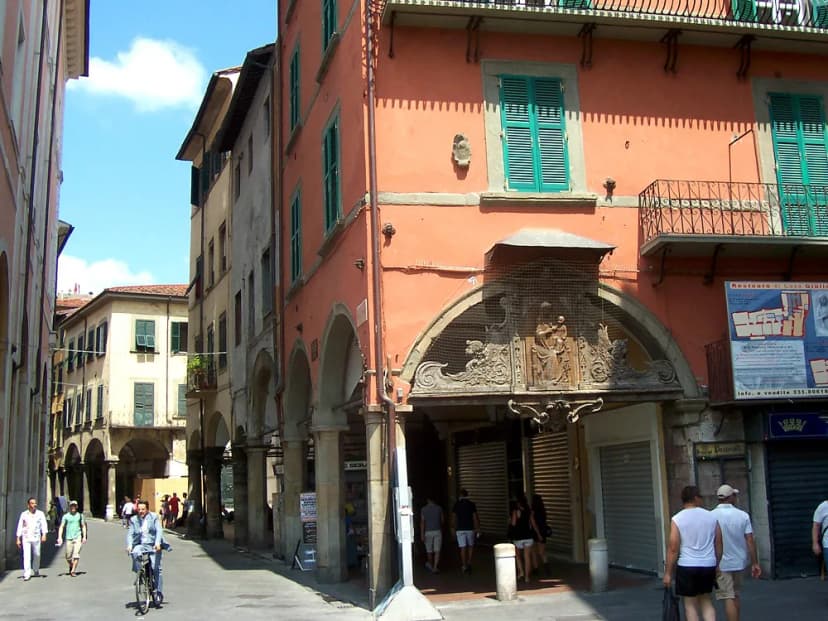
Pisa Areas to Avoid in 2026: Where to Be Cautious and Where to Stay
Last updated March 2026, this guide breaks down the short list of Pisa areas to avoid so a day trip or overnight stay stays smooth from the moment the train pulls in. Pisa remains a compact, walkable city and, in our editorial assessment, a relatively low-stress one for travelers, but a handful of specific streets near Pisa Centrale and the tourist crush around the Leaning Tower are worth knowing about before booking a room. Pair this breakdown with the general Pisa safety guide for the full picture, then use the neighborhood comparison further down to pick a base that fits the trip.
Pisa Areas to Avoid at a Glance
For travelers short on time, the areas to avoid in Pisa cluster around two places: the immediate surroundings of Pisa Centrale after dark, and the high-pressure vendor ring around Piazza dei Miracoli during the busiest daylight hours. Neither poses the kind of danger associated with violent crime; the concern in both spots is petty theft, loitering, and pushy sales tactics rather than anything more serious. Pisa is a compact city, and most of it feels relaxed and easy to navigate on foot, which is exactly why these two exceptions stand out enough to plan around. For comparison, Piazza dei Cavalieri, home to the Scuola Normale, sees far lighter foot traffic than Piazza dei Miracoli and is a useful gauge for how calm central Pisa feels away from its single most crowded square. The list below covers the specific streets and situations that come up most often in local travel discourse, with safer neighborhood alternatives and a full decision table further down the page.
- Viale Antonio Gramsci and Via Alessandro della Spina, the streets flanking Pisa Centrale, once the last commuter trains thin out the crowds
- The souvenir-stall gauntlet pressed right up against Piazza dei Miracoli, where pickpocketing risk peaks
- Unlicensed sellers offering bracelets, roses, or "free" trinkets near the Leaning Tower, a lead-in to a demanded payment
- Restaurants directly facing the Cathedral pushing unmarked tourist menus with hidden service charges
- Lingering outside the station's quieter side exits late at night instead of using the main, well-lit entrance
Why the Pisa Centrale Station Area Tops the List
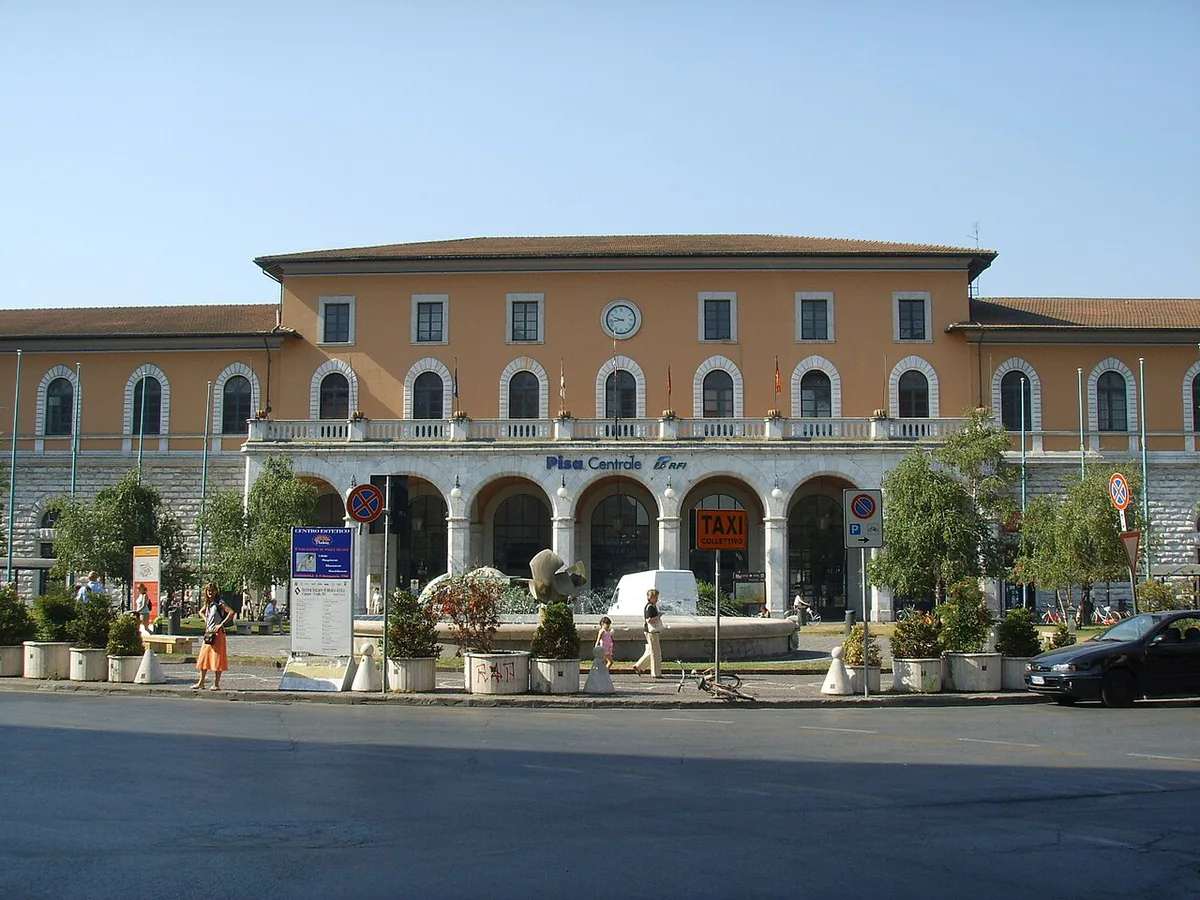
Pisa Centrale is the arrival point for most visitors, whether coming from Florence, an airport shuttle, or a coastal day trip, which makes the area around it impossible to simply skip. During the day, the station forecourt is busy and unremarkable. After dark, especially once evening trains empty out, the streets nearby, including Viale Antonio Gramsci and Via Alessandro della Spina, pick up more loitering and occasional aggressive panhandling. This is best understood as grit rather than genuine danger: petty theft and unwanted attention are the realistic risks, not violent crime, and none of it makes Pisa unusual among mid-sized European rail hub cities, where station districts commonly attract this kind of low-level friction. For a fuller breakdown of how the mood shifts after sunset, see the Pisa safety after dark guide. Practically, that means using the main, well-lit station exits facing the city center rather than cutting through quieter back routes, keeping bags zipped and in front while crossing the forecourt, and walking with intent rather than lingering to check a phone or map right outside the doors.
Day vs Night: How the Same Streets Change
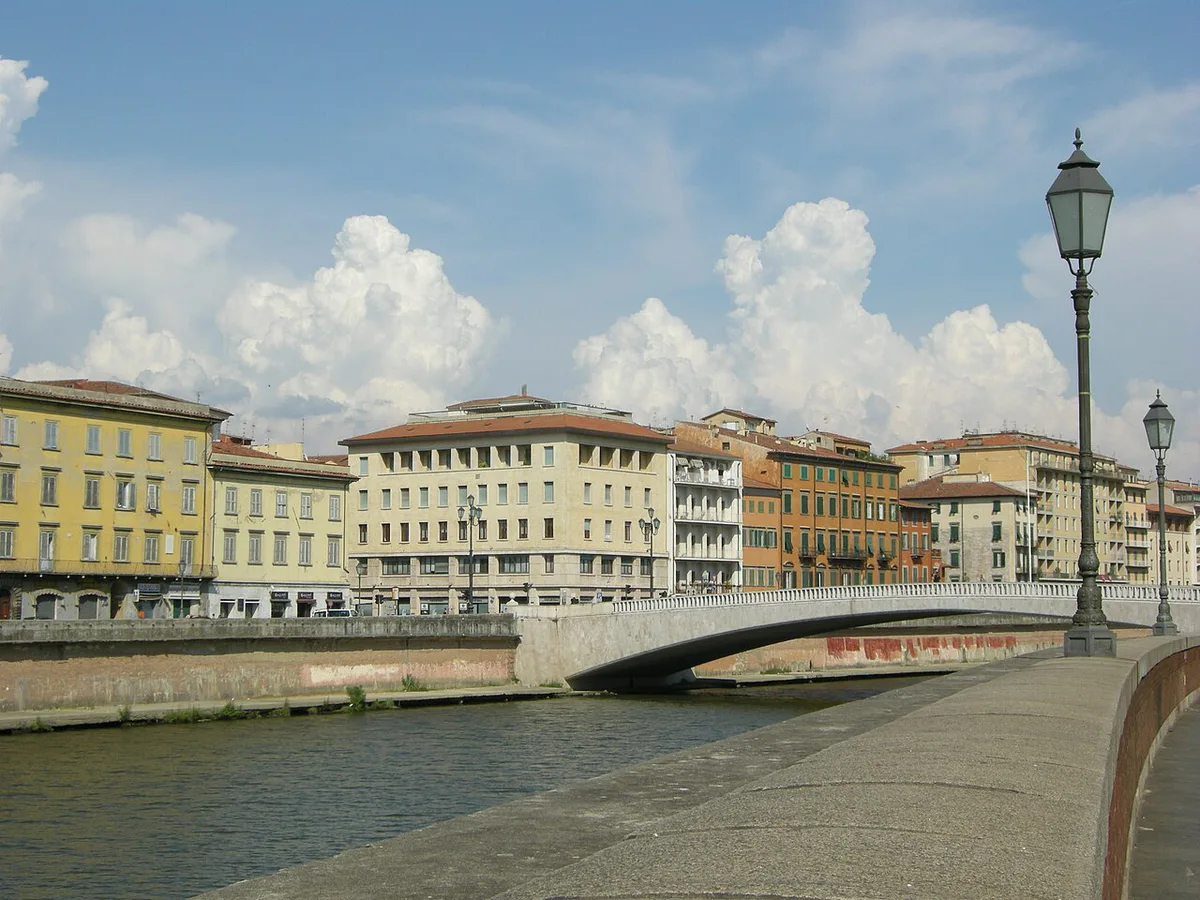
One of the more useful things to understand about the areas to avoid in Pisa is that they are largely time-dependent rather than permanently off-limits. Viale Antonio Gramsci and Via Alessandro della Spina function as ordinary commercial streets lined with shops and cafes during business hours, busy with commuters and students moving to and from the station. The shift happens gradually after the dinner-hour trains clear out, when foot traffic drops and the same stretch feels noticeably quieter and less supervised. The same logic applies to the historic center around the Cathedral: it is genuinely safe and pleasant to wander by day, packed with families and tour groups, but the souvenir stalls and their more aggressive sellers thin out by evening, giving way to a calmer, more residential mood once day-trip crowds head back to their coaches and cars. Timing a visit to the station corridor for daylight hours, or routing an evening return through the main square instead of back streets, sidesteps almost all of the concern raised above.
The station corridor and Piazza dei Miracoli's vendor stalls present time-dependent risks: safe by day but quieter and less supervised at night. Neighborhoods farther from these hubs, such as San Francesco or Sant'Antonio, maintain steady crowds and safety throughout the day and evening.
Safe Neighborhood Alternatives to Base Yourself
Once clear of the station corridor, Pisa's neighborhoods are consistently easy to walk after dark, so the choice of where to stay comes down to budget and vibe more than safety alone. Santa Maria sits closest to the Leaning Tower and Piazza dei Miracoli, with heavy foot traffic that keeps it feeling safe, though it runs noisier and pricier than the alternatives. San Francesco, the university district anchored by Scuola Normale students, stays lively with restaurants, theatres, and the Lungarno promenade well into the evening. Sant'Antonio is quieter and central, a solid fit for families, while San Martino is often described in local guides as the most peaceful of the bunch. San Giusto, near the station itself, is the budget pick, roughly a 20-minute walk from Piazza dei Miracoli. For scale, the walk from the National Museum of San Matteo to the Tower runs about 1.5 km, roughly 18 to 20 minutes on foot, a fair proxy for how compact the whole historic center actually is.
- Santa Maria: closest to the Tower, high foot traffic, rates from around €85 a night; trade-off is noise and higher prices
- San Francesco: student-driven, lively bars and theatres, rates from around €80 a night
- Sant'Antonio: quiet and central, well suited to families, rates from around €90 a night
- San Martino: the most peaceful of the central neighborhoods, rates from around €95 a night
- San Giusto: the budget base near the station, about a 20-minute walk to Piazza dei Miracoli, rates from around €60 a night
Getting Around Safely: Transport, Walking, and Solo Travel
Most of central Pisa is walkable, but the route between Pisa Centrale and Piazza dei Miracoli is the one stretch worth planning deliberately, particularly late at night or when traveling alone. Bus routes such as the LAM Rossa connect the station to the historic center and cut down on walking through the quieter stretches near the tracks. For route-by-route guidance on buses and safer walking lines through the city, check the Pisa public transport safety tips. Solo travelers, especially those walking back from Arno riverside restaurants and bars to a hotel late in the evening, should stick to the main lit thoroughfares rather than cutting through side streets, and default to a licensed Radio Taxi Pisa once the walk would otherwise pass back near the station after dark; the solo female travel advice page covers this in more depth. As a rule of thumb, if a walk means crossing back through the station's quieter side after roughly 10 PM, a short taxi ride is worth the cost.
Pisa Centrale is the unavoidable arrival point but presents evening grit—petty theft and loitering rather than violent crime. Staying near the station (San Giusto) minimizes walking risk, or using the LAM Rossa bus or Radio Taxi Pisa for late arrivals bypasses the quieter station corridor entirely.
Common Scams and Petty Crime in Otherwise Safe Areas
The area around Piazza dei Miracoli and the walking route from the station to the Tower are where petty crime concentrates, precisely because that is where the crowds concentrate. Dense clusters of visitors, all looking up at the Tower instead of at their belongings, create easy conditions for pickpocketing. The most common approach vendors use is the bracelet or photo scam: an unlicensed seller ties a bracelet onto a wrist or hands over a "free" souvenir, then demands payment once it is already in hand. Politely declining and not accepting anything handed over unprompted avoids the situation entirely. Around the Cathedral, some restaurants aimed squarely at tourist footfall add unmarked service charges or steer diners toward a fixed tourist menu; checking the printed price list before sitting down sidesteps this. For a full rundown of tactics to watch for across the city, see the common Pisa tourist scams guide.
Which Pisa Neighborhood Should You Choose?
Weighing budget, proximity to the Tower, and atmosphere side by side makes the choice easier than reading through five separate neighborhood write-ups.
| Neighborhood | Best For | From (per night) | Proximity to the Tower |
|---|---|---|---|
| Santa Maria | First-time visitors, nightlife | €85 | Closest, easy walk |
| San Francesco | Students, lively evenings | €80 | Short walk |
| Sant'Antonio | Families, quiet base | €90 | Central, moderate walk |
| San Martino | Peace and quiet | €95 | Central, moderate walk |
| San Giusto | Budget stays | €60 | About 20 minutes on foot |
- Early flights or late train arrivals: San Giusto or a base close to the station itself often outweighs the short-lived evening grit noted above
- Families and first-time visitors: Santa Maria or Sant'Antonio, both away from the station corridor after dark
- Longer stays on a tighter budget: San Giusto, with the 20-minute walk to Piazza dei Miracoli factored into the daily routine
- Travelers wanting nightlife with easy walking distance to sights: San Francesco, for its bars, theatres, and Lungarno promenade
Safe-Passage Route From Pisa Centrale to the Tower
If arriving by train, the simplest low-stress route is to leave Pisa Centrale through the main front exit onto Piazza della Stazione, continue toward Piazza Vittorio Emanuele II, then follow Corso Italia north through the busy shopping spine. Cross the Arno at Ponte di Mezzo, continue through Borgo Stretto, and angle toward Piazza dei Cavalieri before taking Via Santa Maria toward Piazza dei Miracoli and the Leaning Tower.
This route is not the shortest possible line on every map, but it keeps you on lit, commercial streets with steady pedestrian traffic for most of the walk. Late at night, avoid using the quieter station-side shortcuts around the San Giusto side or drifting along poorly trafficked blocks near Via Alessandro della Spina unless your hotel is there. If luggage is heavy or the arrival is after the evening foot traffic has thinned, a licensed taxi from the station rank is the easier choice.
For trip-planning details, see US State Department Italy travel advisory.
Frequently Asked Questions
Is Pisa safe for tourists in 2026?
Yes. In our editorial assessment, Pisa is a manageable, walkable city for tourists, with the main areas to avoid limited to the immediate Pisa Centrale corridor after dark and the pickpocket-prone crowds right around Piazza dei Miracoli. The realistic risks are petty theft and pushy vendors rather than violent crime.
What is the most sketchy area near Pisa Centrale station?
Local travel discourse points to the streets flanking the station itself, particularly Viale Antonio Gramsci and Via Alessandro della Spina, especially once evening trains thin out and loitering picks up. Using the main, well-lit station exits and heading straight toward the city center avoids most of the concern.
Is Piazza dei Miracoli safe at night?
The square itself is heavily trafficked and generally calm, but the walking route to and from it, along with the vendor stalls that ring it during the day, are where pickpocketing and bracelet scams cluster. Staying alert in the crowd matters more than the time of day here.
Where should first-time visitors stay in Pisa?
Santa Maria is the standard first-timer pick since it sits closest to the Leaning Tower and Piazza dei Miracoli, with rates starting around €85 a night. Sant'Antonio is a quieter, still-central alternative for families, from around €90 a night.
Do you need a taxi from Pisa Centrale at night?
Not always, but if a walk to a hotel would pass back through the quieter side of the station after roughly 10 PM, a short ride with a licensed Radio Taxi Pisa is a reasonable trade for the cost. Bus routes such as the LAM Rossa are a cheaper daytime option between the station and the center.