
Parma Areas to Avoid: A Local Safety Guide for Travelers
Last updated June 2026, this guide breaks down the short list of Parma areas to avoid so that booking accommodation in this Emilia-Romagna city feels straightforward rather than stressful. Parma, Italy is a compact, historically rich centre where the vast majority of streets are comfortable to walk at almost any hour, and the genuine caution points are narrow: the immediate train station surroundings after dark, and a few peripheral residential belts that hold no visitor draw to begin with. For the fuller citywide risk picture before drilling into individual neighborhoods, this pairs with the broader is Parma safe overview.
Is Parma, Italy Safe? A Quick Overview
Parma, Italy sits in the Emilia-Romagna region, and travelers researching Parma areas to avoid sometimes land on results for a different Parma altogether. Before anything else, a geographic correction is worth making: this guide covers Parma, Italy, home to the Pilotta Complex and a dense, walkable medieval centre, not Parma, Ohio, a Cleveland suburb that search engines occasionally surface instead when the country gets dropped from a query. The two share nothing beyond a name.
Most of Parma's caution points—the station surrounds after dark and peripheral residential belts—offer little visitor draw in the first place, so matching accommodation to travel style naturally sidesteps the few genuine concerns.
For travelers planning a 2026 stop in Emilia-Romagna, Parma is regularly grouped with Bologna and Modena among the region's more livable, lower-crime cities, and the overwhelming majority of it, including every street inside the historic walls, is comfortable to explore on foot at almost any hour. That is the direct answer worth leading with: the centre needs no avoiding whatsoever. What follows is not a citywide warning but a short list of specific pockets, mostly tied to time of day rather than blanket danger, plus a practical comparison of where different types of travelers tend to be happiest basing themselves.
Parma Areas to Avoid: The Specific Pockets to Know
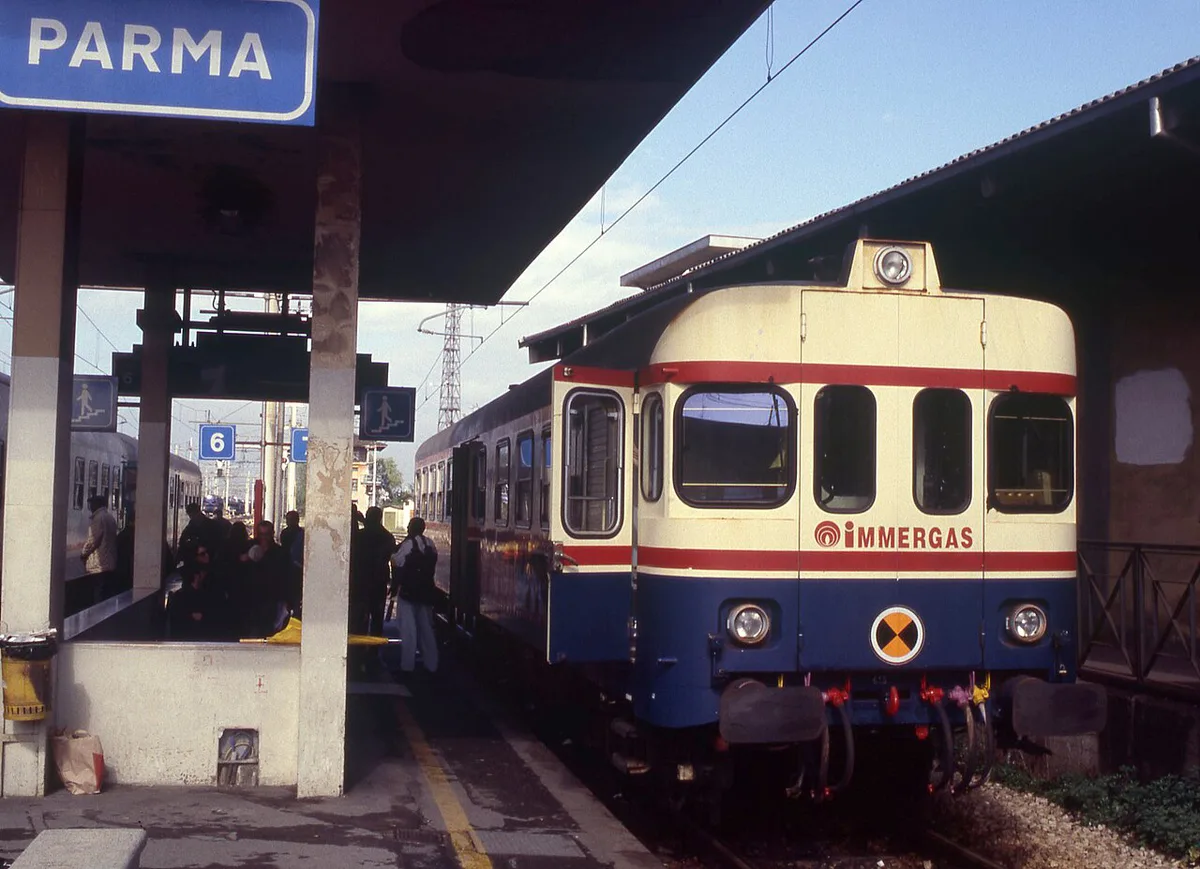
Rather than entire districts, the practical list of Parma areas to avoid comes down to a handful of specific pockets, and even those call for elevated caution rather than being struck from an itinerary entirely. Locals and repeat visitors most often flag three zones, two of which line up directly with the concerns behind this guide: the immediate station surrounds after dark, and the peripheral residential belts that hold no visitor draw in the first place.
- Stazione di Parma and Via Trento: The station itself and the stretch along Via Trento function normally for commuters throughout the day, but the immediate surroundings pick up loitering and occasional minor drug-related activity once evening sets in, with the streets immediately north of the tracks singled out most often as the less comfortable stretch after dark. Daytime arrivals and departures are routine; it is the after-hours forecourt that warrants a direct route to accommodation.
- San Leonardo district: A multi-ethnic, working-class neighborhood on the edge of the centre, San Leonardo is not dangerous by international standards, but its grittier, less polished streetscape can feel unfamiliar to visitors coming straight from the historic core's manicured piazzas. It holds essentially no sightseeing draw, so most travelers have little reason to pass through beyond a specific errand or a genuinely budget-driven stay.
- Peripheral industrial and residential belts: Outside the ring formed by the old city walls, Parma's outer edges give way to industrial zones and ordinary residential belts with no restaurants, sights, or lodging worth a detour. Nothing about these areas is adversarial; they simply offer nothing for a visitor, which is reason enough to keep itineraries centred on the historic core and its immediate surroundings.
Neighborhood Comparison: Where to Stay vs. Where to Avoid
The differences among Parma's four most-discussed areas are mostly about convenience, noise, and atmosphere rather than outright danger, since the city overall skews safe. Use the comparison below to weigh a historic-centre base against the trade-offs of Oltretorrente, San Leonardo, or a stay near the station, and pair it with the who-should-stay-where breakdown further down for a faster decision.
The station area offers transit convenience but comes with more loitering and rougher street feel after dark—a deliberate trade-off best reserved for travelers making very early or very late arrivals and departures.
| Area | Safety (editorial assessment) | Best For | Trade-off |
|---|---|---|---|
| Centro Storico (Historic Center) | High | First-timers, luxury stays, sightseeing on foot | Higher accommodation prices; ZTL restricts car access |
| Oltretorrente | Medium-High | Students, foodies, nightlife | Livelier and noisier after dark; narrow alleys |
| San Leonardo | Medium | Budget-conscious stays | Further from the main sights; grittier streetscape |
| Stazione area | Medium-Low | Transit-focused overnight stopovers | Loitering after dark; least scenic base |
Safety at Night: Navigating Parma After Dark
Once the sun goes down, the main planning question in Parma is what amounts to a station paradox: staying close to Stazione di Parma keeps regional trains and buses within easy reach, but that same convenience comes with more loitering and a rougher street feel once the shops around it close for the night. It is a trade-off worth deciding on deliberately rather than defaulting into by booking the closest hotel to the tracks.
Piazza Garibaldi and the pedestrianized lanes radiating from it, by contrast, stay busy with locals and visitors well into the evening, and most travelers find the walk back to centrally located accommodation from there comfortable without extra precautions. Sticking to these well-used routes, and giving the immediate station forecourt a wider berth after dark, covers most of what changes about Parma once the light fades. For route-level detail on exactly which stretches to prioritize and what shifts hour by hour, see this night safety in Parma walkthrough.
Common Petty Crimes and Tourist Scams in Parma
As in most Italian cities, the practical risk in Parma leans toward petty theft and opportunistic scams rather than anything violent, and it concentrates in predictable pinch points: the train station, crowded market days, and the busiest pedestrian lanes near the centre. Bags left unzipped, phones in back pockets, and distraction during peak footfall are the common openings that petty thieves rely on across Italy, and Parma is no exception.
Unsolicited offers of help with train tickets, sudden requests for directions, and impromptu petitions near the station are among the most frequently reported opening moves for a scam, and a polite but firm no shuts most of them down immediately. The dedicated Parma tourist scams guide catalogs the specific schemes circulating in 2026 and how to recognize and defuse each one before it goes further.
Who Should Stay Where: Practical Advice by Traveler Type
Matching a base to travel style resolves most of the areas-to-avoid question before it even starts, since nearly every practical concern in Parma is really a question of proximity and comfort rather than danger. The four traveler profiles below break down which part of the city tends to suit which visitor, based on the trade-offs already outlined in the comparison table above.
- Families and first-time visitors: The Centro Storico, for proximity to the Pilotta Complex and other sights, plus well-lit, heavily walked streets at nearly any hour.
- Budget travelers: Oltretorrente or the calmer edges of San Leonardo, accepting a somewhat longer walk back to the centre after dark in exchange for lower prices.
- Transit-focused overnight stopovers: The Stazione area, but only when arriving or departing very late or very early and prioritizing convenience over ambience or quiet.
- Solo travelers, including women traveling alone: The Centro Storico or Oltretorrente, paired with the dedicated solo female travel safety guide for routing and neighborhood-specific advice before booking.
Practical Logistics: Public Transport and Emergency Info
Getting around Parma safely is largely a function of using the city's established transport options rather than improvising on foot through peripheral belts late at night. TEP (Trasporti Pubblici Parma) runs the city bus network connecting the centre, the station, and outlying residential areas, while Trenitalia handles regional rail connections in and out of Stazione di Parma; both are the standard, reliable way to cover longer distances.
For emergencies, 112 is the standard number to call anywhere in Italy, including Parma, and it connects to police, medical, and fire services; it is worth saving before arrival rather than searching for it under pressure. The dedicated public transport safety guide covers current TEP and Trenitalia routes, typical operating patterns, and what to expect on late-night services in more depth.
The Verdict: Is Parma Worth Visiting?
Weighed against the short, specific list of caution points above, Parma remains an easy yes for most travelers in 2026. The historic centre, where the vast majority of sightseeing, dining, and lodging happens, needs no avoiding at all, and the handful of areas that do warrant extra attention, the station surrounds after dark and the peripheral residential and industrial belts, hold little draw for a typical visit in the first place.
For a first trip to Emilia-Romagna, Parma pairs a compact, walkable centre with straightforward transport links and a level of everyday safety that comfortably supports independent exploration, including for solo and family travelers. Treat the caution points here as planning inputs rather than reasons for concern, book a base that matches the travel-style breakdown above, and the areas-to-avoid question largely takes care of itself.
How Parma’s Safety Map Changes From the Center Outward
A useful way to picture Parma is as a compact historic core, with most visitor sights clustered south of Stazione di Parma and around Piazza Garibaldi, the Pilotta Complex, Strada Garibaldi, and the lanes leading toward the cathedral area. This central belt is the easiest part of the city to navigate: streets are short, foot traffic is steady, and hotels here rarely require crossing quieter outer districts after dinner.
The feel changes as you move north toward the station, Via Trento, and the streets beyond the railway line, where the city becomes more residential and less polished. West of the Parma stream, Oltretorrente remains close to the centre and is generally practical for dining and nightlife, though it can feel busier and narrower late at night. Beyond the old-city ring, the outer residential and industrial edges are not major tourist zones, so the safest planning rule is simple: stay inside or immediately beside the historic core unless you have a specific reason to go farther out.
For trip-planning details, see US State Department Italy travel advisory.
Frequently Asked Questions
Is Parma, Italy safe to visit in 2026?
Yes. Parma remains one of the more livable, lower-crime cities in Emilia-Romagna in our editorial assessment, and the historic centre in particular needs no special avoidance. The handful of caution points, mainly the station surrounds after dark and a few peripheral belts, are narrow and specific rather than signs of a citywide problem.
What is the area to avoid near Parma's train station?
The immediate forecourt of Stazione di Parma and the stretch along Via Trento, particularly the section immediately north of the tracks, are the most frequently cited spots for loitering and minor drug-related activity after dark. The same area functions normally for commuters during the day.
Is San Leonardo safe for tourists?
San Leonardo is not dangerous by international standards, but it is a multi-ethnic, working-class district that can feel gritty or unfamiliar compared with the polished historic centre, and it offers little sightseeing draw. It is best treated as a residential area rather than a stop on a typical itinerary.
Where should I stay in Parma to avoid the few problem areas?
The Centro Storico is the safest, most convenient base for first-time visitors and families, offering proximity to sights and well-lit streets. Budget travelers can consider Oltretorrente or the calmer edges of San Leonardo, while a stay right at the station is best reserved for very early or late transit connections.
Is Oltretorrente safe at night?
Oltretorrente rates medium-high on safety in our editorial assessment; its narrow alleys stay lively with students and diners well into the evening, though the noise and density can feel more intense than the historic centre. It is a reasonable base for travelers comfortable with a busier, more nocturnal neighborhood.
What should travelers know about petty crime and scams in Parma?
Petty theft and opportunistic scams, not violent crime, are the practical concern, concentrated around the station, market days, and busy pedestrian lanes. Keeping bags zipped and declining unsolicited offers of help with tickets or directions handles most situations travelers are likely to encounter.


