Is Warsaw Safe for Solo Female Travellers?
Last updated July 2026, and the short answer to whether Warsaw is safe for solo female travellers is yes: this compact, walkable capital is consistently rated comfortable and low-hassle for women exploring on their own, with catcalling far less common than in many other European capitals. Poland's currency is the Polish Zloty (PLN), and Warsaw's mix of well-lit central districts, an efficient public transport network, and a genuinely helpful local culture makes solo logistics easier than first-time visitors often expect. This guide breaks down exactly where to base yourself, how to move around after dark, and which everyday situations deserve a bit of extra caution.
The Verdict: Is Warsaw Safe for Solo Female Travel?
Warsaw is generally very safe for women travelling alone, and it tends to compare favourably with other major Western European capitals on everyday comfort and low-hassle logistics. Poland as a whole, and Warsaw specifically, sees relatively little of the aggressive street harassment that solo female travellers report in some other big cities, and locals are typically willing to help if you look lost or ask for directions. For a fuller neighborhood-by-neighborhood and statistical breakdown, see this Warsaw safety overview and the Warsaw crime rate context, which give the wider statistical picture behind this guide's practical advice.
Safest Neighborhoods for Solo Female Stays in Warsaw
Where you book matters as much as how careful you are once you land, and Warsaw's central-west districts give solo women the best mix of visibility, transport access, and evening walkability. Śródmieście, the city center, is busy and well-lit with constant foot traffic, making it a reassuring first-timer base even though it can feel hectic. Powiśle, tucked along the river below the city center, is a quieter, increasingly popular pocket with cafes and easy metro access. Mokotów offers a more residential, low-key feel while staying well connected to the center by metro and tram. For a deeper comparison of these and other districts, including trade-offs between price and commute time, see the dedicated guide to the Safest Neighborhoods in Warsaw: A 2026 District-by-District Safety Guide.
- Śródmieście (City Center): High visibility, well-lit streets, constant foot traffic, but busier and noisier at night
- Powiśle: Quieter riverside pocket with good metro access and a growing cafe scene
- Mokotów: Residential and calm, with solid metro and tram links into the center
- Decision criteria: weigh proximity to a metro station against nightly room rates when comparing options

Areas to Approach with Caution
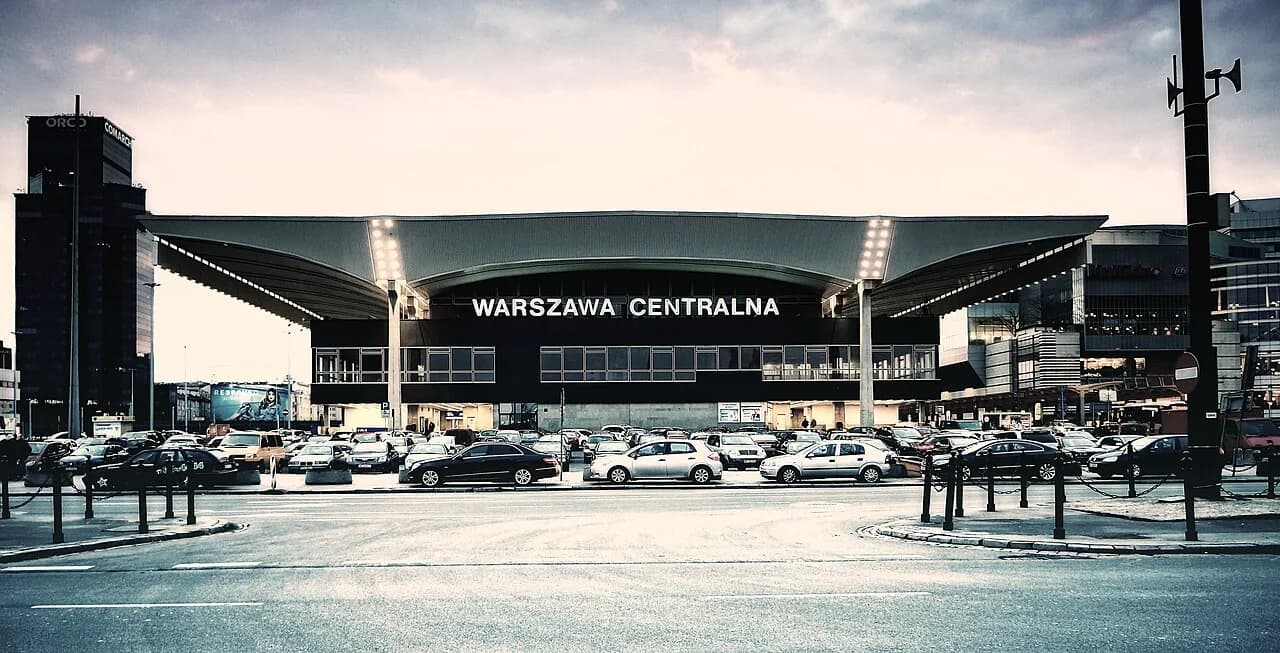
No major capital is uniformly safe everywhere, and Warsaw is no exception, so it is worth knowing which pockets deserve a more alert approach. Praga Północ, across the river on the right bank, has a genuine split character: parts of it have gentrified with galleries, bars, and boutique studios, while older sections retain a rougher edge, so daytime exploring is far more comfortable than wandering unfamiliar side streets there after dark. The immediate perimeter of Warszawa Centralna, the main train station, also warrants extra awareness late at night, since transit hubs anywhere tend to attract petty opportunists. For street-level detail on specific blocks and junctions to route around, consult the areas to avoid in Warsaw guide, and pair it with the dedicated Warsaw night safety breakdown before planning any late walks.
- Praga Północ: Visit the gentrified pockets by day; avoid unfamiliar backstreets after dark until you know the area
- Warszawa Centralna perimeter: Stay alert late at night and prefer a pre-booked ride over lingering outside
Navigating Warsaw Safely: Transport & Logistics for Solo Female Travellers
Warsaw's public transport network, run by the city's transport authority ZTM, is dense enough that solo women rarely need to walk long stretches alone at night. Trams and the Metro are generally safe and well used, and the Metro runs 24 hours on weekend nights, which is a real advantage if you are heading back from dinner or a bar late on a Friday or Saturday. For ride-hailing, Uber, Bolt, and FreeNow all operate in Warsaw; always confirm the license plate and driver name against the app before getting in, and note that Polish regulations require licensed drivers to hold a Polish driving license, which is worth knowing if a driver's documentation looks inconsistent. When flagging a taxi on the street rather than booking through an app, only use clearly marked vehicles with a visible company name, phone number, and roof light reading Taxi, since unbranded cars are far more likely to overcharge. Journey planning is easiest with the Jakdojade app, which covers Warsaw's buses, trams, and Metro in real time. For the full rundown on bus, tram, and Metro-specific etiquette and safety, see Warsaw Public Transport Safety: A 2026 Guide to the Metro, Trams, and Night Buses.
Two recurring scam patterns affect travelers using Warsaw's transit: unregulated taxis outside nightlife spots cause overcharging, while pickpockets target crowded buses, trams, and the Old Town. Use app-verified ride-hailing (Uber, Bolt, FreeNow) and marked taxis instead; keep bags zipped and worn forward in dense crowds.
- Metro: Runs 24 hours on weekend nights, a useful option for late solo trips back to your accommodation
- Ride-hailing: Uber, Bolt, and FreeNow operate citywide; verify plate and driver name in-app before boarding
- Taxis: Only use marked cars with a visible company name, phone number, and roof light
- Journey planning: Use the Jakdojade app for real-time bus, tram, and Metro routing
Night Safety and Solo Social Culture in Warsaw
Central Warsaw stays lively well into the evening, and main streets in Śródmieście and around the Old Town remain well lit and busy, which keeps most solo evening walks feeling manageable. For solo dining without the pressure of a full sit-down restaurant, a Bar Mleczny, or milk bar, is a distinctly Polish option: these budget cafeteria-style spots serve simple, hearty Polish food and are a low-key, low-hassle way to eat alone without needing a reservation or making conversation. In bars and nightlife areas, be wary of touts steering solo visitors, particularly men, toward so-called gentlemen's clubs with inflated bills, and keep a normal watch on your drink at any bar, as with any major city's nightlife district. Full detail on which streets stay busiest after dark and where to be more cautious is covered in the Warsaw night safety guide.
Basing accommodation in Śródmieście, Powiśle, or Mokotów means returning to neighborhoods that maintain evening foot traffic and visibility. Public transport density and 24-hour metro service on weekend nights provide reliable backup for solo late-night returns, eliminating the need for extended solo walks.
- Stick to well-lit, busy main streets in Śródmieście and the Old Town when walking after dark
- Try a Bar Mleczny (milk bar) for low-pressure, budget solo dining
- Avoid touts directing you toward unlicensed "gentlemen's clubs" with inflated bills
- Keep an eye on your drink at bars and clubs, as you would in any large city
Common Scams and Petty Crime to Watch For
Warsaw's scam landscape is mild compared with many European capitals, but a few patterns recur often enough to know in advance. The spilled-drink or helpful-stranger routine, where someone creates a distraction to get close to your bag or pockets, shows up in busier tourist areas. Unregulated taxis waiting outside nightlife spots or the airport are a common source of overcharging, which is exactly why sticking to marked cars or app-based ride-hailing matters. Pickpocketing risk rises in the Old Town's crowded lanes and on packed buses and trams during peak hours, so keep bags zipped and worn to the front in dense crowds. The Warsaw Tourist Scams: 12 Traps to Avoid in 2026 (And What to Do Instead) guide covers bar and taxi-specific scams in more depth, including exact tactics to recognize.
- Spilled-drink or "helpful stranger" distractions near tourist crowds
- Overcharging in unbranded, unregulated taxis
- Pickpocketing in the Old Town and on crowded buses or trams
Practical Safety Resources for Solo Female Travellers in Warsaw
Keep the essentials on hand before you land: the general emergency number across Poland is 112, and it connects to police, medical, and fire services. For everyday transport planning, Jakdojade and Google Maps between them cover routing, live departures, and walking directions accurately across the city. English is widely understood in central Warsaw, especially among hotel staff, transport workers, and younger residents, though it is still worth having a translation app on hand for less central areas or for an emergency conversation with an older resident. The official Warsaw Tourist Office offers maps and neighborhood guides, while ZTM Warsaw publishes official transport rules and route planning tools.
- Emergency number: 112 (police, medical, fire)
- Apps: Jakdojade for public transport, Google Maps for walking and driving directions
- English: Widely spoken centrally, especially by younger residents, hotel and transport staff
- Official resources: Warsaw Tourist Office and ZTM Warsaw for maps and transport rules
Warsaw Solo Travel Checklist for Women
Before heading out each day or night in Warsaw, run through a short mental checklist to keep logistics simple and stress-free. Booking your stay in Śródmieście, Powiśle, or Mokotów sets you up with easy transport and well-lit streets from the start, and pairing that with app-based ride-hailing at night removes most of the guesswork around getting home safely.
- Do: Book accommodation in Śródmieście, Powiśle, or Mokotów for easy transport and good lighting
- Do: Use Uber, Bolt, or FreeNow (verified in-app) or a clearly marked taxi at night, especially from Warszawa Centralna
- Do: Keep bags zipped and to the front in crowded areas like the Old Town and packed trams
- Don't: Wander unfamiliar backstreets in older parts of Praga Północ after dark
- Don't: Get into an unmarked, unbranded car claiming to be a taxi
- Don't: Follow touts promoting unlicensed bars or clubs with vague pricing
Left Bank vs Right Bank: What Feels Different for Solo Women
For most first-time solo female travellers, Warsaw’s left bank of the Vistula feels easiest: Śródmieście, Muranów, Powiśle, and Mokotów have denser transport links, more evening foot traffic, and simpler routes back to hotels or apartments. This is where you will find the Palace of Culture and Science, Nowy Świat, the Royal Route, the Old Town, and most central museums, so navigation feels straightforward even after dark.
The right bank is not automatically unsafe, but it feels less uniform. Praga Północ has some excellent visitor spots, including Centrum Praskie Koneser, Ząbkowska Street, and the Polish Vodka Museum area, yet the mood can change quickly on quieter side streets. Treat it as a daytime or early-evening destination until you know the area, then use the metro, tram, or a verified ride-hail back across the river. For accommodation, the left bank is usually the more comfortable default for a short solo trip.
Frequently Asked Questions
Is Warsaw safe for solo female travellers at night?
Yes, in general. Central areas like Śródmieście and the Old Town stay well lit and busy into the evening, and the Metro runs 24 hours on weekend nights, making late returns easier. Extra caution is worth applying around the Warszawa Centralna perimeter and in less familiar parts of Praga Północ. See the full Warsaw night safety guide for street-level detail.
What is the safest neighborhood in Warsaw for solo women to stay?
Śródmieście, Powiśle, and Mokotów are the most commonly recommended bases, each offering strong transport links and well-lit streets. The choice usually comes down to weighing proximity to a metro station against price; see the Safest Neighborhoods in Warsaw: A 2026 District-by-District Safety Guide guide for a fuller comparison.
Is it safe to use Uber or Bolt alone in Warsaw?
Yes, ride-hailing through Uber, Bolt, or FreeNow is a solid option for solo women, provided you confirm the license plate and driver name against the app before getting in. Polish regulations require licensed drivers to hold a Polish driving license, so mismatched documentation is worth flagging.
How much English is spoken in Warsaw for emergencies?
English is widely understood in central Warsaw, particularly among hotel staff, transport workers, and younger residents. In an emergency, dial 112, which connects to police, medical, and fire services across Poland.
What scams should solo female travellers watch for in Warsaw?
The main patterns to know are spilled-drink or helpful-stranger distractions near tourist crowds, overcharging by unbranded taxis outside nightlife areas, and pickpocketing in the Old Town and on crowded buses or trams. The Warsaw Tourist Scams: 12 Traps to Avoid in 2026 (And What to Do Instead) guide covers bar and taxi-specific tactics in more depth.