Safest Neighborhoods in Warsaw
Last updated June 2026: Warsaw remains one of the calmer capitals in Europe, but knowing the safest neighborhoods in Warsaw is what turns a relaxed stay into one spent worrying about quiet streets after dark. This guide separates the leafy, low-crime residential pockets favored by families and expats from the busier, well-lit tourist core, and flags the districts that call for a bit more caution. For a broader picture of how the city stacks up overall, start with is Warsaw safe for travelers before choosing a base.
Quick Answer: The Safest Neighborhoods in Warsaw
For most visitors, the safest neighborhoods in Warsaw cluster into a short, repeatable list depending on why you are traveling. Wilanów, Ursynów, Mokotów, Saska Kępa, and Śródmieście Południowe (the southern part of downtown, around Plac Zbawiciela) are the areas that come up again and again for quiet streets, low property crime, and consistent street lighting. Warsaw as a whole is regarded, in our editorial assessment, as one of the more relaxed European capitals to walk around, and violent crime against visitors is uncommon; the more realistic day-to-day risk is petty theft and pickpocketing in crowded tourist pockets rather than personal safety after dark. Families tend to gravitate toward Wilanów and Ursynów for their residential calm, solo travelers do well in Śródmieście Południowe and Mokotów where foot traffic stays high into the evening, and expats weighing longer stays usually shortlist Mokotów, Saska Kępa, or Ursynów for the balance of security, transit access, and everyday amenities.
- Wilanów — gated, family-oriented, low crime, best for families and long-term expats
- Ursynów — high-density residential, metro-served, statistically very safe
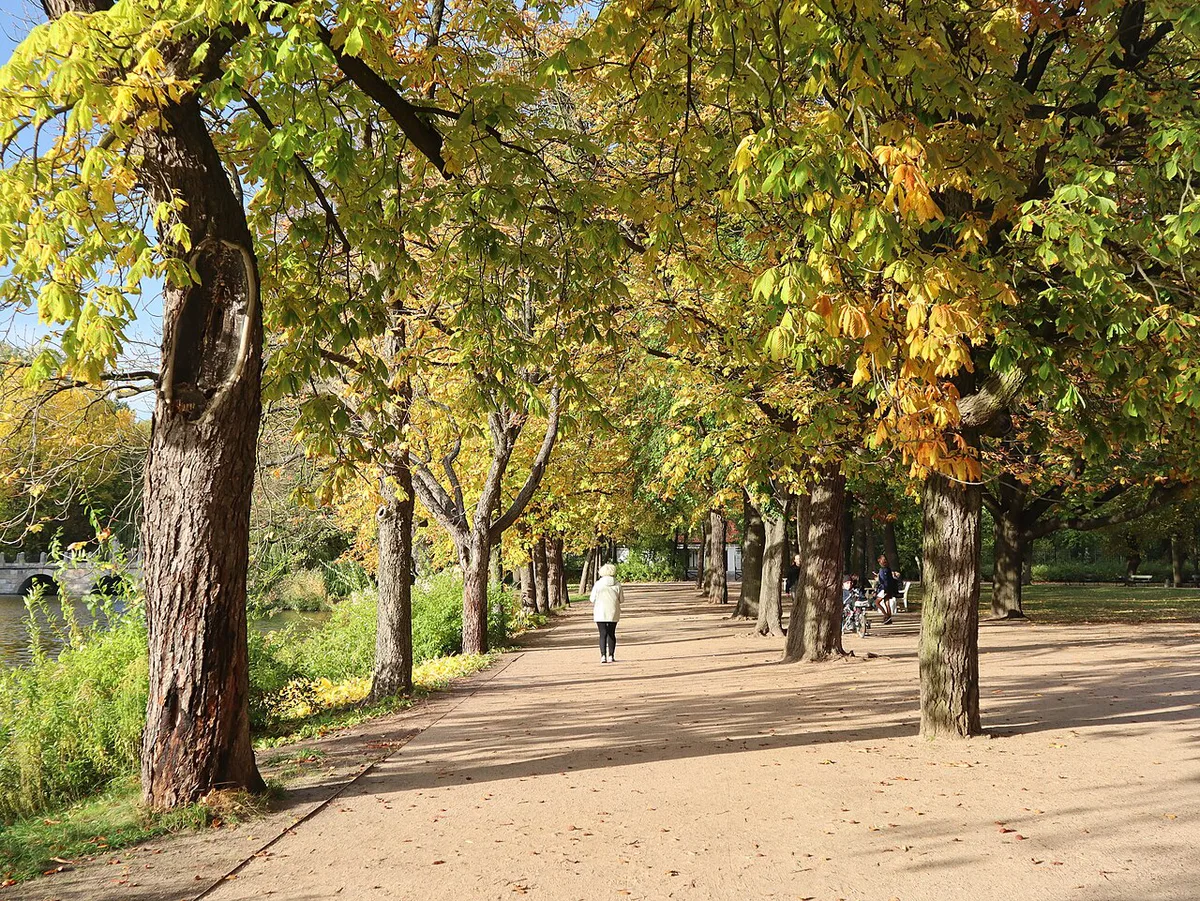
- Mokotów (Stary Mokotów) — leafy, prestigious, well-lit streets and parks
- Saska Kępa — the embassy-district feel; quiet and affluent on the east bank
- Śródmieście Południowe — busy, well-lit downtown pocket, safe for solo walkers thanks to constant foot traffic
Warsaw Safety Geography 101: West Bank, East Bank, and the Safety Paradox
The Vistula River runs north to south through Warsaw and splits the city into two distinct halves. The west bank is generally busier and nicer, and it holds the majority of the tourist attractions, the main train station, and the bulk of recommended accommodation. The east bank has a grittier reputation overall, historically tied to working-class Praga, but it is more varied than that label suggests — it also contains some of the city's most upscale, embassy-lined pockets, chiefly Saska Kępa. Central Śródmieście, meaning literally the middle of the city, is technically one large district that actually contains several distinct neighborhoods, including Powiśle, Śródmieście Południowe, and the Old and New Towns. This is also where Warsaw's so-called safety paradox shows up most clearly: recorded petty-crime statistics can look higher here simply because pickpockets and scam artists concentrate wherever tourist crowds do, yet the same streets remain very safe for walking after dark because of dense foot traffic, well-lit boulevards, and a visible city guard (Straż Miejska) presence. For the numbers behind these patterns by district, see Warsaw's crime rate by district before deciding how much weight to give raw statistics versus lived, street-level safety.
Deep Dive: Warsaw's Safest Districts for Families, Solo Travelers, and Expats
Śródmieście, Warsaw's central district, is the reliable base for most visitors — it is compact, well policed, and puts you within walking distance of the main sights, though it shares in the pickpocket-related paradox described above. Just south of the Old Town, Powiśle is a leafy, largely residential riverside pocket with tree-lined streets, light traffic, and a calm, modern feel that suits couples and quieter city-center stays. Mokotów, especially the Stary Mokotów pocket, is residential and leafy with well-lit streets and generally low crime, making it a favorite with families and remote workers who want distance from nightlife noise without losing easy transit access. The Old Town and New Town (Stare Miasto and Nowe Miasto) are touristy but safe, patrolled heavily and busy with foot traffic well into the evening, though their popularity also makes them a magnet for pickpockets and scam artists working the crowds. Saska Kępa, on the east bank, carries an embassy-district calm — quiet, affluent, and comfortable for evening strolls despite sitting across the river from grittier Praga. Ursynów, further south, is high-density residential but statistically very safe, and it is well served by the metro for anyone commuting into the center. Śródmieście Południowe, the South Downtown pocket around Plac Zbawiciela, is a strong pick specifically for solo travelers, since its café-and-restaurant foot traffic keeps streets populated late into the night; read more in solo female travel safety guidance for Warsaw before settling on a neighborhood. Praga, by contrast, suits nightlife-first travelers who are comfortable trading some polish for a livelier, more artistic late-night scene, provided they stick to the well-trodden streets around its main venues rather than wandering quieter side streets alone.
Śródmieście and the Old Town's higher crime statistics reflect pickpockets concentrated in tourist crowds, not violent crime. The same density of foot traffic and police presence that attracts petty thieves also creates genuinely safe conditions for evening walks.
| Neighborhood | Safety Vibe | Primary Risk | Best For |
|---|---|---|---|
| Wilanów | Gated / Quiet | Minimal; occasional car break-ins | Families, long-term expats |
| Mokotów (Stary Mokotów) | Leafy / Residential | Minimal; low property crime | Families, remote workers |
| Saska Kępa | Affluent / Calm | Minimal | Evening walkers, expats |
| Ursynów | Busy / Well-lit near metro | Standard urban petty theft | Metro commuters, families |
| Śródmieście Południowe | Busy / Well-lit, high foot traffic | Pickpocketing in crowds | Solo travelers, nightlife-adjacent stays |
| Powiśle | Leafy / Calm riverside | Minimal | Couples, quiet central base |
| Stare Miasto & Nowe Miasto | Touristy / Well-patrolled | Pickpockets, tourist scams | First-time visitors, walkable sightseeing |
| Praga Północ | Mixed / Improving | Petty crime on quieter side streets | Nightlife-first travelers who stay on main routes |
Safety Trade-offs: Transport, Cost, and Location
Getting around safely matters as much as where you sleep. Warsaw's metro runs on two lines — one north to south, one east to west — both of which cross through the city center, so basing yourself near a station on either line keeps late-night trips short and well-lit. Night buses fill the gaps once the metro closes, but they naturally involve more waiting and walking than a direct metro ride, so plan around metro hours where possible; see Warsaw safety after dark for more on getting home safely once the sun goes down. For point-to-point trips, ride-hailing apps such as Uber and Bolt are the more predictable option compared with unregulated street taxis, and general guidance on getting around securely is covered in public transport safety tips. On cost versus security, the safest neighborhoods are not uniformly expensive: Wilanów's gated, low-density feel typically commands a premium over denser Ursynów, which delivers comparable safety with easier, cheaper metro access into the center — a useful trade-off for anyone balancing budget against peace of mind. In terms of access, Wilanów and Saska Kępa sit further from the main sightseeing core than Mokotów, Powiśle, or Śródmieście Południowe, so factor in a longer commute if you prioritize the quietest possible base.
Prioritize metro proximity, lighting, and active storefronts over seclusion when choosing a base. Ursynów demonstrates that comparable safety to premium Wilanów costs less and offers easier, cheaper metro access.
Areas to Approach with More Caution
Praga Północ, on the east bank, is the area most often flagged for extra caution. It has a genuine split personality: parts of it are increasingly known as artistic hubs with galleries, studios, and bars drawing a creative crowd, while other streets nearby remain quieter, less populated after dark, and better avoided on a solo late-night walk. For a fuller breakdown of specific streets and pockets to be more careful around, see areas to avoid in Warsaw before wandering off the main routes in Praga. Even in the safest-feeling parts of the city, the Old Town (Stare Miasto) deserves a mention here too — not because of violent crime, but because its dense tourist crowds are a magnet for pickpocketing and classic scam setups. Keep valuables zipped away and stay alert in queues, restaurant terraces, and crowded squares in the historic core, where distraction-based theft is the more realistic concern than anything more serious.
Practical Safety Tips for Every Traveler
The general emergency number across Poland, including Warsaw, is 112, and it is worth saving before you arrive rather than searching for it in the moment. Scams in the city center tend to follow familiar patterns rather than anything exotic — overpriced menus without visible prices, unlicensed taxi drivers approaching near tourist landmarks, and distraction tactics in crowded queues — and a fuller rundown of what to watch for is covered in common Warsaw tourist scams. For nightlife, Plac Zbawiciela (Savior Square) in Śródmieście Południowe has a relaxed, local café-and-bar atmosphere with steady foot traffic that makes it comfortable for an evening out, while Mazowiecka Street in the center leans into a louder, more concentrated bar-crawl scene that draws bigger crowds later at night — both are considered safe in general, but Mazowiecka's density means more of the petty-crime patterns typical of any busy nightlife strip. As with any capital city, sticking to well-lit, populated streets, keeping bags zipped and in front of you on trams and at markets, and avoiding unmarked taxis outside the airport or train station will cover most of the practical risk you are likely to encounter.
Street-Level Safety Checks Before Booking
Even inside Warsaw’s safest districts, the exact street matters. For a short stay, prioritize buildings within a simple, well-lit walk of a metro stop or tram corridor rather than a quiet cul-de-sac that empties out after dark. In Mokotów, areas around Metro Racławicka, Pole Mokotowskie, and Metro Wierzbno usually offer a good mix of residential calm and regular evening foot traffic. In Ursynów, Metro Natolin, Imielin, and Kabaty are practical because late returns involve a clear route from the station through busy residential avenues.
In Wilanów, check the walk from your accommodation to al. Rzeczypospolitej or ul. Klimczaka, where shops, restaurants, and newer apartment blocks keep the area active later than purely residential lanes. In Saska Kępa, streets near ul. Francuska feel more comfortable for evening walks than darker side streets closer to the river. A safer base is usually not the most secluded one, but the one with lighting, visible entrances, open businesses, and transport stops nearby.
Frequently Asked Questions
What is the safest neighborhood in Warsaw for families?
Wilanów is generally considered the top pick for families, thanks to its gated, low-density feel and quiet residential streets, closely followed by Mokotów and Ursynów, both of which combine leafy surroundings with good access to schools, parks, and public transport.
Is Śródmieście safe despite having higher recorded crime statistics?
Yes. Śródmieście's higher petty-crime figures largely reflect pickpocketing and scams concentrated around its tourist crowds, not violent crime. The same density of foot traffic and police presence that draws opportunistic thieves also makes the area feel — and generally be — safe for walking, even after dark.
Where should solo female travelers stay in Warsaw?
Śródmieście Południowe (around Plac Zbawiciela) and Mokotów are strong choices, since both stay busy with local foot traffic into the evening rather than emptying out. For more detailed guidance, see the dedicated solo female travel safety resource for Warsaw.
Is Praga safe to visit at night?
Praga, particularly its artistic hubs, is popular for nightlife and generally fine if you stick to well-trodden main streets, but Praga Północ has quieter side streets that are better avoided alone late at night. Check specific streets to avoid before planning an evening there.
What is the emergency number in Warsaw?
Dial 112 for police, fire, or medical emergencies anywhere in Warsaw and across Poland; operators can typically direct English-speaking callers to the appropriate service.
Are the safest neighborhoods in Warsaw also the most expensive?
Not necessarily. Wilanów's gated, low-density character does carry a premium over denser Ursynów, but Ursynów offers comparable safety with easier, more affordable metro access into the center, so budget-conscious travelers do not have to sacrifice security.