Warsaw Areas to Avoid: A Local Safety Guide for Travelers
Last updated June 2026: search for Warsaw areas to avoid and the honest answer is that Poland's capital does not have true no-go zones, even in neighborhoods with a rough-around-the-edges reputation. What visitors actually need is nuance — knowing which pockets of Praga Północ, the main railway station, and a few nightlife streets call for extra street smarts after dark, and which areas are simply gritty-looking rather than genuinely risky. This guide walks through those pockets block by block so a Warsaw trip is not shaped by outdated myths.
Warsaw Areas to Avoid: The Fast Answer
Warsaw is consistently ranked among the safer capital cities in Europe, and violent crime affecting tourists is rare. The idea of dedicated Warsaw areas to avoid does not really hold up against how the city functions day to day — there is no district where a visitor should not set foot at all. What exists instead are a handful of pockets that feel grittier than the polished city center, mostly around transit hubs, a few nightlife strips, and some Praga streets that have not fully caught up with the gentrification next door. For the full picture on how Warsaw compares with other capitals and what its low violent-crime rate means in practice, see this overview of Warsaw's overall safety and how Warsaw's crime rate compares with other EU capitals. The rest of this guide covers the specific pockets worth knowing about, why they built their reputations, and what to actually expect when walking through them.
Praga Północ: Reputation vs. Reality
Praga Północ, across the Vistula River from the historic center, spent decades as the district locals half-jokingly called Warsaw's Bermuda Triangle — a legacy of postwar neglect and a rougher street culture that outlasted the rest of the city's rebuild. That reputation is increasingly out of date. Praga has gone through a visible gentrification wave, with art galleries, independent cafes, and creative hubs like the Google Campus space moving into former factory buildings alongside the district's prewar tenements. That said, a handful of streets — Brzeska and Szwedzka among them — still look rougher than the cafes a block over, with cracked facades and a heavier public-drinking presence. During the day these streets are safe to walk with normal awareness; after dark they warrant the same street smarts as any patchy urban block, covered in more depth in this guide to Warsaw safety after dark. Travelers weighing a base in Praga versus the center can compare options in Warsaw's safest neighborhoods for visitors.
- Brzeska Street: gritty facades, safe by day, more awareness needed at night
- Szwedzka Street: similar mix of grit and gentrification
- Soho Factory and nearby creative hubs: the gentrified counterpoint just blocks away
City Center Pockets to Watch
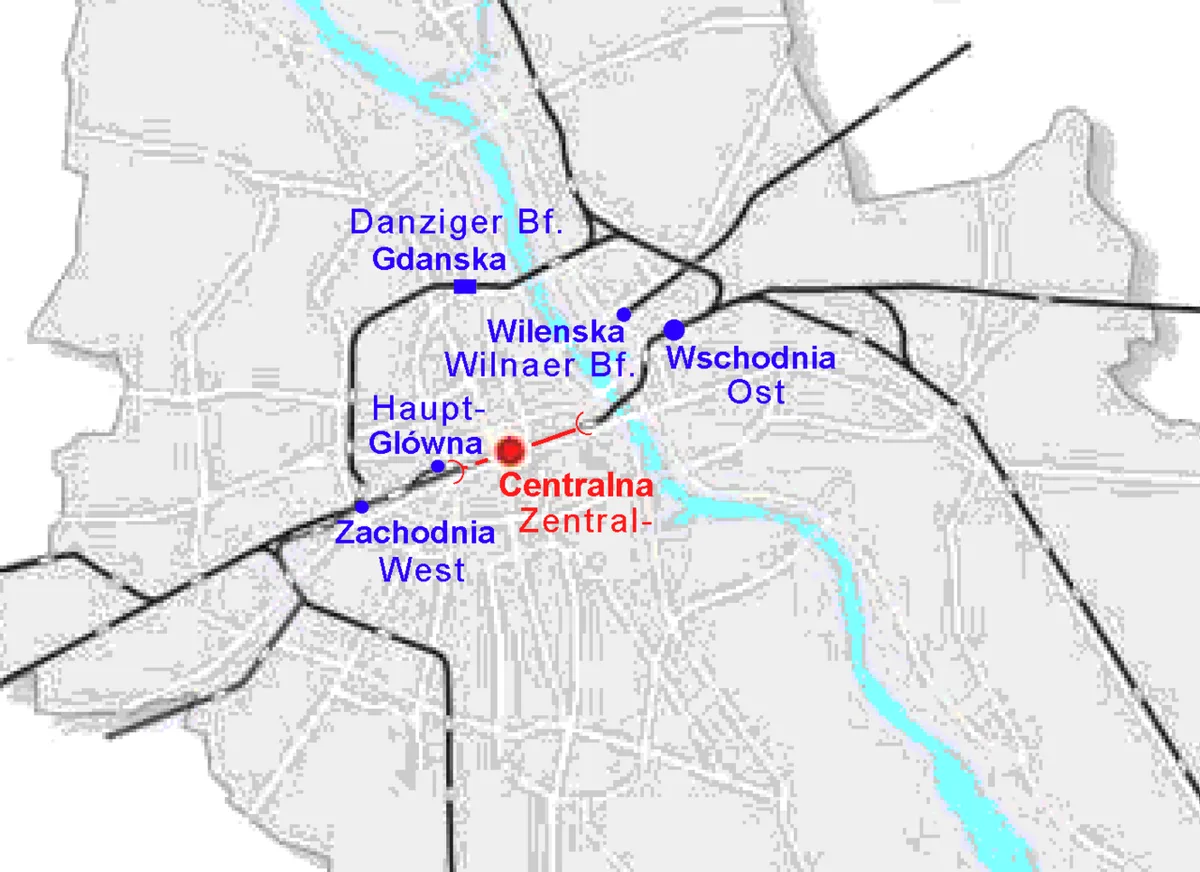
A few pockets inside the city center itself cause more traveler headaches than any residential district. Around the Metro Centrum exit, known locally as the Patelnia (the "frying pan") for its wide paved plaza, heavy foot traffic brings the city's highest concentration of pickpockets and aggressive charity collectors — it is not dangerous, just high-friction, and worth treating the way any crowded transit plaza in a major European capital deserves to be treated. Warszawa Centralna, the main railway station, is similar: busy and well-used by day, but its underground tunnels pick up a grittier edge late at night, with some rough sleepers and a generally less welcoming feel once the shops close. The open plazas around the Palace of Culture and Science turn large and dark after midnight, so looping around on a lit route beats cutting straight across late at night. None of this amounts to serious danger, but it explains why scam and pickpocket awareness matter more here than almost anywhere else in the city, a topic covered in Warsaw's most common tourist scams and this public transport safety guide.
Nightlife Zones and Alcohol-Related Safety
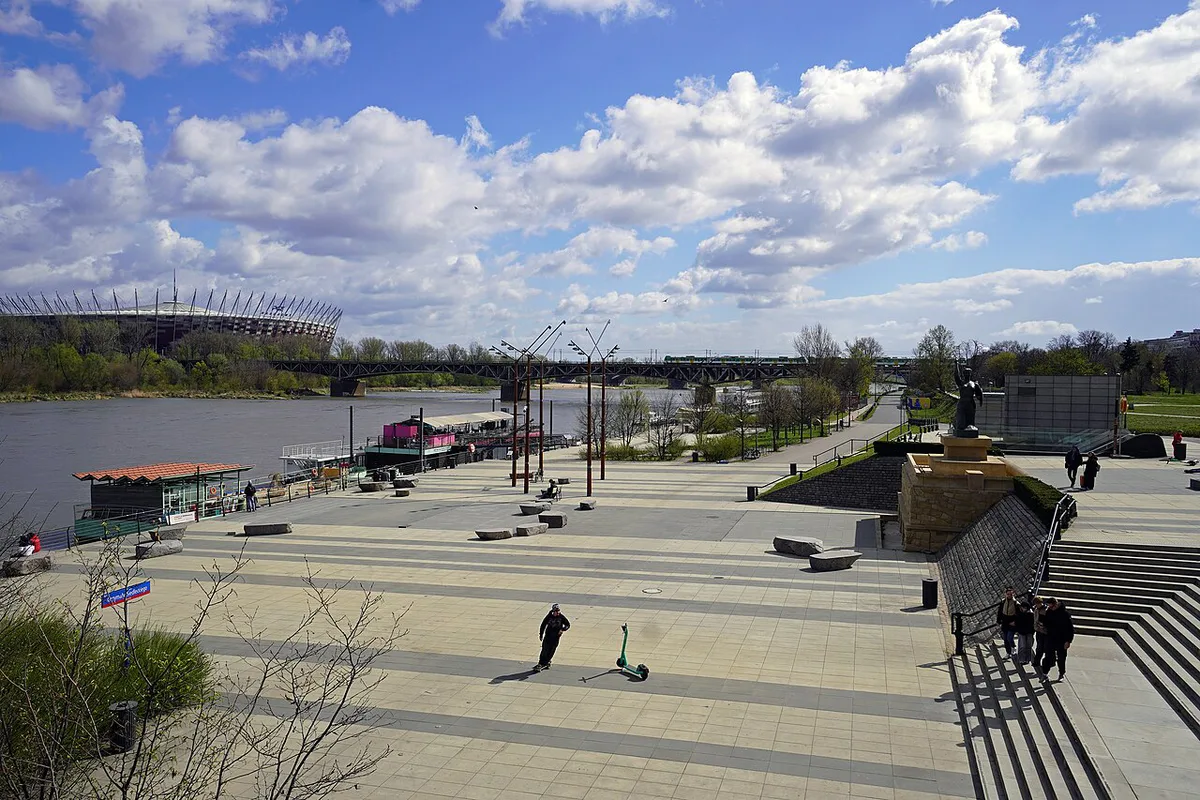
Warsaw's nightlife corridors carry a different risk profile — less about crime and more about alcohol-fuelled rowdiness and a couple of well-documented scams. Parkingowa and Nowogrodzka streets pack in a high density of bars and late-night venues, and weekend crowds can get loud and occasionally confrontational, though this is standard nightlife-district friction rather than anything targeted at tourists specifically. Mazowiecka Street is the city's clubbing hub, and it is also where the most serious scam in Warsaw's center tends to play out: touts steering visitors, usually solo men, into so-called gentlemen's clubs that then present wildly inflated bills. Politely declining any street-level invitation into a bar or club is the simplest way to avoid it entirely, and the mechanics are broken down further in the tourist scams guide. The Vistula River boulevards flip this pattern — packed with families and joggers through summer afternoons, they thin out and lean toward intoxicated late-night crowds after dark, so an earlier-evening walk is the more comfortable option. Solo travelers navigating any of these nightlife streets can find tailored guidance in this solo female travel safety guide.
Suburban Estates: Safe but Skippable
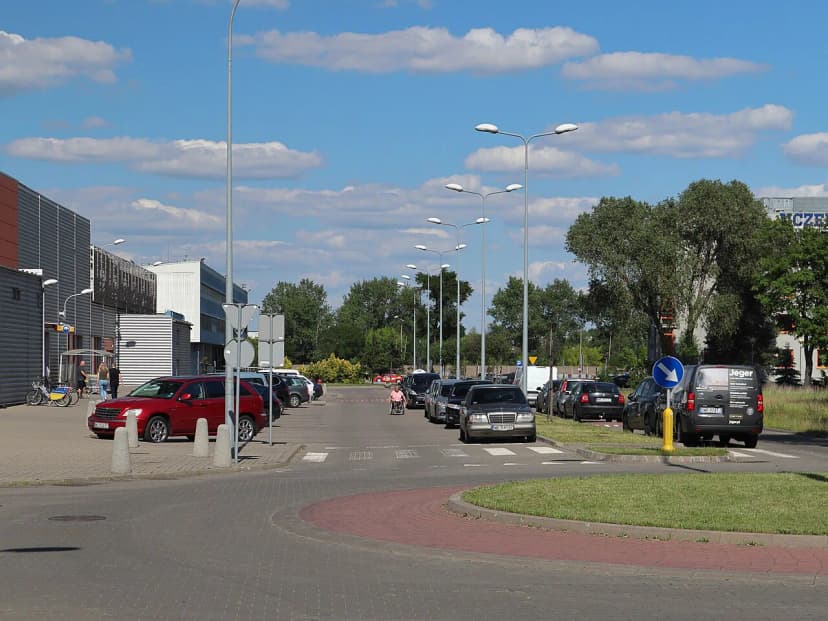
Warsaw's outer housing estates — districts like Gocław, Bródno, and Wrzeciono — are a different category altogether. These are dense blocks of postwar apartment buildings where ordinary Varsovians live, and they are, by any practical measure, safe. They simply offer almost nothing on a tourist itinerary: no major sights, limited dining beyond neighborhood staples, and a long transit ride back to the center. The lingering stereotype of the dresiarz, the tracksuit-and-gold-chain subculture once associated with these estates in the 1990s and 2000s, has faded into a cultural punchline more than a real safety concern today. There is little reason to build a Warsaw itinerary around these districts, but no reason to treat them as risky if a visit happens to bring someone through — a short stroll or a visit to a local's flat is unremarkable.
Where to Stay: Warsaw Neighborhoods at a Glance
Choosing a base in Warsaw usually comes down to trading convenience against character. Śródmieście, the city center, puts most major sights and transit lines within walking distance and stays busy and well-lit late into the evening. Praga Północ trades some of that polish for lower prices and a grittier, more local feel, with the caveat that a few backstreets need extra awareness after dark. The suburban estates are safe but impractical for a short trip. A fuller breakdown of specific streets and micro-neighborhoods that balance safety and atmosphere well is available in Warsaw's safest neighborhoods for visitors.
| Area | Safety Level | Tourist Appeal | Best For |
|---|---|---|---|
| Śródmieście (City Center) | Very safe, busy and well-lit | High — major sights, transit hub | First-time visitors wanting convenience |
| Praga Północ | Safe by day; a few backstreets need awareness at night | Rising — galleries, cafes, street art | Budget travelers wanting an authentic, local base |
| Suburban estates (Gocław, Bródno, Wrzeciono) | Safe, residential | Low — little for tourists to do | Not recommended for short stays |
Matching Areas to Your Travel Style
Not every gritty-feeling street is a problem for every traveler, and the right response depends on who is asking. Families traveling with young children generally do best avoiding the loudest stretches of Parkingowa and Nowogrodzka late at night, simply because bar-district noise and crowds are not pleasant with kids in tow, but the same streets are perfectly manageable for a solo traveler or a group of friends looking for nightlife. Solo travelers, particularly women, tend to feel most comfortable sticking to well-lit, busier routes after dark and treating Mazowiecka Street's touts the way it is covered in Warsaw's solo female travel safety guide — declining politely and moving on. Budget travelers weighing a stay in Praga Północ over Śródmieście are trading a few backstreets that need extra awareness for meaningfully lower prices and a more local feel, a fair trade for most visitors comfortable navigating a slightly rougher urban edge. First-time visitors who would rather not think about any of this are best served sticking to Śródmieście, where the tradeoffs mostly disappear.
Practical Safety Tips for Getting Around
Getting around Warsaw safely comes down to a few habits more than avoiding specific streets. On public transport, keep bags zipped and in view during rush hour on the busiest metro and tram lines, and treat late-night buses the way any late-night transit is treated in a big European city — stick to well-lit stops and busier carriages when possible; full etiquette and route notes are in this Warsaw public transport safety guide. Ride-hailing apps such as Bolt, Uber, and FreeNow operate widely across the city and are the simplest way to skip a late-night walk through an unfamiliar street, with in-app fare estimates and driver tracking that make them a safer bet than flagging a street taxi. In an emergency, 112 reaches police, ambulance, and fire services anywhere in Poland, the same number used across the EU, and hotel or hostel staff can usually help translate or liaise with local Policja if needed.
While Warsaw lacks true dangerous areas, specific scams cluster in predictable spots—pickpockets at busy transit hubs like Metro Centrum and the main railway station, and gentlemen's club touts on Mazowiecka Street. These target patterns matter more than district-wide risk levels.
- Keep bags zipped and in view on crowded metro and tram lines
- Use Bolt, Uber, or FreeNow rather than flagging a street taxi late at night
- Stick to well-lit stops and busier carriages on night buses
- Save 112 for police, ambulance, or fire anywhere in Poland
Mistakes to Avoid in Warsaw
A handful of avoidable habits cause more trouble than any specific district in Warsaw. Cutting through unlit green spaces late at night, including Skaryszewski Park near Praga, is a common and easily skipped mistake — sticking to lit main roads takes a few extra minutes and removes the issue entirely. Engaging with aggressive beggars or street gamblers running shell-game setups near major landmarks like the Palace of Culture and Science or Złote Tarasy almost always ends badly; walking past without breaking stride is the standard local response. The opposite mistake is just as common: assuming a gritty-looking street with graffiti and crumbling prewar facades — the kind found throughout parts of Praga — signals real danger, when in Warsaw it usually just signals a neighborhood mid-gentrification. Reading the city's actual risk areas rather than its aesthetic ones is the difference between a relaxed trip and an unnecessarily anxious one.
Throughout Warsaw, districts that appear visually rough—Praga's Brzeska Street, crumbling facades, graffiti—typically signal mid-gentrification, not genuine danger. Safety depends far more on time of day (these areas are safe during daylight) and traveler-specific precautions than on neighborhood appearance.
- Cutting through unlit parks like Skaryszewski Park after dark
- Engaging with aggressive beggars or shell-game scammers near landmarks
- Assuming graffiti-covered or crumbling streets signal real danger on their own
- Accepting street-level invitations into bars or clubs on Mazowiecka Street
For trip-planning details, see US State Department Poland travel advisory.
Frequently Asked Questions
Does Warsaw have any real no-go areas?
No. Even the pockets with a rough reputation, like backstreets in Praga Północ or the area around Warszawa Centralna at night, are places tourists pass through safely every day — they simply call for a bit more street awareness than the polished city center.
Is Praga Północ safe to visit?
Yes, especially during the day and along its increasingly gentrified main streets. A few backstreets such as Brzeska and Szwedzka look grittier and are worth extra caution after dark, but the district overall has shifted from its rough-edged past into one of Warsaw's more interesting areas for cafes and galleries.
What is the safest area to stay in Warsaw?
Śródmieście, the central district, offers the most convenience and the busiest, best-lit streets late into the evening. A full comparison of specific neighborhoods, including quieter and more budget-friendly options, is available in the guide to Warsaw's safest neighborhoods.
Is it safe to walk around Warsaw at night?
Generally yes, particularly in the center and along well-used routes, though it is worth avoiding unlit parks and treating the area around the main railway station with a bit more caution late at night. Specific nighttime guidance is covered in the after-dark safety guide.
What is the most common safety issue tourists run into in Warsaw?
Petty theft and scams outweigh any risk of violent crime. Pickpocketing near busy transit hubs like the Metro Centrum plaza and the gentlemen's club scam around Mazowiecka Street are the two issues that catch visitors most often.