Is Barcelona Safe at Night? A Practical Guide for Travelers
Last updated May 2026: is Barcelona safe at night, or should you rethink that late dinner and a walk back to the hotel? For most travelers the honest answer is yes, with caveats — Barcelona's nightlife runs late and loud, and violent incidents against tourists remain rare, but the same crowded terraces, metro platforms, and beach promenades that make the city fun after dark are also where opportunistic thieves work hardest. This guide breaks down which neighborhoods feel relaxed after midnight, which ones deserve extra alertness, and how to get home safely once the bars and clubs start closing.
Is Barcelona Safe at Night? The Short Answer
Barcelona is generally safe for a major European city after dark, but the risk profile is lopsided: violent crime against visitors is uncommon, while petty theft — pickpocketing, phone-snatching, and bag-slashing — is genuinely elevated in nightlife zones and around transit hubs. That split matters for how you plan an evening. You don't need to avoid going out, but you do need to treat crowded terraces, queues outside clubs, and packed metro carriages the same way you'd treat a busy market square: phone away, bag zipped and in front, drink watched. For the fuller citywide picture beyond nighttime hours, the overall Barcelona safety guide covers daytime risk and seasonal patterns, and the Barcelona crime rate data page breaks down how petty theft compares with other categories of incident.
Safest Neighborhoods for Nighttime Walking
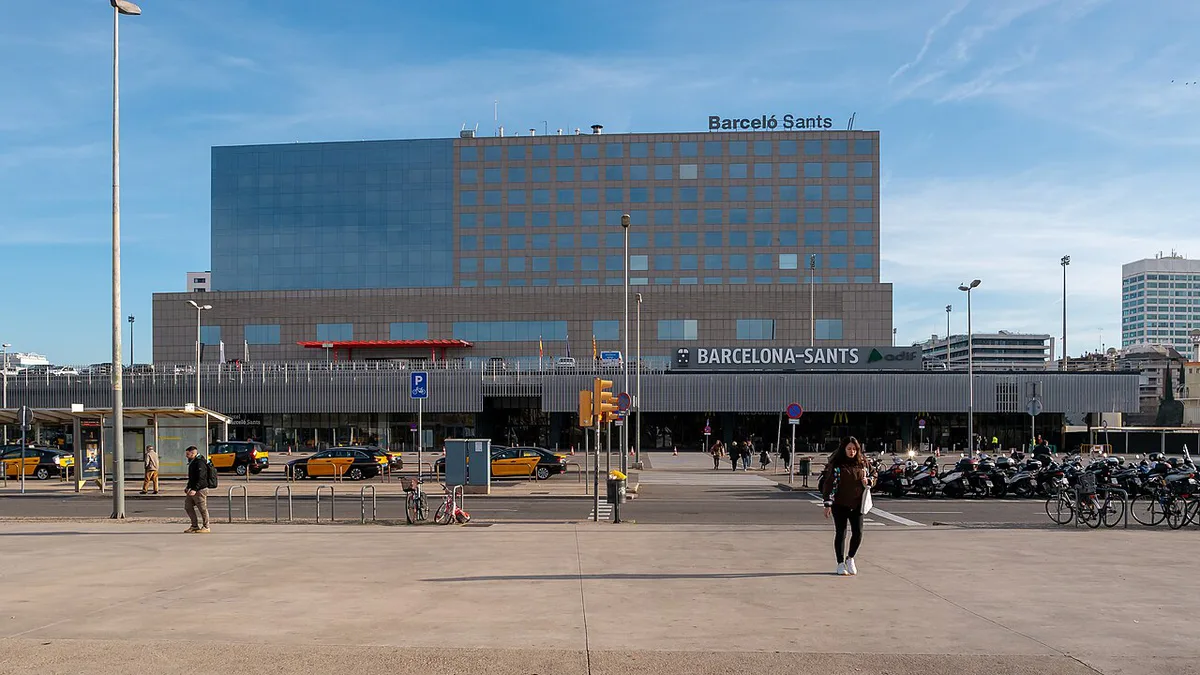
Eixample, Gràcia, and Poblenou are consistently the most comfortable areas for walking at night. Eixample's grid layout means wide, well-lit boulevards with long sightlines instead of tight alleys, and its residential mix keeps streets populated well past midnight without the dense bar-crawl crowds of Ciutat Vella. Gràcia has a village feel — narrow but open squares, local bars that close earlier than the big clubs, and a resident population that keeps informal eyes on the street. Poblenou, rebuilt around wide avenues and a beachfront promenade, trades some late-night buzz for a quieter, more spread-out atmosphere. If where you sleep matters as much as where you walk, the The Safest Neighborhoods in Barcelona: A 2026 Local Safety Guide guide ranks accommodation bases specifically with this kind of nighttime comfort in mind.
Petty theft in Barcelona concentrates in precisely the situations that safe neighborhoods avoid: dense nightlife crowds, packed queues outside clubs, and crowded metro carriages. Eixample, Gràcia, and Poblenou all escape heavy bar-crawl clustering, keeping streets populated but not congested.
- Eixample: wide lit boulevards, grid layout, easy to navigate after dark
- Gràcia: village-like squares, earlier-closing local bars, strong residential presence
- Poblenou: beachfront promenade and wide avenues, quieter than the old town
Areas to Exercise Caution After Dark
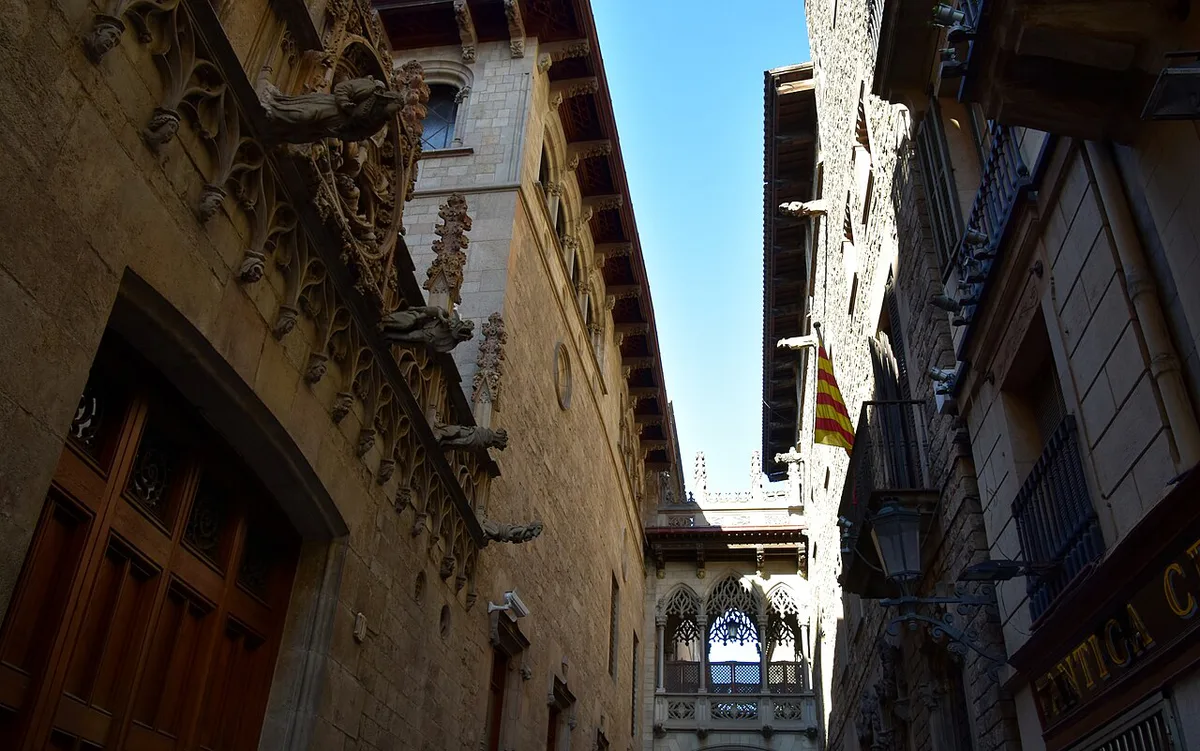
Three zones deserve a sharper level of attention once the sun goes down, though none of them are off-limits. El Raval is genuinely two different streets depending on the block: the gentrified stretches near the MACBA museum and Rambla del Raval are lively and reasonably comfortable, while the narrow alleys closer to the port have historically drawn more street-level crime and warrant staying on busier, better-lit routes. The Gothic Quarter's charm — a genuine medieval maze of alleys — becomes a liability late at night, since the same narrow, winding lanes that photograph beautifully by day make it easy to lose your bearings or end up on a secluded stretch after the crowds thin out. Las Ramblas follows a clear pattern: it functions as a busy, tourist-heavy promenade in the evening, then shifts after midnight into more of a hub for aggressive street sellers and scam artists as the family and dinner crowd clears out. For a street-by-street breakdown of exactly which blocks to route around, see the areas to avoid in Barcelona guide.
- El Raval: stick to the gentrified blocks near MACBA and Rambla del Raval; avoid quiet alleys nearer the port
- Barri Gòtic: easy to get turned around in the alley maze once crowds thin out late at night
- Las Ramblas: fine as a busy evening walk, but shifts toward scams and street sellers after midnight
The 2 AM Rule: How Barcelona's Night Changes
Barcelona's after-dark atmosphere isn't static, and knowing the turning point helps you plan smarter. Up until roughly the time bars close, streets in nightlife districts stay busy, well-populated, and self-policing simply by volume of people. After that point — once the bar crowd has dispersed but before the clubs let out — footfall in the connecting side streets drops sharply, and that thinner window is when opportunistic theft and confrontations become more likely, particularly around Las Ramblas, the lower Raval, and the beachfront away from the main clubs. If you're moving between venues, this transition period is the one to treat with the most caution: stick to main streets, travel with others where possible, and avoid cutting through quiet side alleys purely to save a few minutes.
The high-risk transition window after bars close (when footfall drops and theft peaks) occurs precisely when the Metro is shutting down or already closed on most nights. Planning departure before crowds thin rather than timing a 2 AM return makes transport both cheaper and safer.
Nighttime Transport: Metro, NitBus, and Taxis
Getting home safely matters as much as where you spend the evening. Barcelona's Metro runs until midnight Sunday through Thursday, extends to around 2 AM on Fridays, and runs 24 hours from Saturday morning through to Sunday midnight — a schedule worth checking against the current TMB timetable before a late Friday or Saturday out, since Friday's earlier cutoff catches visitors off guard more than any other night. Once the Metro closes, the NitBus night bus network takes over, covering the main routes across the city through the early hours, though waits are longer and stops less central than daytime lines. Ride-hailing apps such as Free Now or Cabify are worth the modest premium over hailing a cab on the street late at night, since the trip is logged, the driver is identified, and you avoid waiting alone at a taxi rank. For more detail on how each option holds up for safety specifically, not just convenience, the public transport safety guide covers daytime and nighttime transit together.
| Mode | Cost | Safety Level | Availability (12 AM–5 AM) |
|---|---|---|---|
| Walking | Free | Good on main streets, lower in alleys and quiet stretches | Always, but route matters most |
| Metro | Low, standard transit fare | Good on busy lines, stay alert on empty late carriages | Until ~2 AM Fri, 24 hours Sat–Sun midnight, closed overnight other nights |
| NitBus | Low, standard transit fare | Good, but quieter stops and longer waits reduce it slightly | Runs through the night once the Metro closes |
| Taxi / Cabify / Free Now | Higher than transit, lower than assumed for the safety trade-off | Best option late at night — trip is logged and driver identified | Widely available citywide |
Common Nighttime Scams and Petty Crime
Petty theft, not violence, is the real nighttime risk in Barcelona, and it clusters around three patterns. Pickpocketing thrives in dense nightlife crowds — queues outside popular clubs, packed terraces, and anywhere people are distracted by drinks or friends. A frequently reported distraction scam involves someone bumping or spilling something on you, then working your pockets or bag while a companion apologizes and helps you clean up; treat any unexpected physical contact from a stranger at night as a cue to check your belongings immediately. Unlicensed street sellers, often pushing beer cans ('latas') near beaches and plazas, aren't usually dangerous themselves, but the crowds and rushed transactions around them create good cover for pickpockets working the same space. Keep your phone in a front, zipped pocket rather than a back pocket or open bag — particularly when exiting crowded metro stations like Liceu, where the crush of people leaving the platform is a known pickpocketing window. The common Barcelona tourist scams guide covers these tactics — and several daytime variants — in more depth.
- Pickpocketing in dense nightlife queues, terraces, and crowded platforms
- Distraction or "spill" scams that create an opening to work your pockets or bag
- Unlicensed beer sellers (latas) whose crowds provide cover for pickpockets
- Phone theft specifically around packed metro exits like Liceu
Advice for Solo Female Travelers at Night
Solo female travelers generally report Barcelona as manageable at night, provided the same street-smart habits used in any major city apply: stick to well-lit, populated main routes rather than shortcuts through the Gothic Quarter's alleys, share a live location with someone when heading home late, and book accommodation in a neighborhood like Eixample or Gràcia where the walk from transport to your door is short and well-trafficked. Hostels and bars in nightlife-heavy areas tend to have a built-in social safety net — arriving or leaving with a group from a hostel crawl or a bar you've been at all evening is generally safer than walking those same streets alone at 3 AM. For a fuller set of neighborhood-specific and situational advice, see the solo female travel safety guide.
What to Do If You Encounter Trouble
If you're a victim of theft, harassment, or feel unsafe at any point, call 112, the general emergency number that connects to police, medical, and fire services across Spain and works for both emergencies and reporting incidents in progress. For non-emergency reporting, such as filing a police report after a theft for insurance purposes, the Mossos d'Esquadra maintain police stations in the city center, and a report (denuncia) is usually required to make a travel insurance claim. If you feel followed or unsafe on foot, moving toward the nearest open bar, hotel lobby, or well-lit main street is generally more effective than continuing along an empty side street.
Where to Stay Based on Nighttime Comfort Level
For late dinners and easy returns, choose your base by how much empty-street walking you are willing to do after midnight, not just by daytime sightseeing distance. The safest-feeling trade-off is usually Eixample, especially around Passeig de Gràcia, Girona, Provença, or Enric Granados: streets are broad, taxis are easy to find, and most hotel entrances sit on lit avenues rather than hidden lanes.
- Lowest-stress base: Eixample or Gràcia near Fontana or Joanic metro stations. Balanced nightlife base: El Born, close to Passeig del Born or Via Laietana rather than deep side alleys. High-alert base: lower El Raval or the southern Gothic Quarter, where the walk home can involve narrow, quieter streets after bars thin out.
If nightlife is the priority, staying near a main road such as Gran Via, Via Laietana, or Avinguda Diagonal is usually smarter than booking the most atmospheric old-town lane.
Frequently Asked Questions
Is it safe to walk around Barcelona at night?
In most central and residential neighborhoods, yes — Eixample, Gràcia, and Poblenou are comfortable for walking after dark. The main things to watch for aren't violent crime but petty theft, so keep valuables secure and stick to busier, well-lit streets, especially in the Gothic Quarter and lower El Raval.
What time should tourists avoid being out in Barcelona?
There's no strict curfew-style cutoff, but the window after bars close and before clubs let out sees thinner crowds on connecting streets, which is when opportunistic theft is more likely. Staying on main routes and traveling with others during that transition is the more practical precaution than avoiding any specific hour entirely.
Is the Barcelona Metro safe to use late at night?
The Metro is generally safe when it's running, with the main risk being pickpocketing in crowded carriages and at busy exits like Liceu rather than personal safety. Check current hours before you go out, since service runs until midnight Sunday through Thursday, extends to around 2 AM on Fridays, and runs 24 hours from Saturday into Sunday.
Should solo female travelers avoid Barcelona at night?
Barcelona is generally manageable for solo female travelers who follow standard precautions: stick to well-lit main streets, avoid alley shortcuts in the Gothic Quarter, and use ride-hailing apps rather than walking long stretches alone late at night. Choosing accommodation in a calmer, well-connected neighborhood also reduces the length of any late walk.
What's the safest way to get back to a hotel after midnight?
Ride-hailing apps such as Free Now or Cabify are the most consistently safe option after midnight, since trips are logged and drivers identified. The Metro and NitBus network are reliable and low-cost alternatives when they're running on your route, and walking is fine on main, well-lit streets but less advisable through narrow, quiet alleys.