The Safest Neighborhoods in Barcelona: Where to Stay and Live
Last updated June 2026: if a quick, practical answer is what's needed, the safest neighborhoods in Barcelona are consistently the more residential, well-lit districts — Eixample, Gràcia, the quieter upper stretches of Barri Gòtic and El Born, and uptown Sarrià-Sant Gervasi — rather than the dense tourist corridors around Las Ramblas. Barcelona's reputation for petty theft is well earned, but violent crime stays rare, so the real decision for most travelers and relocating expats is less about danger and more about trade-offs between atmosphere, cost, and commute time. This guide compares those areas side by side and flags where extra caution pays off, starting from Barcelona's overall safety picture.
Is Barcelona Safe? Petty Crime vs. Real Danger
Barcelona is, on the whole, a safe city to visit or settle into, and most day-to-day life across its districts is orderly and low-drama. The distinction that actually matters is between being unsafe — feeling physically threatened — and being at risk, which almost always means losing a phone or wallet to an opportunistic pickpocket in a crowd. Violent crime is uncommon citywide, while petty theft clusters heavily around tourist-dense zones: metro carriages on the busiest lines, the areas around major landmarks, and packed shopping streets. Understanding that split reframes the question from 'is this neighborhood dangerous' to 'how exposed is this neighborhood to opportunistic theft,' which is the lens this guide uses throughout. For a fuller breakdown of how petty crime trends compare across the city, see the dedicated look at Barcelona's crime rate by district.
Petty theft concentrates in narrow, poorly lit streets with dense foot traffic rather than areas with genuine physical danger. Choosing neighborhoods with wide, well-lit streets and lower tourist density—like Eixample or Gràcia—directly reduces theft risk.
The Safest Neighborhoods in Barcelona for Tourists and Expats
Across both visitor stays and long-term relocation, the same handful of districts come up repeatedly as the safest neighborhoods in Barcelona — largely because they are more residential, less saturated with day-trip crowds, and better lit after dark than the old-town core. Each comes with a different trade-off between quiet and convenience, so the right pick depends on whether the priority is walking distance to landmarks or a calmer base to return to at night.
- Eixample (Dreta and Esquerra): Elegant, central, and built on a 19th-century grid layout that makes it genuinely harder to get lost than the winding lanes of the old town — wide, well-lit streets and steady foot traffic day and night.
- Gràcia: A former independent town (annexed only in the late 19th century) that still feels like a village within the city, with a strong local community, pedestrian-friendly plazas, and a relaxed pace that feels comfortable for solo walkers.
- Upper Barri Gòtic and El Born: Atmospheric medieval streets that stay genuinely safe once away from the Rambla itself — best booked a few blocks back from the main tourist artery rather than directly on it.
- Sarrià-Sant Gervasi: A calm, uptown residential district with a slower, more suburban rhythm — the trade-off is a longer commute into the center via FGC trains rather than the standard Metro network.
- Les Corts: A business and university district that is very safe and notably quiet at night, popular with students and professionals who want distance from nightlife noise.
- Poblenou: A modern, spacious, family-friendly alternative near the beach, with wider streets and a more residential feel than the older waterfront district of Barceloneta.
Neighborhood Comparison Matrix
Because 'safe' and 'convenient' don't always line up, comparing these districts side by side makes the trade-offs concrete. Safety profile reflects the general residential character of each area rather than a scored statistic; commute reflects relative distance and transit type, not a fixed number of minutes.
| Neighborhood | Safety Profile | Best For | Noise Level | Commute to Plaça de Catalunya |
|---|---|---|---|---|
| Eixample | Very safe, well-lit and busy | Balanced central living, expats | Moderate | Short, direct on foot or Metro |
| Gràcia | Very safe, strong local feel | Solo travelers, long-term residents | Low to moderate | Short Metro ride |
| Upper Barri Gòtic / El Born | Safe off the Rambla, atmospheric | Culture-focused stays, couples | Moderate, lively evenings | Walkable, city-center |
| Sarrià-Sant Gervasi | Very safe, low-key uptown | Families, quiet-seeking expats | Low | Longer, via FGC trains |
| Les Corts | Very safe, business/university feel | Students, professionals | Low, quiet at night | Moderate, via Metro |
| Poblenou | Safe, modern and residential | Families wanting beach access | Low to moderate | Moderate, via Metro |
Areas to Exercise Caution
Caution doesn't mean danger, but a handful of Barcelona areas warrant more street-smart awareness than the neighborhoods above. El Raval carries a reputation for drug-related petty crime and narrower, poorly lit streets in parts, though it's also gentrifying unevenly block by block. The Barri Gòtic itself splits sharply between its quieter upper lanes and the stretch immediately along Las Ramblas, where pickpocketing is heavily concentrated after dark. Outlying areas such as La Mina are generally not part of a typical visitor's itinerary and are best treated as low-priority for tourism regardless of safety framing. The throughline in all of these cases is the same: narrow, poorly lit streets and dense, distracted foot traffic create opportunity for theft, not necessarily physical danger. For a full area-by-area breakdown, see Barcelona neighborhoods to avoid, and for evening-specific guidance, check whether Barcelona is safe at night.
Safety Logistics for Solo Travelers, Expats, and Families
Different travelers weigh these neighborhoods differently. Solo female travelers tend to gravitate toward Gràcia and Eixample for their steady foot traffic, well-lit main streets, and community feel that makes late-evening walks back to accommodation feel routine rather than isolating; dedicated guidance is available on solo female travel safety in Barcelona. Expats and longer-term residents settling into any of these districts should prioritize buildings with a portero (doorman), which adds a meaningful layer of building-level security regardless of neighborhood. Families generally do best in Sarrià-Sant Gervasi or Poblenou, both of which offer more green space, wider pedestrian-friendly streets, and a slower pace that suits children better than the density of the old town.
Practical Safety Tips and Local Scams
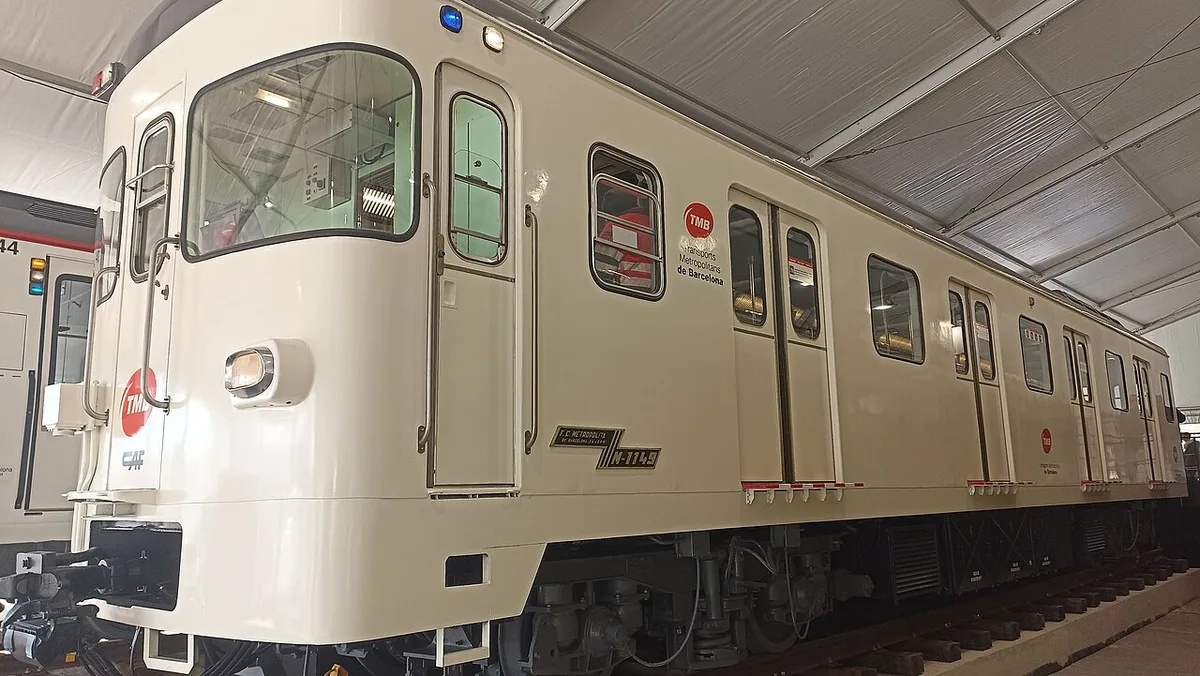
Even in the safest neighborhoods, a few recurring scams are worth knowing by name: the 'bird poop' distraction, where a stranger points out a substance suspiciously smeared on clothing while an accomplice picks a pocket during the cleanup, and the 'football' or ball-kicking distraction used similarly in crowded plazas. Both rely on a moment of distraction rather than confrontation, and awareness alone neutralizes most of them. On public transport, the L3 and L4 metro lines see the heaviest tourist traffic and, correspondingly, the most pickpocketing reports, so bags are safest worn to the front in crowded carriages. Late at night, the NitBus network covers routes after the Metro closes, and ride-hailing options like Cabify are a reliable alternative for a direct trip home from nightlife areas. Full scam breakdowns are covered in the guide to common Barcelona tourist scams, and transit-specific advice is detailed in the overview of Barcelona Public Transport Safety Guide: Metro, Buses & Night Travel.
Which Barcelona Neighborhood Is Right for You?
Matching a neighborhood to a travel style comes down to a short list of priorities: proximity to landmarks, noise tolerance, budget, and whether a longer commute from a quieter district is an acceptable trade for lower nighttime bustle.
Travelers concerned about public transit pickpocketing—concentrated on L3 and L4 Metro lines—might prefer neighborhoods with FGC access like Sarrià-Sant Gervasi, trading some central proximity for a different commute route and environment.
- Want central and well-lit with minimal detours: choose Eixample.
- Want local character and a walkable, community feel: choose Gràcia.
- Want old-town atmosphere without Rambla-level foot traffic: choose upper Barri Gòtic or El Born, booked a few blocks back from the main strip.
- Want maximum quiet and don't mind a longer FGC commute: choose Sarrià-Sant Gervasi.
- Want a quiet, campus-adjacent base: choose Les Corts.
- Traveling with children and want space near the beach: choose Poblenou.
How to Read Barcelona’s Official Safety Data
Barcelona’s official surveys are useful, but they measure resident perception, not a traveler’s exact risk on a specific street. The city’s Baròmetre Municipal collected from May 26 to June 3, 2026, put insecurity behind housing as a citywide concern, while the 2024 municipal services survey found Ciutat Vella standing out for safety worries, with residents there far more likely to name insecurity than people in quieter districts.
For visitors, that mainly reinforces the neighborhood advice above: Ciutat Vella includes El Raval, the Gothic Quarter, Barceloneta, and Sant Pere-Santa Caterina i la Ribera, so it mixes beautiful central streets with the city’s densest tourist foot traffic. By contrast, Sarrià-Sant Gervasi, Les Corts, Gràcia, and much of Eixample feel safer in practice because streets are more residential, better lit, and less packed with distracted sightseers. Use survey data as a broad signal, then judge your exact base by the block: lighting, metro access, late-night foot traffic, and distance from Las Ramblas matter more than district labels alone.
Frequently Asked Questions
What is the safest neighborhood in Barcelona for tourists?
Eixample and Gràcia are consistently the top picks for tourists because both combine well-lit, busy streets with strong residential character. Eixample suits travelers who want a central base with wide, grid-pattern streets, while Gràcia suits those who prefer a village-like, walkable atmosphere a short Metro ride from the center.
Is Barcelona safe to walk at night?
Most residential neighborhoods, including Eixample, Gràcia, and Sarrià-Sant Gervasi, are generally comfortable to walk through at night. The areas that call for more caution after dark are the stretch of Las Ramblas and the lower Barri Gòtic near it, where pickpocketing risk rises with the evening crowds.
Which Barcelona neighborhood is best for families?
Sarrià-Sant Gervasi and Poblenou are typically the strongest fits for families, thanks to wider pedestrian-friendly streets, more green space, and a calmer pace than the denser old-town districts. Poblenou also offers easier access to the beach for families wanting coastal proximity.
Are Barcelona's safest neighborhoods far from the city center?
Not necessarily. Eixample and the upper Barri Gòtic and El Born sit close to or within the historic center. Sarrià-Sant Gervasi and Les Corts trade some of that proximity for quiet, requiring a somewhat longer commute into the center via FGC trains or Metro rather than being a short walk away.
Is public transport safe in Barcelona at night?
Barcelona's public transport is generally safe from a violent-crime standpoint, though the busiest lines, particularly L3 and L4, see the most pickpocketing during crowded periods. After the Metro closes, the NitBus network covers night routes, and ride-hailing services such as Cabify are a dependable option for a direct trip back to accommodation.