Barcelona Areas to Avoid: A Local Safety and Neighborhood Guide
Last updated May 2026. Barcelona areas to avoid are less about violent no-go zones and more about situational risk, and understanding that distinction matters more than memorizing a list of neighborhood names. For a broader read on overall safety in Barcelona, most visitors face petty theft rather than violent crime, but a handful of pockets, edgier after dark, others simply irrelevant to tourists, are worth knowing before setting out. This guide breaks down where pickpocketing clusters, which stretches feel different at night, and how to plan a stay that avoids the riskiest patterns.
Understanding Barcelona Safety: Petty Crime vs Violent Crime
Barcelona's crime profile is overwhelmingly about property, not violence. Local police, the Mossos d'Esquadra, and the Ajuntament de Barcelona have long described the city's core public-safety challenge as opportunistic theft, pickpocketing, bag-snatching, and distraction scams, concentrated in the densest tourist corridors, rather than assault or violent confrontation. General travel advisories from bodies like the US Department of State and the UK Foreign Office consistently place Spain among the lower-risk destinations for violent crime while still flagging Barcelona specifically for theft in crowded areas. For a deeper look at how these patterns break down citywide, the Barcelona Crime Rate 2026: Statistics, Safety Realities, and Traveler Advice overview is a useful companion to this guide. The practical takeaway: there is no need to treat any Barcelona neighborhood as strictly off-limits for safety reasons. Instead, treat areas to avoid as areas that call for tighter bag management, more awareness after dark, or, in one case, simply no reason for a visitor to go at all.
Barcelona Areas to Avoid: Where to Stay Alert
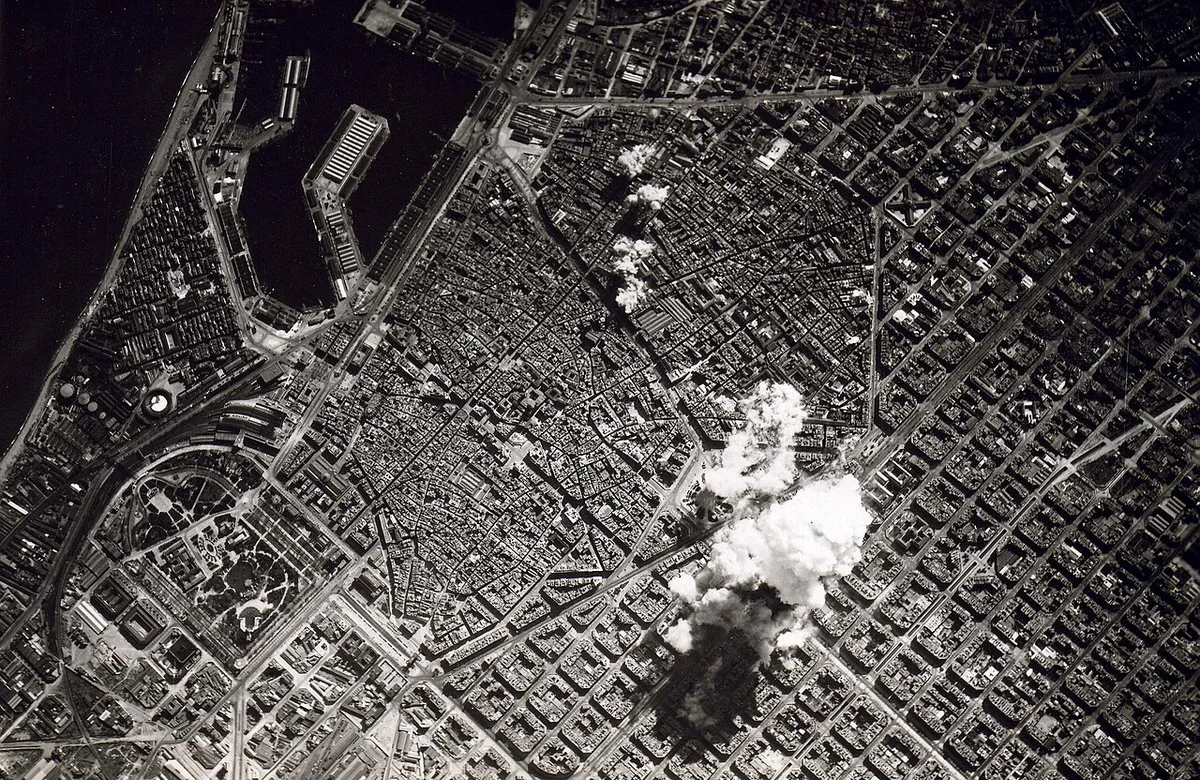
A short list of pockets in and around the city center shift from ordinary to uneasy depending on the hour, and knowing which ones, and why, beats memorizing a blanket no-go list. The southern stretch of El Raval, around the Rambla del Raval and toward Sant Pau, is the clearest example: by day it is a genuinely interesting mix of independent shops, contemporary art spaces, and multicultural street life, but after dark it feels edgier, with more visible street drinking and dimmer lighting than the rest of Ciutat Vella. Solo walkers, and especially those reading up on solo female travel safety, should stick to the main, better-lit streets through this stretch at night rather than cutting through side alleys. Barceloneta and the surrounding beachfront follow a similar day and night split, busy and family-friendly through the afternoon, but the crowd thins into a rougher late-night scene, particularly right along the sand. Parc de la Ciutadella closes its gates after dark for good reason: the paths go quiet and poorly lit, so it is worth treating as a daytime park only. None of this amounts to violent danger; it is a case of matching behavior to the hour. For more on the after-dark picture citywide, see Barcelona safety at night.
- Lower El Raval (Rambla del Raval, near Sant Pau): lively by day, edgier and dimmer after dark
- Barceloneta and the beachfront: family-friendly by day, thinner and rougher crowd late at night
- Parc de la Ciutadella: gates close after dark; treat as a daytime-only visit
- La Mina and Sant Adrià de Besòs: residential and industrial, with no tourist sights worth the detour
Pickpocket Hotspots: Las Ramblas, Gothic Quarter, and El Born
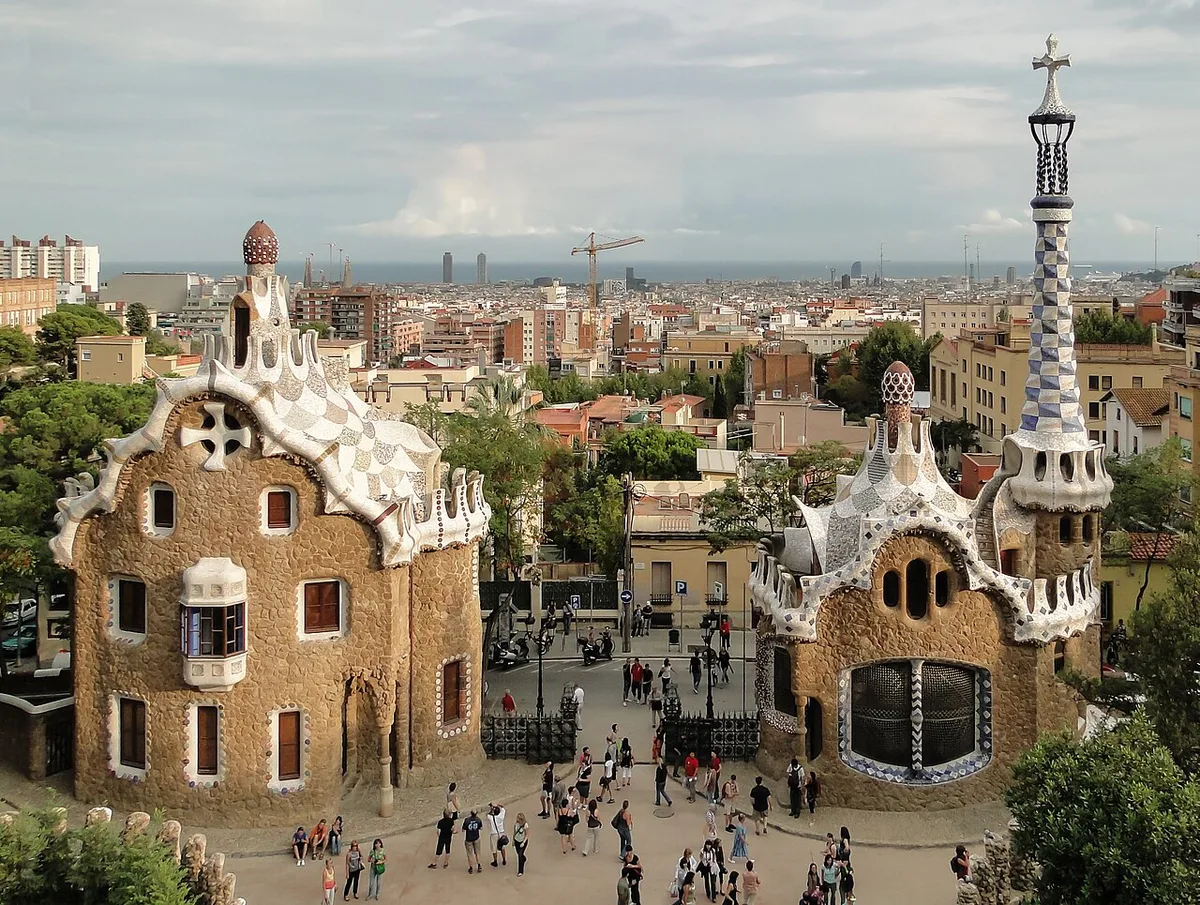
Barcelona's most consistent theft reports cluster around exactly the streets every visitor walks through. Las Ramblas is the standout example: the sheer density of pedestrians, street performers, and stalls creates ideal cover for distraction teams working in pairs, one to bump or engage and one to lift a phone or wallet. It is worth reading the dedicated rundown of Barcelona Tourist Scams: 10+ Common Scams & How to Avoid Them before walking the boulevard, since most incidents follow a handful of predictable patterns rather than random bad luck. The Gothic Quarter, or Barri Gòtic, and El Born present a quieter version of the same risk: their narrow, winding medieval alleys near major sights make it easy to get turned around, and thieves work the crowds gathered around popular squares and restaurant terraces. None of this is violent crime; it is a numbers game that favors an unattended bag over an alert one, so keeping bags zipped and in front, and phones off the outdoor café table, cuts the risk sharply across all three areas.
Crowded tourist corridors like Las Ramblas attract pickpockets because density provides cover for theft teams, not because these streets are inherently dangerous. Conversely, areas that feel edgier after dark—Lower El Raval, Barceloneta beach, Parc de la Ciutadella—share dimmer lighting and thinning crowds, contradicting the assumption that quiet streets near sights are automatically safer.
Metro Stations and Transport Risk Zones
Public transport hubs see the same crowding-driven theft pattern as the street level, concentrated at the busiest interchanges. Sants, the city's main rail and metro interchange, Plaça Catalunya, and Sagrada Família station all see heavier foot traffic than most other stops, and that congestion is exactly what pickpockets rely on, particularly during the crush of doors opening and closing. Metro line L3, which connects several major tourist stops across the network, gets cited more often than most lines for this reason, not because it runs through a dangerous area, but because it carries a disproportionate share of first-time visitors moving between sights. TMB, the city's transport operator, advises keeping bags closed and worn to the front in crowded cars and avoiding back pockets for phones or wallets. For the fuller picture on riding safely, including night bus and taxi options, see Barcelona Public Transport Safety Guide: Metro, Buses & Night Travel.
Risk at a Glance: A Neighborhood Comparison Table
The table below distills the areas above into a quick reference: what actually drives the caution in each spot, and the concrete action to take instead of avoiding a neighborhood altogether.
| Area | Risk Type | Recommended Action |
|---|---|---|
| Lower El Raval (Rambla del Raval / Sant Pau) | Dim lighting, visible street drinking after dark | Stick to main streets; avoid late-night solo walks |
| La Mina / Sant Adrià de Besòs | Residential and industrial, no tourist infrastructure | Skip entirely; no reason for visitors to go |
| Las Ramblas | Pickpocketing in dense crowds | Keep bags zipped and worn to the front |
| Parc de la Ciutadella (after dark) | Poor lighting, quiet paths, gated closure | Visit by day only; avoid after sunset |
| Barceloneta beachfront (late night) | Rowdy crowds, opportunistic theft | Keep valuables minimal; avoid walking alone very late |
| Gothic Quarter / El Born alleys | Narrow lanes, distraction theft near sights | Stay alert around main squares and terraces |
| Sants / Catalunya / Sagrada Família metro | Crowded platforms and cars, bag-slitting reports | Wear bags on the front; watch belongings while boarding |
Safety Logistics: How to Navigate Barcelona Safely
A handful of habits do more to reduce risk than avoiding any specific street. Carry a cross-body bag rather than one worn on the back, especially on the metro, in Las Ramblas, and around any street performance where a crowd gathers to watch. Keep phones out of sight when not in use rather than holding them loosely at chest height while checking a map, and split cash and cards between a couple of pockets rather than one wallet. Nighttime movement is where the calculus changes most: a taxi or rideshare between roughly midnight and dawn is a reasonable trade-off in and around lower El Raval, Barceloneta's beachfront, and the edges of Ciutat Vella generally, even though the walk looks short on a map. Matching behavior to the hour matters far more than steering clear of any single neighborhood, and the same handful of habits apply whether the plan is a museum morning or a late dinner in the old town.
Where to Stay Instead: Safer Neighborhood Alternatives
Where a stay is booked often matters more for peace of mind than what happens during the day's sightseeing. Eixample, with its wide grid-plan boulevards and steady evening foot traffic, and Gràcia, a quieter residential district with its own restaurant scene, are both commonly recommended as calmer bases than the tighter lanes of Ciutat Vella. Accommodation in these districts tends to run at a premium compared with the cheaper end of southern El Raval, but the trade-off buys wider, better-lit streets and a shorter list of things to think about after dinner. The full neighborhood-by-neighborhood breakdown, including how each stacks up for families, solo travelers, and first-time visitors, is covered in the The Safest Neighborhoods in Barcelona: A 2026 Local Safety Guide guide.
Essential Mistakes First-Time Visitors Make
Most avoidable incidents trace back to a small set of habits rather than bad luck or a genuinely dangerous street. First-time visitors tend to relax exactly where they should stay sharpest, outside a landmark, mid-photo, bag unzipped on a café chair. The mistakes below account for a disproportionate share of reported thefts:
Most Barcelona theft incidents follow predictable patterns tied to behavior rather than location: unzipped bags, phones on café tables, solo walks through dimly lit streets. Specific habits—cross-body bags, phones pocketed, taxis after midnight—consistently reduce risk across all areas.
- Wearing a backpack on the back rather than the front on crowded metro cars or Las Ramblas
- Setting a phone flat on an outdoor café table on El Born or Gothic Quarter terraces
- Cutting through quiet side streets in lower El Raval alone late at night instead of sticking to main roads
- Leaving beach bags unattended on the Barceloneta sand while swimming
- Assuming a quiet street near a major sight is automatically safer than a busy one
What to Do if You Encounter Trouble in Barcelona
If a theft or an uncomfortable situation does happen, the response matters more than which neighborhood it happened in. Report the incident to the Mossos d'Esquadra, Catalonia's regional police force, as soon as possible; a police report is typically required for travel insurance claims and helps compile the patterns officers use to target patrols. Stations near the main tourist districts generally have staff able to assist in English, and reporting a stolen phone or card promptly also allows for a faster remote lock or cancellation. For anything that escalates beyond petty theft, treat it the same as any unfamiliar city: move toward a well-lit, populated street or business, and call the police rather than attempting to resolve it directly. None of this reflects a citywide danger; it is standard practice for a major European destination where the primary risk is theft rather than violence.
Barcelona Safety Heatmap: Where Risk Clusters by Time of Day
Think of Barcelona’s risk as a moving heatmap rather than a fixed list of unsafe neighborhoods. During the day, the warmest zones are the busiest visitor corridors: Las Ramblas, Plaça Catalunya, the Sagrada Família metro area, Passeig de Gràcia, the Gothic Quarter, El Born, and Sants station. The main issue there is pickpocketing in crowds, especially when people stop for photos, ticket machines, street performers, or café terraces.
After dinner, the map changes. Lower El Raval around Rambla del Raval and Carrer de Sant Pau needs more judgment, especially on quieter side streets. Barceloneta’s beach and promenade are usually fine early in the evening, but the sand becomes a poor place to linger with valuables late at night. Parc de la Ciutadella should stay a daytime stop. La Mina, across toward Sant Adrià de Besòs, is different again: it is not a sightseeing area, so visitors can simply leave it off the itinerary.
For trip-planning details, see US State Department Spain travel advisory.
Frequently Asked Questions
Is El Raval safe at night?
The southern section of El Raval, around the Rambla del Raval and toward Sant Pau, feels edgier after dark than during the day, with dimmer lighting and more visible street drinking. It is a genuinely interesting cultural hub by day, so the practical move is to stick to the main, better-lit streets if walking through late at night rather than cutting through side alleys.
What is the most dangerous area in Barcelona?
There are no violent no-go zones in Barcelona; the caution required is situational rather than absolute. La Mina and Sant Adrià de Besòs are the areas most often mentioned, but they are residential and industrial with no tourist sights, so there is little reason for a visitor to go there in the first place. Elsewhere, the real risk is pickpocketing in crowded tourist corridors, not violent crime.
Are Las Ramblas safe to walk?
Yes, in terms of violent crime, but Las Ramblas is one of the city's best-known pickpocket hotspots due to sheer crowd density. Keeping bags zipped and worn to the front, and staying wary of staged distractions from street performers or vendors, cuts the risk sharply.
Is Barceloneta safe at night?
Barceloneta is generally lively and family-friendly through the early evening, but the beachfront crowd thins into a rougher late-night scene as the night goes on. Keeping valuables minimal and avoiding a solo walk along the sand very late is the simplest way to manage that shift.
Which Barcelona neighborhoods are safest to stay in?
Eixample and Gràcia are commonly recommended as calmer, better-lit bases than the tighter lanes of Ciutat Vella, though they tend to run at a higher nightly rate than the cheaper end of southern El Raval. A full neighborhood-by-neighborhood comparison for families, solo travelers, and first-time visitors is covered in the safest neighborhoods in Barcelona guide.