Bilbao Areas to Avoid: A Local Safety & Neighborhood Guide
Last updated May 2026, this guide breaks down the real Bilbao areas to avoid versus the neighborhoods that only look intimidating on paper. Bilbao ranks among the more relaxed big cities in Spain to explore on foot, but a handful of specific streets around San Francisco and Bilbao La Vieja call for extra situational awareness after dark. The sections below separate genuine risk from simple grit, then point you toward calmer bases near Abando, Indautxu, and Casco Viejo.
Bilbao Areas to Avoid: A Reality Check on Safety
Most first-time visitors ask a version of the same question before they book: how safe Bilbao is overall, and whether specific pockets of the city deserve extra caution during a stay. In our editorial assessment, Bilbao ranks among the more relaxed, lower-drama big cities in Spain, especially through the Casco Viejo, Abando, and Ensanche districts where most sightseeing and pintxos-hopping happens. The nuance worth understanding before you land is the difference between neighborhoods that simply look industrial or unpolished and neighborhoods where street-level drug activity or aggressive solicitation are an actual, documented concern rather than just an aesthetic. That distinction matters more than any simple list of areas to avoid, because Bilbao's post-industrial character means plenty of perfectly safe residential streets read as rough to visitors expecting a postcard old town, while a few specific blocks genuinely do warrant more situational awareness after dark. For factual grounding beyond anecdote, Eustat, the Basque Statistics Institute, publishes district-level public safety data, and bilbao.eus, the official city portal, maintains the administrative neighborhood boundaries referenced throughout this guide. Treat what follows less as a blacklist of neighborhoods and more as a map of where to keep your guard up, and where you can relax it.
San Francisco (Sanfran): Bilbao's Most-Discussed Neighborhood
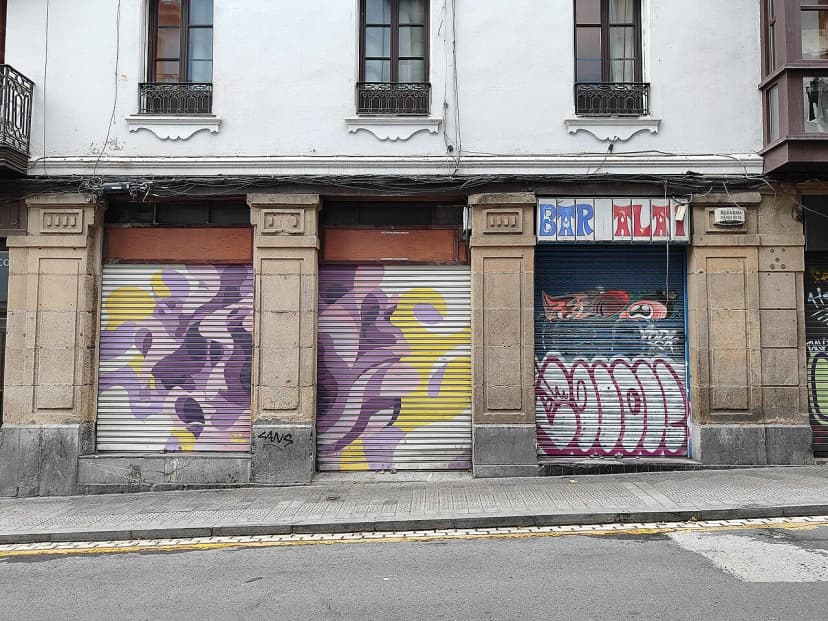
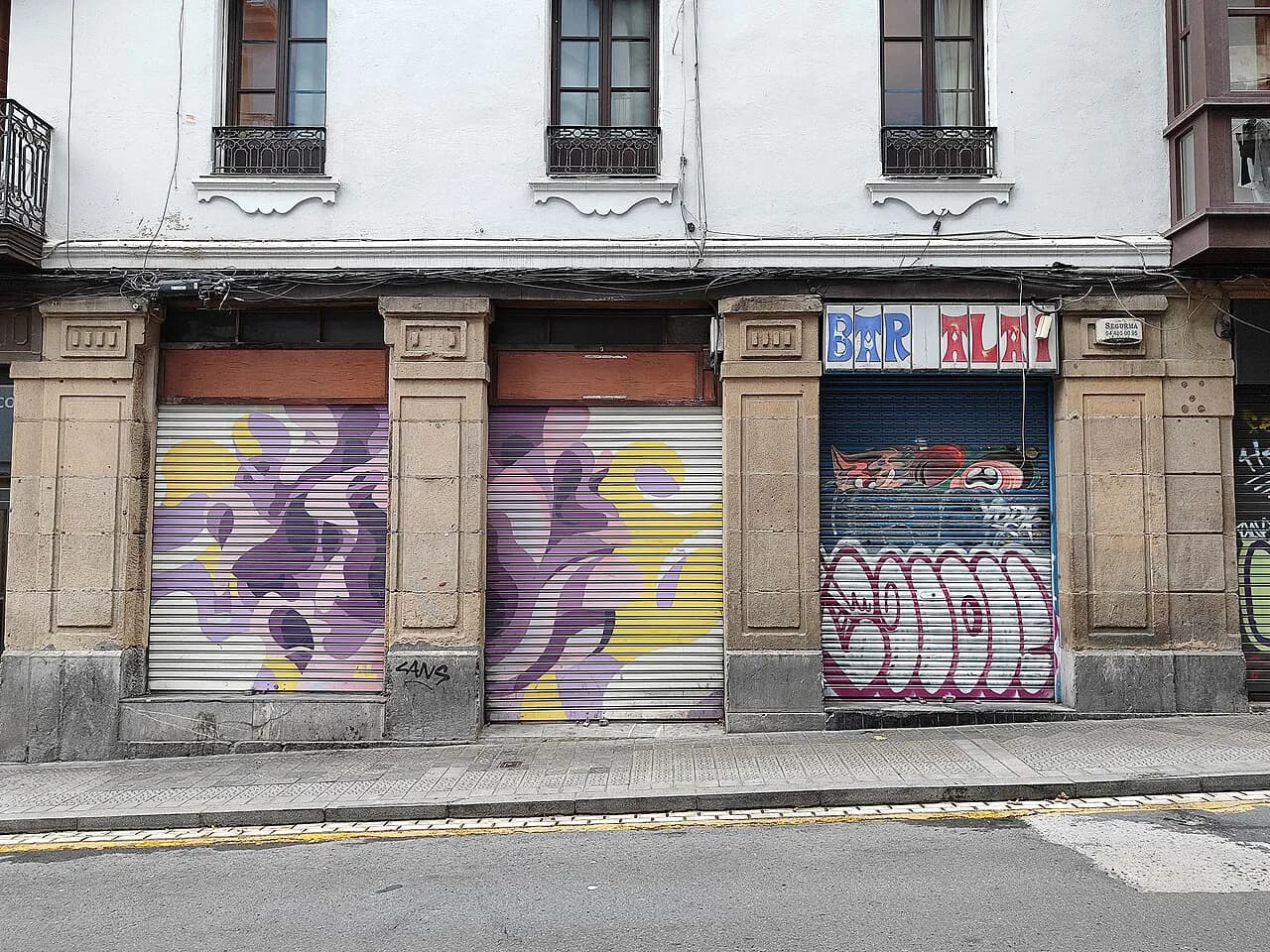
San Francisco, often shortened to Sanfran by locals, sits on the opposite bank of the Nervión from the Abando side of the city, and it is the neighborhood that comes up most often when travelers search for Bilbao areas to avoid. It is genuinely a study in contrasts: block after block of large-scale street art and a wave of gallery and studio openings sit a few doors down from open drug use that residents describe candidly on forums like r/Bilbao, alongside reports of street solicitation. During daylight hours, the main thoroughfare, Calle San Francisco, functions like any other transitional city street, with shops, bars, and steady foot traffic, and walking through it to see the murals is a common, low-drama activity. After dark, the picture narrows: side streets branching off the main strip, including Calle Cortes, are specifically where the concentrated activity and street solicitation that visitors report tend to cluster, and that street-level detail is worth knowing rather than writing off the entire quarter as off-limits. The practical takeaway is to visit San Francisco for its art and cultural regeneration during the day, and to be more deliberate about your route, your company, and your timing if you are there after nightfall. For a fuller picture of which hours and streets call for more caution across the city, see the guide to night safety patterns citywide.

Bilbao La Vieja and Zabala After Dark
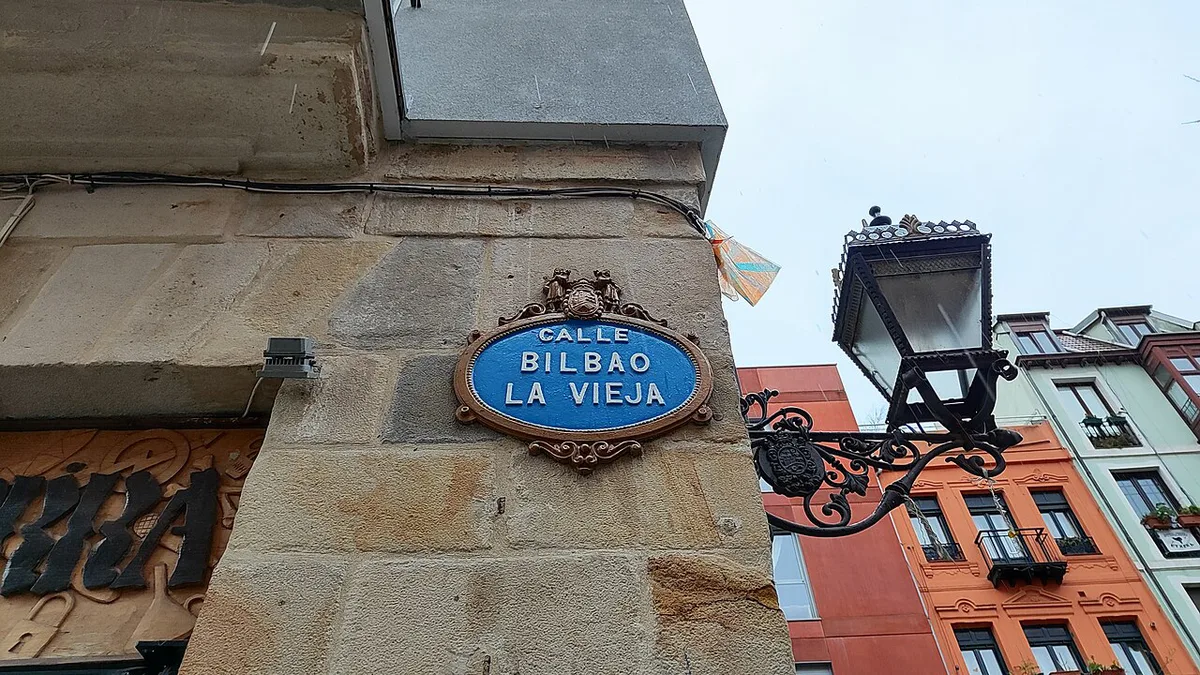
Bilbao La Vieja, immediately adjacent to San Francisco, and the smaller Zabala quarter next door follow a similar pattern to their neighbor. Both have absorbed a wave of independent bars, live-music venues, and artist studios over the past decade, and the main strips are busy and sociable on most evenings, drawing a mixed crowd of residents, students, and visitors. The caution applies less to the main bar strip itself, which stays populated and well-trafficked, and more to the quieter side streets running off it once the crowds thin out late at night, where the same street-level drug activity documented around San Francisco can spill over. Treat Bilbao La Vieja and Zabala as areas where the smartest move is sticking to the lit, populated main streets after midnight rather than cutting through a side alley as a shortcut back toward Casco Viejo or your hotel. If nightlife and an edgier art scene appeal to you, both neighborhoods are worth an evening; if you would rather avoid navigating that judgment call entirely, a base in Abando or Indautxu removes the question from your trip.
Areas to Avoid at Night for Solo Travelers
Beyond San Francisco and Bilbao La Vieja, the other pattern worth flagging is Bilbao's industrial edges once the last trains and buses stop running for the night. The streets around the FEVE station and the city's older industrial pockets empty out quickly after dark, and an unfamiliar shortcut through a deserted stretch is a bigger practical risk in Bilbao than any single named neighborhood. Outer residential districts such as Otxarkoaga offer noticeably cheaper accommodation than the tourist core, but that savings comes with a real trade-off: a longer commute back from the center late at night, often through streets that see little foot traffic once the metro stops running. Solo travelers in particular should weigh that commute time against the price savings, and decide on the return route before heading out for the evening rather than improvising it late at night on an unfamiliar street. Sticking to main roads, keeping a phone charged, and having a taxi option ready are basic habits that matter more on these outer edges than in the tourist core. Solo female travel precautions covers additional guidance on evening routes and accommodation choices for travelers on their own.
Neighborhood Fit: Where to Stay Instead
For a calmer base, three central districts consistently work well for first-time and return visitors alike. Abando sits right by the main train station and the Gran Vía shopping spine, putting you within easy walking distance of the Guggenheim Museum and the Ensanche's grid of wide, well-lit boulevards that stay busy well into the evening. Indautxu, just south of Abando, is a residential, upscale pocket popular with longer-stay visitors who want quiet streets and easy metro access without sacrificing proximity to the center. Casco Viejo, the old town, actually splits into two distinct experiences: quieter, more residential stretches in the upper part of the old town, and a livelier lower section near Plaza Nueva that gets loud and crowded with bar-hoppers on weekend nights. Both are safe by Bilbao standards, but the lower old town is worth knowing about in advance if noise or dense crowds late at night are not what you are looking for.
San Francisco's street art and gentrifying gallery scene appeal to daytime visitors, yet its evening safety concerns mean tourists often choose to base overnight in geographically separated neighborhoods like Abando or Indautxu. Balancing cultural exploration with evening comfort sometimes requires splitting location bases between day and night activities.
- Abando: closest base to the train station and the Guggenheim Museum, along wide, well-lit Ensanche boulevards
- Indautxu: quiet, residential, strong metro access, a short walk south of Abando
- Casco Viejo, quieter upper stretches: calmer, residential old-town streets away from the main bar crowds
- Casco Viejo, lower section near Plaza Nueva: lively pintxos and bar scene, busier and louder late on weekends
Public Transport Safety: Metro vs. Bilbobus After Midnight
Most safety questions about getting back to a hotel late at night come down to transport timing rather than geography. Metro Bilbao is the fastest way to move between the center and outlying neighborhoods, but service does not run around the clock, and even with extended weekend hours, there is still eventually a walking gap between the last train and your front door on any given night. Bilbobus night routes cover part of that gap, but frequency drops noticeably after midnight on weeknights compared with the metro's daytime service. Loading a Barik card before your trip makes both systems faster to use on short notice, but the more important habit is deciding your route home before you go out, rather than improvising a walk through an unfamiliar industrial stretch late at night while searching for a signal or a taxi. For current metro and bus hours, check the full public transport safety breakdown before planning a late night out.
Common Tourist Mistakes and Scams
Geography is only half the picture: plenty of incidents reported in Bilbao are about behavior rather than location. Pickpocketing is the most commonly cited issue, and it clusters in the same kinds of places you would expect anywhere in Spain: crowded pintxos bars, the terraces around Plaza Nueva, and busy public transport at rush hour. Street hustlers running the classic shell game, or offering an unsolicited palm reading with a sprig of rosemary pressed into your hand, show up occasionally in the old town, and the simplest response is to keep walking and decline politely. The single most avoidable mistake is leaving a bag, phone, or jacket unattended on a chair or terrace table while ordering another round of pintxos, a lapse that accounts for a meaningful share of theft reports around Casco Viejo. None of this is unique to Bilbao, but knowing the specific patterns in advance removes most of the risk. A closer look at typical tourist scams here covers these patterns and a few less obvious ones in more depth.
Practical Decision Criteria: Bilbao Neighborhoods at a Glance
Once you understand the distinction between gritty-but-safe and genuinely-use-caution, choosing where to stay or wander becomes a straightforward trade-off between vibe, watchfulness, and how close you want to be to the main sights. The table below summarizes how the neighborhoods covered in this guide compare, as a quick decision aid rather than a ranking.
Neighborhoods that appear rough—San Francisco's post-industrial grit, Otxarkoaga's older housing—face different actual risks than their aesthetics suggest: drug activity and commute timing, not general stranger danger. Distinguishing between how neighborhoods look and what actually threatens visitors drives better accommodation choices than a simple list of places to avoid.
| Neighborhood | Vibe | Safety Notes | Proximity to the Center/Guggenheim | Good Fit For |
|---|---|---|---|---|
| San Francisco (Sanfran) | Gritty, gentrifying, heavy street art | Fine by day on the main street; side streets like Calle Cortes need caution after dark | Across the river from Abando; not within easy walking range | Curious day visitors, not first-time solo overnight stays |
| Bilbao La Vieja & Zabala | Bar and live-music scene, mixed older housing | Stick to the main strip after midnight; side streets thin out fast | Adjacent to San Francisco, across the river from Abando | Nightlife-focused travelers comfortable with an edgier scene |
| Abando | Central, transit-hub energy, wide boulevards | Well-lit and busy at most hours | Closest base to the Guggenheim Museum | First-time visitors who want convenience |
| Indautxu | Residential, upscale, quiet | Consistently calm, strong metro access | Short metro ride or walk south of Abando | Longer stays, travelers wanting quiet evenings |
| Casco Viejo, upper stretches | Historic, residential | Quiet, low foot traffic at night | Within the old town, walking distance to central sights | Old-town character without late-night noise |
| Casco Viejo, near Plaza Nueva | Dense pintxos and bar scene | Safe but loud and crowded on weekend nights; watch belongings | Within the old town, walking distance to central sights | Nightlife-focused travelers who don't mind crowds |
| Otxarkoaga | Outer residential district, budget-friendly | Quiet by day; longer, less-trafficked commute back late at night | Outside walking range; requires metro or bus | Budget stays if you plan the trip home in advance |
For trip-planning details, see US State Department Spain travel advisory.
Frequently Asked Questions
Is San Francisco (Sanfran) safe to visit in Bilbao?
Yes, during the day. The main street, Calle San Francisco, is a normal, busy thoroughfare that's good for seeing the neighborhood's street art and galleries. After dark, side streets like Calle Cortes are where reported drug activity and street solicitation concentrate, so plan a daytime visit or go with company if you're there at night.
What is the most dangerous area in Bilbao?
Bilbao does not have a single widely dangerous district in the way some larger cities do. The areas that come up most in safety discussions are specific streets within San Francisco and Bilbao La Vieja after dark, plus unfamiliar shortcuts through industrial or deserted stretches late at night, rather than entire neighborhoods.
Is Bilbao safe for solo female travelers?
Bilbao is generally considered a comfortable city for solo travelers, with the same precautions that apply anywhere: stick to lit, populated streets at night, plan the route home before heading out, and be more cautious around San Francisco and Bilbao La Vieja after dark.
Where should first-time visitors stay in Bilbao?
Abando, Indautxu, and the quieter upper stretches of Casco Viejo are the most consistently comfortable choices for first-time visitors, combining central locations with well-lit streets and easy walking or metro access to the Guggenheim Museum and the old town.
Is the Bilbao metro safe to use at night?
The metro itself is a safe, straightforward way to get around while it is running, but it does not operate around the clock. The bigger safety consideration is the walk on either end once service stops for the night, so plan the return route, or a taxi, before heading out.