Montpellier Areas to Avoid: A Traveler's Safety Guide
Last updated June 2026, this guide breaks down Montpellier areas to avoid so you can plan a stay in the Hérault capital with confidence rather than guesswork. Most visitors never set foot near the handful of peripheral districts that draw local caution, but knowing where tram Line 1 ends and where the old town's alleys quiet down after midnight makes a real difference for first-time travelers. Read on for a neighborhood-by-neighborhood breakdown, a quick-reference safety matrix, and better alternatives in the central and eastern districts.
Quick Answer: Montpellier Areas to Avoid at a Glance
For a fast answer: the districts most often flagged for caution are La Mosson and La Paillade, Petit Bard, and the outer blocks of Cévennes, all west of the city center. None of these sit anywhere near the Ecusson, Antigone, or Port Marianne, so a traveler sticking to the tourist core has little reason to encounter them at all. For a broader picture of how Montpellier compares to other French cities, start with this overall Montpellier safety overview, then use the matrix below to see how each area stacks up on caution level and location before you book accommodation or plan a route.
| Neighborhood | Caution Level | Location | Why It Matters for Visitors |
|---|---|---|---|
| La Mosson / La Paillade | High caution | Far west, tram Line 1 terminus | Social-housing district with no visitor amenities; reachable mainly if Line 1 is ridden to its final stop |
| Petit Bard | High caution | West of the center | Similar profile to La Mosson; a statistical driver of citywide incident reports with nothing to draw a traveler there |
| Cévennes (outer blocks) | Secondary caution | Northwest edge of the city | Outer blocks lack tourist infrastructure and are best skipped rather than actively feared |
| Gare Saint-Roch surroundings | Standard vigilance | Central, main train station | Busy by day; keep bags close and stay alert once foot traffic thins late at night |
| Ecusson (Old Town) alleys | Standard vigilance at night | City center | Safe and lively by day; stick to lit, populated streets after midnight |
| Antigone / Port Marianne / Les Beaux-Arts | Tourist-friendly | Central to eastern districts | Well-lit, well-used residential and business areas recommended as a base |
- La Mosson / La Paillade: highest-caution district, far west, at the end of tram Line 1
- Petit Bard: similar profile to La Mosson, also west of the center
- Cévennes (outer blocks): secondary caution, northwest edge of the city, no visitor draw
- Gare Saint-Roch surroundings: standard transit-hub vigilance, especially late at night
- Ecusson (Old Town) alleys: safe by day, stick to lit streets after midnight
High-Caution Neighborhoods: La Mosson and La Paillade
La Mosson and La Paillade are frequently used interchangeably by locals to describe the same stretch of far-west Montpellier, and it is the district most consistently named when the question of Montpellier areas to avoid comes up. This is primarily a social-housing zone with no historic center, no attractions, and no reason for a visitor's itinerary to bring them there. It functions as one of the statistical drivers behind citywide incident figures, meaning it weighs heavily in aggregate reporting even though it holds essentially no practical relevance for anyone sticking to the tourist core. In practice, most travelers only end up here by accident, typically by riding tram Line 1 all the way to its western terminus out of curiosity rather than intention.
- No tourist attractions, hotels, or dining draw travelers to this district
- Reachable mainly by riding tram Line 1 to its final westbound stop
- Best treated as a district to skip rather than a place requiring special planning
Secondary Areas of Concern: Petit Bard and Cévennes
Petit Bard sits further west of the center and shares much of the same profile as La Mosson: a residential district built around social housing, with little in the way of shops, restaurants, or sights that would ever appear on a visitor's route. The outer blocks of the Cévennes district, on the city's northwest edge, fall into a similar secondary category — not places associated with dramatic danger, but areas that contribute to local incident statistics without offering any visitor draw in return. Neither Petit Bard nor the far Cévennes blocks require detailed street-by-street planning; the simplest approach is to treat them the way most residents do, as parts of the city that a short-stay itinerary simply never needs to touch.
- Petit Bard: west of the center, low amenities for travelers, generally skipped entirely
- Cévennes outer blocks: northwest edge, another statistical contributor with no visitor pull
- Both are easiest to avoid simply by keeping to central and eastern districts
Around Gare Saint-Roch: What to Know at the Transit Hub
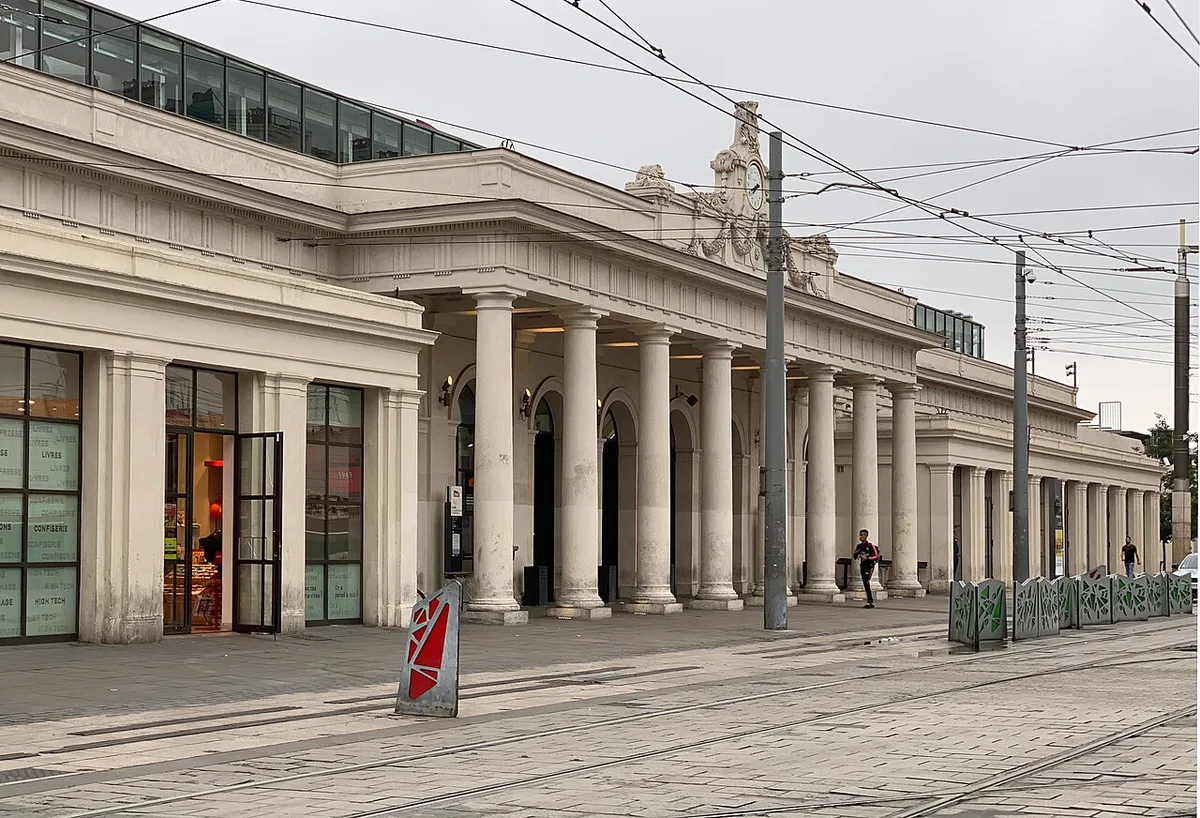
Gare Saint-Roch is Montpellier's main train station and a genuinely useful, heavily used part of the city by day, serving as the arrival point for many visitors coming from elsewhere in France. Like transit hubs in most mid-size cities, it is busiest and most comfortable during daytime and evening hours when foot traffic is steady; once trains and trams thin out late at night, the immediate surroundings quiet down considerably and standard travel vigilance applies. There is no need to avoid the station itself, but keeping bags zipped, staying aware of surroundings, and avoiding long waits alone in poorly trafficked corners after midnight is sensible practice here as it would be around any major station.
- Fine to use freely during normal daytime and evening hours
- Quietest and least populated late at night, when general vigilance matters most
- Keep valuables secured and avoid lingering alone in low-traffic corners after dark
Navigating the Tram Network Safely
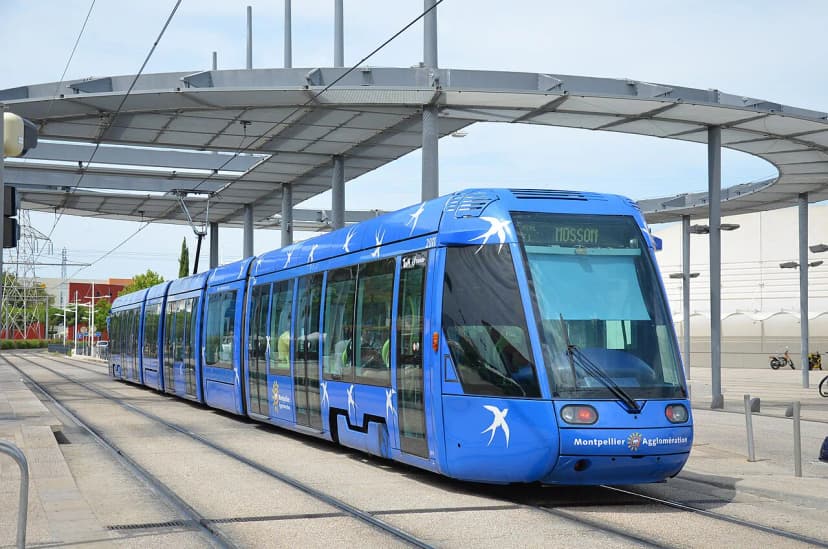
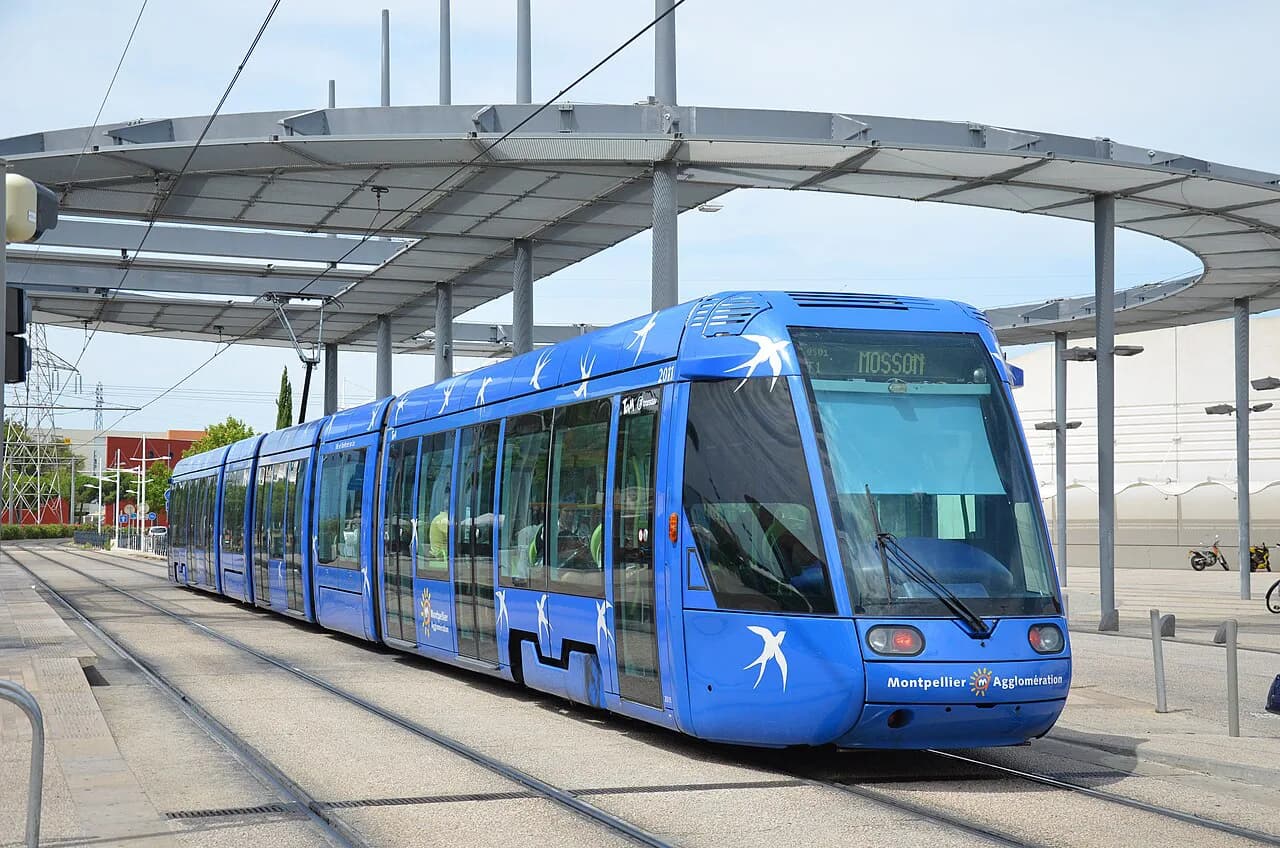
Montpellier's tram network is operated by TAM (Transports de l'Agglomération de Montpellier) and remains the easiest way to move between the center, the station, and outlying districts. Line 1 is the route most relevant to the areas-to-avoid conversation, since it runs all the way out to La Mosson at its western terminus — the stop travelers occasionally reach by mistake while exploring rather than intentionally seeking out. Riding the tram itself is a routine part of daily life for residents and visitors alike; the practical advice is less about avoiding specific lines and more about staying alert near the end-of-line stops on Line 1 after dark and keeping belongings close in crowded carriages. For fuller detail on ticketing norms and day-to-day etiquette on trams and buses, see this public transport safety guide.
Most travelers reach La Mosson, the far-west high-caution district, entirely by accident—typically by riding tram Line 1 to its western terminus. Simply avoiding this single end-of-line stop eliminates the primary reason visitors encounter peripheral caution zones.
- TAM operates the tram network across Montpellier and its surrounding communes
- Line 1 terminates at La Mosson; extra awareness is warranted near this end-of-line stop after dark
- Standard precautions — validated tickets, secured bags — apply across the whole network
The Ecusson (Old Town): Safe by Day, Vigilant by Night
The Ecusson, Montpellier's pedestrian old town centered around Place de la Comédie, is where most visitors spend the bulk of their time, and it is comfortably safe to explore on foot throughout the day. The distinction that matters here is day versus night rather than safe versus unsafe: the same narrow, atmospheric alleys that feel charming and busy in daylight can turn quiet in the small hours, and it is worth sticking to the wider, better-lit streets once the crowds thin out. This is a pickpocketing-and-awareness concern far more than a violent-crime one, and it is worth reading a dedicated Montpellier nighttime safety guide before any late-night wandering through the old town's smaller lanes.
- Comfortably walkable throughout the day, including around Place de la Comédie
- Stick to main, well-lit pedestrian streets once alleys empty out late at night
- Treat this as an awareness issue, not a reason to avoid the Ecusson altogether
Where to Stay Instead: Antigone, Port Marianne, and Les Beaux-Arts
For a first-time visit, Antigone, Port Marianne, and Les Beaux-Arts cover most of what a traveler needs from a base. Antigone's monumental modern architecture sits just east of the Ecusson and keeps you within walking distance of the old town, while Port Marianne, further east again, is a newer business-and-residential district with wide, well-used streets that feel comfortable after dark. Les Beaux-Arts, close to the Ecusson on the opposite side from the peripheral districts, offers a quieter residential feel without sacrificing proximity to the center. It is worth noting the trade-off some travelers weigh: short-term listings in districts like La Mosson or Petit Bard sometimes advertise lower nightly rates than the center, but for a short stay the savings rarely offset the added travel time and reduced walkability of basing yourself so far from the sights.
- Antigone: modern district directly east of the Ecusson, easy walking distance to the old town
- Port Marianne: further east, newer development with wide, well-trafficked streets
- Les Beaux-Arts: quieter residential option close to the center on the opposite side from the western districts
Practical Safety Tips for Solo Travelers and Nighttime Outings
Solo travelers generally do well in Montpellier by applying the same habits that work in most French cities: sticking to lit, populated streets after dark, sharing a general plan with someone before a late outing, and choosing accommodation in central or eastern districts rather than peripheral ones. Nights out around Place de la Comédie and the Ecusson's main squares stay lively well into the evening, which in itself adds a layer of natural safety through crowds and visibility. For guidance specifically tailored to solo travelers, including neighborhood and transport considerations, this solo female travel safety guide covers the details in more depth than a general overview can.
Petty theft and scams in busy central areas present more realistic risk than dangers in peripheral districts. Choosing central accommodation means focusing vigilance on crowded places and recognizing common scam patterns, not avoiding outlying neighborhoods.
- Favor accommodation in Antigone, Port Marianne, the Ecusson, or Les Beaux-Arts
- Stick to busy, well-lit streets for late-evening walks back to accommodation
- Share your general plans with someone else before a solo night out
Mistakes That Lead Travelers Off Track in Montpellier
Most avoidable trouble in Montpellier comes down to a handful of predictable mistakes rather than genuinely dangerous encounters. Riding tram Line 1 all the way to its La Mosson terminus out of curiosity, wandering deep into the Ecusson's quietest alleys well past midnight, or booking budget accommodation in a peripheral district without checking its location relative to the tourist core are the three most common. Petty theft and tourist-targeted scams are a far more realistic concern in busy, central areas than anything in the outlying districts, so it is worth reviewing this guide to common Montpellier tourist scams before your trip so you can recognize the patterns that actually affect visitors day to day.
- Avoid riding tram Line 1 to its final stop out of idle curiosity
- Check a listing's exact district before booking cheaper peripheral accommodation
- Focus vigilance on pickpocketing and scams in crowded central areas, not on peripheral districts you are unlikely to visit
Ecusson vs. Port Marianne: Choosing the Better Base
If the choice is between the Ecusson and Port Marianne, the safer option depends on travel style rather than a simple good-or-bad ranking. The Ecusson is best for sightseeing: Place de la Comédie, the old town lanes, restaurants, bars, and tram connections are all close together, so daytime walking is easy and taxis are rarely necessary. The trade-off is noise, crowds, pickpocketing risk in busy areas, and quieter side streets after midnight.
Port Marianne is usually the calmer base for travelers who prioritize modern streets, newer apartment blocks, easier evening walks, and quick tram access back toward the center. Around Port Marianne, Rives du Lez, and the Hôtel de Ville area, the streets feel more open and residential than the medieval core. It is less atmospheric than the Ecusson, but for families, business travelers, or anyone arriving late, it can be the more practical compromise.
For trip-planning details, see US State Department France travel advisory.
Frequently Asked Questions
What is the most important area to avoid in Montpellier?
La Mosson and La Paillade, in the far west of the city at the end of tram Line 1, is the district most consistently named among Montpellier areas to avoid. It has no visitor attractions and is best simply left off any tourist itinerary rather than actively planned around.
Is La Mosson safe to visit as a tourist?
There is no reason for a tourist to visit La Mosson, since it offers no attractions, dining, or lodging that would appeal to a short-stay traveler. Most visitors who end up there do so by accident, typically by riding tram Line 1 to its western terminus.
Is the Ecusson (Old Town) safe to walk around at night?
Yes, in general, though the distinction is day versus night rather than safe versus unsafe. Main streets and squares around Place de la Comédie stay busy and comfortable into the evening, while narrower alleys are better avoided once they empty out in the small hours.
Which neighborhoods in Montpellier are best for first-time visitors?
Antigone, Port Marianne, the Ecusson, and Les Beaux-Arts cover most needs for a first-time stay, combining central or near-central locations with well-used, comfortable streets both during the day and in the evening.
Is the tram safe to ride in Montpellier?
Yes, the TAM tram network is a normal and widely used part of daily life in Montpellier. The main point of extra awareness is around the end-of-line stops on Line 1, particularly at La Mosson, especially later at night.