Is Palma Safe at Night? A Complete Guide for Travelers
Last updated June 2026: if you're wondering is Palma safe at night, the short answer is yes for most visitors who stick to the city's main tourist districts, since an evening out in Mallorca's capital carries a broadly similar risk profile to other well-run Spanish and European capitals. The real nuance lies in where you walk, how you get home, and which pockets of the wider Mallorca coastline are worth skipping after dark. This guide breaks down neighborhood-by-neighborhood safety, transport options, common scams, and coastal hazards so you know exactly what changes once the sun goes down.
Quick Answer: Is Palma Safe at Night?
The bottom line is that Palma is one of the more reassuring capital cities in southern Europe to explore after dark, provided you treat it with the same common sense you'd bring to any major city center. According to crime and safety data compiled by the analytics portal Numbeo, Palma's crime index sits at 36.33, notably lower than London (54.50), Paris (57.94), and Berlin (44.44), though somewhat higher than Copenhagen (26.29) and Oslo (33.38). In practice, that means the nighttime risk profile in Palma leans heavily toward opportunistic petty theft, such as pickpocketing in crowded plazas, bag-snatching near nightlife strips, and phones left unattended on bar tables, rather than violent crime, which is rare and seldom directed at tourists. For a broader look at daytime and citywide risk factors, this Palma safety overview covers the bigger picture, while this guide focuses specifically on what changes once the sun goes down.
Vigilance concentrates where crowds gather: pickpockets in plazas, bag-snatching on nightlife strips, and unattended phones or drinks on bar tables. Keeping valuables secure and staying on busy, well-lit streets covers the petty-theft risks that define Palma's after-dark profile.
Neighborhood Safety at Night: Where to Walk and Where to Watch
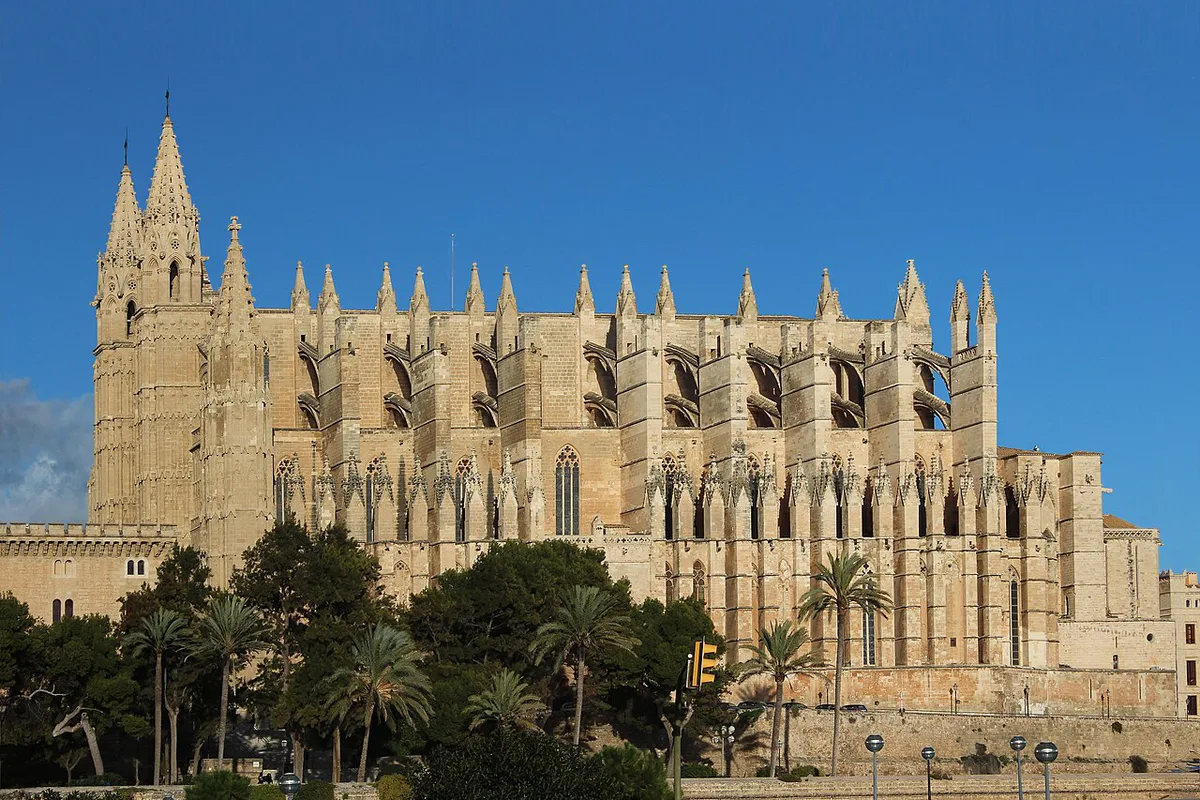
Palma's after-dark reputation varies sharply by district. La Lonja and Santa Catalina are widely regarded as the city's safest, most stylish nightlife quarters, packed with tapas bars, wine spots, and well-lit pedestrian streets that stay busy into the early hours. The Casco Antiguo, or Old Town, is genuinely gentle after dark once you're away from the very narrowest unlit alleys near the Cathedral; the main risk there is an unattended phone or bag rather than any real threat to personal safety. The Paseo Marítimo waterfront strip carries a higher-energy, club-heavy atmosphere with heavier foot traffic late at night, which is generally fine but rewards a bit more situational awareness than a quiet Old Town plaza. Further out, the Playa de Palma strip toward S'Arenal is where alcohol-fuelled trouble tends to concentrate, and it's worth distinguishing this resort-style stretch from central Palma when weighing risk. A short list of residential districts on the city's fringes, including Son Gotleu and parts of El Terreno, are not real nighttime tourist draws and are best treated as areas worth avoiding after dark rather than places to wander into looking for atmosphere; see this deeper breakdown of caution zones for specifics. As a rule of thumb, well-lit main arteries with active restaurant and bar frontages are your safe-zone visual cue, while quiet, poorly lit residential side streets are where you should tighten up.
| Neighborhood | Nighttime Safety | Atmosphere | Best For |
|---|---|---|---|
| Casco Antiguo (Old Town) | High | Quiet, historic, low foot traffic late | A gentle post-dinner wander |
| La Lonja | High | Stylish, buzzy, well-lit | Upscale bars and tapas crawls |
| Santa Catalina | High | Lively, dining-led nightlife | Food-focused evenings out |
| Paseo Marítimo | Moderate | High-energy, club-heavy | Late-night clubbing on the main strip |
| Playa de Palma / S'Arenal | Lower | Loud, alcohol-fuelled | Only with extra caution and a plan to get home |
| Son Gotleu / parts of El Terreno | Lower | Residential, sparse foot traffic | Not a nighttime tourist destination |
Getting Around Palma After Dark: Transportation Safety
Walking is comfortable across most of central Palma at night as long as you stick to the well-lit main streets around La Lonja, Santa Catalina, and the Paseo Marítimo, where restaurants and bars keep the pavements lively into the early hours; it's the quieter, unlit residential side streets away from these arteries where you should be more deliberate about your route. For anything beyond a short walk, licensed taxis are widely available and a sensible choice for solo riders, and it's worth using an official taxi rank or a reputable app rather than getting into an unmarked car touting for business outside a nightlife strip. Palma is also served by the NitBus night network, part of Mallorca's public transport system, which links central nightlife districts with outlying resort areas after regular daytime services stop; frequencies and exact hours shift seasonally, so confirm current timetables with the official transport operator before relying on a specific route to get home. For a fuller comparison of walking, taxis, and night buses, including how each stacks up on convenience and safety, see this public transport safety guide.
Routes matter more than distance for late-night returns: short walks work on well-lit main streets through La Lonja or Old Town, but hotels near resort strips like Playa de Palma warrant a taxi or NitBus rather than walking unfamiliar residential routes.
- Walking: fine on lit main streets in La Lonja, Santa Catalina, and the Paseo Marítimo; be more alert on quiet side streets
- Taxis and rideshare: use official ranks or licensed apps, especially solo, rather than unmarked cars near nightlife strips
- NitBus night buses: connect central Palma with resort areas after normal services end, but confirm seasonal schedules before you rely on one
Solo Female Travel Safety in Palma
Solo women exploring Palma at night generally report feeling comfortable in the same core districts recommended above, but a few habits make a real difference. Sticking to the busy, well-lit streets of La Lonja, Santa Catalina, and the central Old Town rather than cutting through quiet side alleys is the simplest safeguard, and sharing your route or a live location with someone before a late walk home costs nothing. Inside bars and clubs, the standard precautions apply: keep an eye on your drink from pour to sip, decline drinks you didn't see made, and treat isolated or unlit stretches of the Paseo Marítimo and Playa de Palma with more caution late at night than the calmer Old Town. If a situation feels off, moving toward a staffed venue, a taxi rank, or a well-lit main street is the fastest way to reset. For a fuller set of destination-specific tips, this solo female travel safety guide goes into more depth on neighborhoods, transport, and social situations.
Nightlife Scams and Pitfalls After Dark
Palma's nightlife scams tend to be low-grade but persistent rather than dangerous, and they cluster around the busiest tourist strips. Distraction tactics such as street sellers pushing bracelets, flowers, or trinkets into your hands before demanding payment are worth sidestepping with a firm no and kept distance, and overcharging at unlicensed or informal-looking bars near nightlife hotspots is another recurring complaint worth watching for on the bill. Drink awareness matters too: never leave a drink unattended on a crowded bar table, and be wary of accepting drinks from strangers in busier club areas. None of this is unique to Palma, but it's concentrated in exactly the high-footfall nightlife zones covered above, so a little vigilance in those specific spots goes a long way. For a fuller rundown of common tricks and how to sidestep them, see this guide to common scams to know.
Natural Hazards and Coastal Safety at Night
Beyond street-level risks, Palma's waterfront comes with its own after-dark hazards that are easy to overlook. Rocky piers and unlit sections of the coastline along and beyond the Paseo Marítimo are not designed for nighttime foot traffic, and uneven, poorly lit terrain makes a late-night stroll along the water's edge riskier than it looks. Swimming after dark is best avoided altogether, both because visibility drops to near zero and because Mallorca's coastal waters can host jellyfish seasonally, adding an extra reason to save the swim for daylight hours. If you do want a nighttime waterfront walk, stick to the illuminated promenade sections rather than venturing onto rocks, piers, or unlit sand.
Practical Logistics: Emergency Numbers and Police in Palma
If something does go wrong, 112 is the number to know: it's the standard emergency line across Spain and the wider EU, covering police, medical, and fire response around the clock. Palma is policed by both the Policía Local, the municipal force generally handling day-to-day incidents, traffic, and immediate on-street response, and the Policía Nacional, who handle more serious crime reports and documentation issues such as lost or stolen passports. If you need to report an incident, your hotel front desk can usually point you to the nearest station or help bridge any language gap, and dialing 112 directly will get you routed to the right service even if your Spanish is limited.
Choosing the Safest Way Back to Your Hotel
The safest option after midnight depends less on distance and more on whether your route stays on active, well-lit streets. From La Lonja, the Cathedral area, or Parc de la Mar, a short walk can be sensible if it follows main routes such as Passeig del Born, Avinguda d’Antoni Maura, or the lit waterfront promenade. If your hotel is beyond Santa Catalina, deeper into El Terreno, near Playa de Palma, or outside the center, a licensed taxi is usually the more practical choice.
- Best rule: walk only when the route is short, familiar, and busy; use a taxi or official night transport when the route involves quiet residential streets, resort strips, or a long waterfront stretch.
Before leaving a bar or restaurant, check the route while still indoors, note the nearest taxi rank, and avoid improvising shortcuts through empty alleys behind the Old Town or away from Avenida Gabriel Roca.
Frequently Asked Questions
Is it safe to walk from the Cathedral to the port at 2 AM?
Walking between the Cathedral area and the port late at night is generally fine if you stick to the main, well-lit streets through the Old Town and along the waterfront rather than cutting through quiet, unlit side alleys. The bigger risk in this stretch is petty theft, such as an unattended phone or bag, rather than violent crime, so keeping valuables secure and staying on busier routes covers most of the risk.
Are taxis in Palma safe for solo travelers?
Yes, licensed taxis are a safe and widely available option for solo travelers in Palma, especially late at night when walking longer distances alone is less appealing. Use an official taxi rank or a reputable app rather than accepting a ride from an unmarked car touting for business outside a nightlife strip, which is the main precaution worth taking.
What should you do if you lose your phone at night in Palma?
First, use a friend's phone or a nearby staffed venue to try locating or remotely locking your device, then head to a well-lit main street or your hotel rather than continuing to search alone in a quiet area. If you believe it was stolen rather than simply lost, report it to the Policía Local or Policía Nacional, and dial 112 if you need immediate assistance figuring out where to go.
Is Palma safer than Magaluf or S'Arenal at night?
Generally yes. Central Palma's key nightlife districts, particularly La Lonja and Santa Catalina, have a calmer, more upscale after-dark atmosphere than the rowdier resort strips at Magaluf's Punta Ballena or S'Arenal's Playa de Palma stretch, where alcohol-fuelled disturbances are more common. These resort areas sit outside Palma proper and call for a more cautious mindset than a typical night out in the city center.
What is the emergency number to know in Palma?
112 is the number to remember, since it's the standard emergency line across Spain and the EU, covering police, medical, and fire services around the clock. It works for both serious emergencies and for getting directed to the nearest Policía Local or Policía Nacional station if you need to report something less urgent.


